
Understanding the distance between Portland, Oregon and Eugene, Oregon is crucial for anyone planning a trip, a business excursion, or a simple weekend getaway within the vibrant state of Oregon. These two prominent cities, separated by a manageable stretch of the Willamette Valley, offer distinct experiences, from the urban dynamism of Portland to the collegiate charm and outdoor adventures surrounding Eugene. The journey between them is more than just a measurement of miles; it’s an exploration of Oregon’s diverse landscapes and a gateway to its rich cultural tapestry.
Understanding the Mileage and Travel Times
The approximate driving distance between Portland, Oregon and Eugene, Oregon is around 113 miles, or about 182 kilometers. This figure is based on the most common and direct routes, primarily utilizing Interstate 5 (I-5) South. However, the actual travel time can fluctuate significantly based on several factors, including the time of day, traffic conditions, your chosen mode of transportation, and any planned stops along the way.
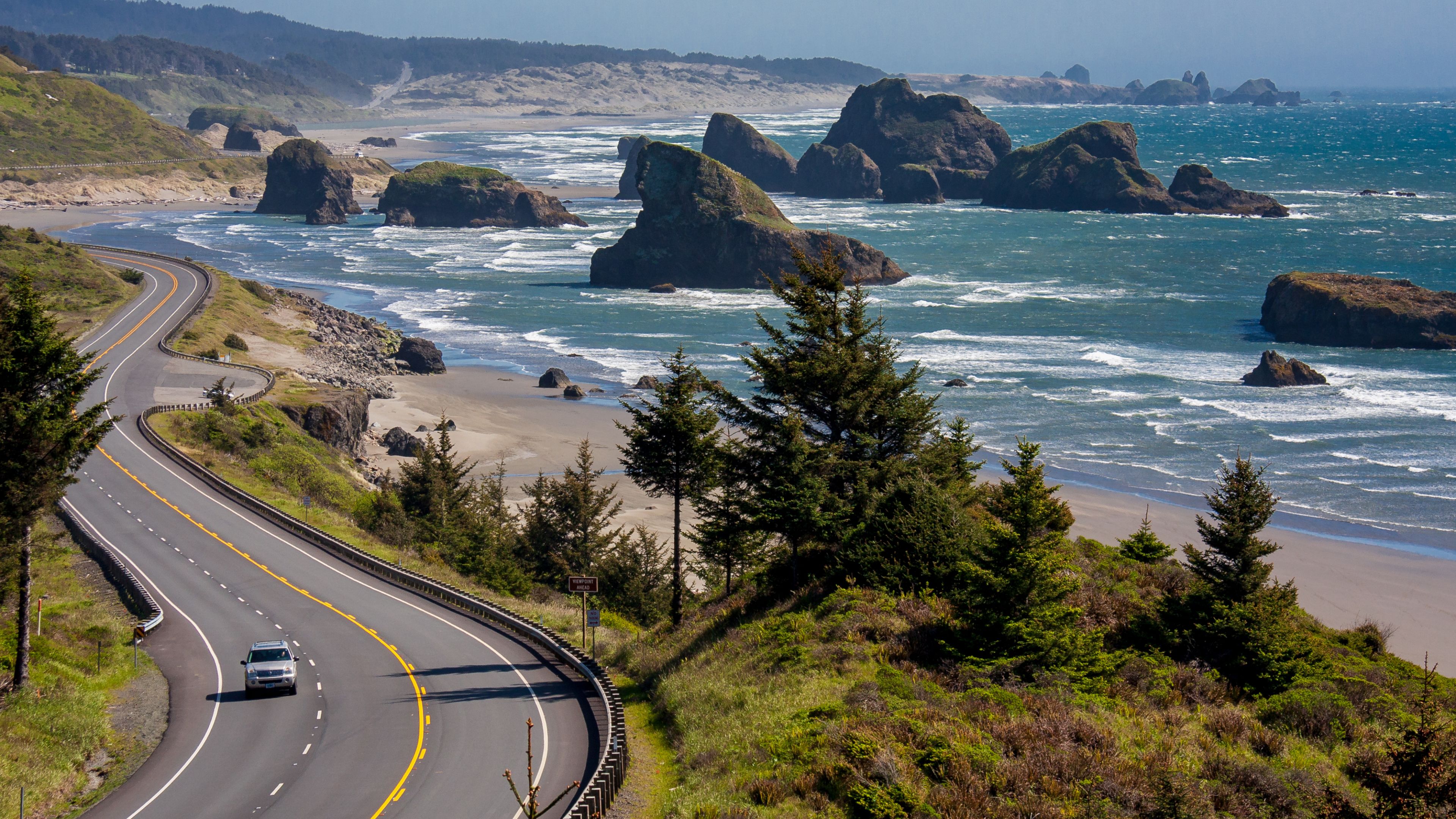
Driving: The Most Common Commute
Driving is by far the most popular and flexible method of travel between these two cities. The journey via I-5 South is generally straightforward and well-maintained.
- Estimated Driving Time: Under normal conditions, the drive takes approximately 1 hour and 45 minutes to 2 hours and 15 minutes.
- Peak Traffic Considerations: During weekday rush hours (typically 6:00 AM to 9:00 AM and 3:00 PM to 6:00 PM), travel times can extend, especially as you approach and depart from Portland and Eugene. Delays can add anywhere from 15 to 45 minutes or more to your journey. Weekend travel, particularly on Friday afternoons and Sunday evenings, can also see increased traffic volumes.
- Route Variations: While I-5 South is the most direct, alternative scenic routes exist, though they will inevitably increase travel time. These might involve detours through smaller towns or more rural roads, offering a glimpse into the Willamette Valley’s agricultural heartland.
- Stops Along the Way: The drive is punctuated by several points of interest, should you wish to break up the journey. Towns like Salem, the state capital, offer historical sites and dining options. Further south, smaller communities provide local charm and unique roadside attractions.
Other Transportation Options
While driving is dominant, other options cater to different preferences and needs.
- Bus Services: Several intercity bus companies, such as Amtrak (which also offers train services) and FlixBus, provide regular routes between Portland and Eugene. These services are often more budget-friendly and allow passengers to relax and enjoy the scenery without the stress of driving.
- Typical Duration: Bus journeys can range from 2.5 to 3.5 hours, depending on the number of stops and the specific route.
- Depot Locations: Bus terminals are conveniently located in or near the downtown areas of both cities.
- Train Travel: Amtrak operates the Cascades train service, which connects Portland and Eugene. This offers a comfortable and scenic alternative, bypassing road traffic entirely.
- Scenery: The train route offers picturesque views of the Willamette Valley countryside.
- Travel Time: Train journeys are generally comparable to bus travel in terms of duration, often around 2.5 to 3 hours.
- Ridesharing: Services like Uber and Lyft can be used for this route, though it would likely be a more expensive option than traditional bus or train services. It might be a convenient choice for last-minute travel or if traveling with a group that prefers door-to-door service.
Navigating the Route: Key Landmarks and Stops
The journey from Portland to Eugene is more than just a transit; it’s an opportunity to experience the essence of Oregon. The primary artery, I-5 South, cuts through the heart of the Willamette Valley, a region renowned for its fertile farmlands, wineries, and charming towns.
Salem: The State Capital
Approximately halfway between Portland and Eugene lies Salem, the capital of Oregon. A stop here can enrich your travel experience with a dose of history and local culture.
- Oregon State Capitol Building: A prominent landmark, the capitol building offers guided tours and impressive architecture.
- Willamette Valley Vineyards: Salem and its surroundings are part of the Willamette Valley wine region, renowned for its Pinot Noir. Numerous wineries offer tastings and vineyard tours.
- Enchanted Forest: A whimsical roadside attraction that has delighted visitors for decades with its fairytale-themed attractions.
Agricultural Heartland and Wineries
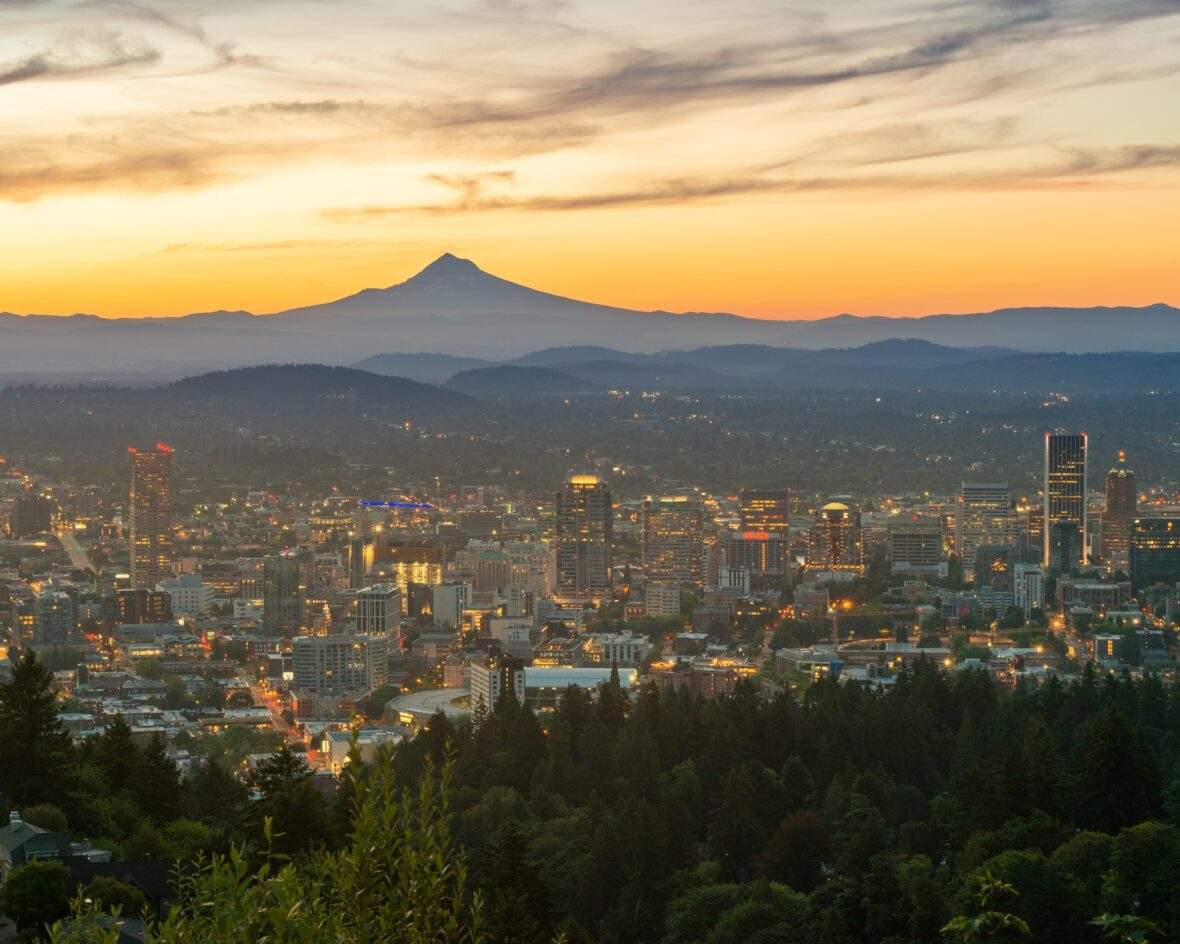
As you continue south from Salem, the landscape transforms into rolling hills and vast agricultural fields. This is the agricultural heartland of Oregon, producing everything from berries and hazelnuts to wine grapes.
- Farm Stands: During the warmer months, keep an eye out for roadside farm stands offering fresh, local produce.
- Wine Tasting: The Willamette Valley is home to hundreds of wineries. While Salem has its share, the areas surrounding towns like Newberg and McMinnville (slightly west of the direct route but worth a detour) are particularly famous for their viticultural offerings. Popular wineries include Willamette Valley Vineyards and Domaine Serene.
Approaching Eugene
As you get closer to Eugene, the landscape begins to hint at the proximity of the Cascade Mountains to the east, and the unique character of this university town starts to emerge.
- University of Oregon: Eugene is home to the University of Oregon, whose vibrant campus and athletic programs, particularly the Oregon Ducks, influence the city’s culture.
- Outdoor Recreation: The area surrounding Eugene is a gateway to extensive outdoor activities, including hiking, biking, and exploring the nearby McKenzie River region.
Planning Your Trip: Considerations for a Smooth Journey
When planning your travel between Portland, Oregon and Eugene, Oregon, a few practical considerations can ensure a seamless and enjoyable experience. Understanding the distances and travel times is only the first step; optimizing your journey involves anticipating potential challenges and leveraging the opportunities the route presents.
Best Times to Travel
The “best” time to travel is subjective and depends on your priorities.
- Avoiding Traffic: For the quickest journey, aim to travel outside of typical rush hour periods. Early mornings (before 6 AM), mid-mornings (9 AM – 11 AM), and early afternoons (1 PM – 3 PM) on weekdays generally offer lighter traffic.
- Scenic Travel: Spring and fall offer pleasant weather and stunning visual landscapes. Spring brings blooming wildflowers and lush greenery, while fall showcases the vibrant colors of the changing leaves in the Willamette Valley. Summer provides the warmest weather for exploring outdoor attractions, though it also tends to be the busiest travel season.
- Special Events: Be aware of major events in either city, such as University of Oregon football games or large festivals in Portland, which can significantly impact traffic and accommodation availability.
Accommodation and Lodging
Both Portland and Eugene offer a wide array of lodging options to suit all budgets and preferences.
- Portland: From luxury hotels in the downtown core like The Nines, a Luxury Collection Hotel, Portland to boutique inns in neighborhoods like Pearl District and budget-friendly motels, Portland has it all. Consider areas like the Pearl District or the Waterfront for central access.
- Eugene: Eugene also boasts a diverse range of accommodations, with many options located near the University of Oregon campus, downtown, or along the I-5 corridor. Hotels like the Graduate Eugene offer a distinct university-town vibe. For those seeking a more nature-oriented stay, consider lodges or vacation rentals outside the city closer to the Cascades.
- Mid-Route Stays: If you prefer to break the journey, Salem offers practical and comfortable lodging options, catering to both business travelers and tourists exploring the state capital.

Packing Essentials for the Journey
Regardless of your chosen mode of transport, consider packing the following for a more comfortable journey:
- Comfortable Clothing: Layers are key in Oregon, as weather can change quickly.
- Snacks and Water: While there are numerous service areas and towns along I-5, having your own provisions can be convenient, especially if taking a less direct route.
- Entertainment: Books, podcasts, or music playlists can make the drive or bus/train journey more enjoyable.
- Navigation Tools: A GPS device or smartphone with mapping apps is essential, though the route is generally easy to follow.
- Camera: To capture the scenic beauty of the Willamette Valley and any unexpected sights.
The journey between Portland, Oregon and Eugene, Oregon is a testament to the connectivity and accessibility of the Willamette Valley. Whether you’re seeking the urban energy of Portland, the laid-back charm of Eugene, or the scenic beauty in between, this relatively short distance offers a wealth of experiences waiting to be discovered.
LifeOutOfTheBox is a participant in the Amazon Services LLC Associates Program, an affiliate advertising program designed to provide a means for sites to earn advertising fees by advertising and linking to Amazon.com. Amazon, the Amazon logo, AmazonSupply, and the AmazonSupply logo are trademarks of Amazon.com, Inc. or its affiliates. As an Amazon Associate we earn affiliate commissions from qualifying purchases.