
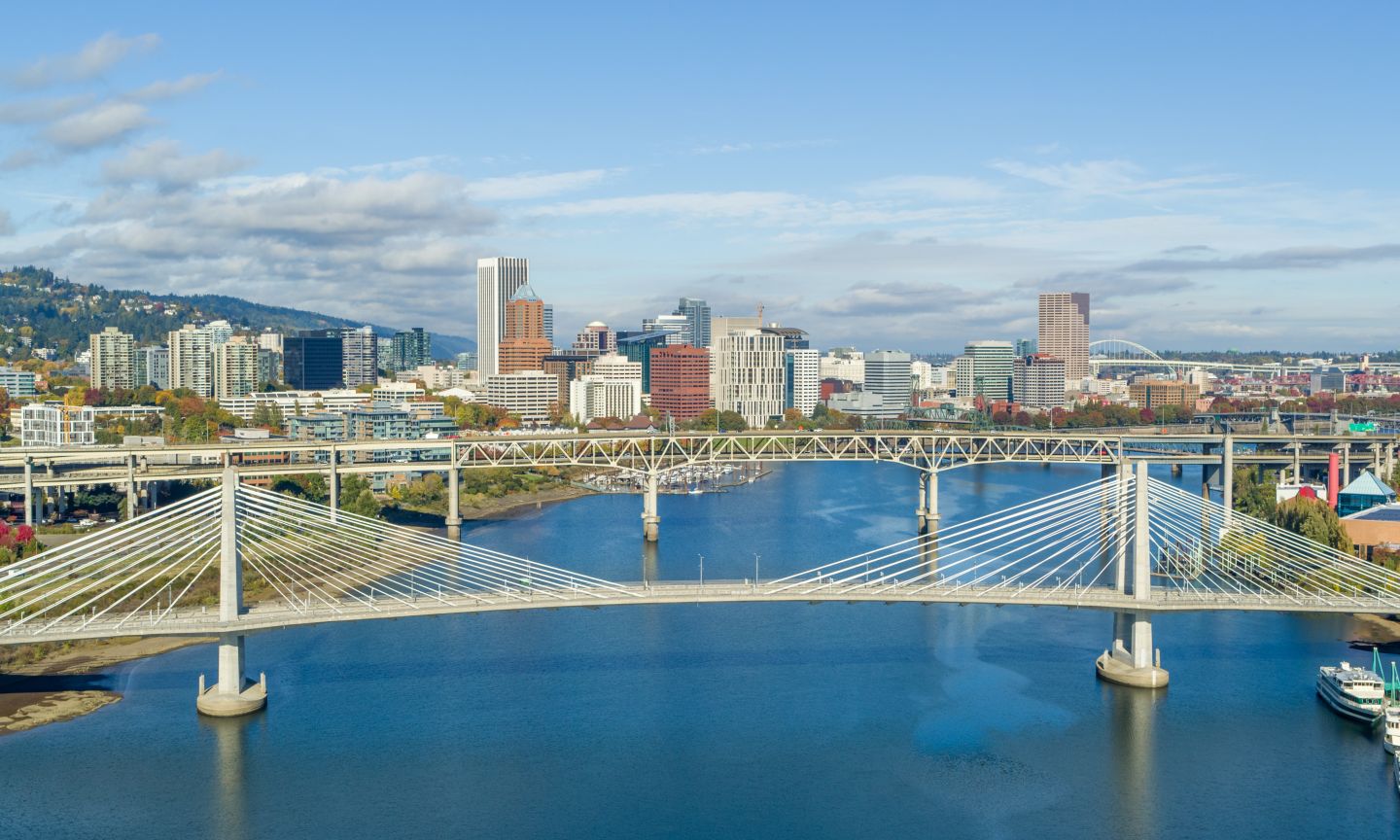
The question of how many bridges grace the skyline of Portland, Oregon is more than a simple count; it’s an invitation to explore the intricate vascular system of a city defined by its relationship with water. As a prominent hub nestled at the confluence of the Willamette River and the Columbia River, Portland boasts a remarkable number of bridges, each with its own story, architectural significance, and contribution to the city’s identity. Understanding the sheer volume and variety of these crossings provides a unique lens through which to appreciate the city’s history, its engineering prowess, and its vibrant spirit.
A City Defined by Waterways and Their Crossings
Portland’s geography is inextricably linked to its rivers. The Willamette River bisects the city, separating east from west, while the mighty Columbia River forms its northern border with Washington. These natural arteries have shaped Portland’s development, influencing trade, transportation, and community. Consequently, a robust network of bridges has been essential for connecting neighborhoods, facilitating commerce, and allowing residents and visitors alike to navigate this picturesque urban landscape.
The number of bridges within the city limits of Portland, Oregon is significant, often cited as around 12 major bridges spanning the Willamette River within the urban core, and many more if you include smaller crossings over tributaries, creeks, and railways. When considering the broader metropolitan area and the Columbia River, this number expands considerably. For the purposes of understanding Portland’s iconic river crossings, focusing on the bridges that define its skyline and facilitate its daily life offers the most compelling insight.
The Architectural Symphony of the Willamette River
The bridges of the Willamette River are not merely functional structures; they are architectural landmarks and engineering marvels that contribute immensely to Portland’s distinctive character. Each bridge has a unique design, a history of its construction, and a role in the city’s narrative.
Iconic Spans and Their Stories
-
Hawthorne Bridge: As the oldest operating vertical-lift bridge west of the Mississippi River, the Hawthorne Bridge is a testament to enduring engineering. Its distinctive orange color and the ability of its central span to lift for passing river traffic make it a visually striking and functionally important crossing. It was constructed between 1910 and 1912 and has since become a beloved symbol of Portland. It serves pedestrians, cyclists, and vehicles, embodying the city’s commitment to multi-modal transportation.
-
Steel Bridge: Perhaps the most complex of Portland’s bridges, the Steel Bridge is a double-decked, double-swing bridge. Built between 1910 and 1912, it features two separate decks that can lift independently, allowing for larger vessels to pass through. This ingenious design was necessary to accommodate both rail and road traffic, as well as significant river navigation. Its intricate mechanism is a marvel of early 20th-century engineering and remains a vital artery for freight trains and vehicles.
-
Broadway Bridge: Constructed in 1913, the Broadway Bridge is a rolling lift bascule bridge. Its distinctive green towers and the elegant arc of its span make it a prominent feature of the downtown waterfront. It connects the heart of downtown Portland with the northern industrial areas and serves as a critical link for both vehicular and pedestrian traffic. The bridge’s design allows for efficient passage of river traffic while maintaining a strong presence on the cityscape.
-
Morrison Bridge: This lift bridge, originally built in 1887 and rebuilt in its current form in 1958, is another essential crossing. While its architectural style might be less celebrated than some of its neighbors, its utilitarian importance is undeniable, carrying a significant volume of vehicular traffic. The Morrison Bridge is a workhorse, facilitating the daily commute for thousands and supporting the city’s economic activity.
-
Burnside Bridge: Erected in 1926, the Burnside Bridge is a Strauss trunnion bascule bridge. Its distinctive granite piers and the impressive span it commands make it a notable landmark. It connects the bustling downtown commercial district with the vibrant neighborhoods of the eastside, serving as a crucial link for a diverse range of users, from shoppers and commuters to artists and performers.
-
Ross Island Bridge: Completed in 1926, the Ross Island Bridge is a cantilever truss bridge. Its robust structure and sweeping design are iconic, and it is a key route for vehicular traffic heading south from downtown. The bridge offers panoramic views of the Willamette River and Ross Island, a significant natural feature within the city.
- Sellwood Bridge: The Sellwood Bridge, originally opened in 1927 and replaced with a new, modern span in 2016, is a vital link for the southern part of the city. The new bridge is a deck arch bridge, designed to be more resilient and accommodating to current traffic needs, including improved pedestrian and bicycle facilities. It serves the historic Sellwood-Moreland neighborhood and connects it to the west side.
Beyond the Willamette: Bridges of the Columbia River
The Columbia River presents a different set of challenges and opportunities for bridge construction, given its immense width and the significant navigation requirements for large vessels. The bridges spanning this border river are monumental feats of engineering and are crucial for regional transportation.
-
Portland-Vancouver Interstae Bridge (I-5 Bridge): This twin-decked steel truss bridge, opened in stages in 1917 and 1958, carries Interstate 5 and is a critical north-south transportation corridor connecting Portland with Vancouver, Washington. Its sheer scale and the volume of traffic it manages underscore its importance. The original structure is a historic landmark, while the newer section reflects mid-20th-century engineering standards.
-
Glenn L. Jackson Memorial Bridge (I-205 Bridge): This impressive concrete arch bridge, completed in 1983, carries Interstate 205, forming the eastern bypass around Portland. It is one of the longest bridges in the United States, spanning over 2 miles. The Glenn L. Jackson Memorial Bridge is a testament to modern bridge design, built to withstand seismic activity and the demands of high-volume traffic.
-
BNSF Railway Bridge: While not open to public vehicular traffic, the BNSF Railway Bridge is a significant crossing of the Columbia River, facilitating vital freight movement for the region. It is a swing bridge, allowing for the passage of large ships. Its presence highlights the multimodal nature of transportation infrastructure in the Portland area.
Smaller Crossings and Their Significance
Beyond these major river crossings, Portland is crisscrossed by numerous smaller bridges. These include railway bridges, pedestrian bridges, and crossings over smaller waterways like Johnson Creek and the Columbia Slough. While less visible on a grand scale, these structures are essential for the functioning of individual neighborhoods, connecting parks, facilitating commutes, and enabling access to natural areas. The city’s commitment to developing extensive trail systems also means a growing number of pedestrian and cyclist-oriented bridges are being integrated into the urban fabric, promoting active transportation and enhancing the livability of Portland.
The Bridges as Landmarks and Attractions
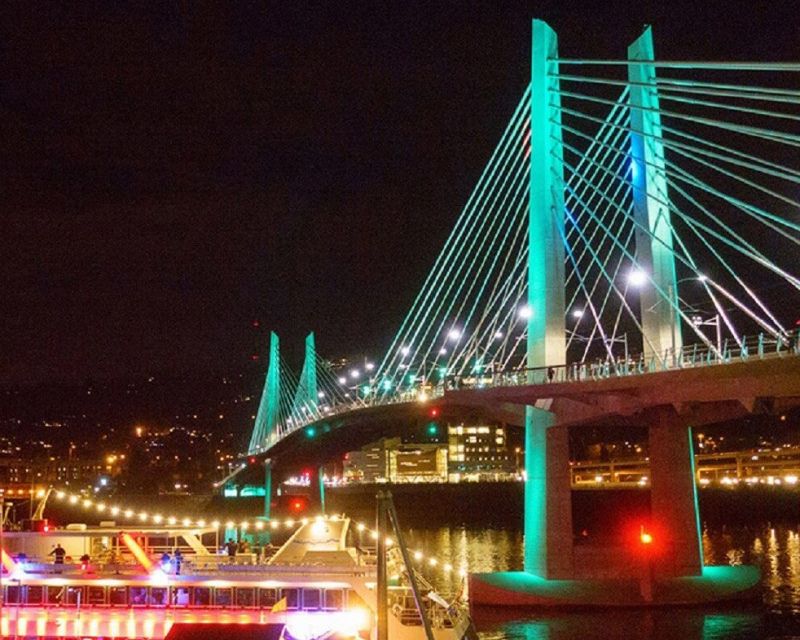
For visitors to Portland, Oregon, the bridges are more than just infrastructure; they are integral to the city’s visual identity and offer unique vantage points for experiencing its beauty.
-
Scenic Views: Walking or biking across bridges like the Hawthorne Bridge or the Burnside Bridge provides stunning panoramic views of the Portland skyline, the Willamette River, and the surrounding mountains. These are prime locations for photography and for appreciating the urban landscape from a different perspective.
-
Cultural Significance: The bridges have inspired artists, writers, and musicians, becoming symbols of Portland’s resilient spirit and its connection to its waterways. They are often featured in local art, literature, and film, contributing to the city’s unique cultural narrative.
-
Experiential Travel: Exploring Portland often involves traversing its bridges. Whether by car, bus, bike, or on foot, each crossing offers a distinct experience, from the bustling urbanity of downtown to the more tranquil, natural areas along the rivers. The city’s emphasis on cycling infrastructure makes exploring these crossings by bike a particularly rewarding way to see the sights.
In conclusion, while a precise definitive number for every single crossing is complex to establish due to varying definitions, it is clear that Portland, Oregon is a city defined by its bridges. With approximately 12 major bridges spanning the Willamette River and several more significant crossings over the Columbia River, alongside countless smaller structures, these feats of engineering are not just vital for transportation but are also iconic landmarks that contribute profoundly to the city’s charm, history, and identity. They are the threads that weave the urban tapestry together, connecting communities and offering breathtaking perspectives on the natural beauty and human ingenuity that characterize this Pacific Northwest gem.
LifeOutOfTheBox is a participant in the Amazon Services LLC Associates Program, an affiliate advertising program designed to provide a means for sites to earn advertising fees by advertising and linking to Amazon.com. Amazon, the Amazon logo, AmazonSupply, and the AmazonSupply logo are trademarks of Amazon.com, Inc. or its affiliates. As an Amazon Associate we earn affiliate commissions from qualifying purchases.