
Registered nurses (RNs) in Oregon play a vital role in the state’s healthcare system, contributing to patient care across diverse settings. Understanding their earning potential is crucial for aspiring nurses, experienced professionals considering a move to the Beaver State, and healthcare organizations strategizing for recruitment and retention. This comprehensive look delves into the salary landscape for RNs in Oregon, exploring the factors that influence compensation and providing insights into where the highest and lowest salaries are typically found.
Understanding RN Salary Factors in Oregon
The salary of a Registered Nurse in Oregon is not a monolithic figure. It’s a dynamic sum influenced by a confluence of elements, ranging from individual experience and specialization to the specific geographic location within the state and the type of healthcare facility. A nuanced understanding of these determinants is key to accurately assessing earning potential.
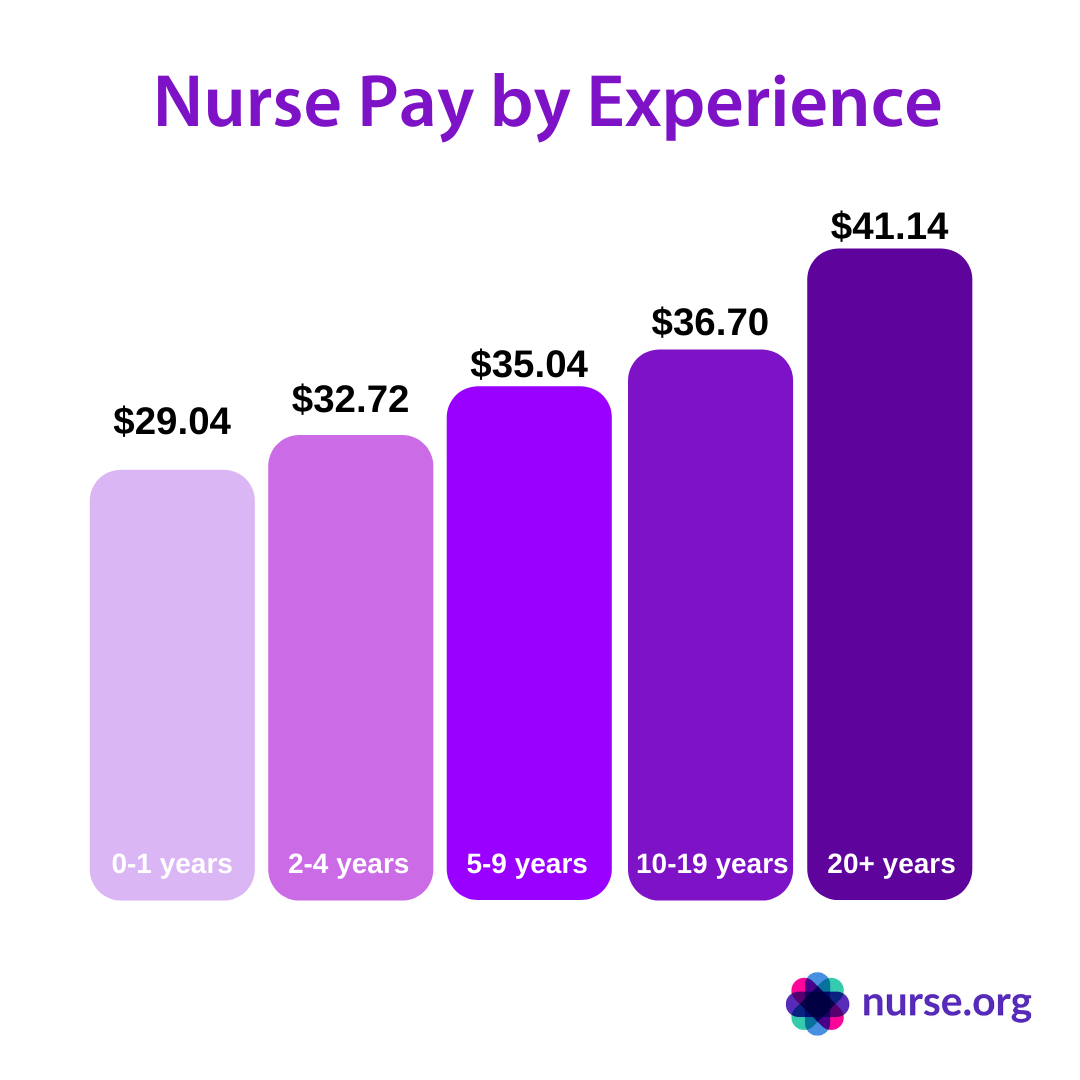
Experience Level: The Foundation of Compensation
As with many professions, experience is a significant driver of an RN’s salary. Entry-level nurses, fresh out of nursing school and obtaining their initial Oregon RN license, will generally command a lower salary than their seasoned counterparts. These foundational salaries reflect the investment in training and the initial learning curve. As RNs accrue years of practice, their responsibilities often expand, encompassing more complex patient cases, mentorship of junior staff, and potentially leadership roles. This increased expertise and demonstrated ability to handle diverse clinical challenges are directly reflected in their compensation packages.
- New Graduates/Entry-Level RNs: Typically fall at the lower end of the salary spectrum. Their focus is on honing fundamental clinical skills and adapting to the demands of patient care in a professional setting.
- Mid-Career RNs (5-10 years of experience): Can expect a substantial increase in earnings. By this stage, they have developed specialized skills, a deep understanding of various medical conditions, and a proven track record of effective patient management.
- Senior/Expert RNs (10+ years of experience): Often reach the highest salary brackets. Their extensive experience may lead to roles such as charge nurse, unit manager, clinical educator, or specialist in a particular field, all of which carry greater responsibility and higher remuneration.
Specialization and Certifications: Enhancing Earning Power
The field of nursing is vast, with numerous specialties offering unique challenges and rewards. RNs who pursue advanced certifications or specialize in high-demand areas often see a significant boost in their earning potential. These specializations require additional education, training, and a commitment to ongoing professional development, making these nurses exceptionally valuable to employers.
- Critical Care: Nurses working in intensive care units (ICUs), such as medical ICUs (MICUs), surgical ICUs (SICUs), or cardiovascular ICUs (CVICUs), often earn more due to the high-stakes nature of their work and the critical condition of their patients. Expertise in managing ventilators, advanced cardiac monitoring, and life-support systems is highly compensated.
- Emergency Department (ED): The fast-paced and unpredictable environment of the ED demands quick thinking, adaptability, and a broad range of clinical skills. ED nurses are frequently among the higher earners due to the intensity and critical nature of their patient population.
- Oncology: RNs specializing in cancer care, administering chemotherapy, and managing complex treatment protocols, often command competitive salaries. Certification in oncology nursing can further enhance their marketability and earning capacity.
- Pediatrics: While perhaps not always the absolute highest earners, pediatric nurses specializing in the care of infants, children, and adolescents, particularly in specialized units like neonatal intensive care units (NICUs) or pediatric ICUs (PICUs), are well-compensated for their specific expertise.
- Perioperative Nursing: Nurses working in operating rooms (ORs) and surgical centers, assisting surgeons and managing patient care before, during, and after procedures, are also in demand and earn competitive wages.
Beyond direct specialization, holding certifications from recognized nursing organizations (e.g., American Nurses Credentialing Center – ANCC) in areas like cardiology, wound care, or medical-surgical nursing can significantly impact an RN’s salary.
Geographic Location Within Oregon: Urban vs. Rural and Regional Demand
Oregon presents a diverse economic landscape, and this is reflected in the salary variations for RNs across its different regions. Metropolitan areas, with their higher cost of living and greater concentration of large healthcare systems, tend to offer more lucrative compensation packages. Conversely, rural areas may offer slightly lower base salaries but can sometimes provide additional benefits or incentives to attract and retain nursing staff.
- Major Metropolitan Areas: Cities like Portland, Salem, and Eugene are home to numerous hospitals, specialized clinics, and large healthcare networks. The demand for skilled RNs in these urban centers is consistently high, driving up average salaries. Competition among employers to attract top talent can also lead to more competitive offers.
- Suburban and Mid-Sized Cities: Areas surrounding the major metropolitan hubs often present a balance between cost of living and earning potential. RNs in cities like Beaverton or Gresham may find salaries slightly lower than in downtown Portland, but potentially with a more manageable cost of living.
- Rural and Remote Areas: While RNs in more remote parts of Oregon, such as the Oregon coast or eastern Oregon, might see lower average base salaries, they often benefit from a critical need for healthcare professionals. Employers in these regions may offer signing bonuses, relocation assistance, or higher overtime pay to compensate for the geographic isolation.
Type of Healthcare Facility: Public vs. Private, Hospital vs. Clinic
The type of healthcare facility where an RN is employed is another significant determinant of their salary. Different facilities have varying financial structures, patient volumes, and operational needs, all of which influence compensation.
- Hospitals: Large, acute care hospitals, whether they are part of a major health system (like OHSU Health or Providence Health & Services), community hospitals, or specialized medical centers, typically offer the highest salaries and comprehensive benefits packages. The complexity of patient care, 24/7 operations, and the need for diverse specializations contribute to higher compensation.
- Outpatient Clinics and Doctor’s Offices: RNs working in smaller clinics or private physician practices may earn slightly less than their hospital-based counterparts. However, these roles often offer more predictable schedules and a different pace of work.
- Long-Term Care Facilities and Skilled Nursing Facilities: Salaries in nursing homes and skilled nursing facilities can vary. While essential for patient care, these settings may sometimes offer lower compensation compared to acute care hospitals, though this can be offset by potentially higher demand and a more stable work environment for some.
- Government and Public Health Agencies: RNs employed by state or local government health departments or federal facilities may have salaries dictated by public pay scales, which can be competitive but might differ from private sector offerings.
- Travel Nursing Agencies: While not a permanent facility type, travel nurses often negotiate contracts that can result in very high gross earnings, though these figures need to be considered alongside living expenses and the transient nature of the work.
Average RN Salaries in Oregon: A Closer Look
While pinpointing an exact average salary is challenging due to the multitude of influencing factors, various sources provide reliable estimates for RN earnings in Oregon. These figures offer a valuable benchmark for understanding the typical compensation landscape.
National Averages vs. Oregon’s Standing
It’s important to contextualize Oregon’s RN salaries within the national picture. Generally, Oregon ranks among the states that offer competitive salaries for Registered Nurses, often above the national average. This reflects the state’s robust healthcare industry, its progressive approach to healthcare, and the cost of living, particularly in its urban centers.

According to data compiled from various reputable salary aggregators, the average annual salary for a Registered Nurse in Oregon typically ranges from approximately $75,000 to over $100,000. This broad range underscores the impact of the factors previously discussed.
Salary Variations by City and Region
Within Oregon, specific cities and regions tend to show distinct salary trends. As mentioned, urban centers generally lead in compensation.
- Portland Metropolitan Area: Often cited as having the highest average RN salaries in Oregon. This is driven by the concentration of major hospitals, research institutions like Oregon Health & Science University (OHSU), and a high demand for specialized nursing skills. RNs in Portland can expect to earn at the upper end of the state’s salary range, with many experienced nurses in specialized roles exceeding $90,000 or $100,000 annually.
- Salem and the Willamette Valley: The state capital, Salem, and other cities in the Willamette Valley such as Corvallis and Albany, also offer competitive salaries, though they may be slightly lower than those in Portland. The presence of significant healthcare providers in these areas ensures a steady demand for RNs.
- Southern Oregon (Medford, Ashland): Cities in Southern Oregon like Medford often present solid earning opportunities, with salaries generally aligning with the statewide average or slightly above, depending on the specific facility and demand.
- Coastal and Eastern Oregon: RNs in more geographically dispersed areas like the Oregon coast or eastern parts of the state might see average salaries that are somewhat lower than in the major urban centers. However, incentives and the critical need for their services can make these positions financially attractive.
Hourly Rates and Overtime Potential
While annual salaries provide a broad overview, many RNs are paid on an hourly basis. This is particularly common in hospital settings where shift work and fluctuating patient census can lead to varied weekly hours. The average hourly rate for an RN in Oregon often falls between $35 and $50 per hour, depending on the aforementioned influencing factors.
Overtime is a significant factor that can boost an RN’s take-home pay. Many Oregon healthcare facilities offer overtime pay at 1.5 times the regular hourly rate for hours worked beyond a standard workweek (typically 40 hours). For RNs who consistently work overtime, or for those in demanding specialties that frequently require extra shifts, their annual earnings can significantly exceed the average base salary. This also applies to nurses who take on additional shifts through internal staffing pools or external agency work.
Maximizing Your Earning Potential as an RN in Oregon
For Registered Nurses looking to maximize their income in Oregon, a strategic approach focusing on specialization, continuous education, and understanding the job market is paramount.
Investing in Advanced Education and Certifications
As highlighted, specialized skills and certifications are powerful levers for increasing earning potential. RNs should consider pursuing advanced degrees, such as a Master of Science in Nursing (MSN) for roles in nursing education, administration, or as a Nurse Practitioner (NP), or a Doctor of Nursing Practice (DNP) for advanced clinical leadership and research.
Obtaining certifications in high-demand areas like critical care (e.g., CCRN), emergency nursing (e.g., CEN), oncology (e.g., OCN), or even specific equipment certifications can make an RN a more attractive candidate and justify higher salary requests. Many employers offer tuition reimbursement or pay differentials for RNs holding relevant certifications.
Negotiating Your Salary Effectively
Salary negotiation is a critical skill for any professional, and RNs in Oregon should not shy away from it. Before accepting a job offer, it’s essential to research salary benchmarks for similar roles in that specific geographic area and facility type. Understanding your worth based on your experience, skills, and any specialized certifications is key.
When negotiating, focus on the value you bring to the organization. Highlight your achievements, your ability to handle complex patient care, and any contributions you’ve made to improving patient outcomes or operational efficiency in previous roles. Don’t be afraid to ask for what you believe you are worth, and be prepared to discuss not just base salary but also benefits, signing bonuses, relocation assistance, and opportunities for professional development.
Exploring Diverse Nursing Roles and Settings
The nursing profession offers a wide array of opportunities beyond traditional bedside care. RNs in Oregon can explore careers in:
- Informatics: Working with healthcare technology and electronic health records (EHRs).
- Case Management: Coordinating patient care across different settings to ensure efficiency and optimal outcomes.
- Public Health: Working with communities to promote wellness and disease prevention.
- Legal Nurse Consulting: Providing expert opinions in legal cases involving healthcare.
- Research: Participating in clinical trials and healthcare research initiatives.
Each of these roles, while requiring different skill sets, can offer competitive compensation and unique career trajectories.

The Role of Travel Nursing in Oregon
For RNs seeking the highest earning potential, particularly for short-term assignments, travel nursing in Oregon can be exceptionally lucrative. Travel nurses are typically contracted for temporary positions in hospitals or facilities facing staffing shortages. Their compensation packages often include a combination of hourly wages, housing stipends, meal allowances, and completion bonuses. While requiring adaptability and a willingness to relocate for contract periods, travel nursing can lead to significantly higher gross incomes compared to permanent staff positions, especially in high-demand specialties and locations.
Ultimately, the earning potential for Registered Nurses in Oregon is robust and offers significant opportunities for financial growth. By understanding the market, investing in professional development, and strategically navigating career choices, RNs can build a rewarding and well-compensated career in the diverse and dynamic healthcare landscape of the Beaver State.
LifeOutOfTheBox is a participant in the Amazon Services LLC Associates Program, an affiliate advertising program designed to provide a means for sites to earn advertising fees by advertising and linking to Amazon.com. Amazon, the Amazon logo, AmazonSupply, and the AmazonSupply logo are trademarks of Amazon.com, Inc. or its affiliates. As an Amazon Associate we earn affiliate commissions from qualifying purchases.