
Navigating the administrative aspects of vehicle ownership is a fundamental part of life, especially when planning a trip or a move to a new locale. For those considering an extended stay or a scenic road trip through the Beaver State, understanding the cost and process of vehicle registration in Oregon is paramount. This guide delves into the intricacies of car registration fees in Oregon, breaking down the factors that influence the final cost and providing a comprehensive overview for travelers and new residents alike.
Understanding Oregon’s Vehicle Registration Fees
Oregon distinguishes itself by being one of a handful of states that does not impose a general sales tax. This can be an attractive feature for many. However, this tax structure influences how the state generates revenue, and consequently, how vehicle registration fees are calculated. Unlike states that rely heavily on sales tax for vehicle purchases, Oregon’s registration fees are designed to contribute more directly to road maintenance, infrastructure improvements, and public safety initiatives.

The Oregon Department of Transportation (ODOT) oversees the vehicle registration process through the Oregon Driver and Motor Vehicle Services (DMV). The fees associated with registration are not a one-size-fits-all figure; they are determined by a combination of factors, primarily the type of vehicle, its weight, and potentially its age or fuel type.
Key Components of Registration Fees
When you register a vehicle in Oregon, several distinct fees typically contribute to the total cost. Understanding these individual components can help demystify the final bill.
Base Registration Fee
This is the foundational fee charged for registering any passenger vehicle. The amount is generally standardized for standard passenger cars and light trucks. It covers the basic administrative costs of processing your registration and issuing your license plates and stickers.
Weight-Based Fees
For larger vehicles, such as trucks and RVs, weight becomes a significant factor in determining registration costs. Heavier vehicles naturally place more wear and tear on the roadways, and therefore, Oregon levies higher fees to account for this increased impact. The fee structure is tiered, with progressively higher charges as the vehicle’s gross vehicle weight (GVW) increases. This ensures that those using the roads more intensively contribute proportionally more to their upkeep.
Plate Fees
Oregon offers a variety of license plate designs, and some specialized plates come with an additional fee. Standard plates are usually included in the base registration cost. However, if you opt for a commemorative plate, a plate supporting a specific cause (like wildlife conservation or veterans’ programs), or a personalized plate, you can expect an extra charge. These fees often go towards the organizations or initiatives the plates represent.
Program Fees and Taxes
Beyond the direct registration fees, Oregon may include other state-mandated charges. These can include:
- County-Based Fees: Some counties in Oregon may impose small, local fees to support local road improvements or public safety programs. These are typically modest but can vary from one county to another.
- State Parks and Recreation Pass: In some instances, a portion of the registration fee might contribute to state parks, allowing for the continued maintenance and accessibility of Oregon’s natural beauty.
- Pollution Control Fees: While Oregon has phased out emissions testing for most vehicles, there might be residual fees or specific regulations for certain types of vehicles that have historically contributed to pollution control efforts.
Biennial vs. Annual Registration
It’s important to note that most vehicle registrations in Oregon are biennial, meaning they are valid for two years. This contrasts with some states where annual registration is the norm. Therefore, when you see the registration cost, it typically represents the total for two years of legal operation on Oregon’s roads.
Factors Influencing Your Specific Registration Cost
While the fee structure provides a framework, several individual characteristics of your vehicle and your situation will determine the exact amount you pay.
Vehicle Type and Class
The most significant determinant of your registration cost is the type of vehicle you own.
- Passenger Cars and Light Trucks: These generally fall into the lowest fee categories. The base registration fee will apply, with potential minor additions depending on other factors.
- Motorcycles: Motorcycles typically have their own distinct fee schedule, often lower than passenger cars.
- Recreational Vehicles (RVs) and Motorhomes: These vehicles, due to their size and weight, incur higher registration fees. The weight class is a critical factor here.
- Trailers: The registration fee for trailers also depends on their weight and intended use. Small utility trailers usually have lower fees than larger, commercial-grade trailers.
- Commercial Vehicles: Vehicles used for business purposes, especially those with high GVWs, will have significantly higher registration fees. These are often calculated based on complex weight and mileage formulas.
Vehicle Weight
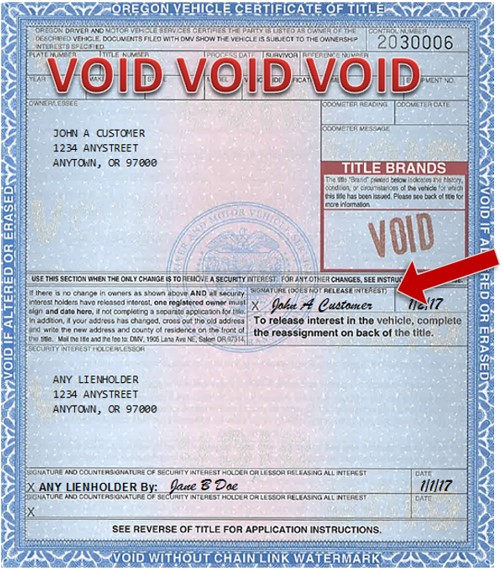
As mentioned, for heavier vehicles, weight is a primary cost driver. The Oregon DMV provides detailed weight classes, and your vehicle’s GVW will place it into a specific bracket, dictating a corresponding fee. You can usually find your vehicle’s GVW on the driver’s side doorjamb, in the owner’s manual, or on the vehicle’s title.
Vehicle Age and Fuel Type (Less Common Determinants)
While not as universally applied as weight, in some instances, vehicle age or fuel type might influence fees. For example, older vehicles might have different fee structures, or vehicles that fall under specific environmental classifications could see slight variations. However, for most standard registrations, these are less prominent factors than vehicle type and weight.
Plate Selection
Choosing a non-standard license plate can add to the cost. This could be a special interest plate, a historical plate, or a personalized plate. The additional charge for these often ranges from $10 to $50 or more, and it’s usually a one-time or biennial fee on top of the standard registration cost.
New Resident Registration
If you are moving to Oregon with your vehicle, you will need to register it with the Oregon DMV within a specific timeframe (typically 30 days of establishing residency). The process for new residents involves titling and registering your vehicle. You will need proof of ownership, identification, and potentially a vehicle inspection (though this is less common in Oregon than in many other states). The fees will be calculated based on your vehicle’s specifications as outlined above, and you may also need to pay any outstanding taxes or fees if you are transferring a title from another state.
Estimating Your Oregon Car Registration Costs
Given the variable nature of these factors, providing an exact dollar amount for every vehicle is impossible without specific details. However, we can provide estimated ranges to help you plan.
Estimated Ranges for Common Vehicle Types
- Passenger Cars and Light Trucks (Under 8,000 lbs GVW): For a biennial registration, expect to pay in the range of $100 to $200. This includes the base registration fee, program fees, and potentially a standard plate fee.
- Motorcycles: Registration fees for motorcycles are typically lower, often in the range of $70 to $120 biennially.
- Larger Trucks and RVs (Over 8,000 lbs GVW): The cost here can vary significantly based on weight. Fees can range from $150 to $500 or more biennially, with very heavy vehicles potentially exceeding this range.
- Trailers: Small utility trailers might cost $50 to $100 biennially, while larger or heavier trailers will incur higher fees.
Important Note: These are estimations for biennial registration.
Where to Find Precise Information
For the most accurate and up-to-date information regarding your specific vehicle’s registration cost, the best resource is the official Oregon DMV website. They provide online tools and fee calculators that can help you determine the exact amount you will need to pay. You can also visit a local DMV office or call their customer service line.
The Registration Process in Oregon
Understanding the costs is only one part of the equation. The process itself is straightforward, especially for residents.
For New Oregon Residents
- Gather Required Documents: You’ll need proof of ownership (your vehicle’s title), proof of insurance that meets Oregon’s minimum requirements, and a valid form of identification.
- Complete Application Forms: Obtain and fill out the necessary application for title and registration.
- Vehicle Inspection (if applicable): While not a regular requirement for most vehicles, certain circumstances might necessitate an inspection. Check with the DMV.
- Pay Fees: Be prepared to pay the registration fees, title fees, and any applicable taxes or other charges.
- Obtain Plates and Stickers: Once your registration is complete, you will receive your new Oregon license plates and registration stickers.
For Existing Oregon Residents
When your biennial registration is due, you will typically receive a renewal notice in the mail or via email from the Oregon DMV.
- Review Renewal Notice: This notice will detail your current registration status and the amount due.
- Renew Online, By Mail, or In Person: Oregon offers several convenient renewal options.
- Online: The DMV’s website allows for quick and easy online renewals.
- By Mail: You can mail your payment and completed renewal form to the address provided.
- In Person: Visit any Oregon DMV office to complete the process.
- Pay Fees: Submit the required payment.
- Receive New Decals: Upon successful renewal, you will be mailed new registration decals to affix to your license plates.

The Importance of Vehicle Registration
Registering your vehicle in Oregon is not just an administrative hurdle; it’s a legal requirement that serves several crucial purposes:
- Legality: Operating an unregistered vehicle on public roads is illegal and can result in fines, impoundment, and other penalties.
- Public Safety: Registration helps ensure that vehicles operating on the roads meet basic safety standards (though less rigorous than in some states) and that drivers are identified in case of incidents.
- Funding Infrastructure: The fees collected from registration are vital for the maintenance and improvement of Oregon’s roads, bridges, and transportation networks, benefiting all users, including tourists visiting attractions like the Crater Lake National Park or the Oregon Coast.
- Accountability: Registration links a vehicle to its owner, which is essential for law enforcement, accident investigations, and tracking stolen vehicles.
For anyone planning to spend time exploring the diverse landscapes of Oregon, from the vibrant city of Portland to the rugged beauty of the Columbia River Gorge, ensuring your vehicle is properly registered is a fundamental step in a smooth and enjoyable journey. Understanding the fees and processes involved will allow you to budget effectively and avoid any unexpected complications, letting you focus on the experiences this beautiful state has to offer.
LifeOutOfTheBox is a participant in the Amazon Services LLC Associates Program, an affiliate advertising program designed to provide a means for sites to earn advertising fees by advertising and linking to Amazon.com. Amazon, the Amazon logo, AmazonSupply, and the AmazonSupply logo are trademarks of Amazon.com, Inc. or its affiliates. As an Amazon Associate we earn affiliate commissions from qualifying purchases.