
Navigating the difficult process of confirming a death, especially when it involves an individual in another state like Oregon, requires a structured and sensitive approach. While the primary motivation behind such an inquiry is often to gain closure, settle estates, or make necessary arrangements, the methods for obtaining this information are primarily rooted in official records and established procedures. This guide will explore the authoritative avenues available to ascertain if an individual has passed away in Oregon, focusing on official channels and considerations that respect privacy and legal protocols.
Official Channels for Death Verification
The most reliable and legally sound methods for confirming a death in Oregon involve accessing official records maintained by government agencies. These entities are responsible for documenting vital statistics, including births, marriages, and deaths. Accessing these records typically follows specific protocols and may require proof of a legitimate interest, such as being a next of kin or an executor of an estate.
Vital Records Offices
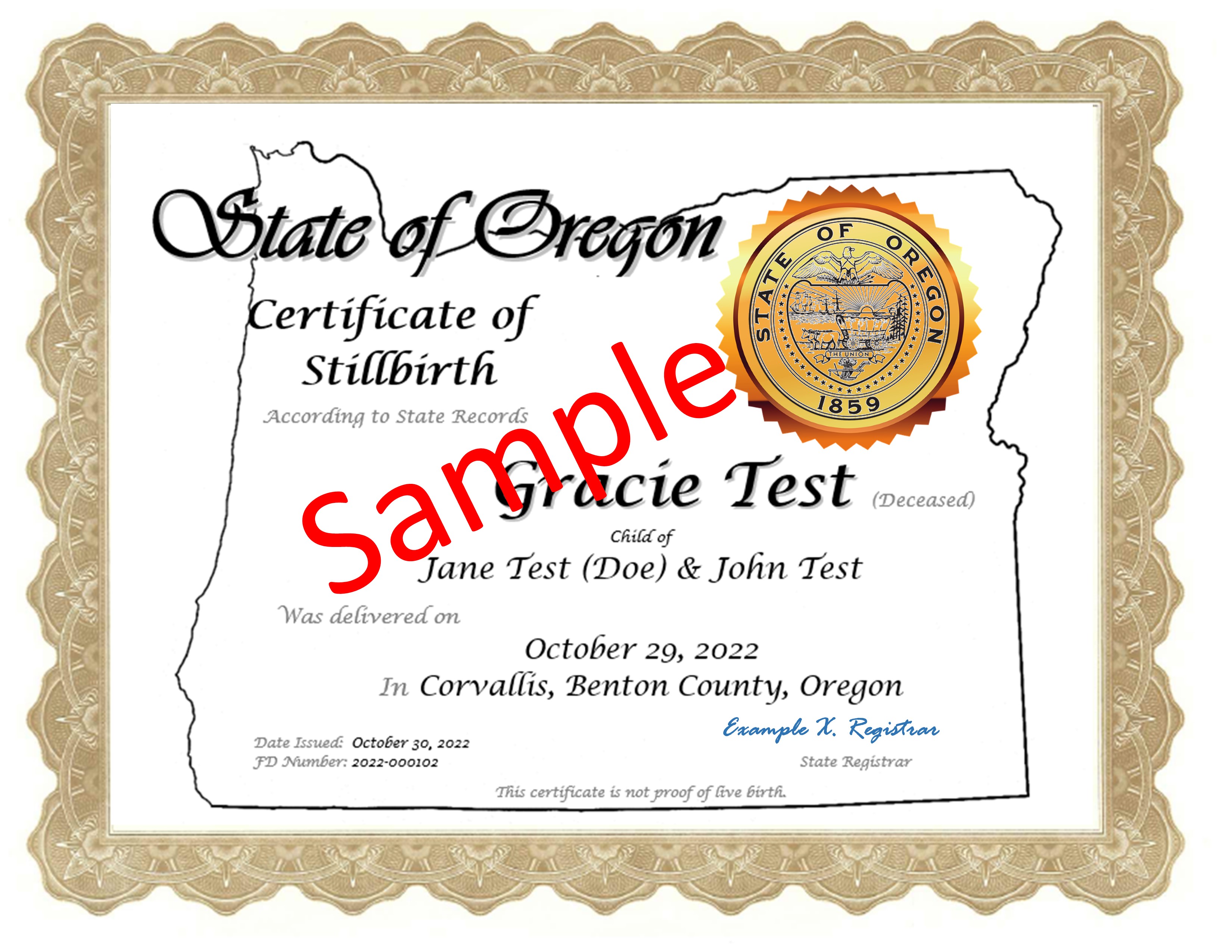
The Oregon State Vital Records office is the central repository for death certificates. A death certificate is a legal document that records essential information about the deceased, including their name, date of death, place of death, and cause of death.
Obtaining a Death Certificate
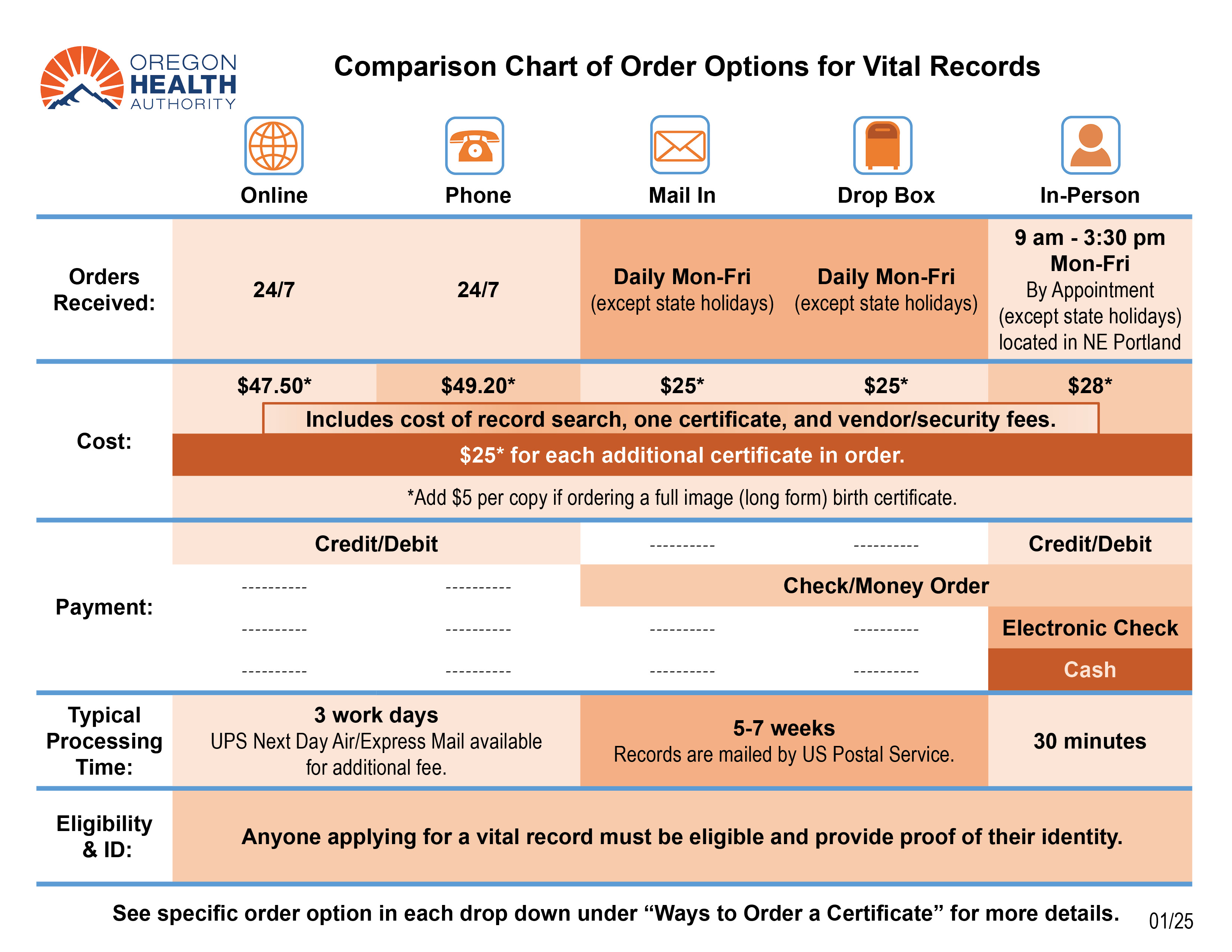
To obtain a death certificate, you will generally need to submit a formal request to the Oregon State Vital Records office. This request usually involves:
- Completing an Application: A standardized application form will need to be filled out with as much information as possible about the deceased. This includes their full name, date of birth (if known), and the approximate date or year of death. The more details provided, the easier it will be for the office to locate the record.
- Providing Proof of Identity: As a measure to protect privacy, applicants are typically required to provide identification to prove their eligibility to access such sensitive records. This could include a driver’s license or passport.
- Establishing Relationship or Legal Interest: You will need to demonstrate your relationship to the deceased or your legal right to access the record. For immediate family members (spouse, parents, children), this is usually straightforward. For others, such as siblings, distant relatives, or legal representatives, additional documentation (like a power of attorney or letters testamentary) might be necessary.
- Paying a Fee: There is usually a fee associated with obtaining certified copies of death certificates. The amount can vary, and it’s advisable to check the current fee schedule on the Oregon State Vital Records website.
The process can take several weeks, depending on the volume of requests and the thoroughness of the information provided. In some cases, if the death occurred recently, it may take time for the record to be officially processed and available.
County Health Departments
While the state office holds the primary records, county health departments in Oregon also play a role in vital records. For deaths occurring within a specific county, the local county health department may be able to provide assistance or direct you to the correct procedure. This can be particularly useful if you know the county where the death is believed to have occurred but have limited information otherwise. Their role often involves local registration and initial processing of death certificates before they are forwarded to the state.
Funeral Homes and Mortuaries
Funeral homes and mortuaries are central to the process of registering a death and obtaining a death certificate. If you suspect someone has died and funeral arrangements are being made, contacting funeral homes in the area where the individual lived or where the death is presumed to have occurred can be a direct route to confirmation.
Working with Funeral Homes
When a death occurs, the funeral home is typically contacted by the family or medical professionals. They will then begin the process of preparing the deceased, coordinating with the family, and filing the necessary paperwork, including the death certificate.
- Direct Inquiry: If you have a reasonable belief that a specific funeral home is handling arrangements for the individual in question, you can contact them directly. Be prepared to provide the deceased’s name and any other identifying details. They will likely require you to identify yourself and your relationship to the deceased.
- Confidentiality: Funeral homes operate under strict confidentiality guidelines. They will likely only confirm information to individuals who are authorized to receive it, such as immediate family members or those with legal authority. This is to protect the privacy of the deceased and their family.
While funeral homes are excellent resources for confirming arrangements and obtaining death certificates, they are not public record repositories in the same way as government vital records offices. Their primary function is service provision.
Other Avenues for Information
Beyond official government channels, other avenues can sometimes yield information, though they are generally less definitive and should be treated with caution and discernment. These methods are often supplementary and should not replace the verification through official records.
Obituary and Death Notices
Newspapers and online platforms frequently publish obituaries and death notices. These announcements serve as a public notification of a death and often include details about the deceased, funeral services, and surviving family members.
Locating Obituaries
- Local Newspapers: If you know the city or town where the individual resided, checking the websites or archives of local newspapers can be effective. Many Oregon newspapers have online archives, some of which may be searchable.
- Online Obituary Websites: Numerous websites aggregate obituaries from across the country. Websites like Legacy.com, or dedicated obituary sections of local news outlets, can be useful search tools.
- Funeral Home Websites: Many funeral homes now host obituaries on their own websites, often with options for online condolences.
It’s important to note that the publication of an obituary is typically at the discretion of the family and is not a mandatory or official record of death. However, it is a strong indicator and often a starting point for further investigation.
Social Media and Online Searches
In the digital age, social media platforms and general online searches can sometimes provide information. However, these sources are inherently unreliable for official confirmation.
Using Online Tools Responsibly
- Social Media: Friends or family members might post announcements of a death on platforms like Facebook. These posts can offer clues but are not a substitute for official verification.
- General Web Search: A simple search engine query using the person’s name and terms like “died” or “obituary” might yield results from news articles, social media, or unofficial family pages.
It is crucial to exercise extreme caution when relying on social media or general web searches. Information can be outdated, inaccurate, or intentionally misleading. Always cross-reference any information found through these channels with official sources.
Legal and Estate Matters
If you are involved in legal proceedings or estate settlement, legal professionals can often assist in confirming a death.
The Role of Attorneys and Executors
- Probate Courts: If an estate is going through probate, the court records will ultimately reflect the official death of the individual. An attorney handling the estate will be required to obtain a certified death certificate.
- Estate Executors: If you are the executor of an estate, you will be responsible for gathering official documentation, including the death certificate, to proceed with estate administration. This process itself necessitates official confirmation.
Considerations and Best Practices
When seeking to confirm a death, it is vital to approach the process with sensitivity, respect for privacy, and an understanding of the legal frameworks involved.
Privacy and Sensitivity
The passing of an individual is a deeply personal and often painful event for their loved ones. Any inquiry should be conducted with utmost discretion and empathy. Avoid intrusive methods or discussions that could cause distress to grieving family members.
Legal Eligibility and Purpose
Understand that access to official death records is often restricted to individuals with a legitimate need or legal relationship to the deceased. Government agencies are mandated to protect personal information, and unauthorized requests will be denied. Common reasons for legitimate access include:
- Next of kin (spouse, parents, children, siblings)
- Legal representatives (attorneys)
- Executors or administrators of an estate
- Individuals with a direct and tangible interest, which may require justification.
Accuracy and Reliability
Always prioritize official sources such as death certificates from the Oregon State Vital Records office or county health departments. While other methods like obituaries can be helpful indicators, they are not legally definitive. Inaccurate information can lead to misunderstandings and unnecessary emotional distress.
Patience and Persistence
Confirming a death, particularly if you have limited information or the individual lived in a different jurisdiction, can sometimes be a lengthy process. Be prepared for potential delays and ensure that you have provided all necessary information and documentation to the relevant authorities or institutions. Persistence, coupled with accuracy in your requests, is key to a successful outcome.
LifeOutOfTheBox is a participant in the Amazon Services LLC Associates Program, an affiliate advertising program designed to provide a means for sites to earn advertising fees by advertising and linking to Amazon.com. Amazon, the Amazon logo, AmazonSupply, and the AmazonSupply logo are trademarks of Amazon.com, Inc. or its affiliates. As an Amazon Associate we earn affiliate commissions from qualifying purchases.