
Unveiling the Edibility and Culinary Potential of Mahonia aquifolium
The question of whether the Oregon grape is edible is one that often arises for those exploring the natural landscapes of the Pacific Northwest. Known botanically as Mahonia aquifolium, this evergreen shrub is a common sight, its glossy, holly-like leaves and vibrant yellow flowers adding a splash of color to forests, gardens, and roadsides. Beyond its ornamental appeal and ecological significance, the Oregon grape holds a rich history of traditional use, particularly among Indigenous peoples, who utilized its various parts for sustenance and medicinal purposes. As interest in foraging and local food sources grows, understanding the edibility of plants like the Oregon grape becomes increasingly relevant for travelers and locals alike. This exploration delves into the edibility of its fruits and other parts, offering insights into preparation, potential uses, and crucial safety considerations.

The Fruit: A Tart Berry with Historical Significance
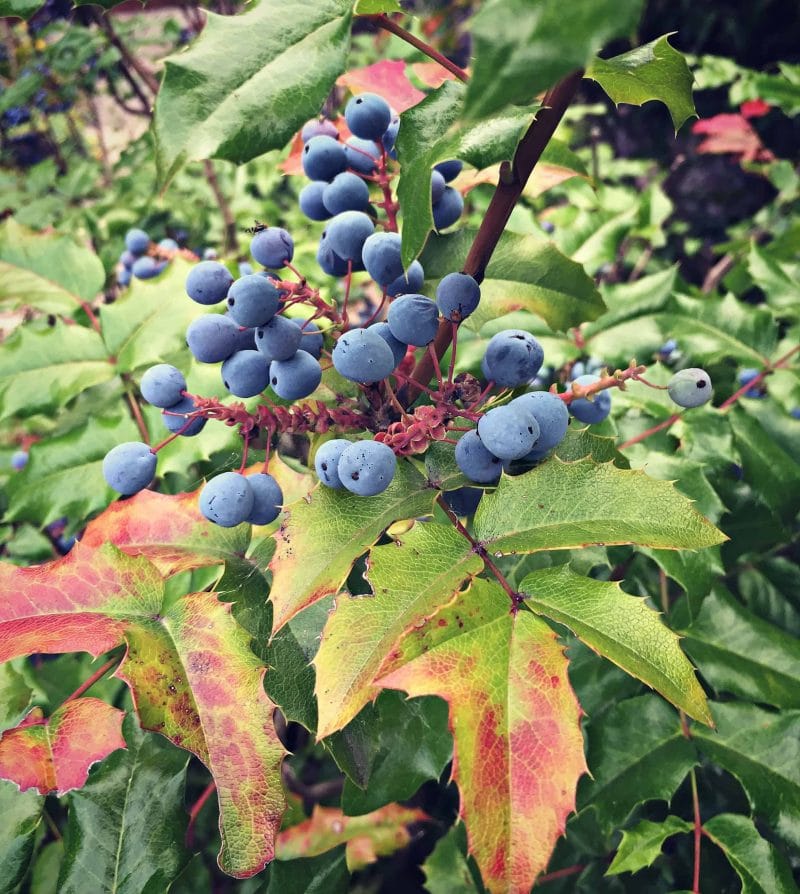
The most commonly consumed part of the Oregon grape is its fruit, which develops from the bright yellow flowers in late summer and autumn. These berries are typically a deep blue to purplish-black when ripe, often covered in a powdery bloom, resembling blueberries in shape and size, though generally smaller. Their appearance, however, belies a significantly different flavor profile.
Flavor Profile and Taste Experience
Oregon grape berries are renowned for their intensely tart, almost sour flavor. This pronounced acidity is a defining characteristic, making them less appealing for raw consumption by most palates. Early settlers and Indigenous communities often found them too astringent to eat directly. However, this tartness is precisely what lends itself to culinary transformation. When properly prepared, the berries can yield delicious jams, jellies, syrups, and wines. The high pectin content in the berries also aids in jelly-making, allowing them to set beautifully.
Traditional Uses and Preparation Methods
Historically, Indigenous tribes of the Pacific Northwest, such as the Chinook and Salish peoples, recognized the value of Oregon grape berries. They employed various methods to make them palatable and preserve them. These often involved:
- Drying: Berries were dried to concentrate their sugars and reduce their tartness, making them suitable for storage and later use.
- Cooking: Prolonged cooking, often in combination with other, sweeter berries like salmonberries or huckleberries, helped to mellow the sourness.
- Sweetening: Honey or other natural sweeteners were sometimes added to counteract the acidity.
- Juicing: The juice was extracted and used as a flavoring agent or base for beverages.
Modern culinary applications mirror these traditional methods. Boiling the berries with sugar and water is a common starting point for jams and jellies. The resulting products offer a unique, tangy flavor that can be a delightful contrast to sweeter desserts. Some adventurous cooks also experiment with Oregon grape berry wine, which, when fermented correctly, can produce a robust, albeit tart, beverage.
Beyond the Berry: Exploring Other Plant Parts
While the fruit garners the most attention regarding edibility, other parts of the Oregon grape plant have also been historically utilized, primarily for medicinal purposes rather than direct consumption. It is crucial to distinguish between edible and medicinal uses, as a plant part can be beneficial when taken in small doses for specific ailments but harmful if consumed in larger quantities.
Roots and Stems: Medicinal Properties and Cautions
The roots and stems of the Oregon grape are rich in berberine, a bioactive alkaloid compound. Berberine is known for its potent antimicrobial, anti-inflammatory, and antioxidant properties. Traditionally, these parts of the plant were used to treat a range of ailments, including skin conditions, digestive issues, and infections. A decoction or tincture made from the roots was often employed.
However, it is paramount to emphasize that the roots and stems are not considered edible in the same way the fruit is. Their high concentration of berberine can cause gastrointestinal distress, including nausea, vomiting, and diarrhea, if ingested in significant amounts. Therefore, any use of the roots and stems should be approached with extreme caution and ideally under the guidance of a qualified herbalist or healthcare professional. Self-medication without proper knowledge can be dangerous.
Leaves: Toxicity and Avoidance

The leaves of the Oregon grape, with their characteristic spiny margins resembling those of the European Holly (hence the common name “holly-leaved barberry”), are generally not considered edible. While they possess some medicinal properties, similar to the roots and stems due to the presence of berberine, their primary value lies in their traditional therapeutic applications, not as a food source. Ingesting the leaves in substantial quantities can lead to adverse effects, mirroring those of consuming the roots and stems. Foraging for food should strictly focus on parts of the plant known to be safe for consumption.
Safety First: Identification and Preparation Guidelines
When considering foraging for Oregon grape berries, or any wild edible for that matter, safety and accurate identification are paramount. Misidentification can lead to the consumption of toxic plants, with potentially severe consequences.
Accurate Identification is Crucial
- Observe the Plant: Familiarize yourself with the distinctive features of Mahonia aquifolium: its glossy, evergreen, spiny leaves, its clusters of bright yellow flowers in spring, and its grapelike clusters of blue-black berries in late summer and fall.
- Habitat: Oregon grape is widespread in forests, woodlands, and chaparral habitats across the Pacific Northwest, including Oregon, Washington, and British Columbia.
- Distinguish from Similar Plants: While the berries are somewhat distinctive, it’s always wise to be absolutely certain of identification. If in doubt, do not consume.
Proper Harvesting and Preparation Techniques
Once identified with certainty, harvesting and preparation require careful attention to detail to ensure safety and maximize flavor.
- Timing: Harvest berries when they are fully ripe, indicated by their deep blue-black color and slight softness. Unripe berries will be much more tart and less palatable.
- Washing: Thoroughly wash all harvested berries in cool water to remove any dirt, insects, or debris.
- Cooking is Key: As mentioned, the tartness of Oregon grape berries is best managed through cooking. Boiling them with water for at least 10-15 minutes helps to break them down and reduce their acidity.
- Straining: For jellies and juices, straining the cooked berries through a cheesecloth or fine-mesh sieve is essential to remove skins and seeds, resulting in a smoother texture.
- Sweetening: Add sweeteners (sugar, honey, or maple syrup) to taste during the cooking process to balance the natural tartness.
- Moderation: Even when prepared, consume Oregon grape products in moderation, especially if you have a sensitive digestive system, as they can still have a laxative effect for some individuals.
Culinary Applications and Modern Appeal
The unique flavor of Oregon grape berries opens up a range of exciting culinary possibilities, appealing to those who appreciate distinct and adventurous tastes. Their tartness provides a sophisticated counterpoint to sweetness, making them a versatile ingredient.
Jams, Jellies, and Syrups
This is perhaps the most classic and accessible application for Oregon grape berries. A well-made Oregon grape jelly boasts a beautiful jewel-like color and a complex sweet-tart flavor that is excellent on toast, scones, or as a glaze for roasted meats. Oregon grape syrup can be drizzled over pancakes, waffles, or ice cream, offering a vibrant burst of flavor.
Wines and Vinegars
Fermenting Oregon grape berries can result in a distinctive wine, often with earthy notes and a lingering tart finish. The process requires careful attention to sanitation and fermentation parameters. Similarly, Oregon grape vinegar can be produced, offering a unique acidic base for salad dressings or marinades.
Flavoring Agent
The concentrated juice or a reduced syrup can be used in small quantities to add a unique tang to baked goods, cocktails, or even savory dishes. It can provide an unexpected depth of flavor, elevating familiar recipes.
Foraging and Local Food Movements
The Oregon grape is a prime example of a readily available wild food source in the Pacific Northwest. As the interest in foraging, farm-to-table dining, and understanding local ecosystems grows, plants like the Oregon grape are gaining renewed appreciation. They represent a connection to the natural environment and a taste of regional heritage, offering a culinary adventure for those willing to explore and learn. Embracing the edibility of such plants allows for a deeper engagement with the local landscape, transforming a common shrub into a source of unique flavors and traditions.
LifeOutOfTheBox is a participant in the Amazon Services LLC Associates Program, an affiliate advertising program designed to provide a means for sites to earn advertising fees by advertising and linking to Amazon.com. Amazon, the Amazon logo, AmazonSupply, and the AmazonSupply logo are trademarks of Amazon.com, Inc. or its affiliates. As an Amazon Associate we earn affiliate commissions from qualifying purchases.