
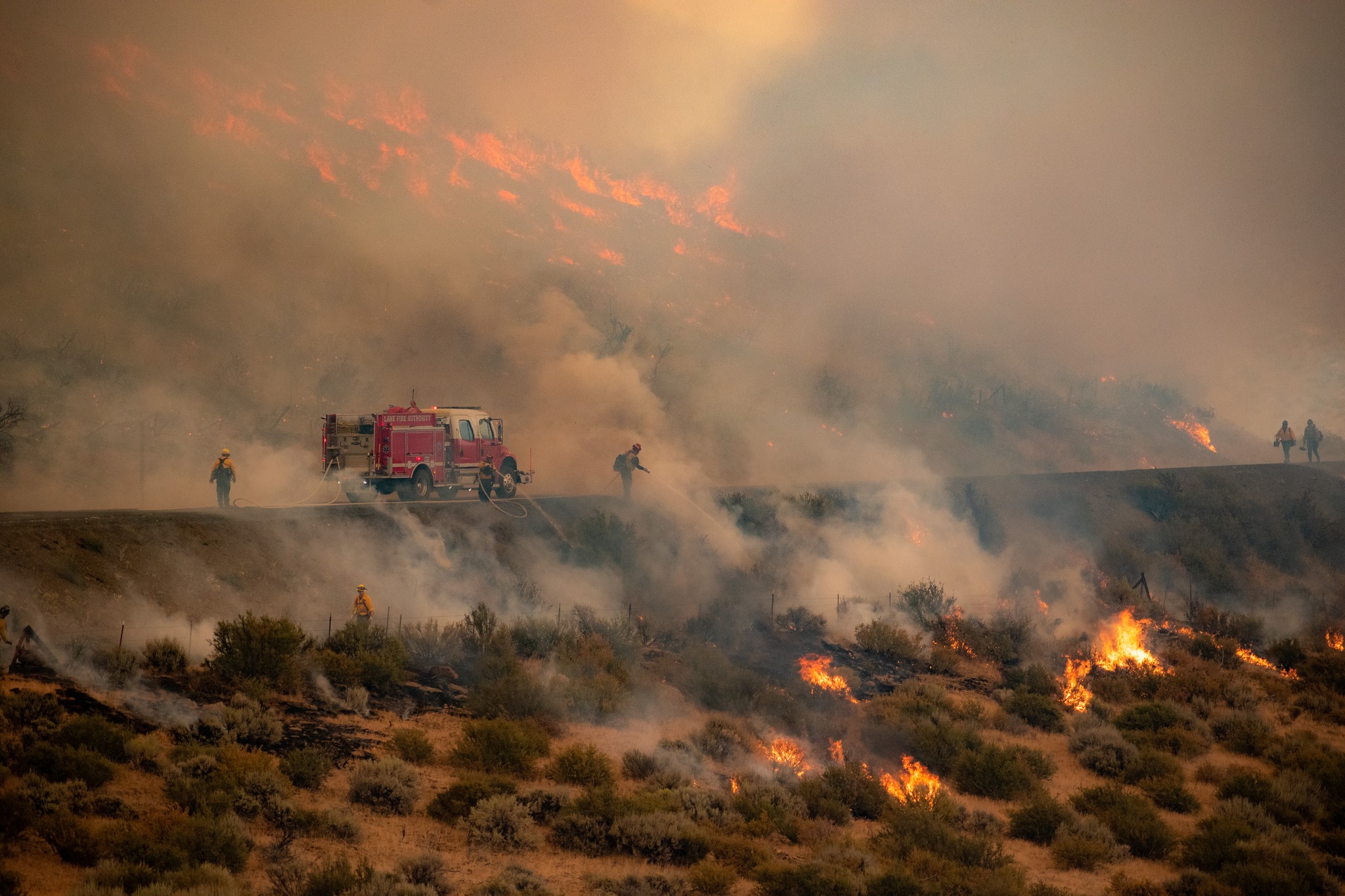
The question of whether there is a fire in Bend, Oregon right now is a critical one for residents, visitors, and emergency responders alike. The natural beauty of Central Oregon, while a major draw for tourism and a vibrant lifestyle, also presents inherent wildfire risks. Understanding the current fire situation is paramount for safety, planning travel, and appreciating the delicate balance between human activity and the environment. This article will delve into how to ascertain real-time fire information for Bend, Oregon, explore the factors contributing to wildfire potential in the region, and discuss preventative measures and preparedness strategies.

Accessing Real-Time Fire Information
In the age of instant communication, accessing up-to-the-minute information about wildfires in and around Bend, Oregon is more straightforward than ever. A multi-pronged approach ensures that reliable data is readily available.
Official Fire Agencies and Websites
The primary sources for accurate and official fire information are the government agencies responsible for fire management. For Oregon, this primarily includes the Oregon Department of Forestry (ODF) and the U.S. Forest Service (USFS) for federal lands, which are extensive in the surrounding areas of Bend, Oregon.
- Oregon Department of Forestry (ODF) Fire Map: The ODF maintains an interactive fire map that displays active fires, their status, and containment levels across the state. This is an invaluable tool for understanding the broader fire landscape.
- U.S. Forest Service Websites: Specific national forests, such as the Deschutes National Forest, will have dedicated sections on their websites providing updates on fire activity within their boundaries, including any that might impact access to popular destinations like Newberry National Volcanic Monument or the Cascade Mountains.
- Local Fire Departments: For incidents directly within the city limits of Bend, Oregon, the Bend Fire & Rescue Department often provides real-time alerts through their official social media channels and website.
Emergency Alert Systems and Social Media
Beyond dedicated agency websites, several other channels provide rapid dissemination of fire information.
- County Emergency Management: Deschutes County Emergency Management may issue alerts and evacuation notices through their official channels. This is crucial for understanding immediate threats to specific neighborhoods or areas.
- Social Media: Many fire agencies and local governments utilize platforms like X (formerly Twitter) and Facebook to provide quick updates, road closures, and safety advisories. Following official accounts is a highly effective way to stay informed. Look for verified accounts from the ODF, USFS, and Bend Fire & Rescue Department.
- Emergency Alert Apps: Several third-party apps aggregate emergency alerts from various official sources, providing a consolidated view of potential hazards, including wildfires.
Air Quality Monitoring
When fires are active, even if not directly in Bend, Oregon, smoke can significantly impact air quality. This is a key indicator of fire activity in the region.
- AirNow.gov: This website provides real-time air quality data, including particulate matter (PM2.5) levels, which are significantly elevated during wildfire smoke events. You can view a map and specific readings for Bend, Oregon and surrounding areas.
- Local News Outlets: Local television and radio stations in Bend, Oregon are vital in reporting on fire incidents, air quality advisories, and emergency information.
Factors Influencing Wildfire Potential in Bend, Oregon
The landscape surrounding Bend, Oregon is characterized by high desert, ponderosa pine forests, and proximity to the Cascade Mountains, creating a unique set of conditions that influence wildfire risk.

Climate and Vegetation
- Arid Climate: Central Oregon experiences a semi-arid climate with hot, dry summers and mild, wet winters. This naturally leads to dry vegetation during the warmer months, making it highly susceptible to ignition. Extended drought periods exacerbate this condition.
- Fuel Types: The dominant vegetation includes sagebrush steppe in lower elevations and ponderosa pine forests in higher areas and on the slopes of the Cascade Mountains. These are all flammable fuels, and the accumulation of dead and dry vegetation (fine fuels like grasses and pine needles) provides ample material for fire to spread rapidly.
- Wind Patterns: While not as notorious as some coastal regions, Bend, Oregon can experience strong winds, particularly during thunderstorms or from weather systems. These winds can fan flames, increase the rate of spread, and carry embers long distances, leading to new ignitions (spotting).
Topography and Human Activity
- Topography: The varied terrain, including canyons and steep slopes, can influence fire behavior. Fires can move uphill rapidly and create challenging conditions for firefighting efforts.
- Human Causes: A significant percentage of wildfires are human-caused. In areas popular with recreationists, unattended campfires, discarded cigarettes, and equipment sparks are common ignition sources. In the Bend, Oregon area, the presence of numerous campgrounds, trails, and dispersed camping areas means a heightened risk from human activity.
- Wildland-Urban Interface (WUI): Bend, Oregon has seen substantial growth, leading to an increasing wildland-urban interface. This is where human development meets or intermingles with wildland areas, placing homes and communities at direct risk from wildfires and complicating firefighting strategies.
Preparedness and Prevention: Your Role in Wildfire Safety
Understanding the risk is the first step; taking proactive measures is the next. Both residents and visitors play a crucial role in wildfire prevention and preparedness in the Bend, Oregon area.
Fire Prevention Best Practices
- Campfire Safety: If you are camping in or around Bend, Oregon, always check current fire restrictions. When fires are permitted, use designated fire rings, keep fires small, and never leave them unattended. Ensure fires are completely extinguished and cool to the touch before leaving.
- Vehicle and Equipment Maintenance: Ensure vehicles are in good working order, with properly functioning exhaust systems. Avoid parking on dry grass, as hot exhaust components can ignite it. For off-road vehicles, ensure spark arrestors are in place and functioning.
- Responsible Smoking: If you smoke, do so in designated areas and ensure all cigarette butts are completely extinguished and disposed of properly. Never discard them into dry vegetation.
- Fireworks: The use of fireworks is strictly prohibited in many parts of Oregon during fire season and is often illegal within city limits. Always adhere to local ordinances.
- Debris Burning: If you are a homeowner in a WUI area, follow all regulations for debris burning and never burn during windy conditions or when fire restrictions are in place.
Home and Property Preparedness (Defensible Space)
For those living in or near wildland areas, creating defensible space around your home is a critical life-saving measure.
- Zone 1 (0-5 feet from the home): Remove all flammable vegetation, including dead leaves and pine needles, from the immediate vicinity of your home. Use non-combustible landscaping materials like gravel.
- Zone 2 (5-30 feet from the home): Thin out vegetation. Remove dead or diseased trees and branches. Keep grasses mowed short. Ensure trees are pruned to at least 10 feet from the ground.
- Zone 3 (30-100 feet from the home): Reduce the density of vegetation. Create horizontal and vertical spacing between trees and shrubs to slow fire spread.
Evacuation Preparedness
In the event of a wildfire, knowing your evacuation route and having a plan is essential.
- Know Your Evacuation Zone: Many communities have designated evacuation zones. Familiarize yourself with the zone for your residence or your accommodation if you are visiting.
- Create a Go-Bag: Pack essentials such as medications, important documents, a change of clothes, water, and non-perishable food in a portable bag.
- Stay Informed: Monitor official alerts for evacuation orders. If an evacuation order is issued, leave immediately. Do not wait.
By staying informed about current conditions and actively participating in prevention efforts, everyone can help protect the natural beauty and safety of Bend, Oregon and its surrounding wildlands. The question of “Is there a fire in Bend, Oregon right now?” should always be answered with a commitment to vigilance and responsible action.
LifeOutOfTheBox is a participant in the Amazon Services LLC Associates Program, an affiliate advertising program designed to provide a means for sites to earn advertising fees by advertising and linking to Amazon.com. Amazon, the Amazon logo, AmazonSupply, and the AmazonSupply logo are trademarks of Amazon.com, Inc. or its affiliates. As an Amazon Associate we earn affiliate commissions from qualifying purchases.