
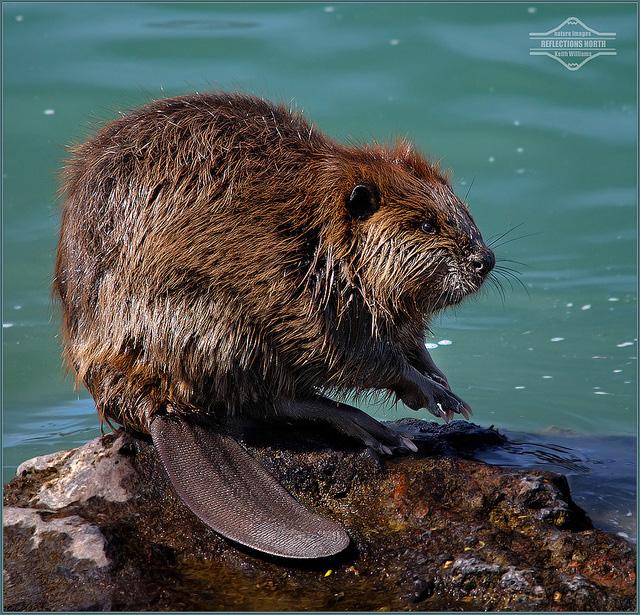
Oregon, a state renowned for its diverse landscapes ranging from rugged coastlines and lush forests to high desert plains and volcanic peaks, boasts a rich natural heritage. This natural beauty is not only a draw for tourists and locals alike but also inspires the selection of official state symbols that reflect its unique character. While the question of the state animal might seem straightforward, understanding its significance offers a glimpse into the values and ecological importance that Oregonians cherish. The official state animal of Oregon, chosen to represent its wild spirit and ecological significance, is the North American Beaver (Castor canadensis). This choice is far from arbitrary, deeply rooted in the history, environment, and economy of the Pacific Northwest.
The Enduring Significance of the Beaver in Oregon
The North American Beaver holds a special place in Oregon’s history and ecology. Its industrious nature and profound impact on riparian ecosystems have made it a symbol of resilience and environmental engineering. The beaver’s presence has shaped Oregon’s waterways for centuries, influencing everything from water flow and sediment transport to the creation of habitats for countless other species.
Historical Ties and Economic Impact
The history of Oregon is inextricably linked with the fur trade, and the beaver was at the heart of this lucrative enterprise. European and American traders, drawn by the abundant beaver populations, established a significant presence in the region in the 19th century. Fort Astoria, a prominent trading post established by John Jacob Astor’s American Fur Company, played a crucial role in this era, with beaver pelts being a primary commodity. The demand for beaver fur for hats and clothing in Europe and the eastern United States fueled exploration and settlement throughout the Oregon Territory. This period, though marked by exploitation, undeniably shaped the early economic landscape of the region and cemented the beaver’s importance in the collective memory.
The economic influence of the beaver extends beyond the historical fur trade. Today, the ecological services provided by beavers contribute to a healthier environment, which in turn supports various industries. Their dams create wetlands that help filter water, mitigate floods, and recharge groundwater. These thriving aquatic environments also support populations of fish and waterfowl, benefiting recreational activities like fishing and birdwatching, which are significant components of Oregon’s tourism industry.
Ecological Engineering and Habitat Creation
Beavers are often referred to as “ecosystem engineers” for their remarkable ability to modify their environment. By felling trees and constructing dams, they create complex wetland habitats that are vital for biodiversity. These dams slow down water flow, creating ponds and marshes that:
- Support Aquatic Life: The ponds provide refuge and breeding grounds for fish, amphibians, and invertebrates.
- Enhance Water Quality: Wetlands act as natural filters, trapping sediment and pollutants, leading to cleaner water downstream.
- Regulate Water Levels: Beaver dams help maintain water levels, which is crucial for plant life in riparian zones and can also help alleviate drought conditions.
- Create Diverse Habitats: The mosaic of ponds, channels, and meadows created by beaver activity supports a wide array of plant and animal species, from insects and amphibians to waterfowl and mammals.
This transformative role makes the beaver a keystone species, meaning its presence has a disproportionately large effect on its environment relative to its abundance. The health and vitality of many Oregon ecosystems are directly influenced by the presence and activities of beaver populations.
Identifying the Oregon State Animal: The Beaver’s Reign
The designation of the North American Beaver as Oregon’s state animal was not a sudden decision but rather a recognition of its profound and multifaceted importance. While the state has several official symbols representing its natural beauty, the beaver stands out for its historical narrative and ongoing ecological contributions.
The Legislative Process and Public Sentiment

The formal adoption of state symbols often involves legislative action, reflecting a consensus on what best represents a state’s identity. The beaver’s selection likely garnered widespread support due to its recognizable presence across Oregon’s waterways and its deep historical connections. It embodies the spirit of industry and resourcefulness, qualities often associated with the pioneers and settlers who shaped Oregon. The public’s appreciation for the natural world and the unique role of indigenous wildlife undoubtedly played a significant role in this decision.
What Makes the Beaver a Fitting Symbol?
Several characteristics make the North American Beaver an ideal symbol for Oregon:
- Ubiquity: Beavers are found throughout Oregon, from the coastal mountains to the interior valleys and even in some urban areas where water sources are available. This widespread presence ensures recognition and familiarity among residents.
- Resourcefulness and Industry: The beaver’s tireless work ethic in building dams and lodges is a powerful metaphor for the pioneering spirit and the ongoing development of the state.
- Ecological Importance: As mentioned, their role as ecosystem engineers highlights Oregon’s commitment to conservation and the understanding of natural processes.
- Historical Significance: The beaver is intrinsically linked to the early history of the region and the fur trade that first drew significant human attention to Oregon.
The selection of the beaver serves as a constant reminder of the delicate balance between human activity and the natural environment, and the importance of preserving the habitats that sustain such industrious creatures.
Experiencing Beaver Habitats in Oregon
For visitors and residents interested in observing this remarkable creature, Oregon offers numerous opportunities to explore habitats where beavers thrive. Understanding where to look and what to expect can enhance the experience of witnessing these natural engineers at work.
Prime Locations for Beaver Spotting
Oregon’s extensive network of rivers, streams, lakes, and wetlands provides ample habitat for beavers. Some of the most promising locations include:
- Federal Lands and National Forests: Areas managed by the U.S. Forest Service and the Bureau of Land Management often contain extensive riparian zones. National forests like the Mount Hood National Forest and the Siuslaw National Forest offer numerous waterways where beaver activity can be observed.
- State Parks and Wildlife Refuges: Many Oregon State Parks, particularly those situated along rivers or lakes, are excellent places to look for signs of beaver activity. Wildlife refuges, such as the Ankeny National Wildlife Refuge or the Baskett Slough National Wildlife Refuge, are managed to support diverse wildlife and often have thriving beaver populations.
- Rivers and Lakes: Major river systems like the Willamette River, the Columbia River, and numerous smaller tributaries are prime beaver territory. Lakes such as Crater Lake (though its immediate surroundings are less conducive to dam-building, surrounding rivers might host them) and the many lakes in the Cascades are potential habitats.
- Coastal Wetlands and Estuaries: While less common than in freshwater environments, beavers can be found in certain coastal wetlands where freshwater influences the salinity.
When visiting these areas, look for characteristic signs: gnawed trees (often with distinctive chisel marks), dams constructed of sticks, mud, and rocks, and lodges built from similar materials.

Ethical Wildlife Observation
Observing beavers in their natural habitat requires a mindful and respectful approach to ensure their well-being and the integrity of their environment.
- Maintain a Safe Distance: Always observe from a distance that does not disturb the animals. Use binoculars or a camera with a zoom lens to get a closer look.
- Respect Their Habitat: Avoid trampling vegetation, disturbing their lodges, or leaving any trash behind.
- Be Patient and Quiet: Beavers are most active at dawn and dusk. Moving slowly and quietly increases the chances of observation without causing alarm.
- Never Feed Wildlife: Feeding beavers or any wild animal can be detrimental to their health and natural behaviors.
By following these guidelines, visitors can enjoy the fascinating world of Oregon’s state animal while contributing to its conservation. The presence of the beaver serves as a living testament to Oregon’s wild beauty and its deep-seated connection to the natural world, making it a fitting symbol for the state.
LifeOutOfTheBox is a participant in the Amazon Services LLC Associates Program, an affiliate advertising program designed to provide a means for sites to earn advertising fees by advertising and linking to Amazon.com. Amazon, the Amazon logo, AmazonSupply, and the AmazonSupply logo are trademarks of Amazon.com, Inc. or its affiliates. As an Amazon Associate we earn affiliate commissions from qualifying purchases.