
Portland, Oregon, nestled in the Pacific Northwest, offers a distinct and often celebrated climate that shapes the experiences of its residents and visitors alike. Known for its lush greenery, vibrant culture, and proximity to both mountains and the coast, the city’s weather plays a significant role in its overall appeal and the activities one can enjoy. Understanding the nuances of Portland’s climate is key to planning an enriching visit, from packing the right attire to scheduling outdoor adventures. This guide delves into the seasonal variations, typical conditions, and what travelers can expect throughout the year.

Understanding Portland’s Climate: A Four-Season Overview
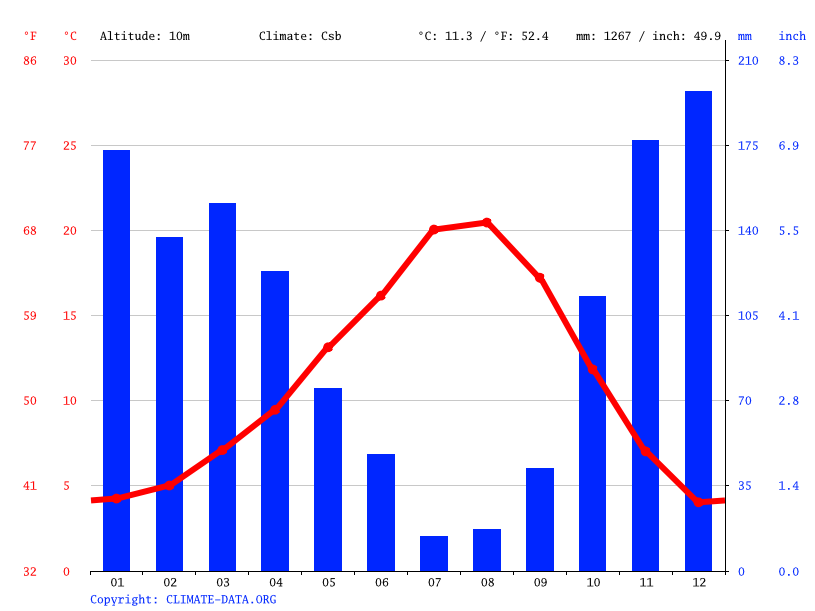
Portland experiences a temperate oceanic climate, characterized by mild, wet winters and warm, relatively dry summers. This classification, however, only scratches the surface of the city’s dynamic weather patterns. The Cascade Mountains to the east and the Coast Range to the west exert considerable influence, creating rain shadows and channeling weather systems. The proximity to the Pacific Ocean also moderates temperatures, preventing extreme heat in the summer and severe cold in the winter compared to inland cities at similar latitudes.
Spring: A Gentle Awakening (March – May)
Spring in Portland is a time of transition and renewal. As winter’s grip loosens, the city begins to bloom, and the days gradually lengthen.
- March: Early spring can still bring cool, wet weather, with average temperatures hovering around 50°F (10°C). Rain is frequent, though often in the form of light drizzles rather than heavy downpours. The landscape starts to show signs of life, with early flowers appearing in gardens and parks.
- April: Temperatures begin to climb, with averages reaching the mid-50s to low-60s°F (13-17°C). While rain is still a possibility, sunny days become more common, making it an ideal time for exploring the city’s numerous parks and the International Rose Test Garden.
- May: Late spring is generally pleasant, with warmer temperatures and less precipitation. Average highs can reach the mid-60s to low-70s°F (18-23°C). The city is in full bloom, and outdoor activities become increasingly popular, from hiking in the Columbia River Gorge National Scenic Area to enjoying al fresco dining in the downtown area.
What to Pack: Layers are essential. Bring a waterproof and windproof jacket, comfortable walking shoes, sweaters or fleece, and lighter clothing for warmer days. An umbrella is highly recommended, especially for early spring.
Summer: Sun-Drenched and Pleasant (June – August)
Summer is arguably Portland’s most sought-after season, characterized by warm, dry, and sunny conditions. The city truly comes alive with outdoor festivals, farmers’ markets, and an abundance of recreational opportunities.
- June: The beginning of summer offers comfortably warm temperatures, with averages in the low to mid-70s°F (22-24°C). Days are long, and the risk of rain significantly decreases. It’s a perfect time to visit attractions like the Oregon Zoo or take a stroll along the Willamette River.
- July & August: These are typically the warmest and driest months. Average highs range from the mid-70s to low-80s°F (24-28°C), though occasional heatwaves can push temperatures into the 90s°F (32°C+) for several days. Humidity is generally low, making the heat more bearable. This is prime time for exploring the outdoors, including day trips to the Oregon Coast.
What to Pack: Lightweight, breathable clothing is key. Pack shorts, t-shirts, sundresses, swimwear, and a hat for sun protection. Sunglasses are a must. While rain is rare, a light jacket or sweater might be useful for cooler evenings or air-conditioned interiors.
Autumn: A Colorful Transition (September – November)
Autumn in Portland is a spectacle of fall foliage, with crisp air and a delightful mix of sunny days and increasing rainfall. It’s a picturesque season that offers a different kind of charm.
- September: The beginning of fall often carries over the pleasant warmth of summer, with average highs in the mid-70s°F (24°C). Rainfall remains minimal, and it’s a wonderful month to explore the city’s vibrant neighborhoods like Hawthorne District or attend the Portland Farmers Market.
- October: Temperatures begin to cool, with averages in the 60s°F (15-18°C). The leaves transform into brilliant hues of red, orange, and yellow, making drives to the Mount Hood National Forest or walks through Forest Park particularly stunning. Rainfall becomes more frequent.
- November: Late autumn brings cooler temperatures, with averages in the 40s to low-50s°F (8-12°C). The days grow shorter, and the likelihood of rain increases significantly. It’s a good time to explore Portland’s renowned indoor attractions, such as its numerous bookstores, museums like the Portland Art Museum, or enjoy its thriving coffee shop culture.
What to Pack: Similar to spring, layers are crucial. A waterproof jacket, sweaters, long pants, and comfortable, closed-toe shoes are recommended. An umbrella is a necessity.
Winter: Mild and Damp (December – February)
Portland’s winters are characterized by mild temperatures and persistent precipitation, making it the wettest season. Snow is infrequent and rarely accumulates significantly within the city itself, though higher elevations in the nearby mountains can receive substantial snowfall.

- December: Early winter sees average temperatures in the high 40s°F (8-10°C). Rain is frequent, and the days are short. The city embraces its cozy atmosphere, with holiday decorations and a lively arts scene.
- January & February: These are typically the coldest and wettest months. Average highs hover around the mid-40s°F (7-9°C), and nighttime lows can dip into the 30s°F (0-4°C). While snow is possible, it usually melts quickly. The consistent rain makes outdoor activities less appealing, but it enhances the lushness of the surrounding forests. This is a prime time to enjoy Portland’s renowned culinary scene and indoor entertainment.
What to Pack: Waterproof and windproof outerwear is essential, including a warm, insulated jacket. Waterproof boots, warm socks, sweaters, and long pants are highly recommended. Consider waterproof gloves and a hat. An umbrella is indispensable.
Microclimates and Regional Influences
While the general climate description is accurate, Portland is subject to microclimates and regional weather patterns that can influence local conditions.
The East vs. West Divide
The city’s geography creates subtle variations. Areas further east, closer to the Cascade foothills, may experience slightly warmer summers and colder winters with occasional light snow. Conversely, areas closer to the Coast Range, or west of the city, might see slightly more rainfall.
Coastal and Mountain Effects
A relatively short drive can lead to dramatically different weather. The Oregon Coast, about a 90-minute drive west, is often cooler and windier than Portland, with a higher chance of fog. To the east, the Cascade Mountains can experience significant snowfall in winter, making them a popular destination for skiing and snowboarding at resorts like Timberline Lodge on Mount Hood.
Summer Heatwaves
While Portland summers are generally pleasant, they are not immune to heatwaves, particularly in July and August. These events can bring several consecutive days of temperatures exceeding 90°F (32°C) and sometimes reaching 100°F (38°C). Residents and visitors should stay hydrated and seek air-conditioned spaces during these periods.
Tips for Visitors Based on Weather
Planning your visit with the weather in mind can significantly enhance your experience in Portland.
Planning Your Visit
- Shoulder Seasons (Spring & Fall): For pleasant weather, fewer crowds, and potentially lower accommodation prices, spring (April-May) and early fall (September-October) are excellent choices. The city is beautiful, and most outdoor attractions are accessible.
- Summer for Outdoors: If your primary interest is hiking, biking, and extensive outdoor exploration, the summer months (June-August) offer the most reliable sunshine and warmest temperatures.
- Winter for Indoor Charm: If you prefer a cozier experience, focusing on Portland’s renowned food scene, bookstores, museums, and breweries, winter can be a magical time, provided you are prepared for the rain.
Packing Essentials
- Waterproof Gear: Regardless of the season, a good quality waterproof jacket and comfortable, waterproof footwear are highly recommended. Portland’s rain can be persistent, even if it’s not heavy.
- Layering is Key: Temperatures can fluctuate, especially during spring and fall. Dressing in layers allows you to adapt to changing conditions easily.
- Sun Protection: Even on cooler days, UV rays can be strong, especially in summer. Pack sunscreen, a hat, and sunglasses.
Embracing the Elements
Portland’s weather, particularly its rain, contributes to its iconic lushness and green spaces. Don’t let a little drizzle deter you. Many of Portland’s best experiences can be enjoyed regardless of the weather, from cozying up in a cafe with a book to exploring the vibrant indoor markets. Embrace the Pacific Northwest climate, and you’ll find a city that is charming and engaging year-round.
LifeOutOfTheBox is a participant in the Amazon Services LLC Associates Program, an affiliate advertising program designed to provide a means for sites to earn advertising fees by advertising and linking to Amazon.com. Amazon, the Amazon logo, AmazonSupply, and the AmazonSupply logo are trademarks of Amazon.com, Inc. or its affiliates. As an Amazon Associate we earn affiliate commissions from qualifying purchases.