
Oregon, a state celebrated for its diverse landscapes and vibrant culture, offers a compelling experience for travelers year-round. From the rugged coastline to the high desert, and the lush forests to the majestic mountains, each region presents a unique climate that significantly shapes the visitor’s journey. Understanding Oregon’s weather patterns is paramount to planning an unforgettable trip, ensuring you pack appropriately and choose activities that align with the prevailing conditions. This guide delves into the climatic nuances of Oregon, helping you navigate its seasons and regions for optimal travel enjoyment.
Understanding Oregon’s Diverse Climates
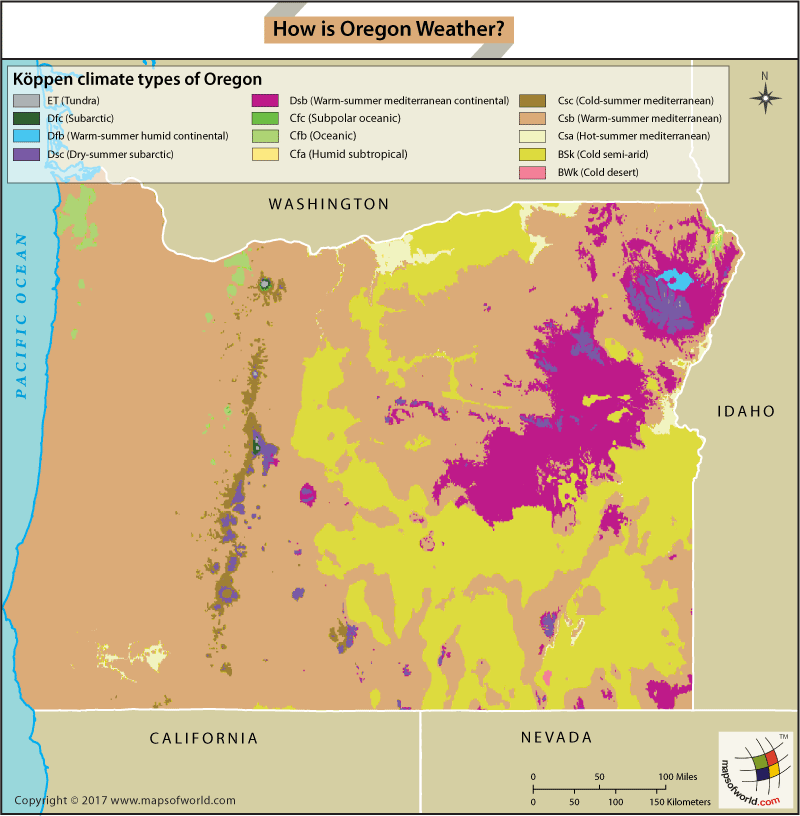
Oregon’s geography is a primary driver of its varied weather. The Cascade Range acts as a significant climatic divide. To the west of the Cascades, the climate is generally mild and wet, heavily influenced by the Pacific Ocean. To the east, the climate becomes drier and more continental, with greater temperature extremes.
Coastal Oregon: Maritime Moderation
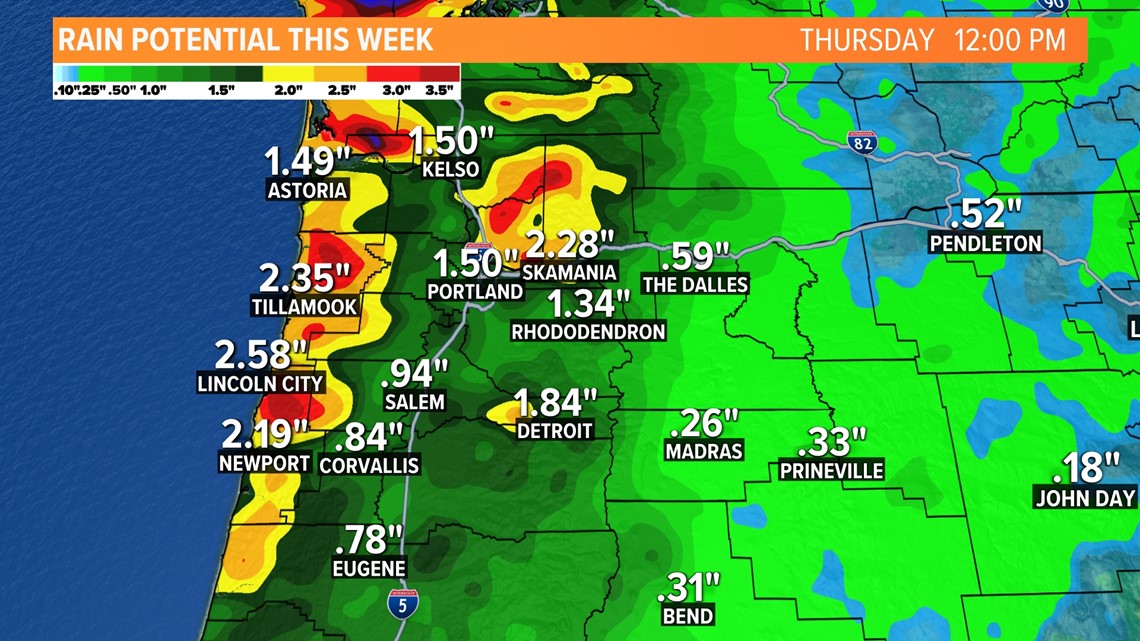
The Oregon Coast benefits from the moderating influence of the Pacific Ocean, resulting in cool, wet winters and mild, often foggy, summers. Rainfall is abundant, particularly from October through May, making it a prime time for dramatic ocean vistas and cozy evenings by the fire. However, even in the wetter months, temperatures rarely dip below freezing. Summers on the coast are typically pleasant, with average highs in the mid-60s Fahrenheit. Fog is a common visitor, especially in the mornings, which can burn off to reveal stunning sunshine. This mild, albeit damp, climate supports lush vegetation and makes coastal towns like Cannon Beach and Depoe Bay popular year-round destinations, though summer and early fall are the busiest.
Willamette Valley: Temperate and Green
The Willamette Valley, home to Portland, Salem, and Eugene, enjoys a temperate climate characterized by distinct seasons. Winters are cool and rainy, with average temperatures in the 40s Fahrenheit and occasional light snowfall, particularly in the foothills. This is the prime growing season for Oregon’s renowned vineyards, making wine tasting a popular winter activity. Spring brings a burst of wildflowers and a gradual warming trend, though rain showers persist. Summers are warm and dry, with average highs in the 80s Fahrenheit, perfect for exploring the state’s numerous parks and outdoor attractions. Fall is a spectacular season in the Willamette Valley, with crisp air, vibrant autumn foliage, and the harvest season in full swing, especially for apples and pumpkins.
Cascade Mountains: A Winter Wonderland and Summer Retreat
The Cascade Mountains present a dramatic shift in weather, particularly concerning snowfall. The western slopes receive significant amounts of snow from November through April, transforming the region into a premier destination for winter sports. Ski resorts like Mt. Hood Meadows and Timberline Lodge offer excellent opportunities for skiing, snowboarding, and snowshoeing. As spring arrives, the snowpack gradually melts, feeding rivers and creating stunning waterfalls. Summers in the Cascades are generally warm and dry, with cooler temperatures at higher elevations, making them ideal for hiking, camping, and enjoying the breathtaking alpine scenery.
Eastern Oregon: High Desert Extremes
East of the Cascades, the landscape transforms into high desert and steppes, characterized by a continental climate with greater temperature fluctuations. Winters are cold and dry, with temperatures frequently dropping below freezing, and occasional snowfalls are common. Summers, however, are hot and dry, with daytime temperatures often soaring into the 90s and even 100s Fahrenheit. Spring and fall offer more moderate conditions, with pleasant temperatures and fewer crowds, making them ideal for exploring areas like the Wallowa Mountains or the John Day Fossil Beds National Monument.
Seasonal Weather Guides for Oregon
Understanding Oregon’s weather on a seasonal basis is crucial for effective travel planning. Each season offers unique opportunities and challenges for visitors.
Spring (March – May): Renewal and Showers
Spring in Oregon is a time of transition and awakening. The state shakes off its winter chill, and nature bursts into bloom.
- Coastal Areas: Expect frequent rain showers, cooler temperatures, and dramatic ocean views. Wildflowers begin to appear along the cliffs, and whale watching season is in full swing.
- Willamette Valley: This is a beautiful time for visiting wineries as the vines begin to bud. Wildflowers carpet the fields, and the weather becomes increasingly mild, though rain is still common. Average highs range from the 50s to low 60s Fahrenheit.
- Cascade Mountains: Snowmelt begins in earnest, swelling rivers and creating spectacular waterfalls. Hiking trails at lower elevations start to open up, while higher elevations remain snow-covered. Ski resorts typically close by late April or early May.
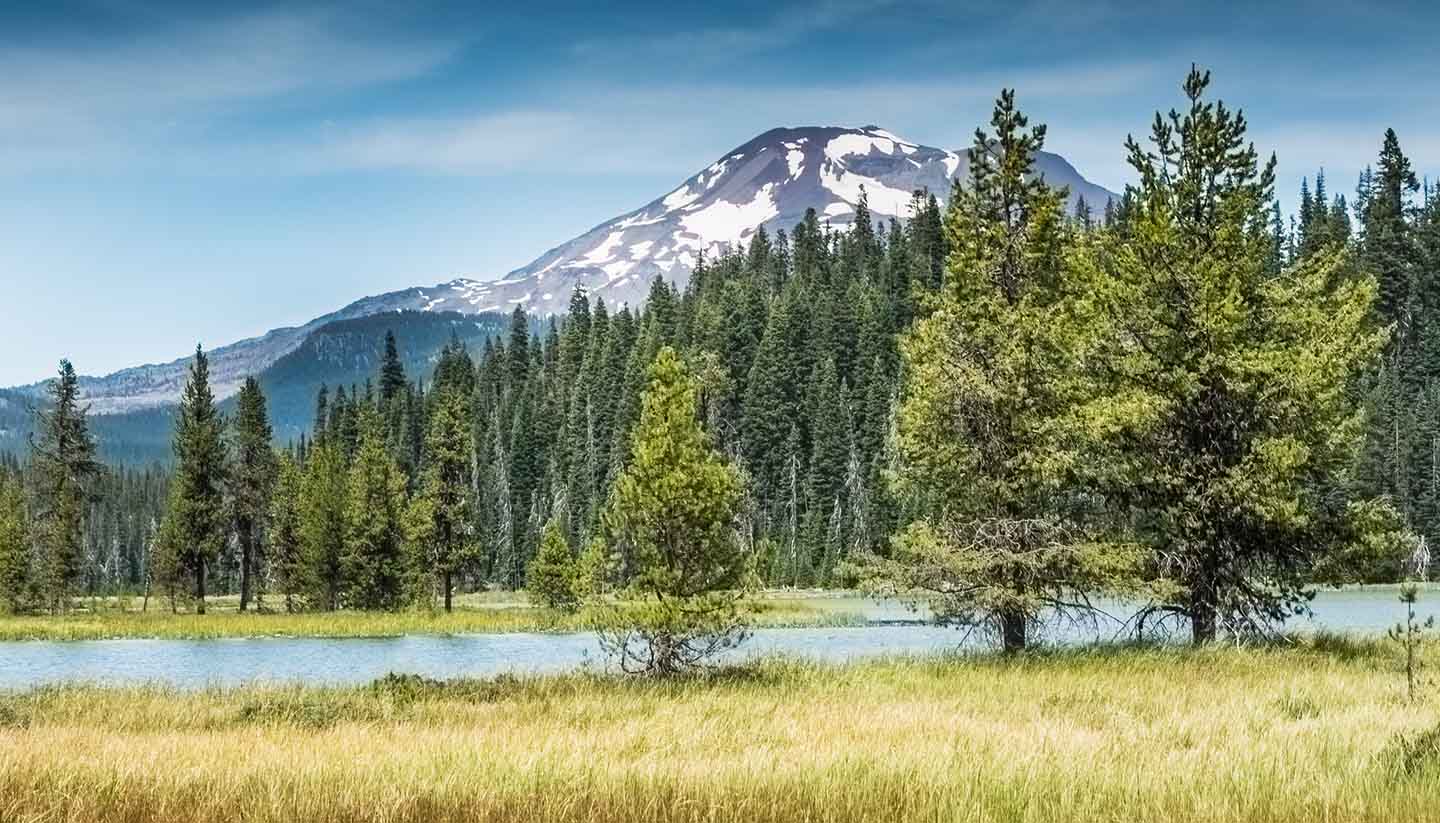
- Eastern Oregon: Spring brings a welcome warmth to the high desert, with temperatures becoming increasingly pleasant. Wildflowers dot the landscape, and it’s an excellent time for hiking and exploring before the summer heat arrives.
Summer (June – August): Sunshine and Warmth
Summer is Oregon’s prime outdoor recreation season, with warm temperatures and plenty of sunshine, especially east of the Cascades.
- Coastal Areas: Summers are mild and often foggy, particularly in the mornings. Temperatures typically hover in the mid-60s Fahrenheit, making it perfect for beachcombing and exploring coastal towns without the intense heat of inland areas.
- Willamette Valley: Expect warm to hot and dry weather, with average highs in the 80s Fahrenheit. This is the ideal time for outdoor festivals, farmers’ markets, and exploring the city. Evenings are generally pleasant.
- Cascade Mountains: Summers are glorious in the mountains. Trails are largely snow-free, offering fantastic opportunities for hiking, camping, and enjoying alpine meadows. Temperatures are warm during the day and cooler at night.
- Eastern Oregon: This region experiences its hottest weather in the summer. Daytime temperatures can be very high, so planning activities for early mornings or late afternoons is advisable. It’s a great time for exploring the canyons and open spaces.
Autumn (September – November): Vibrant Colors and Harvests
Fall in Oregon is renowned for its spectacular foliage and harvest celebrations, offering a magical experience for visitors.
- Coastal Areas: The coast remains mild, with cooler temperatures than summer but often pleasant sunshine. Autumn colors can be seen in the coastal forests, and it’s a great time to enjoy the ocean without the summer crowds.
- Willamette Valley: This is arguably the most beautiful time to visit the Willamette Valley. The leaves turn brilliant shades of red, orange, and yellow, particularly in the vineyards and forests. Temperatures are crisp and cool, ideal for wine tasting and enjoying harvest festivals. Average highs drop into the 60s and 50s Fahrenheit.
- Cascade Mountains: Fall brings stunning alpine colors to the mountains. Hiking is excellent, though higher elevations may experience early snowfall towards the end of the season. The crisp mountain air is invigorating.
- Eastern Oregon: Fall offers a reprieve from the summer heat with pleasant daytime temperatures. The high desert landscape takes on golden hues, making it a picturesque time for photography and exploration.
Winter (December – February): Rain, Snow, and Cozy Escapes
Winter in Oregon is characterized by rain in the west and snow in the mountains and east. It’s a season for cozy retreats and snow sports.
- Coastal Areas: Winters are wet and cool, with frequent rain and wind. Temperatures typically remain in the 40s Fahrenheit. The dramatic, stormy seas can be a powerful spectacle.
- Willamette Valley: Winters are cool and rainy, with average temperatures in the low to mid-40s Fahrenheit. Snowfall is rare in the valleys but can occur, especially in the foothills of the Cascades. This is a good time for indoor activities like visiting museums and enjoying the local culinary scene.
- Cascade Mountains: This is the peak season for snow. Ski resorts are fully operational, and the mountains offer a true winter wonderland experience. Conditions can be harsh, so checking weather and road reports is essential.
- Eastern Oregon: Winters are cold, with temperatures frequently below freezing. Snowfall is common, making it a destination for cross-country skiing and snowshoeing in designated areas.
Planning Your Oregon Adventure Based on Weather
To make the most of your Oregon trip, consider these weather-specific planning tips.
Packing Essentials for Every Season
- Spring/Fall: Layers are key. Pack waterproof and windproof outer layers, warm sweaters or fleeces, long-sleeved shirts, pants, and comfortable walking shoes. An umbrella is a must for western Oregon.
- Summer: Light, breathable clothing is recommended for inland areas. Pack shorts, t-shirts, and a light jacket for cooler evenings or coastal excursions. Sunscreen, a hat, and sunglasses are essential, especially in eastern Oregon.
- Winter: Waterproof and insulated clothing is crucial. Pack warm coats, thermal layers, waterproof pants, sturdy waterproof boots, gloves, and a hat. If visiting the mountains, specialized ski gear will be necessary.
Popular Activities and Their Weather Dependencies
- Hiking: Best enjoyed from late spring through early fall, depending on elevation and region. Summer and early fall offer the most extensive trail access.
- Beachcombing and Coastal Exploration: Pleasant year-round, but summers offer milder conditions. Spring and fall can provide dramatic stormy seascapes.
- Wine Tasting: Year-round, but spring and fall are particularly scenic with blooming vines or autumn colors.
- Skiing and Snowboarding: Exclusively a winter activity, typically from December through April in the Cascade Mountains.
- City Exploration (Portland, Salem, Eugene): Can be done year-round, but consider the rain in western Oregon from fall through spring. Summer offers the most comfortable conditions for walking tours and outdoor dining.
- Scenic Drives: Enjoyable throughout the year, but be mindful of potential snow closures on mountain passes in winter and early spring. Fall foliage drives are spectacular.
- Water Activities: Best in the warmer months of summer and early fall, particularly on rivers and lakes.
By understanding Oregon’s diverse climate and planning your visit accordingly, you can ensure a memorable and enjoyable experience, no matter the season or the region you choose to explore. From the misty coast to the sun-drenched high desert, Oregon’s weather is an integral part of its captivating allure.
LifeOutOfTheBox is a participant in the Amazon Services LLC Associates Program, an affiliate advertising program designed to provide a means for sites to earn advertising fees by advertising and linking to Amazon.com. Amazon, the Amazon logo, AmazonSupply, and the AmazonSupply logo are trademarks of Amazon.com, Inc. or its affiliates. As an Amazon Associate we earn affiliate commissions from qualifying purchases.