
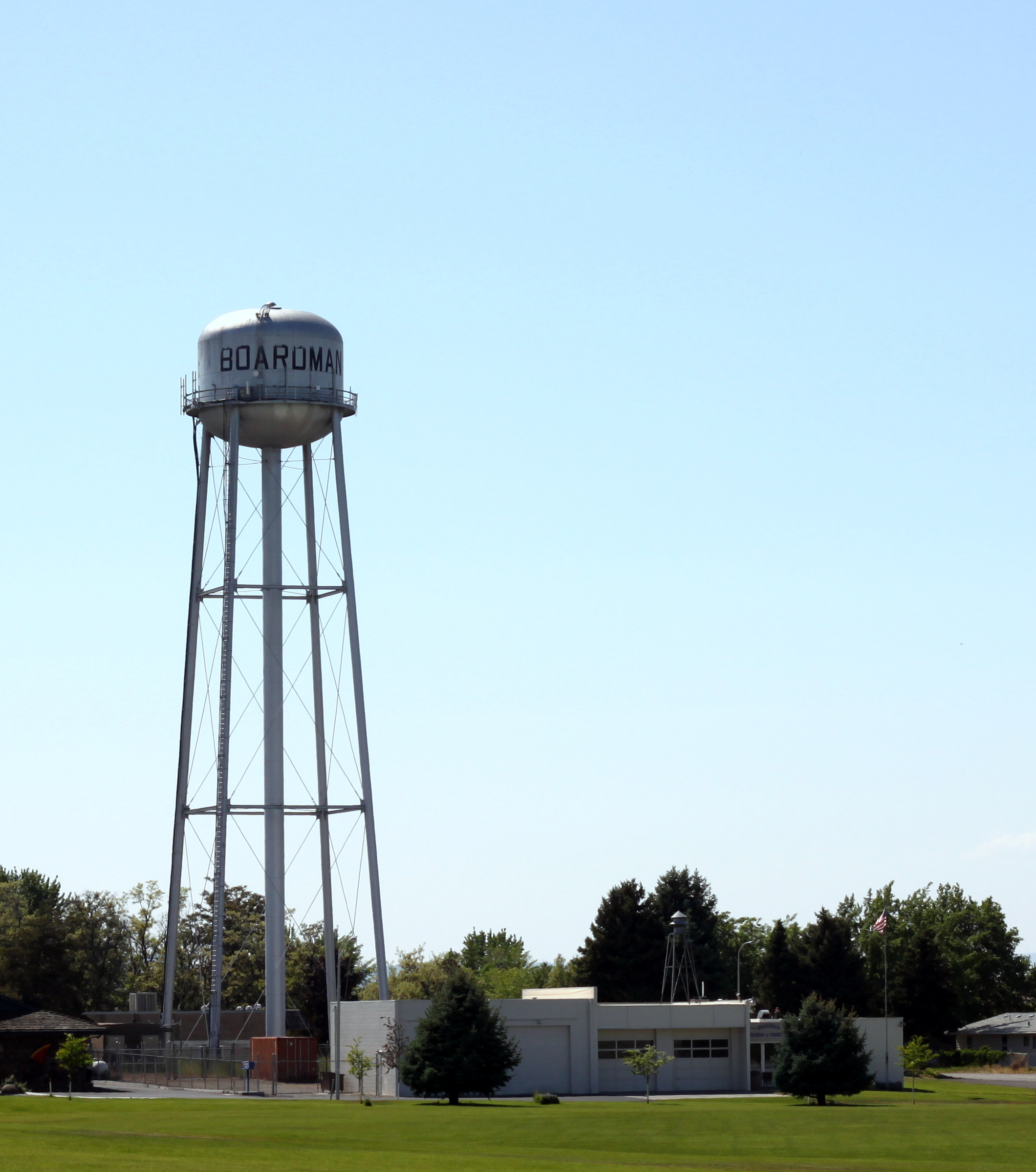
Boardman, Oregon, a name that might not immediately conjure images of bustling metropolises or iconic tourist landmarks, yet it holds a distinct charm and significance within the Pacific Northwest. Nestled in the high desert region of northern Oregon, this unincorporated community, often recognized for its strategic location and burgeoning agricultural and industrial presence, offers a unique perspective on life in a less-traveled corner of the United States. Understanding where Boardman is, and what it represents, allows for a deeper appreciation of the diverse landscapes and economies that shape Oregon.
Geographical Context and Location
Boardman, Oregon, is situated in Morrow County, in the northeastern part of the state. Its precise location places it along the mighty Columbia River, a vital waterway that forms a significant portion of the border between Oregon and neighboring Washington. This riverside position is not merely a geographical footnote; it dictates much of the region’s economic activity, historical development, and natural beauty.
Proximity to Major Hubs
While Boardman is not a major urban center, its accessibility to larger cities is a key factor in its appeal and growth. It lies approximately two hours east of Portland, Oregon’s largest city, and a comparable distance from Spokane, Washington. This proximity allows residents and businesses to benefit from the amenities and opportunities of larger metropolitan areas while enjoying the more rural and less congested environment of Boardman.
Transportation Networks
The community is well-connected by major transportation arteries. Interstate 84, a crucial east-west highway, runs directly through or adjacent to Boardman, facilitating efficient movement of goods and people. The presence of the Columbia River also opens up opportunities for barge transportation, further enhancing its logistical advantages. The nearby Boardman Tree Farm Airport also serves as a local air hub, primarily for agricultural aviation and smaller craft, but it underscores the region’s infrastructure development.
The Landscape and Environment
The environment surrounding Boardman is characteristic of the high desert, a stark contrast to the verdant, temperate rainforests often associated with western Oregon. This arid landscape, shaped by volcanic activity and the erosive power of wind and water over millennia, presents a unique ecological setting.
High Desert Ecology
The flora and fauna of the Boardman area are adapted to arid conditions. Expect to see sagebrush, native grasses, and hardy shrubs that can withstand dry spells and intense sunlight. Wildlife often includes various species of birds, small mammals like rabbits and rodents, and if one is fortunate, larger animals such as deer or coyotes in the more remote areas. The Columbia River itself supports a rich aquatic ecosystem, including various fish species, and serves as a vital flyway for migratory birds.
The Influence of the Columbia River
The presence of the Columbia River is a dominant feature of the Boardman landscape. It provides a crucial source of water for irrigation, transforming vast tracts of arid land into fertile agricultural grounds. The riverbanks offer recreational opportunities, and the sheer scale of the waterway contributes to the region’s dramatic scenery, especially when viewed against the backdrop of the high desert. The Columbia River Gorge National Scenic Area, though further west, showcases the grandeur of this river system and offers a glimpse into the power and beauty that the Columbia represents.
Economy and Development

Boardman’s identity is intrinsically linked to its economic drivers, which have evolved significantly over time, moving from its early agricultural roots to a more diversified industrial base.
Agricultural Heritage
Historically, Boardman and the surrounding Morrow County have been agricultural powerhouses. The availability of water from the Columbia River allowed for extensive irrigation projects, turning the dry plains into productive farmland. Wheat, barley, corn, and various fruits and vegetables are grown here. The region is also known for its livestock operations. The agricultural sector continues to be a significant employer and contributor to the local economy, with many farms operating under family legacies spanning generations.
Industrial Growth and Logistics
In recent decades, Boardman has experienced substantial industrial growth, largely due to its strategic location, access to transportation, and availability of land. The development of the Boardman Industrial Park has attracted a range of businesses, including data centers, food processing plants, and manufacturing facilities. The community’s ability to leverage its logistical advantages, particularly its proximity to the Columbia River and major highways, has been instrumental in this expansion. This economic diversification provides a stable foundation and has led to population growth and increased investment in local infrastructure.
Renewable Energy Hub
Boardman has also emerged as a significant center for renewable energy projects. The strong winds characteristic of the high desert make it an ideal location for wind farms. Several large-scale wind energy projects have been developed in the area, contributing to Oregon’s clean energy portfolio and creating jobs. The presence of these facilities underscores the region’s forward-thinking approach to resource management and economic development.
Life in Boardman: Community and Lifestyle
While Boardman is primarily known for its economic activities, it also possesses a community spirit and a lifestyle shaped by its environment and its residents.
A Sense of Community
Despite its growth, Boardman retains a sense of close-knit community. The population is a blend of long-time agricultural families, newcomers drawn by industrial opportunities, and workers in the energy sector. Local events, school activities, and community organizations foster a sense of belonging. The pace of life is generally more relaxed than in larger cities, offering residents a more grounded lifestyle.
Outdoor Recreation and Activities
The natural surroundings of Boardman provide ample opportunities for outdoor enthusiasts. The Columbia River offers fishing, boating, and waterskiing. Nearby state parks and BLM lands provide hiking, camping, and wildlife viewing opportunities. The high desert landscape itself, with its unique flora and geological formations, is a draw for those who appreciate rugged natural beauty. While not a destination for luxury resorts or bustling nightlife, Boardman offers a distinct outdoor lifestyle for those who appreciate its rugged charm and the tranquility of the high desert. The nearby Sacajawea State Park, situated at the confluence of the Snake River and the Columbia River, is a testament to the area’s natural appeal.

Practical Considerations for Visitors and Residents
For those planning a visit or considering a move to Boardman, understanding the practical aspects is important. Accommodation options are primarily functional, catering to business travelers and those working in the area, with local motels and some vacation rental possibilities. Dining options lean towards casual, local establishments that serve hearty, American fare. Essential services are available within the community, and its proximity to larger towns and cities ensures access to more specialized needs. While Boardman may not be on the typical tourist itinerary, its unique position in Oregon, its economic vitality, and its high desert environment make it a noteworthy destination for those seeking an authentic experience of the Pacific Northwest beyond the usual brochures.
LifeOutOfTheBox is a participant in the Amazon Services LLC Associates Program, an affiliate advertising program designed to provide a means for sites to earn advertising fees by advertising and linking to Amazon.com. Amazon, the Amazon logo, AmazonSupply, and the AmazonSupply logo are trademarks of Amazon.com, Inc. or its affiliates. As an Amazon Associate we earn affiliate commissions from qualifying purchases.