
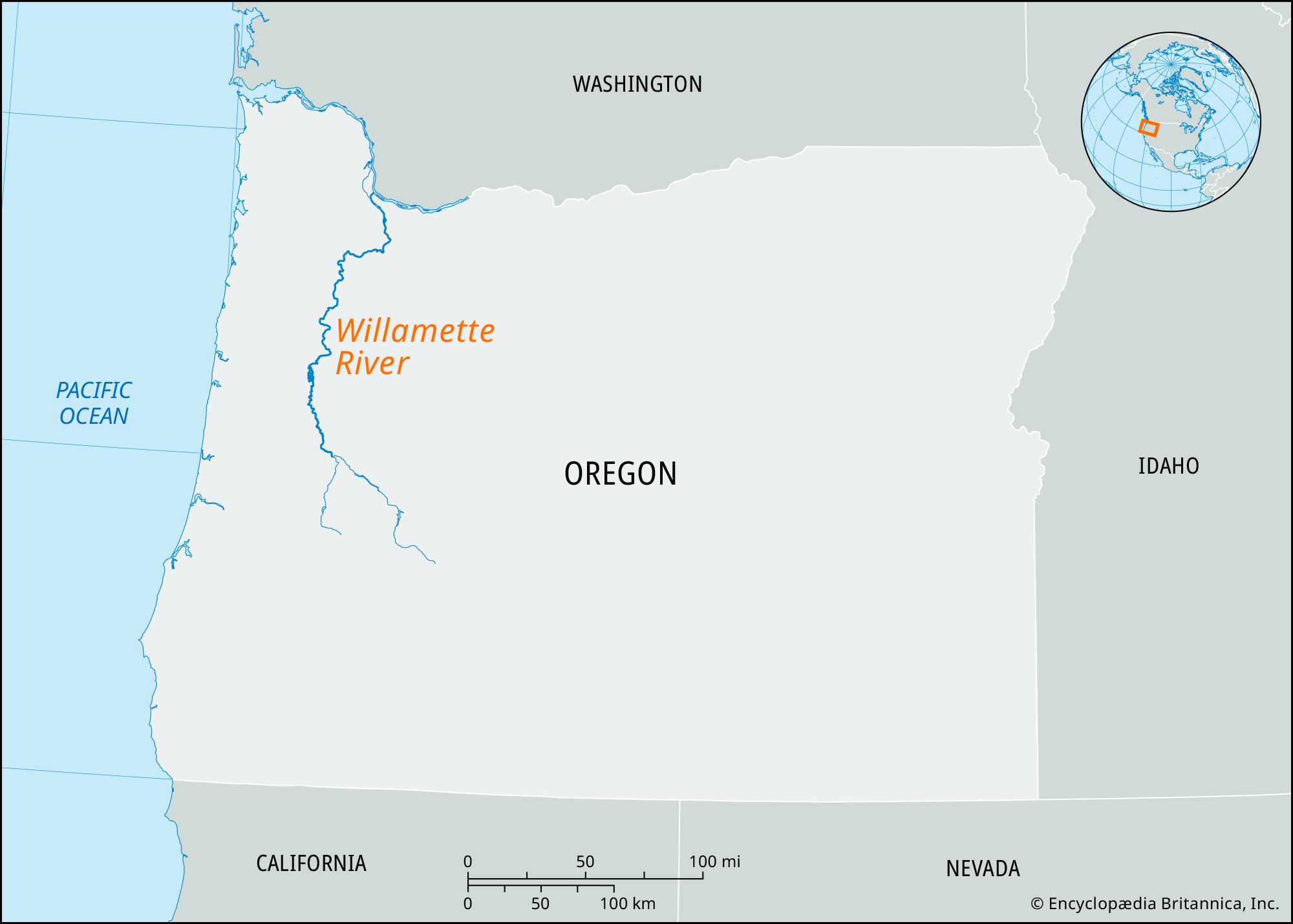
The Willamette Valley in Oregon is a region of unparalleled natural beauty, agricultural richness, and burgeoning cultural significance. Nestled in the northwestern part of the state, it’s a geographical gem that has captivated visitors and residents alike for generations. Understanding its location is the first step to unlocking the myriad experiences it offers, from world-class wineries and farm-to-table dining to vibrant city life and serene natural landscapes.
Geographical Identity and Boundaries
The Willamette Valley is defined by its unique geography, shaped by the Cascade Range to the east and the Coast Range to the west. This natural amphitheater creates a fertile basin that is the lifeblood of the region.

Defining the Valley’s Extent
Geographically, the Willamette Valley is the broad, fertile lowland that stretches approximately 150 miles from the south end of Oregon, near Eugene, northward to the Columbia River at the Portland metropolitan area. Its width varies but averages around 50 miles. The Willamette River, Oregon’s longest river, flows north through the heart of the valley, giving its name to this distinct region. The river’s watershed encompasses most of the valley’s landmass, influencing its climate, soil, and agricultural potential.
The Influence of Surrounding Mountain Ranges
The Cascade Range to the east acts as a formidable barrier, creating a rain shadow effect that contributes to the valley’s drier summers, ideal for grape growing and other crops. These mountains also provide a stunning backdrop, with iconic peaks like Mount Hood visible on clear days. To the west, the Coast Range offers a more rugged, densely forested landscape, separating the valley from the Pacific Ocean. This western range moderates the climate, preventing extreme temperature fluctuations and contributing to the mild, wet winters characteristic of the Pacific Northwest.
Key Cities and Areas within the Valley
The Willamette Valley is home to some of Oregon’s most significant urban centers and numerous charming towns, each contributing to the region’s diverse character.
The Northern Hub: Portland
At the northern tip of the Willamette Valley lies Portland, the state’s largest city. A vibrant metropolis known for its unique culture, thriving arts scene, and innovative culinary landscape, Portland serves as a gateway to the valley. Its position at the confluence of the Willamette River and the Columbia River makes it a major economic and cultural center. Key attractions include Washington Park with the International Rose Test Garden, the Powell’s City of Books, and a plethora of distinct neighborhoods, each with its own character.
The State Capital: Salem
Further south, the Willamette Valley embraces its role as the state capital with Salem. Salem is a hub of government and civic activity, but it also boasts significant agricultural connections, particularly with its surrounding cherry and berry farms. The Oregon State Capitol Building is a notable landmark, and the city offers a more laid-back pace than its northern neighbor, with access to parks and the Willamette River.
The University Town: Eugene
At the southern end of the valley is Eugene, home to the renowned University of Oregon. Known for its progressive spirit, commitment to sustainability, and vibrant arts and music scene, Eugene offers a unique blend of intellectual curiosity and outdoor adventure. The city is a gateway to the southern Willamette Valley wine region and is surrounded by opportunities for hiking, biking, and exploring the natural beauty of the region.
Charming Smaller Towns and Communities
Beyond the major cities, the Willamette Valley is dotted with numerous charming towns, each offering a distinct flavor of local life. Places like McMinnville, known for its historic downtown and thriving wine country access; Woodburn, a center for agriculture and community events; and Corvallis, home to Oregon State University, all contribute to the rich tapestry of the valley. These smaller communities often serve as focal points for agricultural tourism, showcasing local produce, artisanal goods, and traditional crafts.
The Willamette Valley as a Premier Wine Region
One of the most celebrated aspects of the Willamette Valley is its designation as a world-class wine region, particularly renowned for its Pinot Noir. The unique terroir, influenced by the valley’s climate and soil, creates ideal conditions for grape cultivation.
Terroir and Climate for Grape Growing
The Willamette Valley boasts a Mediterranean-like climate, with dry, warm summers and mild, wet winters. This climate, combined with the rich, alluvial soils deposited by the Willamette River and volcanic soil from ancient eruptions, creates an exceptional environment for viticulture. The moderating influence of the Coast Range protects the valley from the harshest Pacific storms, while the rain shadow of the Cascade Range allows for long, sunny growing seasons. This specific combination of factors is particularly conducive to producing high-quality Pinot Noir, often described as having delicate aromas, complex flavors, and a refined structure.
Key American Viticultural Areas (AVAs)
Within the broader Willamette Valley, several distinct American Viticultural Areas (AVAs) have been established, each with its own microclimate and soil characteristics that contribute to unique wine profiles. These include:
- Dundee Hills AVA: Known for its distinct Jory soils, rich in volcanic ash, producing deeply colored and age-worthy Pinot Noirs.
- Ribbon Ridge AVA: One of the smallest AVAs, characterized by its uplifted marine sedimentary soils, yielding elegant and complex Pinot Noirs.
- Yamhill-Carlton AVA: Features sedimentary soils and a cooler climate, ideal for producing Pinot Noirs with bright fruit notes and firm tannins.
- Eola-Amity Hills AVA: Situated on the western edge of the valley, this AVA benefits from strong marine influences, creating wines with vibrant acidity and red fruit characteristics.
- Chehalem Mountains AVA: Encompassing a diverse range of elevations and soil types, this AVA is recognized for producing a wide spectrum of Pinot Noir styles.
Wineries and Tasting Experiences
The Willamette Valley is home to hundreds of wineries, ranging from small, family-owned estates to larger, more established producers. Visitors can embark on self-guided tours along scenic wine trails, stopping at various vineyards to sample their offerings, learn about the winemaking process, and enjoy the stunning vineyard views. Many wineries offer guided tastings, vineyard tours, and even educational seminars. Popular wineries include Argyle Winery, Domaine Serene, Adelsheim Vineyard, and Ponzi Vineyards, each contributing to the valley’s reputation for exceptional Pinot Noir and other varietals like Chardonnay and Pinot Gris.
Agricultural Bounty Beyond Wine
While wine production is a major draw, the Willamette Valley is also a highly productive agricultural region known for a diverse array of crops, contributing significantly to its identity and economy.
The Valley as Oregon’s Breadbasket
The fertile land and favorable climate make the Willamette Valley a vital agricultural hub for Oregon. Beyond grapes, the valley is renowned for its production of berries (strawberries, raspberries, blueberries), hazelnuts, cherries, hops, nursery stock, Christmas trees, and a wide variety of vegetables. This abundance supports a vibrant farm-to-table movement, with local restaurants and markets proudly showcasing the region’s fresh produce.
Farmers Markets and U-Pick Farms
Exploring the Willamette Valley offers a delightful opportunity to experience its agricultural richness firsthand. Throughout the growing season, numerous farmers markets pop up in towns and cities, offering a chance to purchase fresh, locally grown produce, artisanal cheeses, baked goods, and handmade crafts directly from the producers. Popular markets include the Portland Farmers Market and the Salem Saturday Market. Additionally, many farms offer “U-Pick” opportunities, allowing visitors to harvest their own berries, cherries, or pumpkins, providing a fun and interactive agricultural experience for families.
Culinary Experiences and Local Cuisine
The agricultural bounty of the Willamette Valley directly fuels its celebrated culinary scene. The emphasis on fresh, seasonal ingredients is evident in the quality of dining across the region. From Michelin-starred restaurants in Portland to charming bistros in smaller towns, diners can expect dishes that highlight local flavors. Signature ingredients often featured include Dungeness crab from the nearby coast, salmon from the rivers, marionberries (a local blackberry cultivar), and, of course, the valley’s world-class wines. Food festivals and events celebrating specific agricultural products, such as the Oregon Truffle Festival or cherry festivals, further underscore the region’s gastronomic identity.
Natural Attractions and Outdoor Recreation
The Willamette Valley is not just about its fertile fields and vineyards; it also offers a wealth of natural beauty and opportunities for outdoor adventure, from rivers and forests to rolling hills and volcanic peaks.
The Willamette River and its Tributaries
The Willamette River is the central artery of the valley, offering numerous recreational opportunities. Kayaking, canoeing, and paddleboarding are popular activities on the river and its many sloughs and backwaters, providing a serene way to experience the local flora and fauna. The riverbanks are often lined with parks and wildlife refuges, offering birdwatching and tranquil walking paths. Fishing for salmon, steelhead, and sturgeon is also a significant pastime for many.
Parks and Protected Areas
The valley is blessed with an abundance of parks and natural areas that showcase its diverse landscapes. Silver Falls State Park, often called the “crown jewel” of Oregon’s state parks, features the Trail of Ten Falls, a spectacular hike that takes visitors behind and around ten stunning waterfalls. Champoeg State Heritage Area offers historical insights into Oregon’s early settlement along the Willamette River. In the urban centers, parks like Forest Park in Portland provide extensive trail networks for hiking and biking within the city limits.

Nearby Mountain Escapes
While the valley floor is relatively flat, the surrounding mountain ranges offer easy access to more rugged terrain and alpine experiences. The Cascade Range to the east beckons with opportunities for hiking, skiing at resorts like Mt. Hood Ski Bowl, and exploring volcanic landscapes. The Oregon Coast, a relatively short drive west over the Coast Range, provides a completely different natural environment with beaches, tide pools, and dramatic coastal cliffs, offering a perfect day trip or overnight excursion from the valley.
LifeOutOfTheBox is a participant in the Amazon Services LLC Associates Program, an affiliate advertising program designed to provide a means for sites to earn advertising fees by advertising and linking to Amazon.com. Amazon, the Amazon logo, AmazonSupply, and the AmazonSupply logo are trademarks of Amazon.com, Inc. or its affiliates. As an Amazon Associate we earn affiliate commissions from qualifying purchases.