
The fervor surrounding the Oregon Ducks football team often extends beyond the roar of the crowd at Autzen Stadium and into the heart of who leads the offense. For any avid follower of college football, particularly those with a vested interest in the Pac-12 Conference, understanding the quarterback position is paramount. This role is not merely about calling plays; it’s about embodying the team’s spirit, executing under immense pressure, and steering the Ducks towards victory. In the dynamic world of collegiate athletics, the identity of the starting signal-caller can shift, influenced by performance, injuries, and strategic decisions. This exploration delves into the current landscape of the Oregon Ducks’ quarterback situation, examining the players vying for the top spot, their strengths, and what their presence signifies for the team’s prospects.

The Current Quarterback Landscape
As the college football season progresses or as new rosters are finalized, the question of who commands the offense becomes a focal point for fans and analysts alike. The Oregon Ducks program has a storied history of producing talented quarterbacks, and the current depth chart is no exception. Typically, a team will have a clear starter, backed by a few promising underclassmen or transfers ready to step in. The competition for the starting role can be fierce, fostering growth and ensuring that the team has robust options.
The Incumbent Starter
In many seasons, a successful team will have a seasoned veteran at the helm. This player often possesses a deep understanding of the offensive schemes, a proven track record of execution, and the respect of their teammates. Their leadership is a crucial intangible, especially during critical moments of a game. When discussing the Oregon Ducks quarterback, the current incumbent’s journey to this position is often a tale of dedication, hard work, and overcoming challenges. Their strengths might include a strong arm, accuracy, mobility, or an exceptional football IQ, allowing them to read defenses and make quick, intelligent decisions. Analyzing their previous performances provides valuable insights into their capabilities and the team’s offensive potential.
Emerging Talent and Future Prospects
Beyond the established starter, college football programs thrive on developing talent from within. The Oregon Ducks are known for their recruiting prowess, consistently bringing in highly-rated high school prospects. These younger quarterbacks, often redshirted or used in backup roles, represent the future of the program. They gain invaluable experience in practice, learning the intricacies of the offense and absorbing the lessons from their senior counterparts. Their development is closely watched, as they may be called upon to lead the team if the starter is injured or if the coaching staff sees an opportunity to inject new energy into the offense. The trajectory of these emerging quarterbacks is a key indicator of the program’s long-term stability and success.
Transfer Portal Dynamics
In the modern era of college athletics, the transfer portal has become a significant factor in shaping team rosters. Talented quarterbacks, seeking better opportunities, more playing time, or a change in coaching schemes, may transfer from one program to another. The Oregon Ducks have, at times, benefited from transfers who have brought immediate impact and experience to the quarterback room. Conversely, their own players may explore options elsewhere. Understanding the transfer portal’s influence provides a comprehensive picture of the quarterback competition, as it can introduce seasoned players with established collegiate experience or create openings for existing roster members.
Assessing Strengths and Play Styles
Each quarterback brings a unique skill set and approach to the game. Evaluating these attributes is essential to understanding how they fit into the Oregon Ducks offensive philosophy and how the team might adapt its game plan based on who is under center.
Arm Strength and Accuracy
A quarterback’s ability to deliver the ball with velocity and precision is fundamental. Arm strength allows for deep passes that can stretch defenses, while accuracy ensures that completions are made, even in tight windows. For the Oregon Ducks, a quarterback with a strong and accurate arm can unlock various passing concepts, from quick slants to go routes, providing a significant advantage against opposing secondaries. Analyzing completion percentages, yards per attempt, and the success rate of deep passes can offer quantifiable insights into this crucial aspect of their game.
Mobility and Scrambling Ability
In today’s college football, dual-threat quarterbacks are increasingly prevalent and effective. A quarterback’s mobility allows them to extend plays when the pocket breaks down, escape pressure, and even gain yardage with their legs. This dual threat can create matchup problems for defenses, forcing them to account for the quarterback as a runner as well as a passer. The Oregon Ducks offense often benefits from a quarterback who can be a threat with their legs, adding another dimension to their attack. This can involve designed quarterback runs or improvisational scrambles that keep drives alive.

Decision-Making and Football IQ
Perhaps the most critical trait for any quarterback is their ability to make sound decisions under pressure. This encompasses reading defenses, recognizing blitzes, understanding play calls, and distributing the ball to the appropriate receiver. A high football IQ allows a quarterback to anticipate plays, manage the clock effectively, and avoid costly turnovers. The Oregon Ducks coaching staff emphasizes this aspect, and a quarterback who excels in this area can elevate the entire offense. Statistics like interception rates, passer rating, and third-down conversion success can indirectly reflect a quarterback’s decision-making prowess.
Impact on Team Strategy and Performance
The identity of the Oregon Ducks quarterback significantly influences the team’s overall strategy and its potential for success on the field. Different quarterback profiles lend themselves to distinct offensive approaches.
Offensive Scheme Adaptability
A versatile quarterback can allow the coaching staff to employ a wider range of offensive schemes. If the quarterback is a strong passer with excellent pocket presence, the offense might lean more heavily on traditional drop-back passing plays. Conversely, a mobile quarterback might open up more opportunities for RPO (run-pass option) plays, designed quarterback runs, and play-action passes that utilize their athleticism. The Oregon Ducks have historically been adaptable, and their quarterback’s skill set is a primary driver of this flexibility.
Leadership and Team Chemistry
Beyond physical skills, the quarterback is often the de facto leader of the offense. Their confidence, composure, and ability to inspire their teammates are invaluable. A quarterback who commands respect and fosters strong relationships within the locker room can significantly enhance team chemistry and performance. The energy and attitude projected by the quarterback can be infectious, motivating the offensive line to protect, the receivers to run precise routes, and the running backs to hit holes with conviction.
Championship Aspirations
Ultimately, the quarterback is often seen as the most critical piece of the puzzle in a team’s quest for a championship. The ability to consistently perform at a high level, especially in crucial games against top opponents, is what separates good teams from great ones. For the Oregon Ducks, the question of who is under center is directly tied to their aspirations for winning the Pac-12 Conference title and competing for a national championship. A stable, talented, and clutch quarterback can be the difference-maker in achieving these lofty goals.
The Fan and Media Perspective
The Oregon Ducks quarterback is a constant topic of discussion among fans, sports media, and alumni. Their performance is scrutinized, their potential is debated, and their every move is analyzed. This intense focus is a testament to the importance of the position in college football.
Media Coverage and Narrative
Sports journalists and analysts closely follow the Oregon Ducks, and the quarterback position is always a central theme. Game previews, post-game breakdowns, and feature stories often revolve around the quarterback’s performance, their strengths, weaknesses, and impact on the team’s trajectory. The narrative surrounding the quarterback can significantly shape public perception of the team’s chances of success.
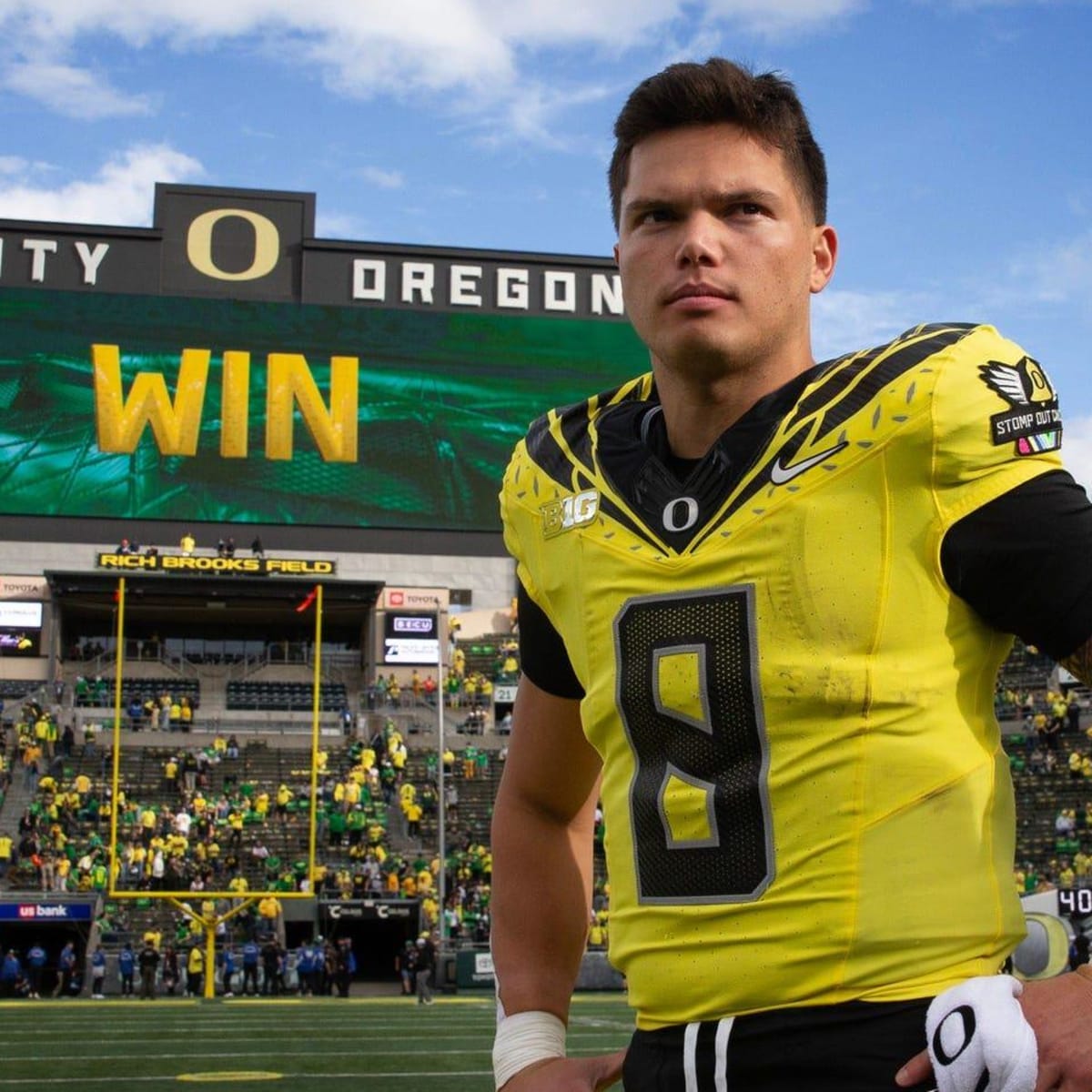
Fan Engagement and Expectations
For the passionate fanbase of the Oregon Ducks, the quarterback is a hero in waiting or an established star. Fans eagerly anticipate their play, celebrate their successes, and sometimes express frustration with their mistakes. Expectations are often high, fueled by the program’s history and the desire for another championship run. Understanding who is leading the offense is not just about football strategy; it’s about connecting with the team’s identity and its aspirations. The journey of the Oregon Ducks quarterback is, therefore, a narrative woven into the very fabric of the team’s culture and its pursuit of gridiron glory.
LifeOutOfTheBox is a participant in the Amazon Services LLC Associates Program, an affiliate advertising program designed to provide a means for sites to earn advertising fees by advertising and linking to Amazon.com. Amazon, the Amazon logo, AmazonSupply, and the AmazonSupply logo are trademarks of Amazon.com, Inc. or its affiliates. As an Amazon Associate we earn affiliate commissions from qualifying purchases.