
Navigating the Sunshine State often involves understanding the distances between its vibrant cities. For those planning a journey that bridges the Gulf Coast with the heart of Central Florida, the question of how far Cape Coral is from Orlando is a crucial piece of logistical planning. This distance, and the most efficient ways to traverse it, can significantly impact the overall travel experience, whether you’re heading for a theme park adventure or seeking a coastal escape. The journey between these two popular destinations is more than just mileage; it’s a gateway to experiencing the diverse landscapes and attractions that Florida has to offer.

Understanding the Distance and Travel Times
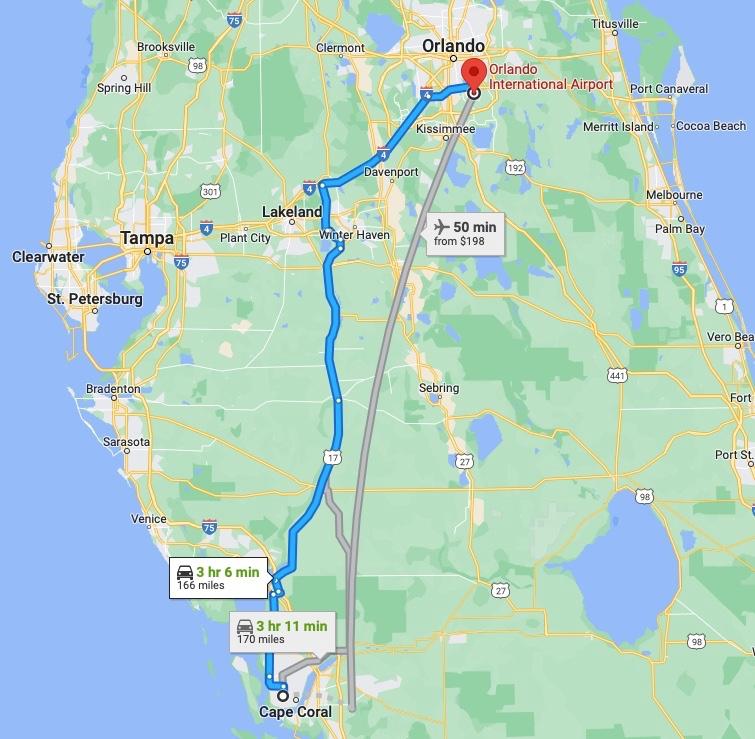
The direct distance between Cape Coral and Orlando is approximately 100 to 110 miles, depending on the specific starting and ending points within each city. This measurement, however, only tells part of the story. The actual travel time is influenced by several factors, most notably the chosen mode of transportation and the prevalent traffic conditions.
Driving: The Most Common Route
The most popular and flexible way to travel between Cape Coral and Orlando is by car. The primary route typically involves heading east on State Road 78 (Everglades Boulevard North) or Veterans Parkway to connect with State Road 82 East, which then leads to the Interstate 75 North. You’ll continue on I-75 North for a significant stretch before transitioning onto Florida’s Turnpike North towards Orlando.
Estimated Driving Time
Under ideal conditions, with minimal traffic, the drive can take anywhere from 1 hour and 45 minutes to 2 hours and 15 minutes. However, it is essential to factor in potential delays. Florida highways, especially around major metropolitan areas like Tampa and Orlando, can experience substantial traffic congestion, particularly during peak commuting hours, holidays, and weekends. Road construction is also a common factor that can add to travel times. Therefore, it is advisable to add at least an additional 30 to 60 minutes to your estimated driving time to account for these variables. Using GPS navigation apps that provide real-time traffic updates is highly recommended to help you adjust your route if necessary and make the most informed decisions about your travel.
Key Highways and Interchanges
The journey primarily utilizes Interstate 75 (I-75) and Florida’s Turnpike. I-75 North is a major north-south route that connects the southwestern part of the state to the central region. Florida’s Turnpike is a tolled highway that provides a more direct and often faster route into the heart of Orlando. Travelers should be aware of the toll costs associated with Florida’s Turnpike and ensure they have a method of payment, such as a SunPass or Toll-by-Plate.
Alternative Travel Options
While driving is the most common, other transportation methods can be considered, each with its own advantages and disadvantages regarding time and convenience.
Bus Services
Several intercity bus services operate routes connecting the general areas of Cape Coral and Orlando. Companies like Greyhound offer services, though direct routes are less common, and transfers might be necessary, often in cities like Fort Myers or Tampa. The travel time by bus can vary significantly, often ranging from 3 to 5 hours or more, depending on the route and layovers. This option is generally more budget-friendly but requires more patience due to the extended duration.
Ride-Sharing Services
For those seeking a more direct, door-to-door experience without the hassle of driving, ride-sharing services like Uber or Lyft can be an option. While available, booking a ride for such a long distance (over 100 miles) can be expensive and subject to driver availability. The travel time would be similar to driving a personal vehicle, but the cost could be substantially higher. This is often a more practical solution for shorter distances or when splitting the cost among multiple passengers.
Rental Cars
For travelers flying into regional airports like Southwest Florida International Airport (RSW) in Fort Myers or Tampa International Airport (TPA) and then heading to Cape Coral, renting a car is a standard choice. The rental car can then be used for the drive to Orlando. Many car rental agencies are available at these airports, offering a wide range of vehicles to suit different needs and budgets. The process is straightforward, but booking in advance, especially during peak travel seasons, is highly recommended.
Factors Influencing Travel Time
Beyond the sheer mileage, several dynamic elements can sway your estimated travel duration between Cape Coral and Orlando. Understanding these can lead to a more accurate and less stressful journey.

Traffic Congestion
As mentioned, traffic is the most significant variable. Florida is a popular tourist destination, and its road networks are often tested. Major highways like I-75 and Florida’s Turnpike experience daily commutes, and then there’s the added volume from tourists heading to theme parks and attractions.
Peak Hours and Holiday Travel
Traveling during morning (approximately 7-9 AM) and afternoon (4-6 PM) rush hours on weekdays will almost certainly result in longer travel times. Similarly, the days leading up to and following major holidays, such as Thanksgiving, Christmas, and Spring Break, can see significantly increased traffic. Planning your departure and arrival times strategically, perhaps very early in the morning or late at night, can help you avoid the worst of the congestion.
Special Events
Large-scale events in either Cape Coral or Orlando, such as concerts, sporting events, or conventions, can also create localized traffic bottlenecks. Checking local event calendars for both cities before you travel can provide valuable insight.
Road Construction and Detours
Florida is continuously developing and improving its infrastructure. This often means that sections of major highways may be undergoing construction, leading to lane closures, reduced speed limits, and detours. While these projects are necessary for long-term efficiency, they can cause considerable delays in the short term. Travelers should stay updated on any reported construction projects along their intended route through traffic advisories or navigation apps.
Weather Conditions
Florida is known for its unpredictable weather, especially during the hurricane season (June 1st to November 30th). Tropical storms, heavy rain, and even hurricanes can significantly impact travel. Driving in heavy rain can reduce visibility and slow down traffic considerably. It is always prudent to check the weather forecast for both your departure and destination locations, as well as for the entire route, before embarking on your journey. In severe weather, postponing travel might be the safest option.
Planning Your Trip: Tips for a Smooth Journey
To ensure your travel between Cape Coral and Orlando is as seamless as possible, consider these planning tips.
Pre-Trip Preparations
- Vehicle Check: Before setting off, ensure your vehicle is in good working condition. Check tire pressure, oil levels, and fluid levels. A quick inspection can prevent unexpected breakdowns.
- Navigation Apps: Download and familiarize yourself with navigation apps like Google Maps or Waze. These apps provide real-time traffic updates, suggest alternative routes, and can estimate arrival times based on current conditions.
- Toll Transponder: If you plan to use Florida’s Turnpike, ensure you have a toll transponder (like SunPass) or are prepared for the Toll-by-Plate system to avoid potential fines and streamline your journey.
- Entertainment: For longer drives, especially if traveling with family or children, have a plan for entertainment. Download playlists, audiobooks, or podcasts, and ensure devices are charged.
During the Journey
- Stay Flexible: Be prepared to adjust your travel plans if necessary. Traffic or weather conditions might necessitate a change in departure time or route.
- Take Breaks: For a journey of this length, it’s advisable to plan for at least one stop for rest, stretching, and perhaps a meal. There are numerous service plazas along I-75 and Florida’s Turnpike that offer amenities.
- Monitor Traffic: Continuously monitor traffic updates through your navigation app or local radio stations to stay informed about any developing issues on your route.
Accommodation in Orlando
Once you arrive in Orlando, your accommodation choice will depend on your purpose for visiting. Options range from world-renowned theme park resorts like Walt Disney World Resort and Universal Orlando Resort to boutique hotels, vacation rentals, and budget-friendly motels. Consider proximity to your planned activities, desired amenities, and your overall budget when making your selection. Booking in advance is always recommended, especially if traveling during peak seasons.
Exploring Cape Coral and Beyond
Similarly, if your journey is originating from Orlando and heading towards Cape Coral, understanding the reverse travel time is equally important. Cape Coral itself is known for its extensive canal system and offers a more relaxed, coastal vibe compared to the bustling entertainment capital of Orlando. Nearby attractions include the beautiful beaches of Sanibel Island and Captiva Island, the Everglades National Park for nature enthusiasts, and vibrant city life in Fort Myers.
By carefully considering the distance, potential travel times, and the various factors that can influence your journey, you can effectively plan your trip between Cape Coral and Orlando, ensuring a smooth and enjoyable experience as you explore the diverse offerings of Florida.
LifeOutOfTheBox is a participant in the Amazon Services LLC Associates Program, an affiliate advertising program designed to provide a means for sites to earn advertising fees by advertising and linking to Amazon.com. Amazon, the Amazon logo, AmazonSupply, and the AmazonSupply logo are trademarks of Amazon.com, Inc. or its affiliates. As an Amazon Associate we earn affiliate commissions from qualifying purchases.