
The allure of two distinct destinations, the vibrant entertainment capital of Orlando and the dynamic urban hub of Panama City, often sparks curiosity among travelers. While seemingly worlds apart in their primary draws – theme parks versus a bustling Latin American metropolis – a significant number of adventurers consider combining these locales into a single, memorable journey. Understanding the geographical distance and the various transit options is crucial for anyone planning such an expedition, whether for leisure, business, or a unique blend of both. This exploration delves into the practicalities of traversing the miles between Orlando, Florida, and Panama City, Panama, offering insights into making the trip seamless and enjoyable.
Understanding the Geographical Divide
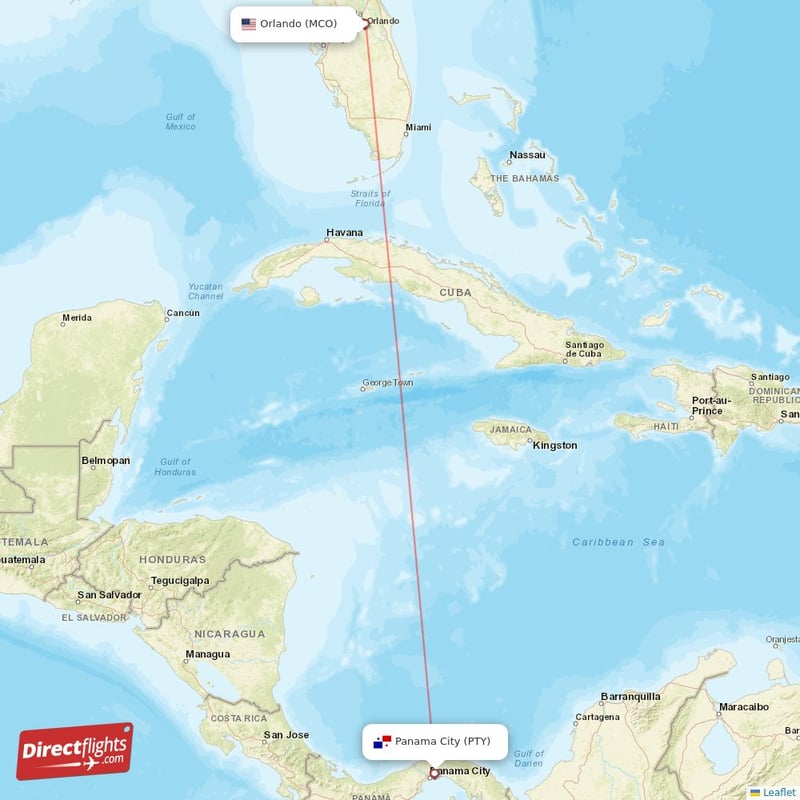
The core of any travel planning begins with grasping the physical separation between two points. Orlando is nestled in the heart of Florida, a state known for its sunshine and tourist attractions. Panama City, on the other hand, serves as the capital and largest city of Panama, a Central American nation bridging North and South America. The distance between these two cities is substantial, necessitating air travel as the primary and most practical mode of transport.
Direct Distance and Flight Time
The great-circle distance, or “as the crow flies,” between Orlando and Panama City is approximately 1,050 miles (about 1,690 kilometers). This figure, while informative, doesn’t account for the practicalities of air travel, such as flight paths and airport procedures.
When considering flight times, direct flights are the most efficient. Several airlines operate routes connecting Orlando International Airport (MCO) with Tocumen International Airport (PTY) in Panama City. A typical direct flight duration is around 3 hours and 15 minutes to 3 hours and 30 minutes. This relatively short flight time for an international journey makes a combined trip feasible for those with limited vacation windows.
Factors Affecting Travel Time
While the flight duration itself is a key component, several other factors contribute to the overall travel time:
- Airport Procedures: This includes arriving at the airport well in advance for check-in, security screening, and boarding. International travel typically requires more time for these processes compared to domestic flights.
- Immigration and Customs: Upon arrival in Panama City, travelers will need to clear immigration and customs. The time taken for this can vary depending on the volume of incoming flights and the efficiency of the Panamanian border control.
- Baggage Claim: Waiting for checked luggage can add another layer of time to your arrival.
- Ground Transportation: Once you have collected your luggage, you will need to arrange transportation from Tocumen International Airport to your accommodation in Panama City. Options include taxis, ride-sharing services, and pre-booked shuttles.
Therefore, while the flight might be under four hours, a realistic estimate for the entire journey from leaving your Orlando accommodation to arriving at your Panama City hotel would likely be between 6 to 8 hours, depending heavily on the specific timings and efficiency of each step.
Navigating Transit Options
Choosing the right mode of transport is paramount for a smooth transition between Orlando and Panama City. Given the geographical separation, air travel is the undisputed champion. However, understanding the nuances of booking flights and potential alternatives can optimize the travel experience.
Flying from Orlando to Panama City
The primary gateway for international travel from Orlando is Orlando International Airport (MCO). This major hub offers a plethora of flight options, including those heading south to Panama City. Airlines such as Copa Airlines frequently operate direct flights, making this route quite accessible.
When booking, travelers should consider:
- Direct vs. Connecting Flights: While direct flights are preferred for speed, connecting flights might sometimes offer cost savings. However, they invariably add significant time to the journey and increase the risk of missed connections.
- Airline Choice: Different airlines offer varying levels of service, comfort, and pricing. Researching options from carriers like Copa Airlines, American Airlines, or United Airlines (which may offer connecting flights) is advisable.
- Booking in Advance: To secure the best fares and ensure availability, especially during peak travel seasons, booking flights several months in advance is highly recommended.
- Baggage Allowances: Be sure to check the baggage policies of the chosen airline, as international flights often have different allowances and fees than domestic ones.
Alternative (Less Practical) Travel Methods

While not recommended for this particular intercontinental journey, it is worth noting the theoretical, though highly impractical, alternatives for context:
- Cruising: While Florida is a popular cruise departure point for the Caribbean, cruises that directly link Florida to Panama are exceptionally rare and would take several days, if available at all. Most cruises from Florida visit islands in the Caribbean or sail south towards Mexico and the Yucatan Peninsula.
- Driving and Ferry: The concept of driving from Orlando to Panama City is geographically impossible without significant maritime transport. One would need to drive south through Mexico and Central America, a journey spanning thousands of miles and taking many days, then arrange for vehicle and passenger transport across bodies of water, which is not a standard or easily accessible option for direct travel between these two specific cities.
Therefore, for all intents and purposes, air travel remains the singular viable and efficient method for traveling between Orlando and Panama City.
Preparing for Your Trip
A well-prepared traveler is a confident traveler. Understanding the requirements and preparing adequately can transform a potentially stressful journey into an exciting prelude to the adventures awaiting in Panama City.
Visa and Entry Requirements
As Panama is a sovereign nation, visitors from many countries, including the United States, Canada, and most of Europe, do not require a visa for short tourist stays (typically up to 90 days). However, it is imperative to verify the specific entry requirements based on your nationality.
Essential documents typically include:
- Valid Passport: Your passport must be valid for at least six months beyond your intended stay.
- Return or Onward Ticket: Panamanian immigration officials may request proof that you intend to leave the country.
- Proof of Sufficient Funds: While not always asked for, it’s wise to have access to funds to cover your expenses during your stay.
Always check the official website of the Panamanian embassy or consulate in your home country for the most up-to-date information on visa and entry regulations.
Currency and Language
The official currency of Panama is the Panamanian Balboa (PAB), which is pegged at par with the United States Dollar (USD). This means that US Dollars are widely accepted and used interchangeably with the Balboa throughout the country. Carrying a mix of USD bills, particularly smaller denominations, is advisable for immediate expenses upon arrival. ATMs are readily available in Panama City, dispensing US Dollars.
The official language of Panama is Spanish. While English is spoken in tourist areas, hotels, and by many professionals in Panama City, learning a few basic Spanish phrases can greatly enhance your experience and interactions with locals. Phrases like “Hola” (Hello), “Gracias” (Thank you), and “¿Cuánto cuesta?” (How much does it cost?) can be very useful.
Packing Essentials
Given Orlando‘s tropical climate and Panama City‘s similar warm and humid conditions, packing should reflect this.
Key items to consider include:
- Lightweight Clothing: Breathable fabrics like cotton and linen are ideal. Pack shorts, t-shirts, light dresses, and long-sleeved shirts for sun protection and cooler evenings.
- Rain Gear: Tropical climates are prone to sudden rain showers. A light, packable rain jacket or a travel umbrella is a wise addition.
- Comfortable Walking Shoes: You’ll likely do a lot of exploring, so comfortable footwear is essential.
- Swimwear: Even if you’re not staying at a beachfront resort, many hotels offer pools.
- Sun Protection: Sunscreen with a high SPF, a wide-brimmed hat, and sunglasses are non-negotiable.
- Insect Repellent: Particularly important for evenings or when visiting more natural areas.
- Adapters and Converters: Panama uses Type A and Type B electrical outlets, the same as the United States. However, voltage can vary, so check your electronic devices and consider a universal adapter if necessary.
By attending to these practical details, the journey from the theme parks of Orlando to the historic and modern marvels of Panama City becomes a well-charted course, promising an enriching travel experience.
LifeOutOfTheBox is a participant in the Amazon Services LLC Associates Program, an affiliate advertising program designed to provide a means for sites to earn advertising fees by advertising and linking to Amazon.com. Amazon, the Amazon logo, AmazonSupply, and the AmazonSupply logo are trademarks of Amazon.com, Inc. or its affiliates. As an Amazon Associate we earn affiliate commissions from qualifying purchases.