
As the vibrant pulse of Central Florida, Orlando draws millions of visitors annually, eager to experience its world-renowned theme parks, diverse culinary scene, and captivating entertainment. However, like many destinations in coastal regions, Orlando is not immune to the impact of severe weather events. This article delves into how a significant meteorological phenomenon, such as a hypothetical Hurricane Milton, could affect the city’s vibrant tourism sector, from visitor experiences to operational resilience. Understanding these potential impacts is crucial for both prospective travelers and the local tourism infrastructure.
Assessing Potential Impacts on Orlando’s Tourism Sector
A hurricane, regardless of its exact path or intensity, presents a multifaceted challenge to a major tourist hub like Orlando. The implications extend beyond immediate safety concerns, touching upon the very fabric of the visitor experience and the intricate logistics of the tourism industry. Preparedness and response become paramount in mitigating disruption and ensuring the swift recovery of this vital economic engine.
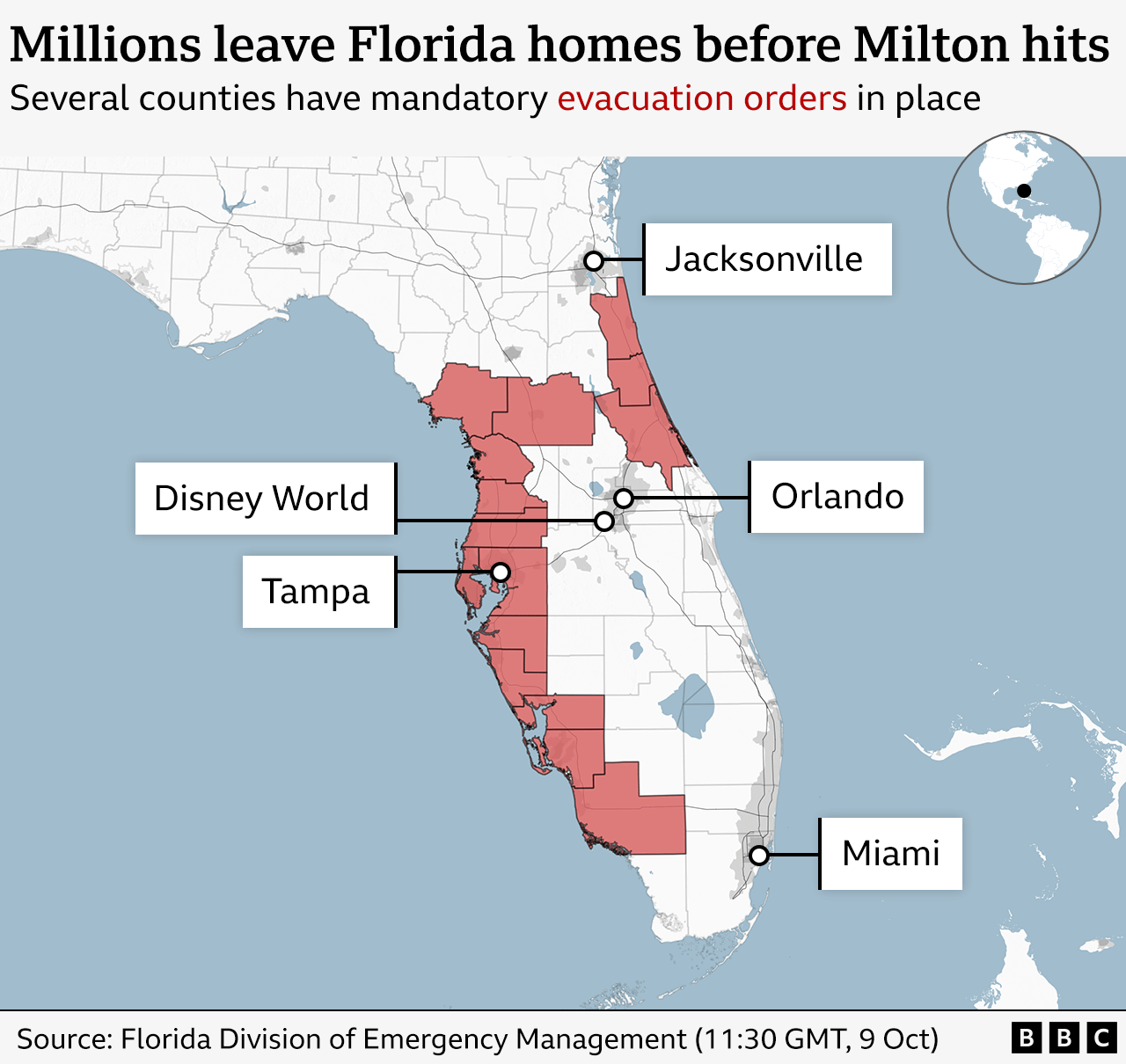
Visitor Safety and Evacuations
The primary concern during any hurricane threat is the safety of those present. For tourists, this can translate into complex logistical challenges. While Orlando is inland, its proximity to the coast means it can still experience significant rainfall, high winds, and potential flooding from storm surge if the hurricane makes landfall nearby and tracks inland.
Pre-Storm Advisory and Travel Adjustments
When a hurricane is forecast to approach the Florida coastline, the National Hurricane Center issues advisories and watches. These alerts are critical for tourism operators and travelers alike. Airlines typically begin offering waivers for flight changes, allowing passengers to reschedule their trips to Orlando without penalty. Visitors already in Orlando may receive recommendations or mandatory orders from local authorities to evacuate, particularly if their accommodations are in flood-prone areas or if travel routes are deemed unsafe. This often necessitates quick decision-making regarding transportation out of the city, whether by car or by seeking alternative flights.
Shelter-in-Place Protocols
For those unable or choosing not to evacuate, hotels and resorts in Orlando implement robust shelter-in-place protocols. These plans are designed to ensure guest safety within the hotel premises, often involving securing outdoor areas, stocking up on essential supplies like food and water, and communicating regularly with guests about the storm’s progress and safety instructions. Many major hotel brands, such as Walt Disney World Resort properties or Universal Orlando Resort hotels, have extensive experience in managing such events and are well-equipped to provide a secure environment.
Theme Park Operations and Closures
Orlando‘s identity is inextricably linked to its world-class theme parks, including those operated by The Walt Disney Company and Universal Parks & Resorts. The operational decisions made by these giants have a significant ripple effect on the entire tourism ecosystem.
Park Closures and Reopening Strategies
As a hurricane approaches, theme parks will closely monitor weather forecasts. Safety is the absolute priority, and parks will typically close their gates well in advance of the storm’s expected arrival. This closure can last for a day or, in more severe cases, several days. The decision to reopen is based on stringent safety inspections of all attractions, pathways, and facilities to ensure they are free from damage and safe for guests and cast members. The reopening process itself is often phased, with operational teams working tirelessly to restore normal service. This can impact pre-booked tickets and vacation itineraries, requiring flexibility from visitors.
Impact on Attractions and Entertainment
Beyond the major parks, smaller attractions, dinner shows, and entertainment venues also face operational disruptions. These closures contribute to a broader impact on the Orlando visitor experience, limiting the available activities for those who may have arrived expecting a full spectrum of entertainment options. The economic impact on these smaller businesses can be substantial, highlighting the interconnectedness of Orlando‘s tourism market.
Economic Repercussions and Recovery
The economic consequences of a significant hurricane hitting or impacting the vicinity of Orlando can be far-reaching, affecting not only the immediate tourism industry but also the broader local economy.
Revenue Losses and Business Interruption
For hotels, airlines, theme parks, restaurants, and ancillary service providers, a hurricane translates directly into lost revenue. Cancellations surge, and new bookings plummet during the period of uncertainty and immediate aftermath. Businesses that suffer physical damage face costly repairs and extended periods of reduced or zero operation. This business interruption can strain financial resources, especially for smaller independent operators.

Employment and Local Workforce
The tourism sector is a major employer in Orlando. During a hurricane, many employees are either unable to get to work or are involved in storm preparation and recovery efforts. Post-storm, if businesses are closed for an extended period, it can lead to temporary or even permanent job losses, impacting the livelihoods of thousands of residents who depend on the tourism industry.
Long-Term Tourism Outlook and Rebuilding Confidence
While Orlando has a strong reputation for resilience, a severe hurricane event can cast a shadow on its short-term tourism outlook. Rebuilding confidence among potential visitors is a critical component of the recovery process. Effective communication from tourism boards, government agencies, and businesses about safety measures, recovery progress, and the return to normalcy is essential to encourage tourists to continue planning their visits to Orlando. Marketing campaigns focusing on the city’s enduring appeal and the proactive steps taken to ensure a safe and enjoyable experience will play a vital role in this recovery.
Preparing for and Navigating Hurricane Impacts
For both travelers planning a trip to Orlando and the tourism infrastructure itself, proactive preparation and informed decision-making are key to navigating potential hurricane impacts.
Traveler Preparedness and Planning
Prospective visitors to Orlando should always incorporate weather preparedness into their travel planning, especially during hurricane season, which officially runs from June 1 to November 30.
Understanding Travel Insurance
Comprehensive travel insurance is a wise investment for any trip to Orlando, particularly during the hurricane season. Many policies offer coverage for trip cancellations or interruptions due to severe weather events, reimbursing non-refundable expenses such as flights, accommodations, and pre-booked tour packages. It is crucial to read the policy details carefully to understand what is covered and any exclusions.
Monitoring Weather Forecasts and Advisories
Before and during a trip, travelers should diligently monitor weather forecasts from reliable sources like the National Hurricane Center and local Orlando news outlets. Staying informed allows for timely adjustments to travel plans, such as rebooking flights or altering itinerary dates. Many hotels and attractions also provide updates directly on their websites or social media channels.
Packing Essentials and Emergency Kits
For those already in Orlando or preparing to travel, packing a small emergency kit can be beneficial. This might include a flashlight, batteries, a portable phone charger, any necessary medications, and a small amount of non-perishable food and water. Familiarizing oneself with the emergency procedures of their accommodation is also a vital step.
Industry Resilience and Response Strategies
Orlando‘s tourism industry has developed sophisticated strategies to mitigate the impact of hurricanes and ensure rapid recovery.
Infrastructure Hardening and Emergency Planning
Major theme parks and hotel chains invest significantly in infrastructure hardening, including reinforced buildings, advanced drainage systems, and robust backup power generators. Comprehensive emergency action plans are regularly reviewed and updated, often in coordination with local emergency management agencies. These plans cover everything from staff training and communication protocols to evacuation procedures and post-storm damage assessment.
Public-Private Partnerships and Communication
Effective communication and collaboration between government agencies, tourism organizations like Visit Orlando, and private businesses are essential for a coordinated response. During a hurricane threat, these entities work together to disseminate accurate information to the public, coordinate evacuation efforts if necessary, and manage recovery operations. Post-storm, these partnerships are crucial for restoring services and promoting the city’s readiness to welcome back visitors.

Economic Diversification and Support Mechanisms
While Orlando‘s economy is heavily reliant on tourism, there is ongoing effort to foster economic diversification. Furthermore, various support mechanisms, including disaster relief funds and insurance programs, are in place to assist businesses impacted by severe weather, helping them to recover and rebuild more quickly. This resilience in the face of adversity is a hallmark of Orlando‘s commitment to its tourism industry and its visitors.
In conclusion, while the direct impact of a specific storm like Hurricane Milton on Orlando would depend on its track and intensity, the city and its tourism sector possess well-established protocols and a proven track record of preparedness and recovery. By understanding potential risks and implementing proactive measures, both travelers and the industry can navigate such challenges effectively, ensuring that Orlando remains a premier destination for experiences and enjoyment.
LifeOutOfTheBox is a participant in the Amazon Services LLC Associates Program, an affiliate advertising program designed to provide a means for sites to earn advertising fees by advertising and linking to Amazon.com. Amazon, the Amazon logo, AmazonSupply, and the AmazonSupply logo are trademarks of Amazon.com, Inc. or its affiliates. As an Amazon Associate we earn affiliate commissions from qualifying purchases.