
While the vibrant theme parks and sun-drenched beaches are the hallmarks of any visit to Orlando, the idea of snow might seem as foreign as a polar bear at Walt Disney World. Yet, the question of whether the “Sunshine State” has ever experienced a winter wonderland is a fascinating one, particularly for those planning a trip during the cooler months or simply curious about the region’s meteorological quirks. For travelers seeking to understand the typical climate of Florida, and specifically the unique weather patterns that affect destinations like [Orlando], delving into its infrequent snowfall is a compelling aspect of its geographical story.
A Climate of Sunshine and Seldom Snow
[Orlando]’s climate is predominantly subtropical, characterized by hot, humid summers and mild winters. This distinct weather pattern makes it a popular year-round travel destination, attracting millions of visitors seeking escape from colder climates. The average annual temperature hovers around 72°F (22°C), with July and August being the hottest months and January being the coolest. Rainfall is abundant, especially during the summer thunderstorm season, but snow is an exceptionally rare phenomenon.The Infrequency of Winter White
The concept of snow falling in [Orlando] is so unusual that it often sparks disbelief. This rarity is due to a combination of geographical positioning and atmospheric conditions. Located in central Florida, [Orlando] is far enough south to avoid the persistent cold fronts that bring snow to more northerly regions of the United States. For snow to occur, temperatures need to be at or below freezing point (32°F or 0°C) while precipitation is present. In [Orlando], while winter nights can dip to cooler temperatures, the confluence of freezing temperatures and falling precipitation is a meteorological anomaly.
Understanding the Meteorological Conditions for Snowfall
Snow formation requires specific atmospheric ingredients: moisture in the air and temperatures below freezing throughout the atmospheric column from cloud to ground. In [Orlando], even when cold air masses push south, they often bring dry air, preventing precipitation. Conversely, when moist air masses are present, temperatures are typically too warm for snow. The rare instances of snow require a perfect, yet improbable, alignment of these factors.
Historical Glimpses of an Orlando Snowfall
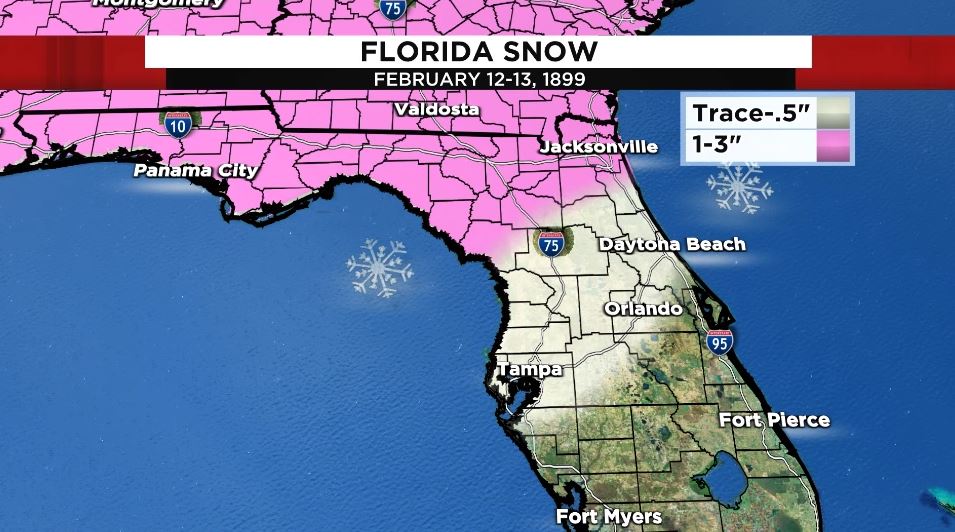
While most visitors associate [Orlando] with tropical warmth, there have been documented instances where snowflakes have graced the city. These events are not everyday occurrences but rather significant meteorological moments that are etched into the memory of those who experienced them.
The Memorable Winter of 1977
Perhaps the most widely recalled snowfall event in [Orlando] occurred on January 24, 1977. This date is often cited by long-time residents and weather enthusiasts as the last significant snowfall. On this particular day, Central Florida experienced a rare and memorable winter storm. Temperatures plummeted, and light snow mixed with sleet and freezing rain fell across the region. While the accumulation was not substantial by northern standards – often measured in mere tenths of an inch – it was enough to cause a stir and provide a surreal sight for a population unaccustomed to such conditions. Many [Orlando] residents remember this day for the novelty and excitement it brought, with children playing in the unusual white dust and adults marveling at the transformed landscape. The event disrupted daily life briefly but left a lasting impression.
Other Notable Cold Snaps

Beyond 1977, there have been other periods of unusually cold weather and even trace amounts of snow or sleet. For instance, in December 1989, another cold front brought freezing temperatures to the region, and some areas reported a light dusting of snow or sleet. These occurrences, however, were even less impactful than the 1977 event. The general consensus among meteorologists and local historians points to the 1977 event as the definitive, albeit brief, snowy chapter in [Orlando]’s recent weather history.
The Impact of Infrequent Snow on Tourism
The rarity of snowfall in [Orlando] plays a significant role in how the destination is marketed and perceived, particularly in the context of travel. While it doesn’t boast winter sports or classic snowy landscapes, its dependable warmth offers a distinct advantage for travelers seeking to escape the cold.
A Sun-Soaked Alternative
For many, the allure of an [Orlando] vacation lies precisely in its consistent sunshine and mild temperatures, especially during the North American winter. Families and individuals looking for a respite from snow, ice, and biting winds flock to [Orlando]’s theme parks, such as Universal Orlando Resort and SeaWorld Orlando, and its numerous outdoor attractions. The absence of snow means that outdoor activities and park visits can generally proceed without disruption, offering a predictable and enjoyable travel experience. The contrast between a snowy home environment and the sunny escape of [Orlando] is a powerful draw.
Planning Your Orlando Visit: What to Expect Seasonally
When planning a trip to [Orlando], understanding its seasonal climate is crucial. From December through February, visitors can expect pleasant, cool temperatures during the day, often in the 60s and 70s Fahrenheit (15-25°C), with cooler evenings. This is considered a peak season for tourism due to the comfortable weather and holiday festivities. Spring brings warmer temperatures and increased humidity, leading into the summer’s heat and afternoon thunderstorms. Autumn offers a return to milder conditions, making it another popular time to visit. The knowledge that snow is an extraordinary event, rather than a recurring seasonal feature, allows travelers to pack accordingly and set realistic expectations for their outdoor adventures.
Beyond the Snow: Embracing Orlando’s Unique Climate
While the question of “when was the last time it snowed in [Orlando]?” highlights the region’s unusual weather patterns, it also underscores the consistent appeal of its climate for tourism. The absence of snow is, in many ways, a defining characteristic that shapes the travel experience.
The Allure of the Tropics
The subtropical climate of [Orlando] provides a canvas for a year-round vacation destination. The mild winters mean that swimming pools at resorts like the Hyatt Regency Orlando remain inviting, and outdoor dining is a pleasure. Parks like Epcot can be explored comfortably without the need for heavy winter gear. This predictability is a significant factor for travel planning, offering a reliable escape from harsher weather elsewhere.

Experiencing Orlando’s Seasons
Each season in [Orlando] offers its own unique charm, independent of any snow. Spring erupts with blooming flowers and pleasant temperatures, perfect for exploring gardens and outdoor festivals. Summer is a time for water parks and embracing the heat, punctuated by refreshing thunderstorms. Autumn brings a delightful crispness to the air, ideal for enjoying the Halloween events at the theme parks and the various fall harvest celebrations. Winter, while not snowy, offers a comfortable respite from colder climates and a festive atmosphere with holiday decorations transforming the parks and resorts into magical winter wonderlands – albeit a warm and sunny version of one. The lack of snow, therefore, doesn’t diminish the magic of an [Orlando] vacation; it simply redefines it as an experience rooted in sunshine and warmth. The rare snowfalls are merely footnotes in the ongoing story of a city that thrives on its consistent, inviting climate.
LifeOutOfTheBox is a participant in the Amazon Services LLC Associates Program, an affiliate advertising program designed to provide a means for sites to earn advertising fees by advertising and linking to Amazon.com. Amazon, the Amazon logo, AmazonSupply, and the AmazonSupply logo are trademarks of Amazon.com, Inc. or its affiliates. As an Amazon Associate we earn affiliate commissions from qualifying purchases.