
The Electoral Landscape of a U.S. Territory
The question of whether the residents of Puerto Rico vote is a complex one, touching upon the island’s unique political status as a U.S. territory. While the answer is a resounding “yes” when it comes to local and territorial elections, the distinction becomes more nuanced when considering federal elections. Understanding this dynamic is crucial for anyone seeking a deeper appreciation of Puerto Rico’s political identity and its relationship with the mainland United States. This exploration delves into the voting practices of Puerto Ricans, the historical context, and the implications of their electoral participation.
Territorial Elections: A Vibrant Democratic Process
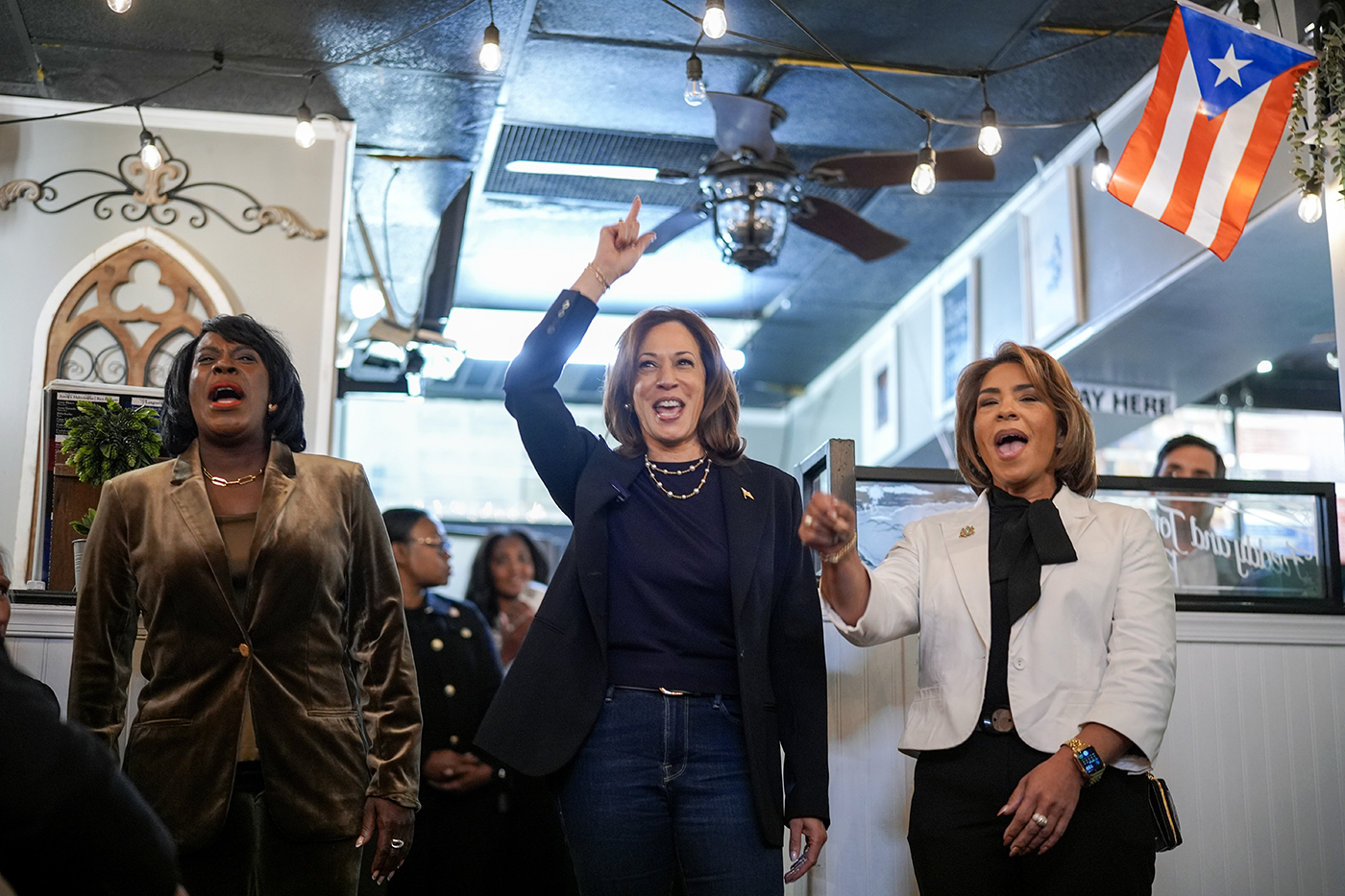
Within Puerto Rico itself, a robust and active democratic process takes place regularly. Residents of the island participate enthusiastically in elections for their governor, resident commissioner in the U.S. House of Representatives, members of the Legislative Assembly, mayors of the 78 municipalities, and various other local offices. These elections are vital for shaping the island’s internal governance, fiscal policies, and social programs.
The electoral system in Puerto Rico is well-established, with a dedicated electoral commission overseeing the process. Voter registration is a key aspect, and campaigns are often lively, reflecting passionate debates about the island’s future. Turnout for these local elections is generally high, demonstrating a strong commitment to self-determination and democratic participation among the populace. Candidates and parties vie for support based on platforms addressing critical issues such as economic development, education, healthcare, and the island’s political status.
Key Territorial Offices
- Governor: The chief executive of Puerto Rico, responsible for implementing laws and overseeing the executive branch.
- Resident Commissioner: Although Puerto Rico does not have voting representation in the U.S. Congress, the Resident Commissioner serves as a non-voting delegate in the U.S. House of Representatives, advocating for the island’s interests and introducing legislation.
- Mayors: Elected officials responsible for the administration of each of the island’s 78 municipalities, managing local services and development.
Federal Elections: The Nuance of U.S. Citizenship
The participation of people in Puerto Rico in federal elections, such as those for the President of the United States or U.S. Senators, is where the complexity arises. As U.S. citizens, Puerto Ricans have the right to vote in federal elections, but this right is contingent upon their residency.
Individuals who permanently relocate from Puerto Rico to one of the 50 U.S. states or the District of Columbia are eligible to vote in federal elections in their new state of residence. They register to vote there and cast their ballots for federal offices. This is a standard procedure for any U.S. citizen moving between states or from a territory to a state.
However, residents who remain domiciled in Puerto Rico do not vote in U.S. presidential elections. This is because Puerto Rico does not have electoral votes, and its residents are not represented by U.S. Senators or voting members in the House of Representatives. While they can vote for their non-voting Resident Commissioner, they do not cast ballots for the U.S. President. This distinction is a direct consequence of Puerto Rico’s territorial status, a point of ongoing political debate and aspiration for change among many Puerto Ricans.

U.S. Citizenship and Voting Rights
- U.S. Citizens by Birth: All persons born in Puerto Rico are U.S. citizens by birth.
- Federal Election Eligibility: U.S. citizens residing in Puerto Rico are not eligible to vote in U.S. federal elections, including presidential elections, unless they establish residency in a U.S. state.
- Representation: The island elects a Resident Commissioner who serves in the U.S. House of Representatives but does not have voting power.
The Political Status Debate and Electoral Participation
The debate over Puerto Rico’s political status—whether it should become a state, remain a territory, or gain independence—profoundly influences electoral participation and discourse on the island. Referendums on status have been held periodically, with varying degrees of participation and outcomes. These votes, while often non-binding for the U.S. Congress, serve as crucial indicators of the popular will and aspirations of the Puerto Rican people.
The outcome of these status plebiscites fuels political campaigns and shapes the platforms of candidates running for local and territorial offices. Parties are often aligned with particular status aspirations, creating a dynamic political environment where the future governance of the island is a constant topic of discussion and electoral strategy. The desire for greater self-determination and a clearer political future is a significant motivator for electoral engagement among many Puerto Ricans.
Historical Context of Status Votes
- 1967: First plebiscite, favoring the continuation of the Commonwealth status.
- 1993: Second plebiscite, with a narrow victory for Commonwealth status, though statehood also garnered significant support.
- 1998: Third plebiscite, where “None of the Above” received the largest vote share, reflecting dissatisfaction with the options presented.
- 2012: A two-part referendum saw a majority vote against the current territorial status and a majority in favor of statehood.
- 2017: A low-turnout plebiscite resulted in an overwhelming vote for statehood, though concerns about the legitimacy of the process were raised.
- 2020: Another non-binding referendum, where statehood again received a majority of the votes cast.
Impact on Tourism and Understanding the Island
For visitors and those interested in Puerto Rico, understanding this electoral landscape adds a layer of depth to their experience. It moves beyond simply enjoying the beautiful beaches like Flamenco Beach or exploring the historic streets of Old San Juan, to appreciating the civic engagement and political consciousness of its people. The vibrancy of local elections, the passionate discussions about national identity, and the ongoing dialogue about Puerto Rico’s relationship with the United States are all integral parts of the island’s cultural fabric.
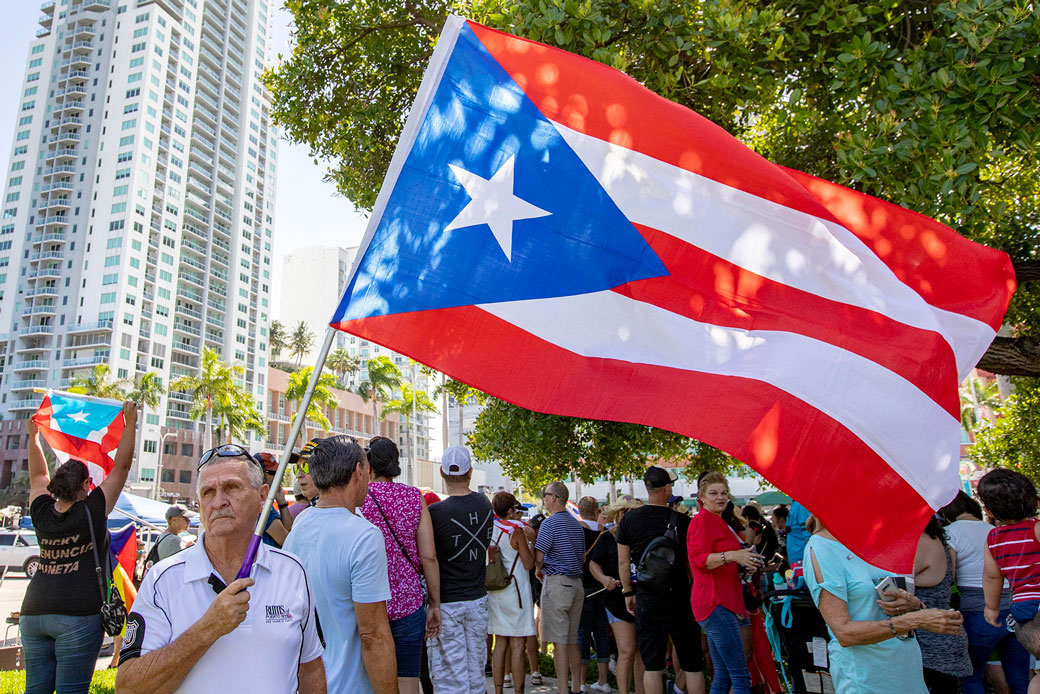
When you engage with Puerto Ricans, whether discussing everyday life or larger political questions, you encounter a citizenry deeply invested in their governance and future. This civic participation is a testament to their resilience and their commitment to democratic principles, even within the unique context of their territorial status. It highlights that Puerto Rico is not just a destination of sun and sand, but a place with a dynamic, engaged populace actively shaping its destiny through the ballot box. The political discussions, much like the vibrant music and rich history, are an intrinsic part of the Puerto Rican experience.
Experiencing Puerto Rican Civic Life
- Observe local discussions: Pay attention to conversations and public discourse, which often reflect political engagement.
- Engage with local media: Follow Puerto Rican news outlets to understand current issues and debates.
- Visit local government buildings: Witness the centers of territorial and municipal governance.
- Understand historical sites: Learn about moments in Puerto Rico’s history that have shaped its political present.
In conclusion, the answer to “Do people in Puerto Rico vote?” is a definite yes, encompassing robust participation in territorial elections and a nuanced engagement with federal electoral processes dictated by their status as a U.S. territory.
LifeOutOfTheBox is a participant in the Amazon Services LLC Associates Program, an affiliate advertising program designed to provide a means for sites to earn advertising fees by advertising and linking to Amazon.com. Amazon, the Amazon logo, AmazonSupply, and the AmazonSupply logo are trademarks of Amazon.com, Inc. or its affiliates. As an Amazon Associate we earn affiliate commissions from qualifying purchases.