
The question of whether Puerto Rico votes for the US President is a complex one, touching upon the island’s unique political status as an unincorporated territory of the United States. While Puerto Ricans are US citizens, their political participation in federal elections, particularly presidential ones, differs significantly from residents of the 50 states. Understanding this distinction requires a deeper dive into the island’s history, its relationship with the mainland, and the mechanics of the US electoral process.
The Political Status of Puerto Rico
To grasp why Puerto Rico doesn’t directly vote for the US President in the general election, it’s crucial to understand its designation as a US territory. Unlike states, territories are under the jurisdiction of the US Congress, which holds ultimate authority over their governance. This relationship, established through various organic acts and court decisions over more than a century, has resulted in a unique set of rights and limitations for Puerto Ricans.
A Territory, Not a State
The US Constitution outlines different categories of possessions, with states being the primary political entities. Unincorporated territories, such as Puerto Rico, Guam, the US Virgin Islands, and the Northern Mariana Islands, are considered possessions but not an integral part of the United States. This means that while Puerto Ricans are granted US citizenship, the rights and protections afforded by the Constitution do not always apply in the same manner as they do to citizens residing in the states. This has been a persistent point of contention and debate, with many advocating for a change in status, either through statehood, independence, or a more enhanced form of commonwealth.
The “No Taxation Without Representation” Dilemma
A significant aspect of the territorial debate revolves around the principle of “no taxation without representation.” Puerto Ricans are generally exempt from paying federal income tax on income earned in Puerto Rico. However, they do pay other federal taxes, such as Social Security and Medicare taxes, and customs duties. Despite this, they do not have voting representation in the US Congress – no voting members in the House of Representatives or senators. This lack of direct representation fuels the argument that their political rights are curtailed, especially when considering their contributions and obligations.
Presidential Elections and Puerto Rican Participation
While Puerto Ricans cannot cast a ballot for their preferred presidential candidate in the November general election, they do participate in the presidential nomination process through delegates. This is a critical distinction that often leads to confusion.
Primaries and Caucuses
The Democratic and Republican parties in Puerto Rico hold their own primary elections or caucuses. Puerto Ricans who are registered with one of these parties can vote for their preferred presidential nominee. The delegates selected from these contests then attend the national party conventions to cast their votes for the nominee who will ultimately represent the party on the general election ballot.
The Democratic Primary
The Democratic Party in Puerto Rico has a more established process for presidential primaries. Voters registered as Democrats can participate in the primary election, which selects delegates to the Democratic National Convention. These delegates are bound to vote for a particular candidate at the convention according to the rules of the Democratic Party. Historically, Puerto Rico’s Democratic primary has sometimes influenced the national race, depending on the competitiveness of the nomination contest.
The Republican Primary
Similarly, the Republican Party in Puerto Rico also holds a primary to select delegates for the Republican National Convention. Republicans on the island can vote for their preferred presidential candidate, and the resulting delegates participate in the convention’s proceedings. The influence of Puerto Rico’s Republican primary on the national outcome can vary greatly depending on the year and the field of candidates.
The General Election Silence
Despite this engagement in the nomination process, Puerto Ricans residing on the island are unable to vote in the US general presidential election. This means that while they can help choose who becomes a nominee, they cannot directly choose who will be the next President of the United States. This disenfranchisement is a core issue in the ongoing discussions about the island’s political future.
The Impact on Representation and Governance
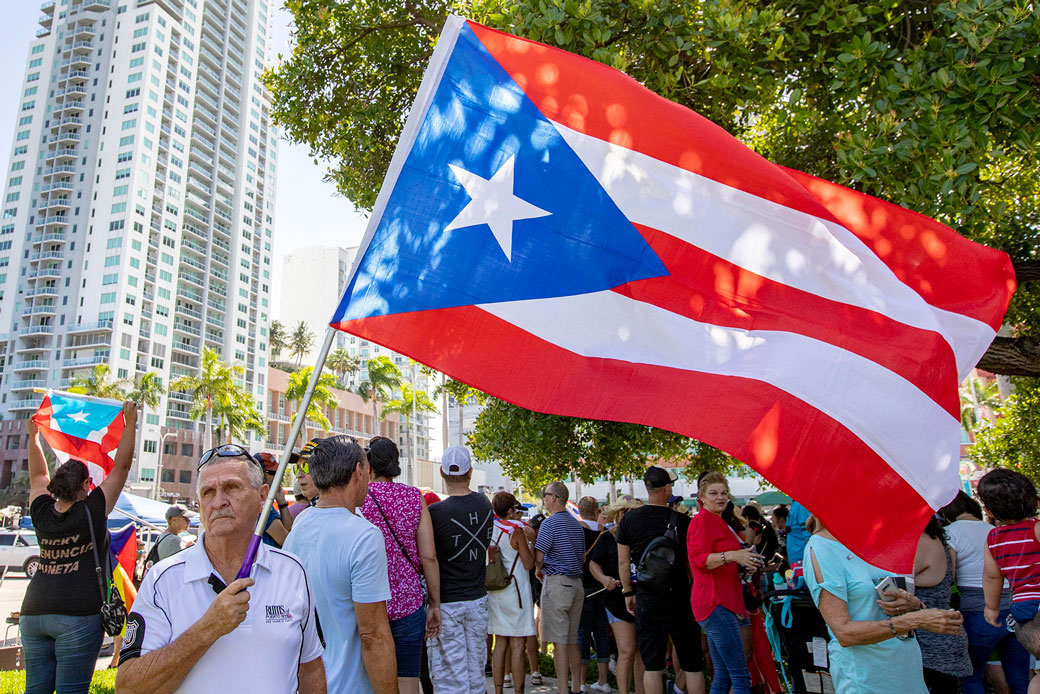
The inability of Puerto Ricans to vote for the US President has tangible consequences for the island and its residents, impacting their representation and the US government’s approach to their governance.
Lack of Direct Mandate
When a US President is elected, they do not receive a direct mandate from the voters of Puerto Rico. While presidents and their administrations often engage with territorial issues, the lack of a direct vote means that Puerto Rican concerns may not always be as high a priority as those of the voting states. This can affect policy decisions related to federal funding, economic development, infrastructure, and disaster relief.
Influence Through Other Channels
Despite the lack of a direct presidential vote, Puerto Ricans and their elected officials actively seek to influence US policy through various channels. They lobby Congress, engage with the executive branch, and advocate for their interests through grassroots movements and political organizations. The Resident Commissioner from Puerto Rico serves in the House of Representatives with voting rights on committees but without a vote on the House floor, providing a voice but not full representation.
The Debate on Statehood and Independence
The question of presidential voting is intrinsically linked to the broader debate about Puerto Rico’s political status. Proponents of statehood argue that statehood would grant Puerto Ricans full voting rights, including the ability to vote for the President and have representation in Congress. Those who advocate for independence believe that severing ties with the US would allow Puerto Rico to chart its own political course, free from the limitations imposed by territorial status. Others support an enhanced commonwealth status, seeking greater autonomy while maintaining a relationship with the US.
Historical Context and Evolving Rights
The relationship between Puerto Rico and the US has evolved significantly since the island was ceded by Spain to the United States following the Spanish-American War in 1898. The Foraker Act of 1900 established Puerto Rico as an unincorporated territory, and subsequent legislation, including the Jones-Shafroth Act of 1917, granted US citizenship to Puerto Ricans.
The Path to Citizenship
The granting of US citizenship in 1917 was a landmark event, but it did not automatically confer the full rights of citizens residing in the states. The distinction between unincorporated and incorporated territories remained, shaping the legal and political landscape for Puerto Ricans. Over the decades, Puerto Ricans have served in the US military, contributed to the US economy, and been subject to US laws, all while navigating a complex political status.
Judicial Interpretations
Court decisions, particularly those of the Supreme Court, have played a crucial role in defining the rights of residents in US territories. Cases such as Downes v. Bidwell (1901) established the doctrine of unincorporated territories, differentiating them from states. Subsequent rulings have further refined the application of US laws and constitutional provisions to territories, often leading to a patchwork of rights and responsibilities.
The Future of Puerto Rican Political Participation
The question of whether Puerto Rico votes for the US President remains a potent symbol of the island’s ongoing struggle for full political equality. As debates about the island’s status continue, so too does the discussion about how Puerto Ricans can best exercise their democratic rights.
Referendums and Plebiscites
Puerto Rico has held numerous referendums and plebiscites to gauge the will of its people regarding their political status. While these votes have often shown a desire for change, the ultimate decision rests with the US Congress. The results of these local polls are influential but not determinative in changing Puerto Rico’s relationship with the United States.
Calls for Deeper Engagement
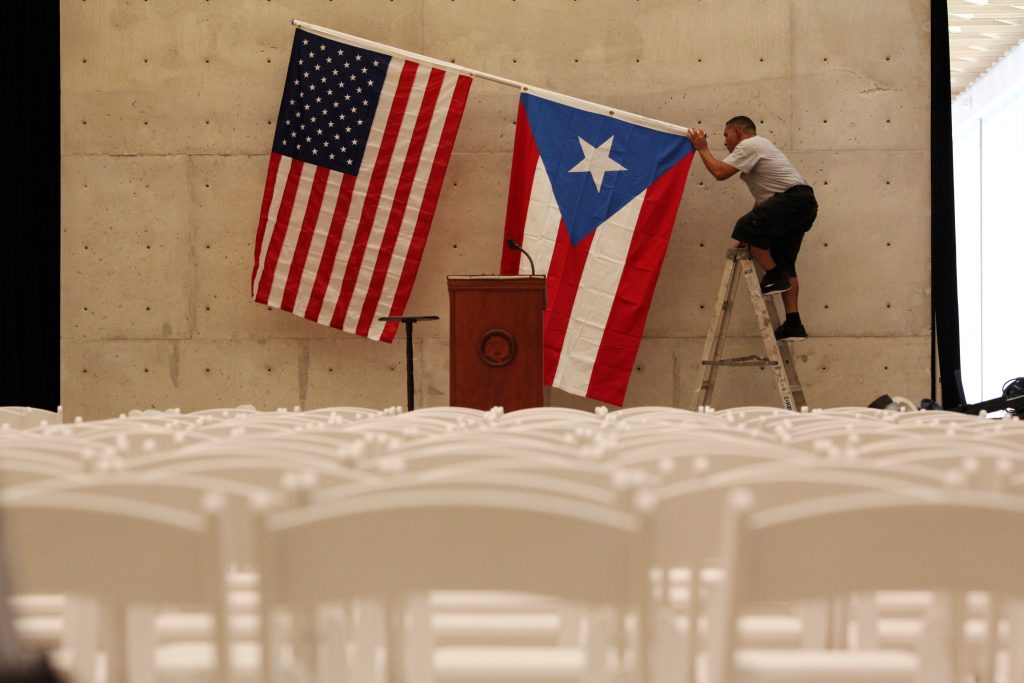
Many Puerto Ricans and their allies advocate for a more inclusive US political system that respects the democratic aspirations of all US citizens, regardless of their residence. This includes calls for allowing Puerto Ricans on the island to vote in the presidential general election, a move that would fundamentally alter the political calculus and the perception of Puerto Rico’s place within the United States. Until such changes are enacted, the island’s residents will continue to participate in the nomination process while remaining unable to cast a direct vote for the nation’s highest office in the general election.
LifeOutOfTheBox is a participant in the Amazon Services LLC Associates Program, an affiliate advertising program designed to provide a means for sites to earn advertising fees by advertising and linking to Amazon.com. Amazon, the Amazon logo, AmazonSupply, and the AmazonSupply logo are trademarks of Amazon.com, Inc. or its affiliates. As an Amazon Associate we earn affiliate commissions from qualifying purchases.