
Understanding the financial relationship between Puerto Rico and the United States is crucial for any traveler or potential resident considering this vibrant Caribbean island. While a U.S. territory, Puerto Rico operates under a unique tax system that often leads to confusion. This guide aims to clarify the intricacies of taxation for individuals and businesses within the island, shedding light on how it impacts travel and life on the island.
The Nuances of U.S. Federal Taxation in Puerto Rico
The core of the tax question lies in the distinction between U.S. citizens residing in the mainland and those residing in Puerto Rico. Generally, individuals residing in the U.S. pay federal income tax on their worldwide income. However, for residents of Puerto Rico, the situation is significantly different due to the island’s status as an unincorporated territory of the United States.
Federal Income Tax for Residents
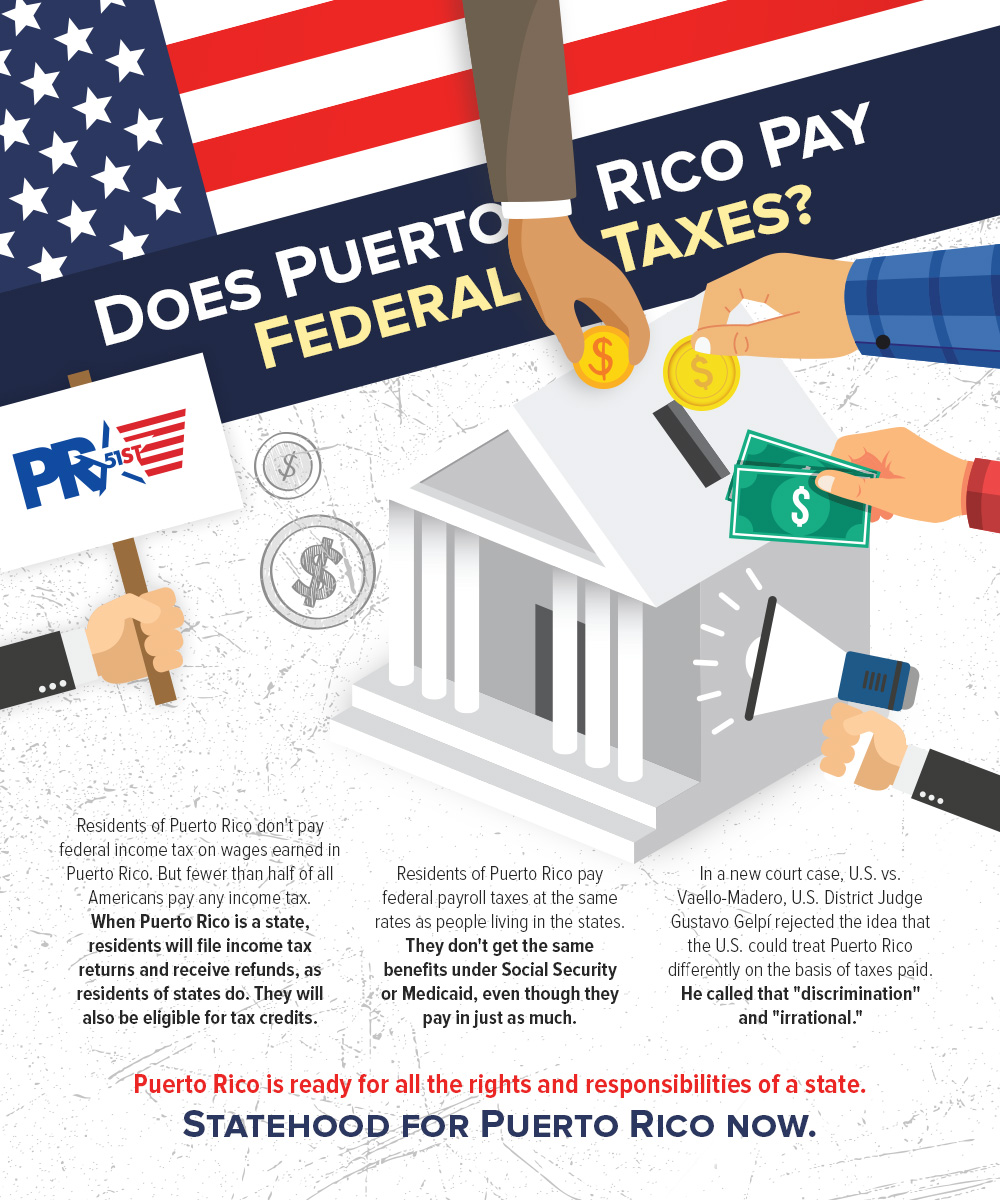
A key principle is that residents of Puerto Rico who are U.S. citizens are generally not required to pay federal income tax on income earned within Puerto Rico. This exemption is a cornerstone of the island’s economic policy, intended to encourage local development and investment. This means that if you are a bona fide resident of Puerto Rico and your income originates from sources within the island, you do not owe U.S. federal income tax on that income.
However, there are important caveats. If a resident of Puerto Rico earns income from sources outside of Puerto Rico, that income is subject to U.S. federal income tax. This distinction is critical for individuals who may have investments, businesses, or employment that extends beyond the island’s borders.
Social Security and Medicare Taxes
While federal income tax is largely exempted, other federal taxes do apply. Residents of Puerto Rico are subject to U.S. Social Security and Medicare taxes. These taxes are collected by employers and self-employed individuals, contributing to the broader U.S. social insurance programs. This means that, in essence, many working residents of Puerto Rico do contribute to these vital federal programs, even if they are exempt from federal income tax.
Other Federal Taxes
Certain other federal taxes may also apply. For instance, excise taxes on goods manufactured in Puerto Rico and exported to the U.S. mainland are typically paid. Additionally, federal payroll taxes, such as unemployment taxes, are generally applicable. The specific application of these taxes can be complex and often depends on the nature of the business or individual activity.
Local Taxation in Puerto Rico
Beyond federal considerations, Puerto Rico has its own robust system of local taxation, which is the primary source of revenue for the insular government. This system mirrors many aspects of U.S. state-level taxation but with unique provisions tailored to the island’s economic landscape.
Income Tax on the Island
Residents of Puerto Rico are subject to Puerto Rico income tax on their income earned within the island. The tax rates and brackets are set by the Puerto Rico Department of Treasury. These rates can be progressive, meaning higher earners pay a larger percentage of their income in taxes. The administration of this tax is handled entirely by the local government.
Sales and Use Tax (IVU)
One of the most significant forms of taxation for individuals in Puerto Rico is the sales and use tax, known locally as the “Impuesto sobre las Ventas y Uso” (IVU). This tax is levied on most goods and services purchased on the island. The IVU rate has varied over time but generally applies at a significant percentage, impacting the cost of everyday items and tourist expenditures. For travelers, this is a direct and visible tax that affects the price of meals, souvenirs, and various activities.
Property Taxes
Property ownership in Puerto Rico is subject to local property taxes. These taxes are assessed by municipal governments and are based on the assessed value of the property. Rates vary by municipality, and the revenue generated helps fund local services. For those considering purchasing property or engaging in long-term stays, understanding these property tax obligations is essential.
Business Taxes and Incentives

Puerto Rico actively seeks to attract businesses through various tax incentives. Historically, acts like Act 20 (now transitioning to Act 60) have offered significant tax benefits, including reduced corporate income tax rates and exemptions from certain local taxes, for companies that establish operations on the island and export services. These incentives are designed to stimulate economic growth and job creation. However, the specifics of these programs are complex and subject to change, often requiring professional advice for businesses to navigate.
Implications for Travelers and Visitors
For most tourists visiting Puerto Rico for short stays, the tax implications are relatively straightforward and primarily involve the sales and use tax (IVU).
Impact on Tourist Spending
The IVU is applied to many purchases made by tourists, from hotel stays at places like the El San Juan Hotel or the Caribe Hilton to dining in popular restaurants in Old San Juan and purchasing souvenirs. While not always itemized as a separate line item on every bill, it is factored into the overall cost. Understanding that a portion of your expenditure goes towards local taxes is part of the travel experience.
No U.S. Federal Income Tax for Short-Term Visitors
Crucially, short-term visitors to Puerto Rico who are not residents of the island do not owe U.S. federal income tax on any expenses incurred during their stay. The U.S. federal income tax exemption for Puerto Rico residents does not extend to temporary visitors who maintain their primary residence elsewhere in the U.S. or abroad.
Special Tax Considerations for Residents and Businesses
For individuals considering relocation or businesses looking to establish a presence in Puerto Rico, a deeper dive into the tax landscape is necessary.
Bona Fide Residency Requirements
To qualify for the exemption from U.S. federal income tax on income earned within Puerto Rico, an individual must establish bona fide residency. This typically involves meeting certain physical presence tests and demonstrating an intent to reside permanently on the island. Proving this status often requires substantial documentation and adherence to specific IRS and Puerto Rico Department of Treasury guidelines.
Tax Incentives and Economic Development
Puerto Rico has historically utilized tax policy as a tool for economic development. Beyond the business incentives, there have been efforts to attract high-net-worth individuals and skilled professionals through special tax decrees, offering reduced rates on certain income. These programs are subject to change and require careful evaluation of eligibility criteria and long-term commitment.
Double Taxation and Tax Treaties
While the general rule exempts Puerto Rico sourced income from U.S. federal tax for residents, complex situations can arise, particularly concerning income earned from both Puerto Rico and the U.S. mainland. While Puerto Rico is not a sovereign nation with its own tax treaties in the traditional sense, agreements and specific provisions within U.S. tax law aim to prevent outright double taxation where applicable. Navigating these requires expert tax advice.
Understanding the Financial Relationship
The tax framework in Puerto Rico is a reflection of its unique political and economic status. It is a territory where U.S. federal laws apply, but with significant modifications, particularly concerning income taxation for residents. While travelers primarily encounter the local sales and use tax, the broader implications of federal and local taxation are fundamental to understanding the island’s economic health and its relationship with the United States.
A Unique Territorial Status
The unincorporated nature of Puerto Rico as a U.S. territory means that Congress has the ultimate authority over its governance and, by extension, its tax structure. This has led to a hybrid system that attempts to balance the island’s need for economic self-sufficiency with its ties to the U.S. federal government. For visitors, this translates to an experience that feels distinctly Caribbean yet is integrated into the broader U.S. economic and legal framework.
Economic Impact and Future Outlook
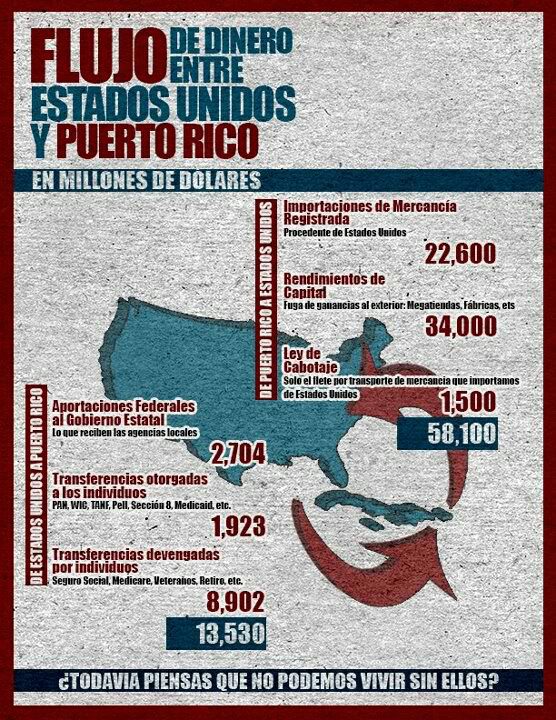
The tax policies in Puerto Rico have a profound impact on its economy, influencing investment, employment, and the cost of living. The island’s government continually evaluates these policies to foster sustainable growth and improve the quality of life for its residents. As Puerto Rico continues to evolve, understanding its tax landscape is not just an academic exercise but a practical necessity for anyone engaging with the island, whether as a tourist exploring the wonders of El Yunque National Forest or as a business owner considering operations in San Juan.
LifeOutOfTheBox is a participant in the Amazon Services LLC Associates Program, an affiliate advertising program designed to provide a means for sites to earn advertising fees by advertising and linking to Amazon.com. Amazon, the Amazon logo, AmazonSupply, and the AmazonSupply logo are trademarks of Amazon.com, Inc. or its affiliates. As an Amazon Associate we earn affiliate commissions from qualifying purchases.