
The question of the territorial status of Puerto Rico is a complex one, deeply rooted in history and continually debated in contemporary political discourse. Far from a simple property transaction, the relationship between the United States and Puerto Rico is defined by a unique legal and political framework that has evolved over more than a century. Understanding this dynamic is crucial for anyone interested in the island’s future, its cultural identity, and its role within the broader American sphere.
A Historical Overview of the Relationship
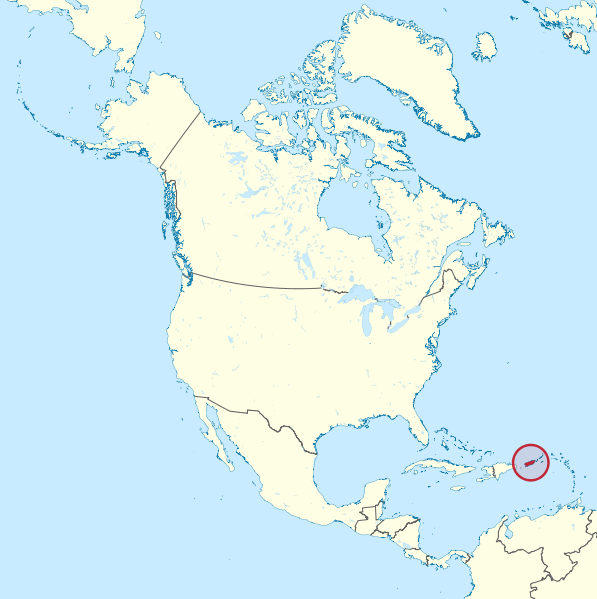
The current relationship between the United States and Puerto Rico traces its origins to the Spanish-American War. In 1898, as part of the Treaty of Paris that ended the conflict, Spain ceded Puerto Rico, along with Cuba and Guam, to the United States. This marked the beginning of Puerto Rico’s status as an unincorporated territory of the United States.
The Foraker Act and Its Implications
Shortly after the cession, the U.S. Congress passed the Foraker Act in 1900, officially known as the Organic Act of 1900. This legislation established a civilian government in Puerto Rico but also solidified its territorial status. Crucially, the act declared that the island was not to be incorporated into the United States nor was it destined for statehood. Instead, it was deemed an “unincorporated territory,” meaning that the U.S. Constitution did not automatically apply in its entirety. This distinction has had profound implications for the rights and representation of Puerto Ricans.
The Jones-Shafroth Act and Citizenship
A significant development occurred in 1917 with the passage of the Jones-Shafroth Act, also known as the Organic Act of 1917. This act granted statutory U.S. citizenship to all inhabitants of Puerto Rico. This was a monumental shift, as it provided Puerto Ricans with a level of national identification previously unavailable. However, it’s important to note that this was a statutory grant, not a constitutional one, and it did not confer the same rights as citizenship for residents of the fifty states. For instance, Puerto Ricans are U.S. citizens but cannot vote in U.S. presidential elections unless they reside in one of the fifty states.
Understanding “Territory” in the U.S. Context
The legal definition of a territory within the United States system is central to understanding the island’s political standing. Puerto Rico is classified as an unincorporated territory. This means that while it belongs to the United States, the full extent of the U.S. Constitution does not automatically apply. The Supreme Court case Downes v. Bidwell (1901) established this doctrine, holding that territories are “belonging to, but not a part of, the United States.” This legal interpretation has allowed Congress to determine which parts of the Constitution apply to Puerto Rico and to govern it through specific legislation.
Unincorporated vs. Incorporated Territories
The distinction between unincorporated and incorporated territories is critical. Incorporated territories are considered by Congress to be on a path toward statehood, and the U.S. Constitution generally applies fully. Examples of incorporated territories in the past include Alaska and Hawaii before they became states. Unincorporated territories, on the other hand, are seen as possessions of the United States rather than integral parts of the nation, and Congress has broad authority over their governance. Puerto Rico falls into this latter category, alongside other U.S. territories like Guam, the U.S. Virgin Islands, and the Northern Mariana Islands.

The “Commonwealth” Designation
In 1952, Puerto Rico adopted its own constitution, establishing a local government structure. Congress approved this constitution through Public Law 600. This led to the designation of Puerto Rico as a “Commonwealth.” While the term “commonwealth” is often associated with a degree of autonomy, in the context of Puerto Rico, it has not fundamentally altered its status as an unincorporated territory. The U.S. Supreme Court, in cases such as Puerto Rico v. Branstad (1998), has affirmed that Puerto Rico remains subject to the plenary power of the U.S. Congress.
Political Status Debates and Aspirations
The question of ownership is deeply intertwined with the ongoing debates surrounding Puerto Rico’s political status. The residents of Puerto Rico have, through various plebiscites and political movements, expressed a desire to resolve this ambiguity. The primary status options typically discussed are:
Statehood
Proponents of statehood envision Puerto Rico becoming the 51st state of the United States. This would mean full application of the U.S. Constitution, representation in Congress with voting rights, and eligibility for all federal programs and funding at parity with the states. Supporters argue this would provide full political equality and economic stability.
Independence
Advocates for independence seek full sovereignty for Puerto Rico, establishing it as an independent nation. This option would grant Puerto Rico the autonomy to set its own foreign policy, economic regulations, and national identity, free from U.S. federal oversight. Concerns often raised include the economic implications of severing ties with the United States.
Enhanced Commonwealth/Free Association
This option aims to redefine the current commonwealth status, granting Puerto Rico greater autonomy while maintaining a connection with the United States. This could involve agreements similar to those of countries in free association with other nations, where Puerto Rico would manage its internal affairs and certain international relations, while the United States would retain responsibilities for defense and currency.
Conclusion: A Territory, Not Owned Property
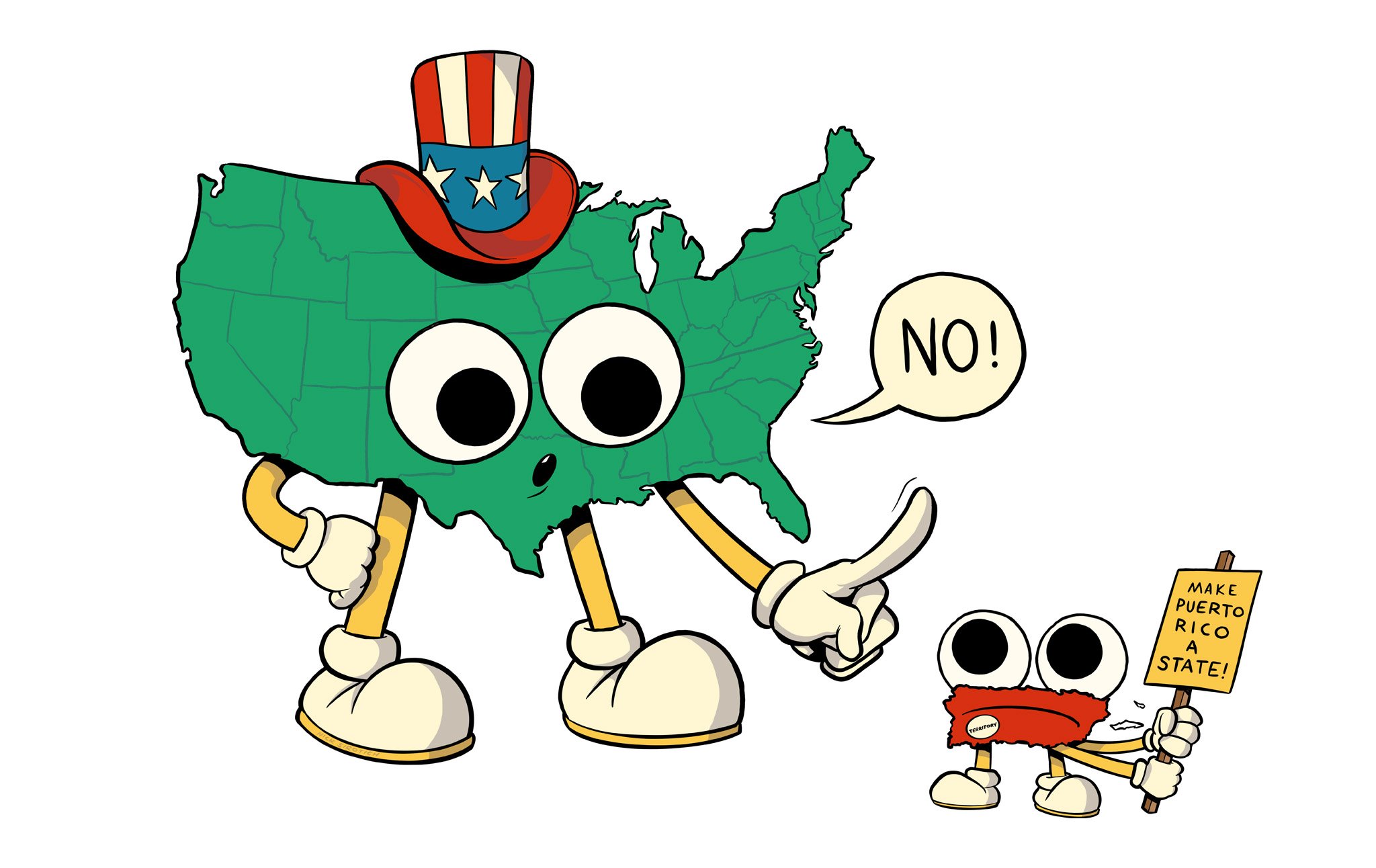
In response to the title’s question, the United States does not “own” Puerto Rico in the sense of chattel property. Instead, Puerto Rico is an unincorporated territory of the United States. This status is legally defined by Congressional acts and Supreme Court decisions, granting the U.S. Congress ultimate authority over the island’s governance. The residents are U.S. citizens by statute, but their political rights and the island’s self-determination remain subjects of ongoing discussion and aspiration. The unique relationship continues to shape the identity, economy, and future trajectory of Puerto Rico as it navigates its complex position within the American political landscape.
LifeOutOfTheBox is a participant in the Amazon Services LLC Associates Program, an affiliate advertising program designed to provide a means for sites to earn advertising fees by advertising and linking to Amazon.com. Amazon, the Amazon logo, AmazonSupply, and the AmazonSupply logo are trademarks of Amazon.com, Inc. or its affiliates. As an Amazon Associate we earn affiliate commissions from qualifying purchases.