
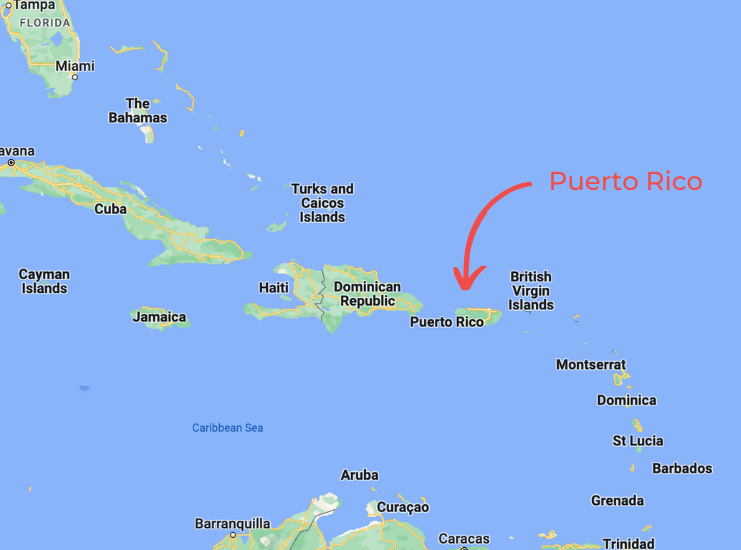
The Caribbean Sea, a vast expanse of sapphire waters, separates two jewel-like islands, the Dominican Republic and Puerto Rico. For travelers planning an island-hopping adventure or seeking to understand the geographical proximity of these popular destinations, the question of “how far” is a crucial one. The distance is not merely a number; it dictates travel time, transportation options, and the overall feasibility of incorporating both into a single itinerary. Understanding this geographical relationship is key to unlocking seamless travel experiences between these vibrant Caribbean nations.
The shortest distance between the Dominican Republic and Puerto Rico is approximately 70 miles (112 kilometers) as the crow flies. This aerial distance is measured from the easternmost point of the Dominican Republic, near the island of Saona, to the westernmost tip of Puerto Rico. However, this direct measurement rarely reflects practical travel. When considering actual travel routes, the distance can vary depending on the specific departure and arrival points on each island, as well as the chosen mode of transportation. The strategic location of these islands, part of the Greater Antilles archipelago, places them in close proximity, fostering a sense of regional connection and making inter-island travel a common consideration for many visitors.

Navigating the Waters: Maritime Distances
While air travel is often the most direct route, understanding the maritime distance offers a different perspective and is relevant for those considering sea voyages, whether for leisure or as part of a larger nautical expedition. The sea distance between the major ports of the Dominican Republic and Puerto Rico is significantly longer than the aerial path. For instance, the sea route from Santo Domingo, the capital of the Dominican Republic, to San Juan, the capital of Puerto Rico, is approximately 130 to 150 nautical miles (around 240 to 280 kilometers).
Factors Influencing Sea Travel Time
The actual time taken for a sea journey is subject to several variables:
- Vessel Type: The speed of the ferry, cruise ship, or private yacht will dictate the travel duration. Larger, more modern vessels can often cover the distance faster.
- Sea Conditions: The Caribbean Sea can experience varying weather patterns. Rough seas or strong currents can slow down travel times considerably.
- Port Calls: For ferries or cruise ships, any intermediate stops will add to the overall journey time.
- Routing: Navigational channels, safety considerations, and preferred routes can also influence the exact distance and time.
For those embarking on a sailing adventure, charting a course between these two islands requires careful planning, taking into account prevailing winds, potential for tropical storms, and necessary supplies. The presence of numerous smaller islands and cays within the passage also offers potential anchorages and points of interest for intrepid sailors.
Bridging the Gap: Air Travel Realities
The most common and practical method of traversing the distance between the Dominican Republic and Puerto Rico is by air. Numerous flights connect the two islands daily, making them easily accessible to international and regional travelers alike. The flight duration is remarkably short, underscoring their geographical closeness.

Flight Durations and Frequency
Direct flights between San Juan and major airports in the Dominican Republic, such as Las Américas International Airport (SDQ) in Santo Domingo or Gregorio Luperón International Airport (POP) near Puerto Plata, typically last between 45 minutes to 1 hour and 15 minutes. This brevity makes day trips or short inter-island hops entirely feasible.
Airlines such as Spirit Airlines, Frontier Airlines, and various Caribbean carriers frequently operate these routes. The frequency of flights can vary depending on the season and demand, but generally, there are multiple options available throughout the day, offering flexibility for travelers. Booking flights in advance is often recommended, especially during peak tourist seasons, to secure the best fares and flight times.
Airport Considerations
When planning air travel, it’s important to consider the specific airports on each island. Luis Muñoz Marín International Airport (SJU) serves San Juan, Puerto Rico. In the Dominican Republic, besides SDQ and POP, Punta Cana International Airport (PUJ) is another major hub that receives international traffic and can be a convenient departure or arrival point depending on your specific itinerary within the Dominican Republic. The ease of access to and from these airports, along with their connectivity to major transportation networks on land, further enhances the appeal of island hopping.
Planning Your Inter-Island Journey
The close proximity between the Dominican Republic and Puerto Rico opens up a world of possibilities for travelers. Whether you are looking to experience the vibrant culture of Santo Domingo, relax on the pristine beaches of Punta Cana, explore the historic streets of Old San Juan, or hike through the El Yunque rainforest, combining these destinations is an achievable and enriching travel plan.
Travel Itinerary Considerations
When designing an itinerary that includes both islands, consider the following:
- Entry Requirements: While both are popular tourist destinations, ensure you are aware of any visa or entry requirements specific to your nationality. For U.S. citizens, both are U.S. territories or have easy entry, but it’s always prudent to check current regulations.
- Transportation Within Islands: Once you arrive at your destination airport, plan your ground transportation. Rental cars are widely available on both islands, offering flexibility. Taxis, ride-sharing services, and public transportation options also exist, though their availability and convenience can vary by region.
- Budget: Factor in the cost of flights, accommodation, activities, and daily expenses for both locations. The Dominican Republic is often perceived as more budget-friendly for certain aspects, while Puerto Rico offers a range of options from luxury resorts to more economical stays.
- Duration: A short trip might focus on one or two key areas on each island, perhaps a few days in San Juan and a few days in Santo Domingo. Longer trips allow for deeper exploration of diverse landscapes and cultural experiences across both nations.
Maximizing Your Caribbean Experience
The ease of travel between these two islands significantly enhances the potential for a comprehensive Caribbean experience. You can easily sample the distinct flavors of Dominican cuisine, known for its hearty dishes like sancocho and la bandera dominicana, and then immerse yourself in the Mofongo and Lechón traditions of Puerto Rico. The musical influences also differ, with the Dominican Republic being the birthplace of Merengue and Bachata, while Puerto Rico is synonymous with Salsa and Reggaeton. This proximity allows travelers to gain a richer appreciation for the diverse cultural tapestry of the Greater Antilles. Planning a trip that seamlessly incorporates both islands is a testament to their accessibility and the unique allure each destination offers.
LifeOutOfTheBox is a participant in the Amazon Services LLC Associates Program, an affiliate advertising program designed to provide a means for sites to earn advertising fees by advertising and linking to Amazon.com. Amazon, the Amazon logo, AmazonSupply, and the AmazonSupply logo are trademarks of Amazon.com, Inc. or its affiliates. As an Amazon Associate we earn affiliate commissions from qualifying purchases.