
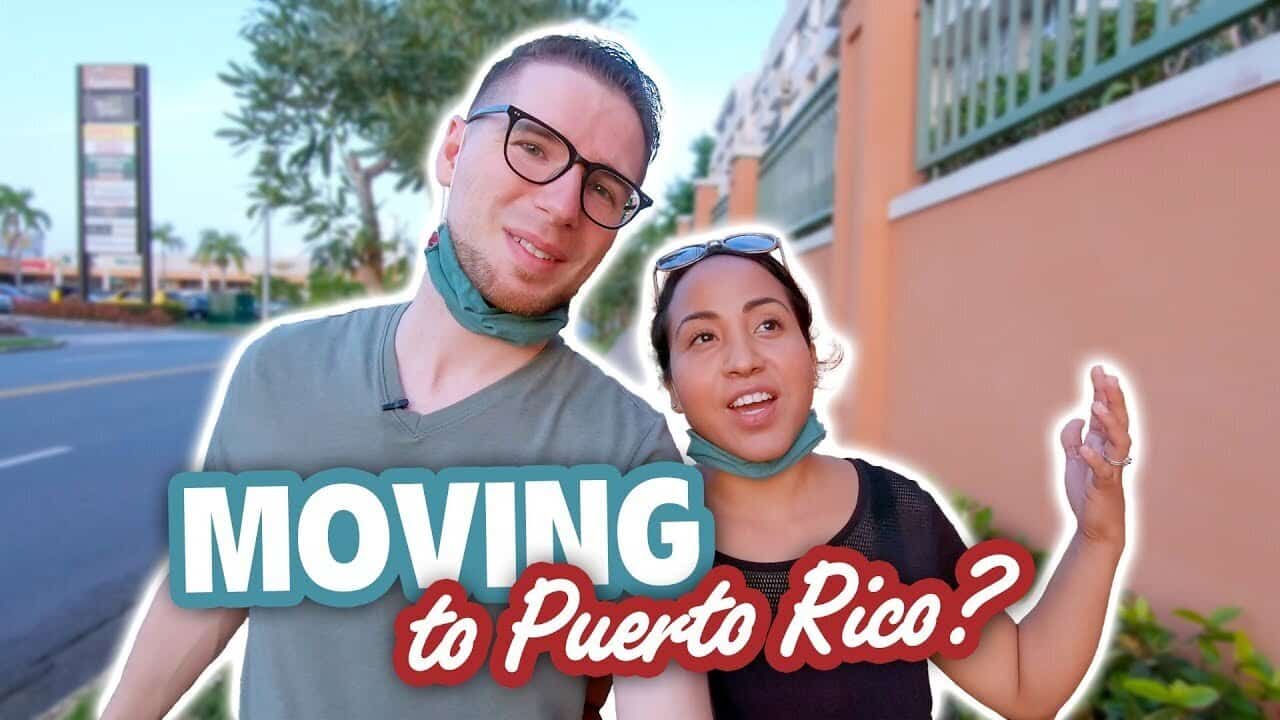
Moving to Puerto Rico from the United States is an exciting prospect for many seeking a tropical lifestyle, a lower cost of living, or a unique cultural experience. As an unincorporated U.S. territory, Puerto Rico offers a distinct advantage for U.S. citizens: no passport is required, and the U.S. dollar is the official currency. However, the process involves more than just packing your bags. Understanding the logistical, legal, and lifestyle considerations is crucial for a smooth transition. This guide delves into the essential aspects of relocating to the “Island of Enchantment,” focusing on the practicalities of establishing residency.
Understanding the Legal Framework and Residency
For U.S. citizens, the primary benefit of moving to Puerto Rico is the ease of establishing residency. No special visas or complex immigration procedures are necessary. However, there are distinctions between being a visitor and becoming a legal resident, which impacts tax obligations and access to local services.
Establishing Legal Residency
Becoming a legal resident of Puerto Rico involves demonstrating your intent to live there permanently. This typically involves actions such as obtaining a local driver’s license, registering to vote, opening a local bank account, and securing employment or establishing a business on the island. While there isn’t a strict “day count” requirement like some other jurisdictions, a consistent presence and the establishment of ties are key indicators.
Driver’s Licenses and Identification
Your existing U.S. driver’s license is valid in Puerto Rico for a period. However, for long-term residency, you will need to obtain a Puerto Rico driver’s license. This process usually involves visiting a Department of Public Works (Departamento de Obras Públicas) office, presenting your U.S. license, and passing a vision test. You may also need to provide proof of residency, such as a lease agreement or utility bill. Similarly, for identification purposes beyond your driver’s license, consider obtaining a Puerto Rico identification card.
Voting and Civic Participation
Registering to vote in local elections is a strong indicator of residency. As a resident of Puerto Rico, you can participate in municipal and gubernatorial elections, further solidifying your ties to the island.
Tax Implications: Act 60 and Beyond
One of the most significant draws for individuals and businesses relocating to Puerto Rico is the tax incentive program, formerly known as Act 20/22, now consolidated under Act 60. This legislation offers substantial tax benefits for qualifying residents.
Act 60: Individual Resident Investors
For individuals, Act 60 provides a 0% tax rate on passive income, including interest, dividends, and capital gains, for those who become bona fide residents of Puerto Rico and meet specific criteria. To qualify, you must:
- Not have been a resident of Puerto Rico for the ten years preceding your application.
- Have a closer connection to Puerto Rico than to any other place. This is determined by factors such as your primary home, the location of your immediate family, and your business interests.
- Spend at least 183 days in Puerto Rico during the taxable year.
- Have a total income greater than $10,000 for the taxable year.
Applying for and obtaining a tax exemption decree under Act 60 is a formal process that requires applying to the Puerto Rico Department of Economic Development and Commerce (Departamento de Desarrollo Económico y Comercio). It is highly recommended to consult with tax professionals specializing in Puerto Rico tax law to ensure compliance.
Other Tax Considerations
Beyond Act 60, U.S. citizens who become residents of Puerto Rico are generally exempt from paying U.S. federal income tax on their Puerto Rico-sourced income. However, you will still be subject to Puerto Rico income tax on income earned from sources outside of Puerto Rico unless it qualifies for Act 60 benefits. It’s essential to understand how your specific income streams will be taxed by both the Puerto Rico Department of Treasury (Departamento de Hacienda) and the Internal Revenue Service (IRS).
Logistics of Moving: Shipping, Transportation, and Banking
Relocating involves practical steps that require careful planning. Shipping household goods, transporting vehicles, and setting up financial infrastructure are key components of a successful move.
Shipping Household Goods
Shipping items to Puerto Rico from the mainland United States is similar to shipping between any two U.S. states, but with longer transit times and the involvement of maritime carriers.
Choosing a Shipping Company
Several reputable companies specialize in shipping to Puerto Rico. Options range from container shipping for larger moves to less-than-container-load (LCL) services for smaller shipments. Consider companies like Crowley, Sea-Land, or Trailer Bridge. Get quotes from multiple providers, compare services, and understand their insurance options.
Packing and Documentation
Proper packing is crucial to protect your belongings during the journey. Clearly label all boxes with your name, destination address in Puerto Rico, and a general list of contents. You will need to provide an inventory list for customs purposes, even though Puerto Rico is a U.S. territory. Ensure all valuable items are well-protected and consider shipping them separately or taking them with you.
Transit Times and Delivery
Transit times can vary significantly, typically ranging from a few days to several weeks, depending on the shipping method and port of origin. Once your goods arrive in Puerto Rico, you will usually need to arrange for pickup at the port or pay for local delivery.
Vehicle Transportation
Bringing a vehicle to Puerto Rico is a common need. U.S.-manufactured vehicles can be shipped, but you’ll need to navigate the registration and licensing process on the island.

Shipping Your Car
Similar to household goods, you can ship your car via roll-on/roll-off (RoRo) service or in a shipping container. Ensure your vehicle is clean and empty of personal belongings. The process is generally straightforward, but be prepared for the associated costs.
Registration and Licensing in Puerto Rico
Once your vehicle arrives, you must register it with the Puerto Rico Department of Transportation and Public Works (Departamento de Transportación y Obras Públicas). This involves obtaining Puerto Rico license plates and a registration sticker. You will need proof of ownership (title), proof of insurance, and potentially a bill of sale. Inspections are also required.
Banking and Financial Services
Establishing a banking presence in Puerto Rico is vital for managing your finances. While U.S. banks operate on the island, opening local accounts can simplify transactions and demonstrate residency.
Local Banks
Major banks with a strong presence in Puerto Rico include Banco Popular de Puerto Rico and Scotiabank. These institutions offer a full range of services, including checking accounts, savings accounts, loans, and mortgages. You will likely need proof of residency, such as a utility bill or lease agreement, along with your Social Security card and a valid U.S. photo ID to open an account.
Transferring Funds
For ongoing financial needs, consider how you will transfer money between your mainland U.S. accounts and your Puerto Rico accounts. Online banking services, wire transfers, and apps like Zelle or Venmo can facilitate these transactions.
Housing and Cost of Living
The availability and cost of housing in Puerto Rico vary significantly by region. Understanding these differences is key to finding a suitable and affordable place to live.
Real Estate Market Overview
Puerto Rico offers a diverse range of housing options, from modern apartments and condos in urban centers like San Juan to charming houses in rural coastal towns and mountainside villas. The real estate market can be dynamic, with prices influenced by location, amenities, and proximity to popular attractions.
Renting vs. Buying
Many newcomers opt to rent initially to get a feel for different areas before committing to a purchase. Rental properties can be found through online portals, local real estate agents, and word-of-mouth. Buying property is also an option, and for U.S. citizens, the process is similar to purchasing in the mainland United States, though navigating mortgages and closing procedures might require local expertise.
Popular Areas for Relocation
- San Juan Metro Area: This includes districts like Condado, Isla Verde, and Santurce. It offers a cosmopolitan feel with a wide array of dining, entertainment, and employment opportunities. Housing here can be more expensive.
- Dorado: Known for its luxury resorts and upscale communities, Dorado attracts those seeking a more exclusive lifestyle.
- Ponce: The “Sultan of the South,” Ponce is a major cultural and economic hub on the southern coast, offering a more traditional Puerto Rico experience.
- Rincón: Famous for its surfing beaches and laid-back atmosphere, Rincón is popular with expats and digital nomads.
- Luquillo: Located on the northeast coast, Luquillo is known for its beautiful beaches and proximity to the El Yunque National Forest.
Cost of Living Comparisons
While Puerto Rico is generally more affordable than many major U.S. cities, the cost of living can vary. Utilities, particularly electricity, can be higher than on the mainland due to the reliance on imported fossil fuels. However, groceries, dining out, and certain services are often less expensive. Healthcare costs can also be lower, though the quality and accessibility of services can differ by region. Researching specific costs in your target area is essential.
Embracing the Puerto Rico Lifestyle
Beyond the practicalities, moving to Puerto Rico is about embracing a new way of life, rich in culture, history, and natural beauty.
Healthcare System
Puerto Rico has a healthcare system that includes both public and private providers. Many U.S. health insurance plans have coverage on the island, but it’s crucial to verify this with your provider. For residents, enrolling in the Puerto Rico Health Insurance Agency (Asociación de Dueños de Farmacias de Puerto Rico – ADOFAPR) may be an option for those who qualify. Access to specialized medical care might be more readily available in larger cities like San Juan.
Education
For families with children, Puerto Rico offers a range of educational options. This includes the public school system, private parochial schools, and private secular schools. There are also U.S. mainland-style schools and international schools in some areas, particularly around San Juan. The University of Puerto Rico system is the primary public higher education institution.
Culture and Community
Puerto Rico boasts a vibrant culture, a blend of Taíno, Spanish, and African influences. Music, dance, art, and festivals are integral parts of daily life. Engaging with the local community is key to a fulfilling experience. Learning some Spanish, even basic phrases, will significantly enhance your interactions and integration. Festivals like the San Sebastián Street Festival in San Juan and the various patron saint celebrations throughout the year offer wonderful opportunities to experience local traditions.
Natural Beauty and Recreation
The island’s natural landscape provides endless opportunities for recreation. From the bioluminescent bays of Mosquito Bay and Laguna Grande to the stunning beaches of Flamenco Beach and Crash Boat Beach, and the hiking trails of El Yunque National Forest, outdoor enthusiasts will find paradise. Popular activities include surfing, diving, snorkeling, kayaking, hiking, and exploring historical sites like Old San Juan with its impressive forts, Castillo San Felipe del Morro and Castillo San Cristóbal.
Moving to Puerto Rico is a significant life change that offers a unique blend of tropical living, cultural richness, and economic opportunities. By carefully planning the legal, logistical, and financial aspects, and by embracing the island’s vibrant spirit, you can ensure a successful and rewarding transition to your new home.
LifeOutOfTheBox is a participant in the Amazon Services LLC Associates Program, an affiliate advertising program designed to provide a means for sites to earn advertising fees by advertising and linking to Amazon.com. Amazon, the Amazon logo, AmazonSupply, and the AmazonSupply logo are trademarks of Amazon.com, Inc. or its affiliates. As an Amazon Associate we earn affiliate commissions from qualifying purchases.