
Defining Latin America: A Geopolitical and Cultural Tapestry
The question of whether Puerto Rico belongs to Latin America is not merely an academic exercise; it delves into the very definitions of geography, culture, and political identity. To answer this, we must first establish a working definition of what constitutes “Latin America.” Broadly speaking, Latin America refers to the collection of countries in the Americas where Romance languages – primarily Spanish and Portuguese, and to a lesser extent French – are the dominant spoken languages. This linguistic heritage stems from the historical colonization of these regions by Spain, Portugal, and France.
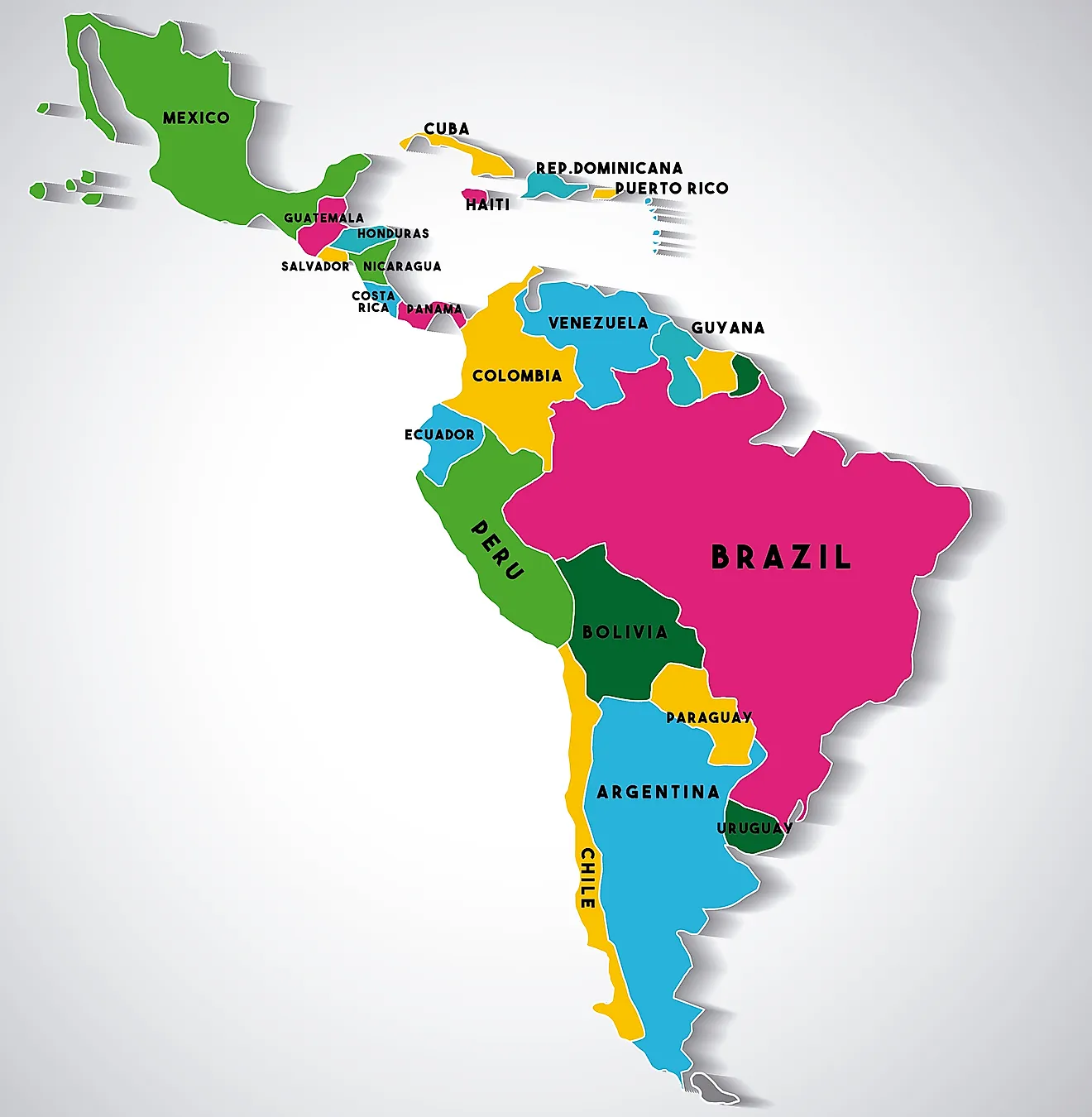
Beyond language, the concept often encompasses shared cultural traits, historical experiences, and socioeconomic realities that have shaped these nations. These include a colonial past, a predominantly Catholic religious influence, and certain artistic, musical, and culinary traditions. Geographically, it is generally understood to include Mexico, Central America, South America, and parts of the Caribbean. However, the precise boundaries can be fluid, and the inclusion or exclusion of specific territories is often a subject of debate, particularly when considering their unique political statuses.
The Linguistic and Cultural Connection
The primary driver for considering a territory within Latin America is its linguistic heritage. In Puerto Rico, Spanish is one of the official languages, spoken by the vast majority of the population alongside English. This shared linguistic root with nations like Cuba, the Dominican Republic, Colombia, and Argentina immediately places it within a significant cultural sphere. The influence of Spanish is evident in everyday life, from street names and local dialects to literature and popular music.
Furthermore, Puerto Rican culture is rich with traditions that resonate with those found throughout Latin America. The vibrant rhythms of salsa and reggaeton, the culinary staples like arroz con gandules and mofongo, the festive celebrations during holidays like Christmas and Three Kings’ Day, and the deep-rooted Catholicism all point to a strong cultural affinity. The artistic expressions, from the colorful murals adorning the streets of Old San Juan to the intricate crafts, also reflect a common thread woven through the diverse tapestry of the region.
The Unique Political Status of Puerto Rico
Despite these strong linguistic and cultural ties, the political status of Puerto Rico presents a unique dimension to the discussion. Puerto Rico is an unincorporated territory of the United States, meaning it is under U.S. sovereignty but not an integral part of the United States. This status, established by the U.S. Congress, grants Puerto Ricans U.S. citizenship but subjects the island to federal laws and policies without full representation in the U.S. Congress or the right to vote in presidential elections.
This complex relationship with the United States often leads to different perspectives on its geopolitical classification. Some argue that its political and economic ties to the United States might preclude it from being fully categorized with independent nations of Latin America. The U.S. dollar is the official currency, and federal agencies operate on the island. This integration, while not colonial in the traditional sense, does create a distinct position that differentiates it from fully sovereign Latin American republics.
Navigating Identity: Commonwealth, Statehood, or Independence?
The ongoing debate about Puerto Rico’s future political status – whether it should remain a commonwealth, become a U.S. state, or pursue independence – further complicates its categorization. Each of these potential pathways carries different implications for its relationship with both the United States and the broader Latin American community.
For many Puerto Ricans, the question of identity is deeply intertwined with this political status. While culturally and linguistically aligned with Latin America, the experience of being a U.S. territory shapes their daily lives and their outlook on the world. This duality is often a source of pride and resilience, a testament to the island’s ability to maintain its distinct heritage while navigating its unique geopolitical reality.
The Geographic Perspective: The Caribbean Context
Geographically, Puerto Rico is an island located in the northeastern Caribbean Sea. The Caribbean itself is a region with its own distinct identity, influenced by a mosaic of cultures, including Indigenous, European, African, and Asian traditions. Many Caribbean nations, particularly those with Spanish colonial histories like Cuba and the Dominican Republic, are widely considered part of Latin America.
The archipelago of Puerto Rico, which includes the main island and several smaller islands like Vieques and Culebra, shares proximity and historical connections with its Latin American neighbors. The movement of people, ideas, and cultural influences across the Caribbean Sea has been continuous for centuries, forging a shared Caribbean identity that often overlaps with the broader Latin American experience.
Shared Heritage, Divergent Paths
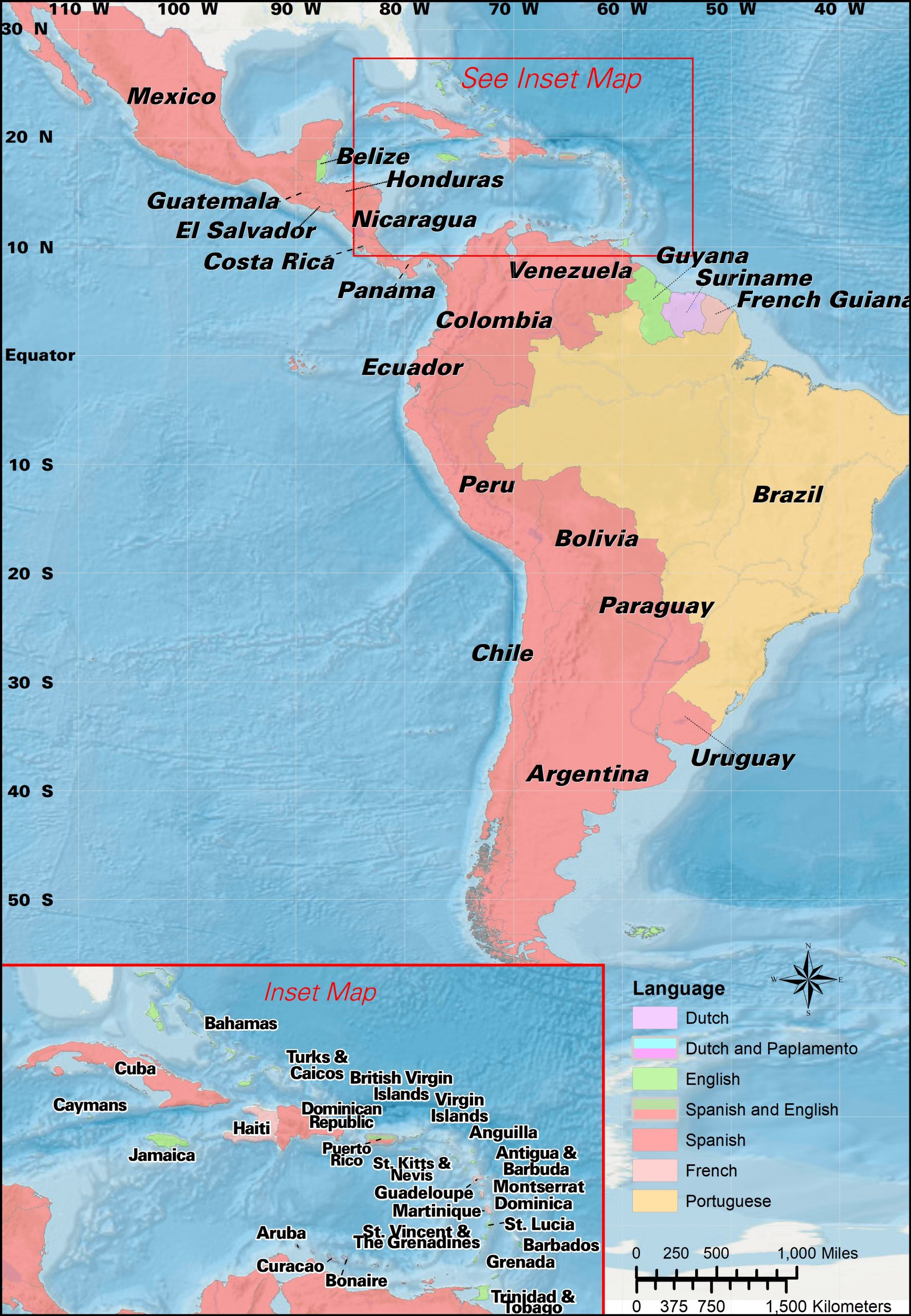
While the geographical proximity and historical connections are undeniable, the Caribbean region is characterized by its diversity. Some Caribbean islands speak French, English, or Dutch, placing them outside the traditional definition of Latin America. Puerto Rico, with its Spanish language and cultural heritage, fits more comfortably within this sphere than, for example, Jamaica or Barbados.
The question of whether the Caribbean is a distinct region or a sub-region of Latin America is a matter of ongoing discussion among geographers and cultural analysts. However, when focusing on the linguistic and cultural criteria, Puerto Rico undoubtedly shares more commonalities with countries like Venezuela or Mexico than with English-speaking Caribbean nations.

Conclusion: A Cultural and Linguistic Fit, With a Political Caveat
Ultimately, the answer to “Is Puerto Rico in Latin America?” depends on the criteria one prioritizes.
If the focus is on language and culture, then the answer is a resounding yes. The Spanish language, the shared history of colonization, the predominantly Catholic faith, and the vibrant artistic and musical traditions all firmly place Puerto Rico within the cultural orbit of Latin America. The rhythmic pulse of salsa that emanates from San Juan is a sound that resonates across the entire region, from Buenos Aires to Mexico City.
However, if the definition is strictly geopolitical, then the U.S. territory status introduces a significant nuance. Its relationship with the United States distinguishes it from the sovereign republics that form the core of Latin America. This political reality cannot be ignored when considering its place on the global stage.
In common parlance and in discussions about cultural heritage, travel experiences, and historical connections, Puerto Rico is widely embraced as part of the broader Latin American family. The warmth of its people, the richness of its history, and the beauty of its landscapes—from the El Yunque National Forest to the beaches of Flamenco—are experiences that connect it deeply with the spirit of Latin America, even as it navigates its unique political journey. It is a vibrant island with a distinctly Latin soul, an integral part of the Caribbean’s diverse cultural landscape that shares so much with the continent to its south.
LifeOutOfTheBox is a participant in the Amazon Services LLC Associates Program, an affiliate advertising program designed to provide a means for sites to earn advertising fees by advertising and linking to Amazon.com. Amazon, the Amazon logo, AmazonSupply, and the AmazonSupply logo are trademarks of Amazon.com, Inc. or its affiliates. As an Amazon Associate we earn affiliate commissions from qualifying purchases.