
Understanding Puerto Rico’s Unique Status
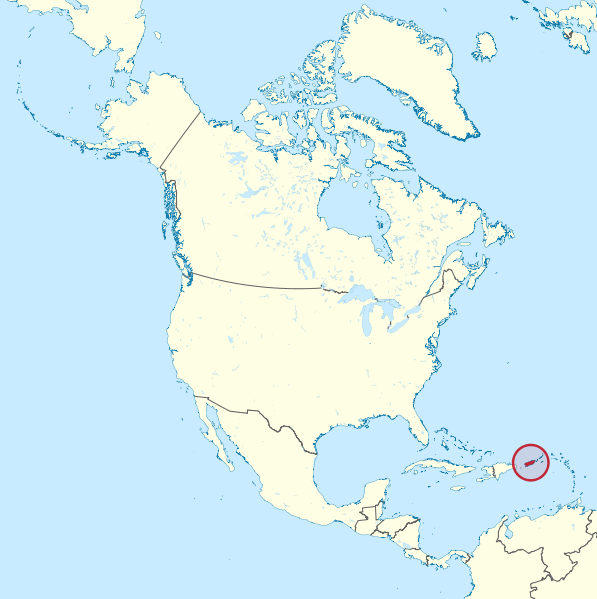
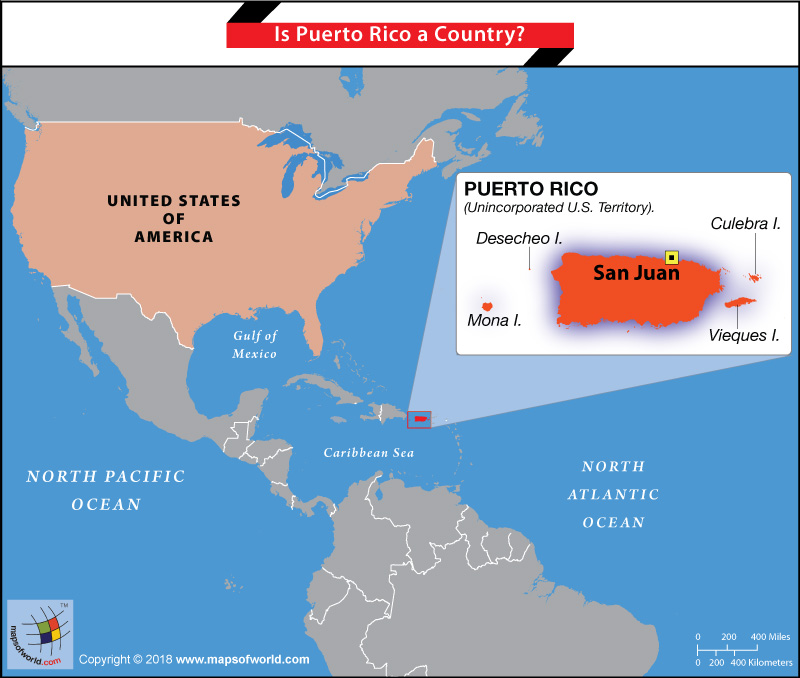
The question of whether Puerto Rico is part of the United States of America is a complex one, touching upon political, historical, and legal nuances that often lead to confusion. Unlike a state or a fully independent nation, Puerto Rico holds a distinct status as a U.S. territory. This means it is subject to the authority of the U.S. federal government, but its residents do not have full representation in the U.S. Congress, nor do they vote in presidential elections.
A Brief Historical Overview
The relationship between Puerto Rico and the United States began in 1898 following the Spanish-American War. Spain ceded the island to the United States under the Treaty of Paris. Since then, the island’s political standing has evolved through various legislative acts, including the Foraker Act of 1900 and the Jones-Shafroth Act of 1917, which granted statutory U.S. citizenship to Puerto Ricans. However, these acts also established Puerto Rico as an unincorporated territory, signifying that not all provisions of the U.S. Constitution automatically apply. This unincorporated status is a key differentiator from states like Texas or California.
The Insular Cases and Legal Framework
The legal definition of Puerto Rico’s relationship with the United States has been shaped by a series of Supreme Court rulings known as the Insular Cases, decided in the early 20th century. These cases established that territories acquired by the United States are not automatically incorporated into the union, and that Congress has broad authority to govern them. Consequently, Puerto Rico is often described as an “unincorporated territory” or a “commonwealth,” a designation adopted in 1952 when Puerto Rico adopted its own constitution. This constitution, however, remains subject to U.S. federal law and requires Congressional approval.
Implications for Residents and Governance
For residents of Puerto Rico, this territorial status has significant implications. While they are U.S. citizens and can travel freely between Puerto Rico and the mainland United States without passports, they do not pay federal income tax on income earned in Puerto Rico. However, they do contribute to other federal taxes, such as Social Security and Medicare. Politically, their elected representatives in Puerto Rico have no vote in the U.S. Congress, and they cannot vote for the U.S. President. This lack of full political rights has been a persistent point of contention and a driving force behind ongoing debates about Puerto Rico’s future.
Navigating Puerto Rico: A Travel Perspective
Understanding Puerto Rico’s unique political status is crucial, but for travelers, the island is a vibrant destination offering a rich tapestry of experiences, irrespective of its governmental framework. From the historic charm of Old San Juan to the lush biodiversity of the El Yunque National Forest, Puerto Rico presents a compelling case for any traveler seeking adventure, culture, and relaxation.
Exploring Historic Old San Juan
A visit to Old San Juan, a UNESCO World Heritage Site, is a journey back in time. The cobblestone streets, colorful colonial architecture, and imposing Spanish fortresses like Castillo San Felipe del Morro and Castillo San Cristóbal offer a glimpse into the island’s strategic importance and rich history. Wandering through the narrow alleys, one can discover charming boutiques, art galleries, and open-air cafes, all set against the backdrop of the turquoise Caribbean Sea. The historic district is not just a collection of old buildings; it’s a living, breathing testament to centuries of cultural exchange and architectural evolution. Don’t miss the chance to stroll along the Paseo de la Princesa, a beautiful promenade leading to the Raíces Fountain.
The Natural Wonders of El Yunque
For nature enthusiasts, El Yunque National Forest is an absolute must-visit. As the only tropical rainforest in the U.S. National Forest System, it boasts an incredible diversity of flora and fauna. Hiking trails wind through dense vegetation, leading to breathtaking waterfalls like La Mina Falls and the Yokahú Tower, which offers panoramic views of the verdant landscape. The air is filled with the sounds of coqui frogs, the island’s beloved endemic amphibians, and the symphony of tropical birds. It’s an immersive experience in one of the Caribbean’s most precious natural treasures. Visitors should check for any necessary reservations or trail closures before their visit.
Beaches and Coastal Escapes
Puerto Rico is renowned for its stunning beaches, catering to a wide range of preferences. From the lively shores of Condado Beach in San Juan, perfect for water sports and people-watching, to the secluded coves of the south coast, there’s a stretch of sand for everyone. For those seeking world-class surfing, the west coast towns of Rincón and Isabela are legendary. Snorkelers and divers will find paradise in the clear waters off the smaller islands of Culebra and Vieques, particularly at sites like Flamenco Beach and the Bioluminescent Bay. These islands, accessible by ferry or short flights, offer a more laid-back and natural escape from the mainland.
Culinary Delights and Local Flavors
The culinary scene in Puerto Rico is a delicious reflection of its diverse cultural influences, blending Spanish, African, and Taíno traditions. A staple dish is mofongo, made from mashed fried plantains, often filled with seafood or meat. Lechón, roasted whole pig, is a celebrated delicacy, especially during festive occasions. For a taste of local flavor, seek out pinchos (skewers) from street vendors and try tembleque, a coconut-based dessert. The island also boasts a burgeoning craft cocktail scene, with local rums being a particular highlight. Exploring the local markets and chinchorros (roadside eateries) is an integral part of the gastronomic journey.
Accommodation Options in Puerto Rico
When planning a trip to Puerto Rico, a range of accommodation options are available to suit every traveler’s needs and budget. From luxury resorts and boutique hotels to charming guesthouses and vacation rentals, the island offers diverse choices for comfortable stays.
Resorts and Luxury Stays
For those seeking an indulgent escape, Puerto Rico offers world-class resorts, particularly in the metropolitan area of San Juan and along its picturesque coastline. Properties like the Caribe Hilton and the Fairmont El San Juan Hotel provide lavish amenities, including multiple swimming pools, fine dining restaurants, private beach access, and spa services. Beyond San Juan, destinations like the Dorado coast are home to exclusive resorts offering unparalleled luxury and privacy. These establishments often feature championship golf courses, water sports, and curated excursions.
Boutique Hotels and Guesthouses
A more intimate experience can be found in Puerto Rico’s many boutique hotels and guesthouses. These smaller properties often showcase unique architectural styles and personalized service, providing a more local and authentic feel. In Old San Juan, for instance, converted colonial buildings house charming boutique hotels that immerse guests in the historic ambiance. On the west coast, particularly in towns like Rincón, surf lodges and boutique inns offer a laid-back vibe, popular with surfers and independent travelers. These options are ideal for those who prefer to avoid large-scale resorts and seek a more characterful stay.
Vacation Rentals and Apartments
For families, groups, or longer stays, vacation rentals and apartments present a flexible and cost-effective solution. Websites and platforms offer a wide selection of properties, from beachfront condos and hillside villas to apartments in vibrant city neighborhoods. Renting a private home or apartment can provide the convenience of a full kitchen, multiple bedrooms, and a more residential experience. This option is particularly appealing for travelers looking to explore local markets, cook their own meals, and experience the island at a slower pace. Many rentals also come with access to shared amenities like swimming pools or are located within walking distance of local attractions and dining.
Puerto Rico’s Role in the Global Tourism Landscape
Despite its unique political status, Puerto Rico has firmly established itself as a significant player in the global tourism industry. The island’s compelling blend of natural beauty, rich history, vibrant culture, and accessible infrastructure makes it an attractive destination for a diverse range of international and domestic visitors.
Accessibility and Infrastructure
As a territory of the United States, Puerto Rico enjoys robust air connectivity, with direct flights from numerous major cities across the mainland United States and international hubs. Luis Muñoz Marín International Airport in San Juan is a modern and efficient gateway. For U.S. citizens, travel to and from Puerto Rico does not require a passport, simplifying the travel process. The island’s infrastructure, including roads, telecommunications, and banking services, is largely U.S.-standard, facilitating a smooth and comfortable travel experience for visitors accustomed to American amenities.
Cultural and Experiential Tourism
Puerto Rico thrives on offering rich cultural and experiential tourism. The island’s vibrant festivals, such as the San Sebastián Street Festival and Loíza’s Bomba y Plena festivals, showcase its deep-rooted traditions and artistic expressions. Visitors can engage in activities like learning traditional bomba dance or cooking classes that delve into the island’s Creole cuisine. The increasing popularity of ecotourism, with destinations like the Bioluminescent Bays and the Carite Forest Reserve, further enhances the island’s appeal. These experiences go beyond simple sightseeing, offering immersive opportunities to connect with the local culture and natural environment.

Economic Impact and Future Prospects
Tourism is a vital economic engine for Puerto Rico, providing employment and revenue. The island’s diverse offerings attract millions of visitors annually, contributing significantly to its gross domestic product. Recent years have seen a concerted effort to revitalize and expand its tourism sector, with investments in infrastructure and marketing campaigns. The island’s resilience, demonstrated through its recovery from natural disasters like Hurricane Maria, has also highlighted the dedication of its people to rebuilding and welcoming visitors. As Puerto Rico continues to navigate its political future, its role as a premier Caribbean destination remains a cornerstone of its identity and economic well-being. The ongoing discussions about statehood, independence, or other forms of self-governance will undoubtedly shape its long-term trajectory, but the allure of its beaches, culture, and natural splendor ensures its enduring appeal to travelers worldwide.
LifeOutOfTheBox is a participant in the Amazon Services LLC Associates Program, an affiliate advertising program designed to provide a means for sites to earn advertising fees by advertising and linking to Amazon.com. Amazon, the Amazon logo, AmazonSupply, and the AmazonSupply logo are trademarks of Amazon.com, Inc. or its affiliates. As an Amazon Associate we earn affiliate commissions from qualifying purchases.