
The allure of the Caribbean often conjures images of sun-drenched beaches, vibrant culture, and a relaxed pace of life. For many, Puerto Rico represents an attainable slice of this tropical paradise, offering a unique blend of American familiarity and distinct island charm. However, when considering a permanent relocation or a long-term stay, questions about safety naturally arise. Understanding the multifaceted nature of safety in Puerto Rico requires a nuanced perspective, moving beyond broad generalizations to examine specific aspects that contribute to a resident’s well-being. This exploration delves into crime statistics, natural disaster preparedness, infrastructure reliability, and the overall quality of life for those choosing to call this U.S. territory home.
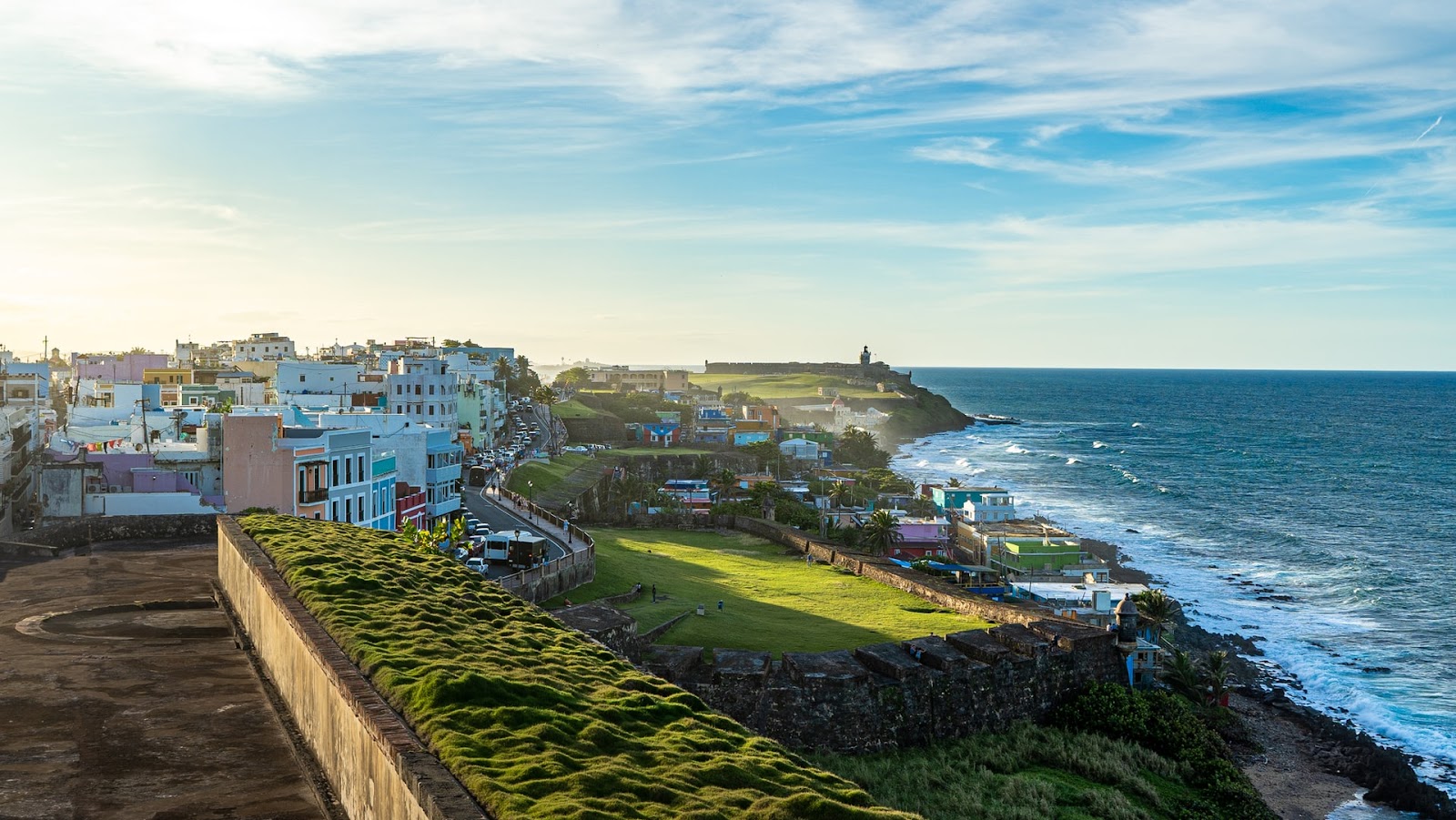
Understanding Safety Metrics in Puerto Rico
Assessing the safety of any place involves looking at both objective data and subjective perceptions. In Puerto Rico, as with many island nations and territories, these metrics can be influenced by a variety of factors, including economic conditions, historical events, and geographical location.
Crime Rates and Perceptions
Crime in Puerto Rico, particularly violent crime, has been a concern that warrants careful consideration. Like many populated areas globally, certain neighborhoods within the larger cities, such as parts of San Juan, can experience higher crime rates. These often include property crimes like theft and burglary, as well as more serious offenses.
It is important to differentiate between tourist areas and residential neighborhoods. While petty theft can occur anywhere, major tourist hubs are generally well-patrolled. However, exercising standard travel precautions, such as being aware of surroundings, avoiding displays of wealth, and not walking alone in unfamiliar areas late at night, is always advisable.
Local law enforcement efforts are ongoing, and crime statistics can fluctuate. Many residents and long-term visitors report feeling safe in their communities, especially when adhering to basic safety practices. The perception of safety is also influenced by media coverage, which can sometimes amplify negative events. For those planning a long-term stay, researching specific neighborhoods and speaking with current residents can provide invaluable insights.
Natural Disaster Preparedness
Puerto Rico is situated in a region prone to natural disasters, most notably hurricanes and earthquakes. The island has a history of experiencing significant meteorological events, with Hurricane Maria in 2017 being a stark reminder of their potential impact.
Since Hurricane Maria, there has been a concerted effort to improve infrastructure resilience and emergency response capabilities. The government, in conjunction with federal agencies, has invested in reinforcing the electrical grid, improving communication networks, and enhancing building codes to withstand higher wind speeds.
- Hurricane Season Preparedness: The official hurricane season runs from June 1st to November 30th. Residents are encouraged to have emergency kits, secure their homes, and stay informed about weather updates. Many newer constructions and renovated older buildings incorporate more resilient designs.
- Earthquake Awareness: Puerto Rico is also located in an seismically active zone. While major earthquakes are infrequent, understanding basic earthquake safety protocols is important.
- Post-Disaster Recovery: Recovery efforts after significant events are ongoing. While infrastructure has improved, localized power outages or disruptions can still occur following severe weather. Community resilience and mutual support are strong aspects of island life, often coming to the forefront during challenging times.
For long-term residents, investing in property that meets current building standards and having a robust emergency preparedness plan is crucial. This includes having backup power solutions, a supply of non-perishable food and water, and a communication strategy.
Infrastructure and Essential Services
The reliability of essential services is a key component of safety and overall quality of life. For residents in Puerto Rico, understanding the nuances of the island’s infrastructure is vital.
Power and Utilities

The electrical grid in Puerto Rico has historically been a point of concern, particularly after major storms. However, significant investments are being made to modernize and stabilize the system. While occasional outages can still occur, especially during peak demand or severe weather, the situation has improved considerably. Many residents opt for backup generators or solar power systems to ensure continuous electricity supply. Water supply is generally reliable, though localized issues can arise.
Transportation and Roads
Navigating Puerto Rico typically involves driving. The road infrastructure varies, with major highways and routes in urban and tourist areas generally well-maintained. Rural roads may be narrower and more winding, requiring careful driving. Traffic can be heavy in and around San Juan during peak hours. Public transportation options exist, including buses and the Tren Urbano (urban train) in the San Juan metropolitan area, but it is not as extensive as in mainland U.S. cities. For many, owning a vehicle is essential for daily life.
Healthcare Access
Puerto Rico has a well-established healthcare system, with numerous hospitals, clinics, and private practices throughout the island. The quality of care is generally comparable to that found in the United States, and many physicians are U.S.-trained. U.S. federal health programs, such as Medicare and Medicaid, are available. Access to specialized medical care is concentrated in larger cities like San Juan, but emergency services are available across the island. For expatriates, understanding how their health insurance works in Puerto Rico is a critical step in planning their relocation.
Quality of Life and Community Factors
Beyond statistics, the feeling of safety is deeply intertwined with the quality of life and the strength of community bonds. Puerto Rico offers a vibrant lifestyle that many find incredibly rewarding.
The Island Lifestyle
The pace of life in Puerto Rico is often slower and more relaxed than on the mainland. This can contribute to a reduced sense of stress and a greater appreciation for the present moment. The island boasts a rich cultural heritage, with a strong tradition of music, dance, and culinary arts. Festivals and celebrations are common, fostering a sense of community and shared joy. The natural beauty, from pristine beaches to lush rainforests like the El Yunque National Forest, provides ample opportunities for outdoor recreation and connection with nature.
Community and Social Fabric
Puerto Ricans are known for their warmth, hospitality, and strong family ties. This inherent sense of community can be a significant source of security and support for residents. Many neighborhoods have a strong local identity, with residents looking out for one another. For those seeking to integrate, learning some Spanish and participating in local events can greatly enhance their experience and sense of belonging.
Considerations for Different Lifestyles
- Families: Many families find Puerto Rico to be a safe and nurturing environment, with excellent schools (both public and private) and numerous child-friendly activities. The emphasis on outdoor living and strong community values is often cited as a major draw.
- Retirees: The combination of a warm climate, relatively lower cost of living compared to some U.S. mainland locations, and a familiar legal and currency system makes Puerto Rico an attractive option for retirees. Access to healthcare and a relaxed lifestyle are key benefits.
- Professionals: For professionals, particularly in sectors like technology, manufacturing, and tourism, Puerto Rico offers career opportunities alongside a desirable lifestyle. The island’s special economic incentives can also be appealing for businesses.
Conclusion: Making an Informed Decision
Ultimately, the question of whether Puerto Rico is safe to live in is not a simple yes or no. Like any destination, it presents a unique set of challenges and rewards. By understanding the nuances of crime, natural disaster preparedness, infrastructure, and the invaluable social fabric, prospective residents can make an informed decision.
For those who take the necessary precautions, embrace the local culture, and prepare for the island’s specific environmental conditions, Puerto Rico offers a rich, fulfilling, and, for many, a very safe place to call home. The key lies in diligent research, realistic expectations, and an open heart to the vibrant spirit of island living.
LifeOutOfTheBox is a participant in the Amazon Services LLC Associates Program, an affiliate advertising program designed to provide a means for sites to earn advertising fees by advertising and linking to Amazon.com. Amazon, the Amazon logo, AmazonSupply, and the AmazonSupply logo are trademarks of Amazon.com, Inc. or its affiliates. As an Amazon Associate we earn affiliate commissions from qualifying purchases.