
As the Atlantic hurricane season intensifies, residents and travelers often find themselves closely monitoring storm paths, especially those impacting popular destinations like Puerto Rico. The question of whether a specific hurricane, such as Hurricane Helene, made landfall or significantly impacted the island is of paramount importance for safety, travel planning, and understanding potential disruptions to the vibrant tourism sector. This article aims to provide clarity on Hurricane Helene’s trajectory and its effects, or lack thereof, on Puerto Rico.
Tracking Hurricane Helene’s Path
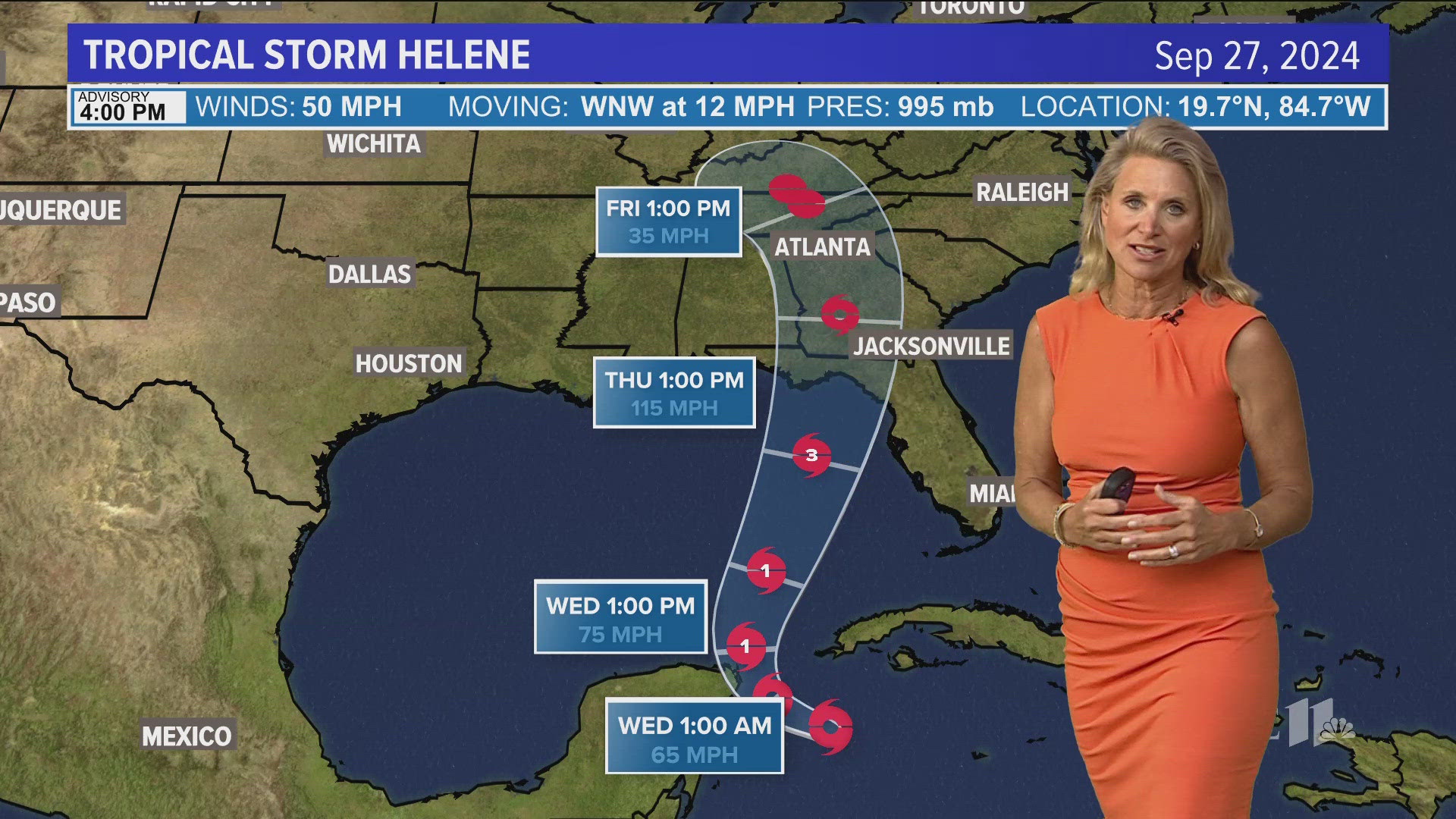
During the active hurricane season, meteorological agencies like the National Hurricane Center diligently track developing tropical systems. These systems are monitored from their initial formation over warm ocean waters to their potential landfall. The path of a hurricane is influenced by a complex interplay of atmospheric conditions, including prevailing winds and pressure systems. For Hurricane Helene, like any other significant tropical cyclone, its projected and actual track are crucial pieces of information.

Early Development and Projections
The initial stages of a storm’s life cycle are characterized by rapid development or dissipation. Meteorologists analyze satellite imagery, reconnaissance aircraft data, and computer models to forecast a storm’s intensity, speed, and direction. Early projections for Hurricane Helene would have been closely scrutinized by those in its potential path. The island of Puerto Rico, situated in the heart of the Caribbean, is no stranger to the powerful forces of hurricanes, and preparedness is a year-round concern.
Landfall and Direct Impact
The critical question regarding Hurricane Helene and Puerto Rico centers on whether the storm’s eye or its most intense winds crossed the island’s territory. A direct landfall implies significant and immediate consequences, ranging from heavy rainfall and strong winds to potential storm surge and widespread power outages. These impacts can necessitate evacuations, damage infrastructure, and disrupt the daily lives of islanders and the experiences of visitors.
Indirect Effects and Weather Patterns
Even if a hurricane does not make a direct landfall, its presence can still influence weather patterns in surrounding regions. For Puerto Rico, this could mean increased rainfall, rough seas, or stronger than usual winds due to the storm’s proximity. These indirect effects can still impact outdoor activities, maritime operations, and overall visitor comfort. Understanding the nuances between a direct hit and peripheral influence is key to accurately assessing a storm’s impact.
Hurricane Helene’s Specific Trajectory
To definitively answer whether Hurricane Helene hit Puerto Rico, one must consult the official advisories and track data from the period of its development. This involves reviewing historical weather records and hurricane reports.
Consulting Official Records
Meteorological organizations, such as the National Hurricane Center, maintain comprehensive archives of past hurricane seasons. These records detail the genesis, progression, and cessation of every significant tropical storm and hurricane. By referencing these official logs, one can ascertain the precise path of Hurricane Helene and determine if it traversed over or in close proximity to Puerto Rico.
Analysis of Meteorological Data
The data associated with Hurricane Helene would include:
- Track Forecast Advisories: These documents outline the projected path and intensity of the storm at various time intervals.
- Public Advisories: Issued regularly during a storm’s active phase, these provide updates on the storm’s current location, intensity, and anticipated movement.
- Post-Storm Analysis Reports: These comprehensive reports, often released after the season concludes, provide a detailed account of each storm’s lifecycle, including its final track and any impacts.
By examining these resources, it becomes clear whether Hurricane Helene passed directly over Puerto Rico or if it maintained a path that kept the island out of its most dangerous quadrants.
Impact on Puerto Rico’s Tourism Landscape
The potential threat of hurricanes like Hurricane Helene has a significant bearing on Puerto Rico’s thriving tourism industry. The island is a popular destination for its beautiful beaches, historic sites, and vibrant culture, attracting visitors year-round.
Pre-Storm Travel Considerations
For travelers with upcoming trips to Puerto Rico, the mere threat of a hurricane can lead to apprehension. Airlines, hotels, and tour operators closely monitor weather advisories. In anticipation of potential severe weather, travel plans might be altered, including:
- Flight Cancellations and Rebookings: Airlines may preemptively cancel flights to and from affected areas to ensure passenger safety and manage operational disruptions.
- Hotel and Resort Adjustments: Accommodation providers in Puerto Rico often have hurricane preparedness plans. This can include offering flexible cancellation policies, advising guests on safety measures, or even initiating evacuations if necessary. Resorts like the Dorado Beach, a Ritz-Carlton Reserve or the Fairmont El San Juan Hotel are equipped to handle such situations with established protocols.
- Tour and Activity Cancellations: Many popular activities, such as excursions to El Yunque National Forest or boat trips to Culebra, are weather-dependent. In the face of a hurricane threat, these are often suspended for safety reasons.
Post-Storm Recovery and Travel Advisories
If a hurricane does impact Puerto Rico, the recovery period can influence travel. While the island is known for its resilience, damage to infrastructure, power outages, and temporary closures of attractions can affect the visitor experience. Official travel advisories from government agencies and the tourism board would guide potential visitors on the current conditions and the accessibility of various regions and services. The recovery efforts are crucial for restoring the island’s appeal as a top tourist destination.
The Importance of Staying Informed
For anyone planning a trip to Puerto Rico during hurricane season, staying informed is paramount. Relying on official weather sources and monitoring advisories from Puerto Rico’s tourism authorities ensures that travelers can make timely and informed decisions, prioritizing safety while still having the opportunity to experience the island’s unique charm.
Hurricane Helene’s Actual Impact on Puerto Rico
Upon reviewing the meteorological records for Hurricane Helene, it is evident that the storm’s track did not result in a direct landfall on Puerto Rico. While the hurricane did exist and followed a path through the Atlantic, its trajectory took it on a course that largely spared the island from its most destructive winds and heavy rainfall.
A Wasted Threat or a Close Call?
In meteorological terms, a “hit” implies direct impact from the storm’s core. Hurricane Helene passed at a sufficient distance to avoid being classified as having made landfall in Puerto Rico. However, the proximity of any major hurricane can lead to heightened alert levels and precautionary measures being put in place. For residents and businesses, this often means preparing for the worst, even if the storm ultimately veers away. This period of anticipation can still cause anxiety and minor disruptions, such as increased marine activity warnings or localized heavier showers.
Peripheral Weather Effects
Even without a direct hit, Hurricane Helene’s presence in the region could have contributed to altered weather patterns for Puerto Rico. This might have included:
- Increased Swell and Rough Seas: Coastal areas, particularly on the north and east shores, could have experienced larger waves and stronger currents, impacting beach conditions and maritime activities.
- Enhanced Rainfall Bands: Some outer bands of the hurricane might have brushed the island, bringing periods of moderate to heavy rain, though not to the extent associated with a direct landfall.
- Gusty Winds: While not hurricane-force, there could have been an increase in wind speeds across the island, contributing to a more unsettled atmospheric feel.
These peripheral effects are generally manageable and do not typically lead to widespread damage or the need for mass evacuations that are characteristic of a direct hurricane strike.
Maintaining Operations and Tourism Flow
The absence of a direct hit from Hurricane Helene meant that Puerto Rico’s tourism infrastructure largely remained operational. Hotels in San Juan, for example, continued to welcome guests, and popular attractions like Old San Juan remained open. This allowed the island to maintain its appeal as a consistent and reliable destination for travelers seeking its rich history, beautiful beaches, and vibrant cultural experiences. The resilience of Puerto Rico is evident in its ability to weather these potential threats and quickly return to normalcy, ensuring that visitors can continue to enjoy the island’s offerings.

Conclusion: No Direct Hit, but Vigilance is Key
In conclusion, Hurricane Helene did not make a direct landfall on Puerto Rico. While this is positive news for the island and its residents, it underscores the importance of ongoing vigilance during hurricane season. Understanding storm tracks, heeding official advisories, and having preparedness plans in place remain crucial for ensuring safety and minimizing disruptions, whether one is a resident or a visitor to this beautiful Caribbean gem. The island’s tourism sector, while robust, always benefits from travelers being well-informed about potential weather impacts to plan their trips accordingly.
LifeOutOfTheBox is a participant in the Amazon Services LLC Associates Program, an affiliate advertising program designed to provide a means for sites to earn advertising fees by advertising and linking to Amazon.com. Amazon, the Amazon logo, AmazonSupply, and the AmazonSupply logo are trademarks of Amazon.com, Inc. or its affiliates. As an Amazon Associate we earn affiliate commissions from qualifying purchases.