
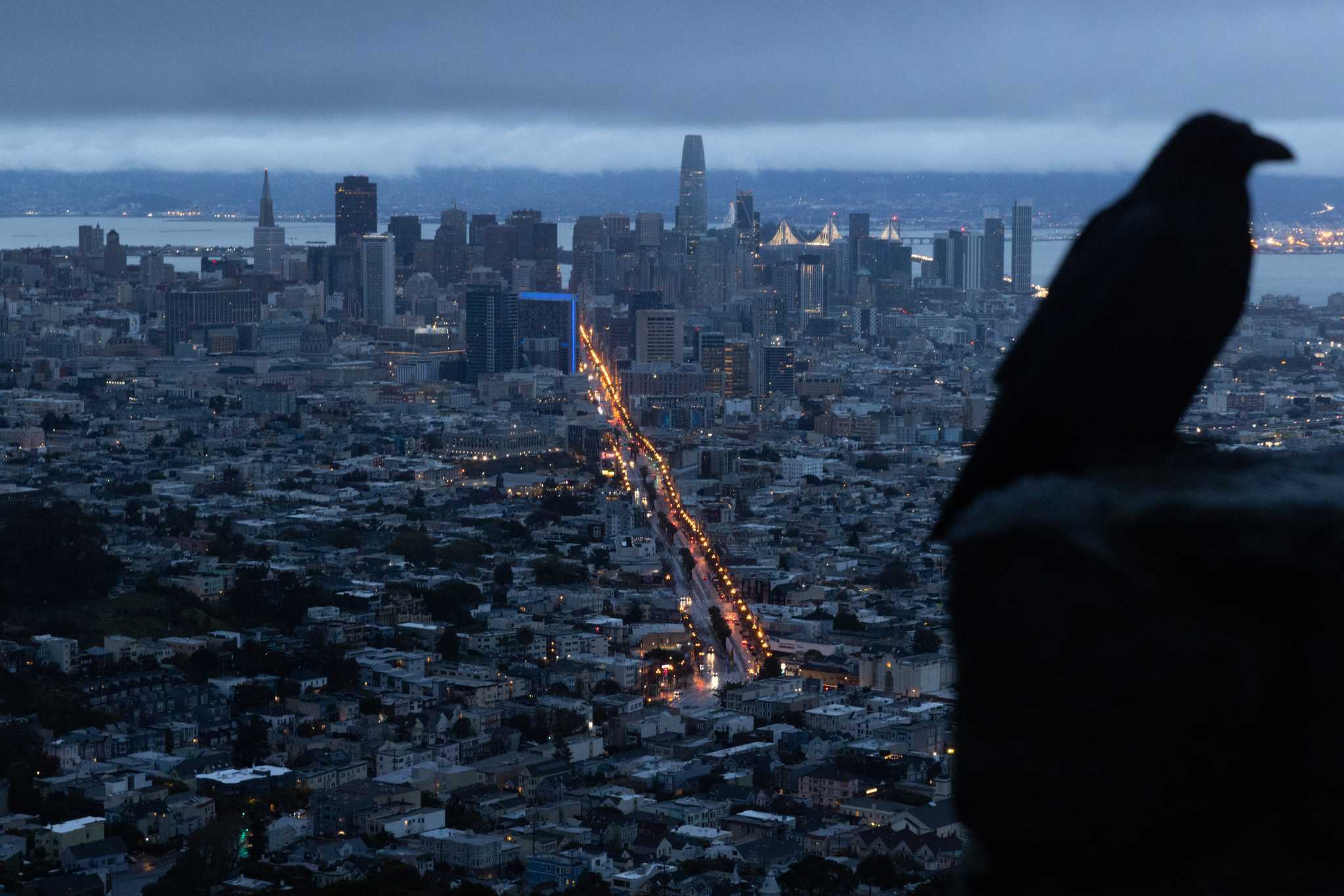
San Francisco, a city famed for its iconic fog, vibrant culture, and rolling hills, often conjures images of perpetually cool, breezy days. While it’s true that the city rarely experiences extreme heat, understanding the nuances of its climate is crucial for any visitor or resident. The question of “how cold does it get in San Francisco?” isn’t a simple one, as the city’s microclimates, the influence of the Pacific Ocean, and seasonal variations create a diverse temperature experience.
Understanding San Francisco’s Unique Climate
San Francisco’s climate is largely defined by its coastal location and the cold California Current that flows offshore. This oceanic influence moderates temperatures year-round, preventing the dramatic swings seen in continental climates. Instead of harsh winters and scorching summers, San Francisco enjoys mild temperatures that are remarkably consistent.

The Pacific Ocean’s Moderating Effect
The vast Pacific Ocean acts as a giant thermostat for San Francisco. During the summer months, cool ocean air is drawn inland by the warmer landmass, creating the characteristic fog that blankets the city, particularly in the western and northern neighborhoods. This marine layer significantly suppresses temperatures, keeping the summer highs much lower than one might expect for a city located at approximately 37 degrees North latitude. Conversely, in winter, the ocean retains heat, preventing the frigid air masses that can sweep across the continent from penetrating the city with full force. This results in mild, though often damp, winters.
Microclimates: A City of Contrasts
One of the most fascinating aspects of San Francisco’s weather is its intricate network of microclimates. Due to its hilly terrain and proximity to the ocean, different parts of the city can experience vastly different conditions even within a few miles. For instance, the western neighborhoods, exposed to the direct influence of the ocean and fog, are consistently cooler and foggier. Areas further inland, such as the Mission District or Potrero Hill, tend to be warmer and sunnier, especially during the summer when the western fog often doesn’t reach them. This means that while downtown might be shrouded in mist, a short drive or bus ride could lead you to a sun-drenched park.
Seasonal Temperature Variations
While San Francisco is known for its mild weather, there are distinct seasonal shifts that influence the daily temperatures. Understanding these patterns will help you pack appropriately and plan your activities.
Summer: Cool and Foggy
Contrary to what many might expect from a California summer, San Francisco is rarely hot. The peak summer months, from June to August, are characterized by cool temperatures and persistent fog, especially in the mornings and evenings. Average high temperatures typically range from the mid-60s to low 70s Fahrenheit (around 18-22 degrees Celsius). Nighttime lows are often in the 50s Fahrenheit (10-15 degrees Celsius). The famous San Francisco fog, often referred to as “Karl,” rolls in from the Pacific, shrouding neighborhoods like the Golden Gate Bridge and Ocean Beach in a cool, damp embrace. Inland areas, however, often enjoy warmer, sunnier conditions.
Autumn: The Sunniest Season
Many locals and seasoned visitors will tell you that San Francisco’s best weather often occurs in the fall, particularly September and October. As the warmer inland temperatures begin to subside and the marine layer lessens its grip, the city experiences its most reliably sunny and warmest days. This period, often called “Indian Summer,” can see temperatures climb into the 70s and even low 80s Fahrenheit (26-28 degrees Celsius). The fog tends to burn off earlier, offering clearer skies and pleasant conditions for exploring attractions like Alcatraz Island or enjoying outdoor activities in Golden Gate Park.
Winter: Mild and Damp
San Francisco winters are remarkably mild, with temperatures rarely dropping below freezing. The coldest months are typically December, January, and February. Average high temperatures hover in the mid-50s Fahrenheit (around 12-15 degrees Celsius), and nighttime lows are generally in the low 40s Fahrenheit (4-7 degrees Celsius). While snow is exceptionally rare, precipitation does increase during this period, making it the city’s “rainy season.” However, even winter days can offer periods of sunshine between showers, making it a viable time to visit, especially if you don’t mind carrying an umbrella. The proximity to the Bay Area means that slightly inland cities like San Jose or those in the East Bay might experience slightly cooler temperatures or even occasional frost, but San Francisco itself remains temperate.
Spring: Variable and Fresh
Spring in San Francisco, from March to May, can be quite variable. Early spring often carries the lingering coolness and fog of winter, while late spring starts to see warmer days and less fog, transitioning towards the summer pattern. Temperatures are similar to the fall, with highs generally in the 60s Fahrenheit (15-20 degrees Celsius). It’s a beautiful time to witness the city awakening, with wildflowers blooming in parks and along the coast. However, visitors should be prepared for a range of conditions, from cool, foggy mornings to pleasant, sunny afternoons.

The Actual Cold: What to Expect
So, how cold does it actually get? When we talk about “cold” in San Francisco, we’re generally referring to temperatures that feel cool to many, rather than extreme cold.
Average Low Temperatures
The coldest average low temperatures typically occur in January, with lows often settling in the low 40s Fahrenheit (around 4-7 degrees Celsius). It’s rare for the mercury to dip below 35 degrees Fahrenheit (1.7 degrees Celsius) in the city proper. Frost is uncommon, and freezing temperatures are an even rarer occurrence, primarily limited to higher elevation areas or specific inland valleys within the greater Bay Area.
Record Lows
San Francisco has a history of relatively mild temperatures, and its record low temperatures reflect this. The coldest temperature ever officially recorded in San Francisco was 27 degrees Fahrenheit (-2.8 degrees Celsius) on January 7, 1913. However, such extreme cold is an anomaly and has not been approached in decades. More typical “cold snaps” might see overnight lows in the upper 30s or low 40s Fahrenheit for a few nights, especially during a particularly strong winter storm.
Feeling the Cold: Wind and Fog
It’s important to remember that “cold” in San Francisco is not just about the thermometer reading. The city’s notorious wind, especially the gusts that sweep through the Financial District or off the ocean, can significantly increase the perceived chill, a phenomenon known as wind chill. Similarly, the pervasive fog, while beautiful, carries moisture and adds to the damp, cool feeling, making it feel colder than the air temperature might suggest. This is why layers are always recommended, regardless of the season.
Preparing for San Francisco’s Temperatures
When packing for a trip to San Francisco, or even when planning your daily attire, understanding the temperature expectations is key. The city’s nickname, “The Paris of the West,” often comes with an expectation of sophisticated style, but practicality is paramount when it comes to its unique climate.
The Art of Layering
The golden rule of dressing for San Francisco is layering. Even on what appears to be a warm, sunny day, a light jacket or sweater is often necessary, especially in the morning or evening, or if you venture near the coast. A typical outfit might consist of a t-shirt or light long-sleeved shirt, a sweater or fleece, and a windbreaker or light waterproof jacket. This allows you to easily adjust to changing conditions throughout the day and across different microclimates.
Footwear Choices
Comfortable walking shoes are essential for exploring San Francisco, with its many hills and charming, walkable neighborhoods. However, consider shoes that can handle occasional dampness. Water-resistant materials are a good choice, especially during the fall and winter months. Avoid open-toed sandals unless you are certain of a particularly warm and sunny forecast for your specific location.
Beyond the Basics
While San Francisco doesn’t require heavy winter coats or extreme cold weather gear, a few other items can enhance your comfort. A scarf can be a lifesaver on windy days. A hat, especially a beanie or a brimmed hat for sun protection, can also be very useful. For those sensitive to the dampness of the fog, a light waterproof outer layer is highly recommended.
Conclusion: Mild, Not Freezing
In summary, the answer to “how cold does it get in San Francisco?” is: not very cold, by most standards. The city enjoys a temperate climate year-round, characterized by mild winters and cool summers, largely thanks to the moderating influence of the Pacific Ocean. While freezing temperatures are exceedingly rare, and snow is virtually unheard of, visitors and residents alike should be prepared for cool, often foggy, and windy conditions, especially during the summer months and near the coast. The key to enjoying San Francisco’s famously variable weather is to embrace the art of layering and to always be prepared for a slight chill, even on a seemingly sunny day. The city’s appeal lies in its unique atmospheric character, and understanding its temperatures is the first step to truly appreciating its charm.
LifeOutOfTheBox is a participant in the Amazon Services LLC Associates Program, an affiliate advertising program designed to provide a means for sites to earn advertising fees by advertising and linking to Amazon.com. Amazon, the Amazon logo, AmazonSupply, and the AmazonSupply logo are trademarks of Amazon.com, Inc. or its affiliates. As an Amazon Associate we earn affiliate commissions from qualifying purchases.