
Planning a journey from the bustling urban landscape of San Francisco to the majestic, ancient groves of Sequoia National Park is a classic Californian adventure. This iconic national park, home to the largest trees on Earth, offers a profound escape into nature’s grandeur. Understanding the distance and travel time is crucial for crafting an efficient and enjoyable itinerary. While the direct driving distance might seem manageable, various factors influence the actual journey, from route choice to traffic conditions, and the desired pace of your exploration.
Understanding the Distance and Driving Time
The most direct route from San Francisco to Sequoia National Park spans approximately 230 to 250 miles, depending on the specific entrance you aim for and the exact starting point in the city. This distance translates to an estimated driving time of about 4 to 5 hours without significant stops or traffic delays. However, this figure is a baseline, and several considerations can extend this time considerably.
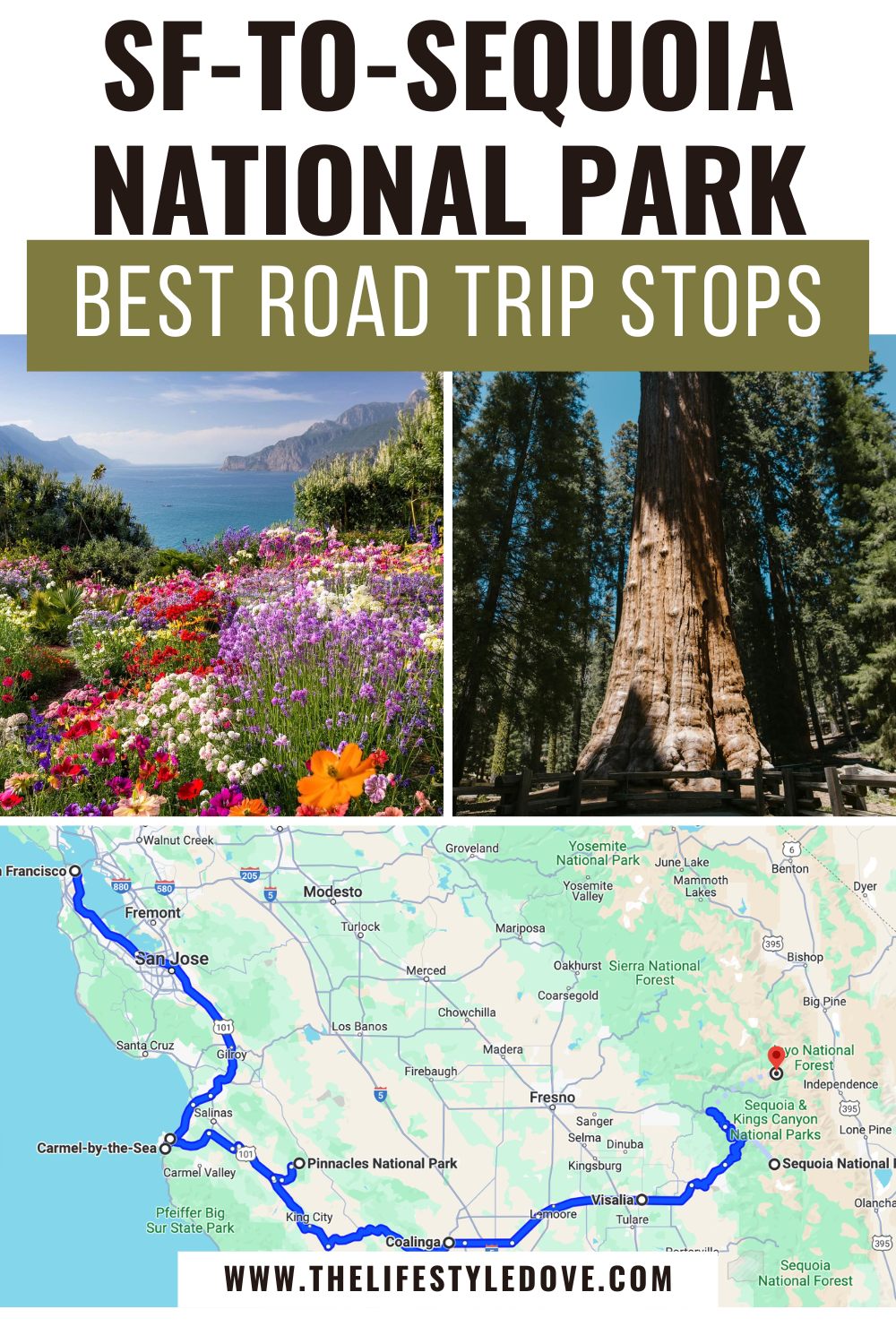
Key Factors Affecting Travel Time
- Traffic in San Francisco and the Bay Area: Departing from San Francisco, especially during peak hours, can add substantial time to your journey. The Bay Area is notorious for its traffic congestion, and navigating out of the city can test the patience of even the most seasoned traveler. Planning your departure for early morning, late evening, or mid-day on weekdays can significantly mitigate this issue. Weekend mornings can also see heavy outbound traffic.
- Route Selection: While there are several viable routes, the most common involve heading east out of the Bay Area towards the Central Valley and then south. A typical route might involve taking I-580 E to I-5 S and then transitioning to routes like CA-99 S and eventually smaller state highways like CA-180 E which leads to the park’s main entrance near Three Rivers. Another option could involve more scenic but potentially slower routes through the coastal ranges before heading inland. The choice of route can influence both distance and scenic value.
- Road Conditions and Construction: As with any road trip, unexpected road closures, construction zones, or even weather-related issues (especially during winter months at higher elevations) can cause delays. It is always advisable to check current road conditions and traffic updates from sources like Caltrans before setting out.
- Stops and Breaks: The 4 to 5-hour driving time is generally calculated as pure transit time. Most travelers will want to make at least one or two stops for fuel, food, or stretching. Incorporating these breaks will naturally extend the overall travel duration. Planning these stops in advance, perhaps in towns along CA-99 S, can help maintain a good rhythm.
Planning Your Journey: Routes and Recommendations
The journey from San Francisco to Sequoia National Park can be approached in several ways, each offering a slightly different experience. The most popular routes focus on efficiency, but there are opportunities to weave in scenic detours.
The Direct and Efficient Route
For travelers prioritizing arrival time, the most direct route generally involves heading east from San Francisco across the Bay Bridge to I-580 E. This will lead you to I-5 S, the major north-south artery of California. You will then merge onto CA-99 S, which runs through the heart of the Central Valley. As you approach the Fresno area, you will transition to CA-180 E. This highway will guide you towards the foothills and eventually to the entrance of Sequoia National Park near Three Rivers.
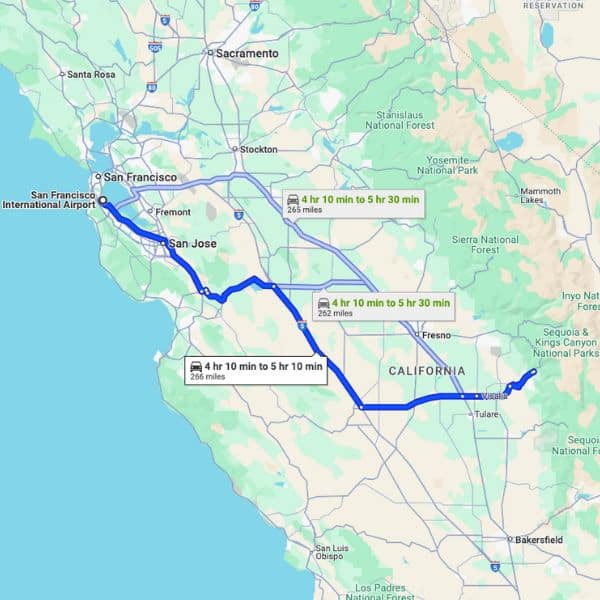
This route is predominantly highway driving, offering a straightforward path with numerous services for gas and food along I-5 and CA-99. While efficient, the scenery is largely agricultural and urbanized for much of the drive, with the dramatic mountain landscapes appearing only as you approach the park.
Scenic Alternatives and Detours
For those with more time and a desire for varied landscapes, several detours can enhance the journey.
- Via Yosemite National Park (Extended Trip): While not directly on the route, a remarkable extension would be to visit Yosemite National Park first. This adds significant driving time and requires careful planning due to seasonal road closures and potential lodging availability. However, combining these two iconic Sierra Nevada parks offers an unparalleled natural experience. The drive from Yosemite Valley south to the entrance of Sequoia National Park via CA-41 S and then connecting to CA-180 E is possible, though it adds many hours and miles. This is best suited for a multi-day road trip.
- Exploring the Foothills: Before reaching the park’s main entrance, towns like Visalia and Tulare offer a glimpse into Central Valley life. Further along CA-180 E, the charming town of Three Rivers serves as the gateway to Sequoia and Kings Canyon National Parks. Spending a night here allows for a more relaxed approach to the park entrance the following day.
Preparing for Your Drive to the Giant Sequoias
A successful road trip to Sequoia National Park from San Francisco hinges on thorough preparation. Beyond understanding the distance and estimated drive time, several logistical and practical aspects warrant consideration to ensure a smooth and enjoyable arrival at this natural wonder.
Vehicle Readiness and Essentials
- Vehicle Check-up: Before embarking on a trip of this length, it is prudent to ensure your vehicle is in optimal condition. Check tire pressure, oil levels, and brakes. The drive involves a significant ascent into the mountains, and your vehicle will be working harder.
- Fuel: While major highways offer ample gas stations, the stretch from the Central Valley towns like Fresno into the park itself has limited fueling options. It is highly recommended to fill your gas tank before you begin the final leg of the journey on CA-180 E.
- Navigation: While GPS is invaluable, cell service can be spotty or nonexistent within Sequoia National Park and in some remote sections of the drive. Download offline maps of the area from your preferred navigation app or carry a physical map as a backup.
- Emergency Kit: A basic emergency kit is always a good idea for road trips, especially those involving mountainous terrain. This could include jumper cables, a first-aid kit, water, non-perishable snacks, and a flashlight.

Park Entry and Logistics
- Park Entrance Fees: Be prepared for the entrance fee to Sequoia National Park. These fees help support park maintenance and preservation. Annual passes, such as the America the Beautiful Pass, are available for those who plan to visit multiple national parks throughout the year and can offer significant savings.
- Time of Year: The best time to visit Sequoia National Park from San Francisco depends on your desired experience. Spring and fall offer pleasant weather and fewer crowds. Summer is popular but can be hot in the foothills and crowded. Winter can bring snow, which may lead to road closures, especially on the Generals Highway connecting Sequoia and Kings Canyon and at higher elevations. Always check the park’s official website for current conditions and closures.
- Accommodation: If you plan to stay within or near the park, booking accommodation well in advance is essential, especially during peak season. Options range from historic lodges like the Wuksachi Lodge within the park to motels and vacation rentals in Three Rivers. Alternatively, Fresno and its surrounding areas offer a wider range of hotel options if you prefer to drive into the park each day.
By factoring in these considerations, your drive from the iconic Golden Gate City of San Francisco to the awe-inspiring giant sequoias of Sequoia National Park will be transformed from a simple distance calculation into a well-prepared, enriching travel experience.
LifeOutOfTheBox is a participant in the Amazon Services LLC Associates Program, an affiliate advertising program designed to provide a means for sites to earn advertising fees by advertising and linking to Amazon.com. Amazon, the Amazon logo, AmazonSupply, and the AmazonSupply logo are trademarks of Amazon.com, Inc. or its affiliates. As an Amazon Associate we earn affiliate commissions from qualifying purchases.