
The allure of Lake Tahoe, a pristine alpine lake nestled high in the Sierra Nevada mountains, beckons travelers from across the globe. For those embarking on a journey from the vibrant urban landscape of San Francisco, understanding the distance and travel time to this natural paradise is a crucial first step in planning an unforgettable adventure. Whether you’re seeking a quick weekend escape or a more extended exploration of its year-round beauty, knowing the nuances of the journey will allow for optimal preparation and enjoyment.
Understanding the Distance and Travel Time
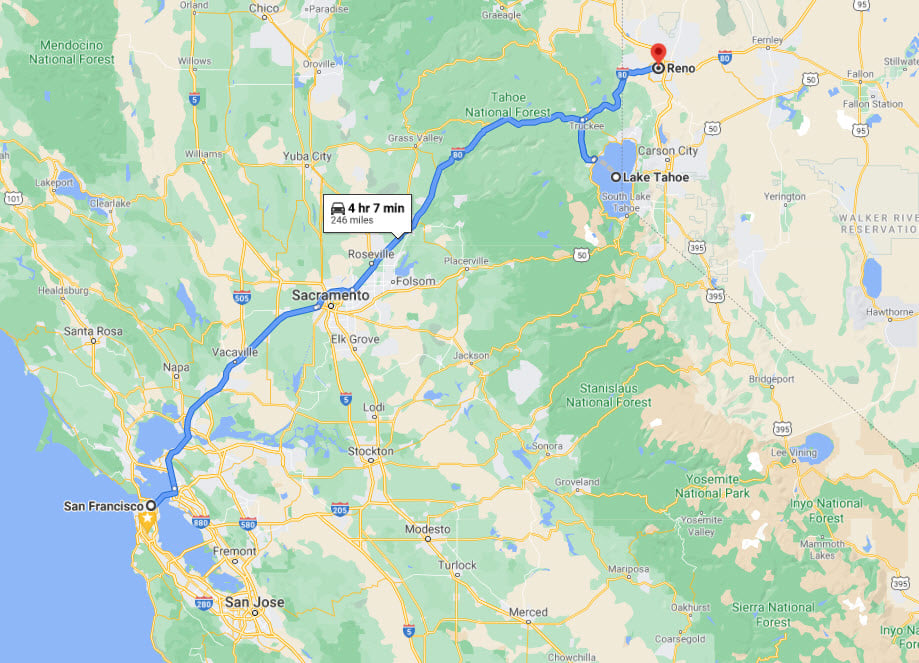
The geographical separation between San Francisco and Lake Tahoe is not a static figure but rather a range, influenced by the specific destination within the Tahoe basin and the chosen mode of transportation. Generally, the distance falls between 190 to 220 miles (approximately 305 to 354 kilometers). This translates to a drive of roughly 3.5 to 4.5 hours under ideal conditions, without accounting for traffic, weather, or necessary stops.

Key Factors Influencing Travel Duration
Several variables can significantly impact the time it takes to reach Lake Tahoe from San Francisco. Being aware of these factors is essential for setting realistic expectations and ensuring a smoother travel experience.
Traffic Congestion
San Francisco and its surrounding Bay Area are notorious for traffic, particularly during peak commute hours. Departing from the city during rush hour, typically between 7-9 AM and 4-6 PM on weekdays, can add substantial time to your journey. Weekend mornings, especially on Fridays heading out of the city and Sundays returning, can also experience significant backups as people flock to and from popular destinations like Tahoe. Planning your departure to avoid these windows is highly recommended.
Route Selection
The most common and direct routes from San Francisco to Lake Tahoe typically involve taking Interstate 80 (I-80) eastbound. This highway offers a relatively straightforward path through the Sierra Nevada. However, depending on your specific destination within the Tahoe region (e.g., South Lake Tahoe, Tahoe City, Truckee), you might need to diverge onto secondary highways. For example, reaching South Lake Tahoe often involves taking US-50 East after Sacramento, while continuing on I-80 and then taking local exits or highways like CA-87 North or CA-267 South will lead to the north and west shores. Each route has its own potential for congestion, especially around towns like Sacramento.
Weather Conditions
The Sierra Nevada mountains are subject to dramatic weather changes, particularly during the fall, winter, and spring. Snowstorms can significantly slow down or even halt traffic on I-80 and other mountain passes. Chain controls are frequently implemented during winter months, requiring vehicles to carry and use tire chains. These conditions can add hours to your travel time or necessitate significant delays. Always check Caltrans (California Department of Transportation) for real-time road conditions and advisories before and during your trip, especially during inclement weather. Summer can bring its own challenges, such as wildfire smoke, which can reduce visibility and impact air quality, potentially causing delays or detours.
Road Construction and Detours
Like any major highway system, I-80 and other routes leading to Lake Tahoe can be subject to road construction projects, particularly during the warmer months. These projects are aimed at improving infrastructure but can lead to lane closures, reduced speed limits, and significant delays. Staying informed about potential construction zones through local traffic reports or navigation apps can help you adjust your route or timing.
Planning Your Transportation Options
Choosing the right mode of transportation from San Francisco to Lake Tahoe depends on your preferences, budget, and the nature of your trip. Each option offers a unique travel experience and set of considerations.
Driving Your Own Vehicle
Driving offers the ultimate flexibility and convenience. It allows you to pack as much gear as needed for your Tahoe adventure, whether it’s skis for a winter trip or hiking equipment for summer. You can stop at scenic overlooks, grab a meal in a charming mountain town, or make spontaneous detours.
- Vehicle Preparation: Ensure your vehicle is in good condition, with proper tire tread and adequate fluid levels. For winter travel, it is imperative to have snow tires or tire chains readily available and know how to install them.
- Navigation: Utilize GPS navigation apps that provide real-time traffic updates and suggest alternative routes if necessary.
- Fuel: Gas stations become less frequent as you ascend into the mountains. It’s advisable to fill up your tank in Sacramento or Reno before continuing your journey to Tahoe.
Rental Cars
For those flying into San Francisco or preferring not to use their own vehicle, renting a car is a viable option. Rental agencies are readily available at San Francisco International Airport (SFO) and Oakland International Airport (OAK).

- Booking in Advance: It is highly recommended to book your rental car in advance, especially during peak travel seasons to secure the best rates and vehicle availability.
- Vehicle Type: Consider the time of year you are traveling. If visiting in winter, an SUV or a vehicle with all-wheel drive might be a prudent choice, even if not strictly required by law, for added safety and traction.
Public Transportation and Shuttles
While less common than driving, public transportation and organized shuttles offer an alternative for those who prefer not to drive.
- Amtrak Train: You can take an Amtrak train from San Francisco to Sacramento. From Sacramento, you would typically need to arrange a separate bus service or shuttle to Lake Tahoe. The train journey itself can be scenic, but the overall travel time will be longer due to the transfers.
- Bus Services: Several private bus companies and shuttle services operate between the Bay Area and Lake Tahoe, particularly during ski season. These services can be convenient, as they often drop passengers off at major resorts and hotels. Researching companies like South Tahoe Airporter or similar services is recommended.
Rideshare Services
While rideshare services like Uber and Lyft are prevalent in San Francisco, extending their service to Lake Tahoe is generally not feasible or cost-effective for the entire journey. Some drivers might be willing to go a portion of the way, but relying on this for the entire trip is impractical. It is more practical for local transportation once you are within the Tahoe area.
Experiencing the Journey: Scenic Stops and Activities
The drive from San Francisco to Lake Tahoe is more than just a transit; it’s an opportunity to experience the changing landscapes and charming towns of Northern California. Incorporating brief stops can enrich your travel experience and break up the drive.
Stopping in Sacramento
Sacramento, the capital of California, is often a natural stopping point for a break or a quick meal. The city offers historical sites such as the Old Sacramento Waterfront and the California State Capitol Museum, providing a glimpse into the state’s rich past. It’s also a convenient place to refuel and grab some provisions before continuing into the mountains.
Truckee: A Charming Mountain Town
As you approach the Tahoe region via I-80, the historic railroad town of Truckee is an excellent place to pause. Truckee boasts a vibrant downtown area with unique shops, art galleries, and excellent dining options. It’s also the gateway to the western side of the lake and offers access to outdoor activities like hiking and biking in the warmer months.
Donner Pass: A Historical Landmark
For those traveling on I-80, the historic Donner Pass offers a profound connection to the region’s history. The pass is famous for the ill-fated Donner Party and is also an engineering marvel, showcasing the challenges and triumphs of building the transcontinental railroad. Several pull-offs provide interpretive signs and stunning views of the surrounding landscape, including the iconic Donner Summit Railroad Tunnels.
Preparing for Arrival in Tahoe
Upon nearing your Lake Tahoe destination, consider these final preparations to ensure a seamless transition into vacation mode.
Choosing Your Tahoe Destination
The Lake Tahoe basin is comprised of numerous distinct areas, each offering a unique atmosphere and set of attractions.
- South Lake Tahoe: Known for its vibrant nightlife, casinos (in neighboring Nevada), and access to world-class ski resorts like Heavenly Mountain Resort. It’s a popular choice for those seeking a mix of outdoor adventure and entertainment.
- Tahoe City: Located on the north shore, Tahoe City offers a charming lakeside village feel with boutique shops, restaurants, and beautiful beaches. It’s a great base for exploring the north and west shores.
- Incline Village: Situated on the Nevada side of the north shore, Incline Village is known for its upscale amenities, stunning lake views, and access to Diamond Peak Ski Resort.
- Truckee: While technically not on the lake itself, Truckee serves as a hub for accessing the north and west shores and offers its own unique mountain town charm and outdoor recreation opportunities.
Accommodation and Local Tips
Regardless of your chosen destination within Tahoe, booking accommodations in advance is highly recommended, especially during peak seasons. Options range from luxury resorts like The Ritz-Carlton, Lake Tahoe to cozy cabins and family-friendly hotels. Familiarize yourself with local services, such as grocery stores, gas stations, and emergency contacts, to ensure a comfortable and safe stay. Remember to respect the natural environment by practicing Leave No Trace principles and being mindful of wildlife. The journey from San Francisco to Lake Tahoe is an adventure in itself, promising breathtaking scenery and a refreshing escape into the heart of the Sierra Nevada.
LifeOutOfTheBox is a participant in the Amazon Services LLC Associates Program, an affiliate advertising program designed to provide a means for sites to earn advertising fees by advertising and linking to Amazon.com. Amazon, the Amazon logo, AmazonSupply, and the AmazonSupply logo are trademarks of Amazon.com, Inc. or its affiliates. As an Amazon Associate we earn affiliate commissions from qualifying purchases.