
The question of “How long is a flight from LA to San Francisco?” is a common one for many travelers planning a trip between these two iconic Californian cities. While the distance might seem short, several factors can influence the actual duration of your flight. Understanding these elements will help you better manage your travel time and expectations for this popular domestic route.
Understanding Flight Time Metrics
When discussing flight times, it’s crucial to differentiate between several key metrics. These distinctions can significantly impact how you perceive the length of your journey.

Scheduled Flight Time
This is the time allocated by the airline for the flight, from the moment the aircraft doors are closed until they are reopened at the destination. It’s a theoretical duration that accounts for various operational aspects. Scheduled flight times often include buffer periods to accommodate potential delays, such as taxiing on the runway or slow boarding processes. For a flight from Los Angeles International Airport (LAX) to San Francisco International Airport (SFO), this typically ranges from 1 hour and 15 minutes to 1 hour and 45 minutes.
Actual Flying Time (Airborne Time)
This refers to the time the aircraft is actually in the air. It’s the period between takeoff and landing. Actual flying time is almost always shorter than the scheduled flight time because it doesn’t include time spent on the ground, such as taxiing to the gate, waiting for clearance for takeoff, or taxiing from the runway to the gate after landing. The actual airborne time for a flight from LA to San Francisco is generally around 1 hour to 1 hour and 20 minutes. This can vary based on wind conditions and the specific flight path taken.
Gate-to-Gate Time
This is the most practical measure for passengers, as it encompasses the entire time spent on the aircraft, from pushing back from the gate at the departure airport to arriving at the gate at the destination. It includes taxiing, takeoff, flight, and landing, but not the time spent deplaning. This metric most closely aligns with the scheduled flight time but is a more realistic representation of the time you’ll be on board the plane. For the LAX to SFO route, gate-to-gate time usually falls within the 1 hour and 15 minute to 1 hour and 45 minute window.
Total Travel Time
It’s essential to remember that the total travel time extends far beyond the gate-to-gate duration. When planning your trip, you must factor in:
- Getting to the airport: Depending on your starting point in Los Angeles and traffic conditions, this can take anywhere from 30 minutes to over an hour.
- Airport procedures: Arriving at the airport at least 1.5 to 2 hours before a domestic flight is recommended. This allows time for check-in, bag drop, and security screening. Security wait times can fluctuate significantly, especially at busy airports like LAX.
- Boarding: Boarding usually begins 30-45 minutes before the scheduled departure time.
- Deplaning and exiting the airport: Once you land in San Francisco, you’ll need time to deplane, potentially collect checked luggage, and make your way out of the airport. This can add another 30-60 minutes or more.
- Getting to your final destination in San Francisco: Similar to Los Angeles, travel time from SFO to your hotel or final destination in San Francisco can vary based on traffic and your specific location.
Therefore, while the flight itself is relatively short, the entire door-to-door travel experience for a trip from LA to San Francisco can easily span 4 to 6 hours.
Factors Influencing Flight Duration
Several variables can influence the exact length of your flight between Los Angeles and San Francisco, even though the physical distance remains constant.
Weather Conditions
- Headwinds and Tailwinds: The most significant weather-related factor is wind. Flying against a headwind will slow the aircraft down relative to the ground, increasing flight time. Conversely, a strong tailwind can significantly reduce flight time.
- Storms and Air Traffic Control (ATC) Restrictions: Severe weather, such as thunderstorms or fog, can lead to flight delays or necessitate rerouting, which might extend the flight path and duration. ATC may also impose ground delays or slow down air traffic during adverse weather.
- Visibility: Low visibility at either airport can impact taxi times and takeoff/landing clearances, potentially adding to the gate-to-gate duration.
Air Traffic Control and Airspace Congestion
The airspace between Southern California and the San Francisco Bay Area is one of the busiest in the world.
- Traffic Management: ATC plays a vital role in managing this dense airspace. Congestion can lead to holding patterns before landing or delays in takeoff clearance.
- Flight Path Optimization: While airlines aim for the most efficient routes, ATC instructions based on current traffic and weather can sometimes lead to slightly longer flight paths.
Airline and Aircraft Type
- Aircraft Speed: Different aircraft models have varying cruising speeds. While most commercial jets on this route operate within a similar speed range, slight differences can contribute to variations in flight time.
- Airline Scheduling Practices: As mentioned earlier, airlines build different buffer times into their scheduled flight durations. Some may opt for more conservative schedules, while others might schedule flights more tightly.
Airport Operations
- Gate Availability: Delays in arriving at or departing from a gate can impact the overall gate-to-gate time.
- Runway Congestion: Busy airports like LAX and SFO can experience delays in takeoff and landing clearances due to heavy air traffic.
- Ground Operations: Efficiency of ground crews in servicing aircraft and facilitating boarding can also play a minor role.
Typical Flight Durations by Time of Day and Airline
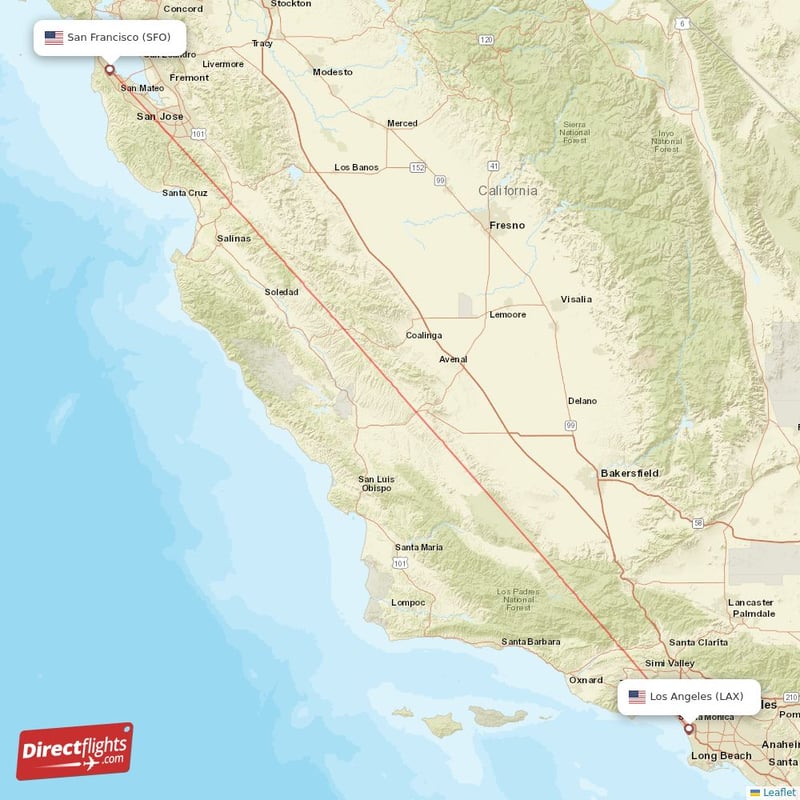
While the core flight time is consistent, the overall travel experience can be influenced by when you fly and with which airline.
Peak Travel Times
Flights during peak travel periods, such as early mornings, late afternoons, and weekends, often experience higher traffic volume at airports and in the air. This can translate to:
- Longer Taxi Times: More aircraft on the ground means more waiting for takeoff clearance.
- Potential for Holding Patterns: Airspace congestion can lead to holding patterns before landing.
- Increased Security Wait Times: More travelers mean longer lines at security checkpoints, impacting your pre-flight time.
Off-Peak Travel Times
Traveling during off-peak hours, such as mid-morning or mid-afternoon on weekdays, generally offers a smoother experience:
- Reduced Airport Crowds: Shorter lines for check-in and security.
- Faster Airport Navigation: Less congestion on the roads to and from the airport, and quicker movement within the terminals.
- Potentially Shorter Gate-to-Gate Times: Reduced air traffic can lead to fewer delays in takeoff and landing.
Major Airlines Serving the Route
Several major airlines operate frequent flights between Los Angeles and San Francisco. While their scheduled flight times are often similar, minor variations can exist:
- American Airlines: Typically schedules flights around 1 hour and 30 minutes.
- United Airlines: Also commonly schedules around 1 hour and 30 minutes.
- Delta Air Lines: Similar scheduling, often around 1 hour and 35 minutes.
- Southwest Airlines: Known for its frequent service, also generally schedules around 1 hour and 25 minutes to 1 hour and 40 minutes.
It’s always advisable to check the specific scheduled flight time for your chosen flight when booking, as this will be the most accurate representation of the airline’s planned duration.
Maximizing Your Travel Experience
Given the short flight duration, the focus for travelers on the LA to San Francisco route often shifts from the airborne segment to optimizing the overall travel experience.
Choosing the Right Airport
Both Los Angeles and the San Francisco Bay Area have multiple airports, and choosing the most convenient one for your origin and destination can significantly impact your total travel time.
-
Los Angeles Area:
- Los Angeles International Airport (LAX): The largest and busiest, with the most flight options.
- Hollywood Burbank Airport (BUR): Smaller, often with shorter security lines and easier parking.
- Long Beach Airport (LGB): Another convenient option for those in the southern part of LA County.
- John Wayne Airport (SNA) in Orange County: Further south but can be ideal for some travelers.
-
San Francisco Bay Area:
- San Francisco International Airport (SFO): The primary airport, well-connected by public transit (BART).
- Oakland International Airport (OAK): Often offers competitive fares and is accessible via BART.
- San Jose International Airport (SJC): The southernmost option, ideal if your destination is in the South Bay.
Consider proximity to your hotel or final destination when selecting an airport, as well as the availability of direct flights.
Packing Smart for a Short Flight
For a flight as short as LA to San Francisco, efficient packing is key.
- Carry-On Only: If possible, traveling with only a carry-on can save significant time at both ends of your journey, avoiding baggage claim queues.
- Essentials: Ensure you have everything you need for the flight (book, headphones, a light snack) readily accessible in your personal item.
Utilizing Airport Amenities and Services
- Airport Lounges: If you have a premium ticket or a lounge membership, utilizing airport lounges can provide a more comfortable pre-flight experience, with access to food, drinks, and Wi-Fi.
- Mobile Check-in and Boarding Passes: This streamlines the process at the airport, allowing you to head directly to security.
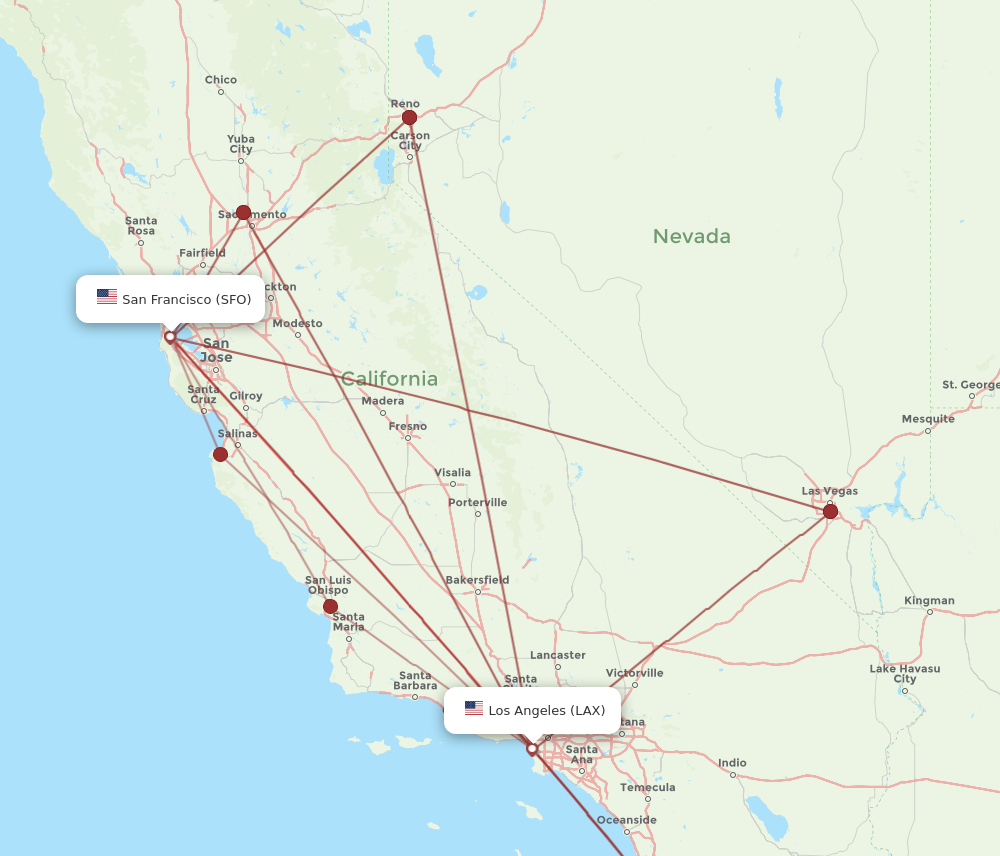
Understanding Ground Transportation
The ease of getting to and from airports in both Los Angeles and San Francisco can greatly influence your total travel time.
- Public Transportation: BART is an excellent option for connecting SFO and OAK to downtown San Francisco and other Bay Area locations. LA Metro offers various options for accessing LAX, though they can be more time-consuming.
- Rideshares and Taxis: Readily available at all major airports but can be subject to surge pricing and wait times during peak hours.
- Rental Cars: A good option if you plan on exploring beyond the immediate city centers, but be mindful of parking costs and traffic congestion.
In conclusion, while the flight from LA to San Francisco is a short hop across California, understanding the nuances of scheduled versus actual flight times, and meticulously planning your pre- and post-flight logistics, will ensure a smooth and efficient journey. The actual time spent in the air is merely a fraction of the total travel experience, and maximizing your time at either end can make all the difference.
LifeOutOfTheBox is a participant in the Amazon Services LLC Associates Program, an affiliate advertising program designed to provide a means for sites to earn advertising fees by advertising and linking to Amazon.com. Amazon, the Amazon logo, AmazonSupply, and the AmazonSupply logo are trademarks of Amazon.com, Inc. or its affiliates. As an Amazon Associate we earn affiliate commissions from qualifying purchases.