
Embarking on a journey from the iconic Golden Gate Bridge in San Francisco to the vibrant metropolis of Tokyo is a significant undertaking, bridging the vast expanse of the Pacific Ocean. Understanding the duration of this transcontinental flight is crucial for any traveler planning their itinerary, from booking flights to arranging accommodations and scheduling onward travel. This comprehensive guide delves into the intricacies of the flight duration, considering various factors that influence how long you’ll spend in the air.
The Average Flight Duration
Direct flights between San Francisco International Airport (SFO) and Tokyo Narita International Airport (NRT) or Tokyo Haneda Airport (HND) are the most sought-after for their efficiency. On average, a non-stop flight typically spans between 10 to 11 hours. This duration can fluctuate slightly based on prevailing wind patterns, the specific aircraft used, and the flight path taken by the airline. Airlines such as United Airlines, Japan Airlines, and All Nippon Airways are among the primary carriers offering these direct services.
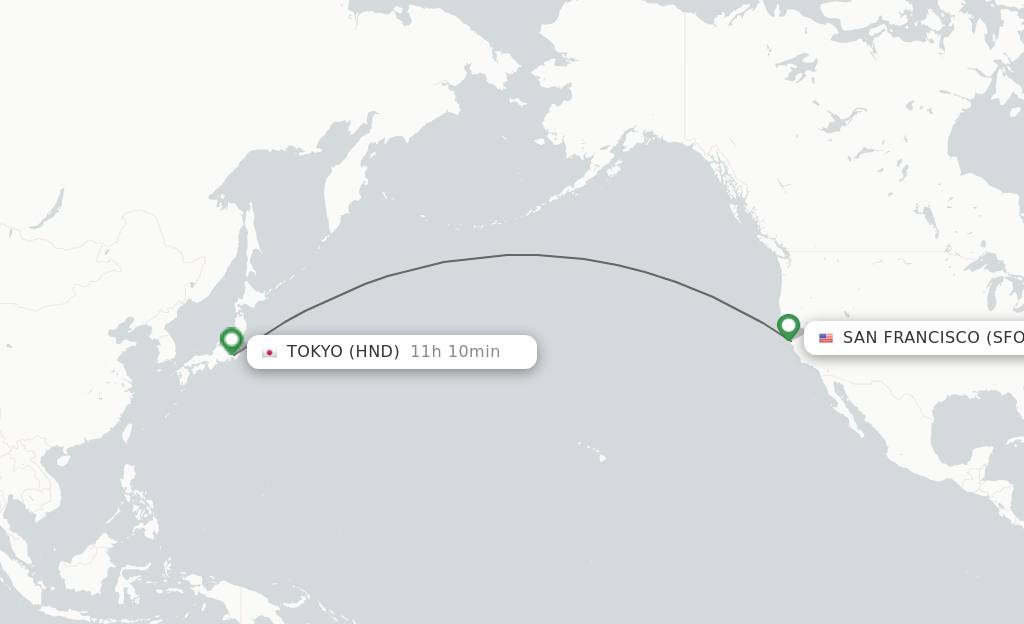
Factors Influencing Direct Flight Times
While the 10-11 hour range is a reliable benchmark, several elements can subtly alter this figure:
- Jet Streams: These high-altitude, fast-flowing air currents can either assist or impede an aircraft. Flying eastward from Tokyo to San Francisco, the prevailing jet stream often acts as a tailwind, potentially shortening the flight time. Conversely, flying westward, the jet stream can become a headwind, extending the flight duration.
- Aircraft Type: Modern aircraft are designed for fuel efficiency and speed. The specific model of the airplane, its cruising speed, and its aerodynamic capabilities can lead to marginal differences in flight time. Larger aircraft might have different optimal cruising speeds compared to smaller ones.
- Flight Path and Air Traffic Control: Air traffic control plays a vital role in managing airspace and ensuring safety. Flight paths are meticulously planned, but occasional detours or adherence to specific air traffic corridors dictated by weather or congestion can add or subtract a few minutes from the journey.
- Seasonal Variations: While not a primary driver of flight duration, seasonal weather patterns can indirectly influence flight times. For instance, during certain seasons, more northerly or southerly flight paths might be chosen to avoid turbulence or adverse weather systems, which could slightly alter the total time in the air.
Flights with Layovers: A Different Equation
For travelers seeking more budget-friendly options or those whose schedules necessitate it, flights with one or more layovers are a common alternative. These journeys can significantly extend the total travel time, often doubling it or more. The duration of a flight with layovers is a composite of several components:
- Flight Time to Layover City: The initial flight segment from San Francisco to the connecting city.
- Layover Duration: The time spent on the ground at the connecting airport. This can range from a brief 1-2 hour window to an extended period of several hours, or even an overnight stop.
- Flight Time from Layover City to Tokyo: The second flight segment to the final destination.
Common Layover Hubs and Their Impact
Popular layover cities for flights between San Francisco and Tokyo often include major hubs on the West Coast of North America, such as Seattle, Vancouver, or even cities further inland. Increasingly, airlines are also routing passengers through other Asian hubs like Seoul or Taipei, depending on their network.
- North American Hubs: A layover in a city like Seattle might add approximately 4-5 hours of flight time to the initial segment, followed by a layover of, say, 3-6 hours, and then another 9-10 hour flight to Tokyo. This can easily push the total travel time to 16-20 hours or more.
- Asian Hubs: Opting for a layover in an Asian city like Seoul from San Francisco means a longer initial flight segment, potentially around 11-12 hours, followed by a shorter connecting flight of 3-4 hours to Tokyo. With a typical layover of 3-5 hours, the total journey could be around 17-21 hours.

The choice of layover city significantly influences the overall travel experience and the total time dedicated to reaching Tokyo. It’s imperative to check the total duration when comparing flight options, not just the flight time between stops.
Preparing for Your Long-Haul Journey
Regardless of whether you opt for a direct flight or a route with layovers, a journey from San Francisco to Tokyo is a substantial travel experience. Proper preparation can make a significant difference in your comfort and well-being.
Time Zone Differences and Jet Lag
One of the most significant aspects of this flight is crossing the International Date Line. Tokyo is 16 hours ahead of San Francisco. This means that departing San Francisco in the afternoon or evening might see you arriving in Tokyo in the evening of the next day, despite a flight time of around 10-11 hours. The physiological impact of such a drastic time zone shift is commonly known as jet lag.
- Mitigation Strategies: To combat jet lag, it is advisable to:
- Adjust your sleep schedule gradually in the days leading up to your departure.
- Stay hydrated during the flight.
- Avoid excessive caffeine and alcohol.
- Upon arrival, expose yourself to natural sunlight during the day and try to adhere to the local sleep schedule.
- Consider the benefits of airlines that offer enhanced comfort in their premium cabins, such as lie-flat seats, which can greatly aid in sleeping during the flight.
Packing Essentials for the Flight
Long flights require careful consideration of what to pack in your carry-on luggage to ensure comfort and entertainment.
- Comfort Items: Neck pillow, eye mask, earplugs, comfortable socks, and a light blanket or shawl are essential for maximizing rest.
- Entertainment: Books, e-readers, downloaded movies or music, and noise-canceling headphones can make the hours fly by. Most modern aircraft are equipped with in-flight entertainment systems, but having your own backups is always wise.
- Hygiene: A small toiletry kit with a toothbrush, toothpaste, face wipes, lip balm, and hand sanitizer can help you feel refreshed.
- Snacks: While airlines provide meals, having your own preferred snacks can be a comfort, especially if you have dietary restrictions.
- Electronics: Ensure you have chargers and a portable power bank for your devices.
Choosing Your Airline and Seat
The choice of airline and seat can significantly impact your travel experience. Different airlines offer varying levels of service, seat pitch, and amenities.
- Seat Selection: When booking, consider selecting an aisle seat for easier access to the lavatory and to stretch your legs, or a window seat for views and to lean against the wall. Bulkhead seats often offer more legroom but may have limitations on under-seat storage. Seats near the galley or lavatories can be noisier.
- Premium Cabins: For those seeking ultimate comfort on this long journey, investing in business or first class can transform the flight. Lie-flat seats, gourmet dining, and personalized service are hallmarks of these premium cabins.
By understanding the nuances of flight durations and preparing adequately, travelers can approach their journey from San Francisco to Tokyo with confidence and a clear expectation of what lies ahead, ensuring a smoother transition into the captivating culture of Japan.
LifeOutOfTheBox is a participant in the Amazon Services LLC Associates Program, an affiliate advertising program designed to provide a means for sites to earn advertising fees by advertising and linking to Amazon.com. Amazon, the Amazon logo, AmazonSupply, and the AmazonSupply logo are trademarks of Amazon.com, Inc. or its affiliates. As an Amazon Associate we earn affiliate commissions from qualifying purchases.