
San Francisco, a city renowned for its iconic landmarks, vibrant culture, and picturesque scenery, also faces significant societal challenges. Among these, homelessness stands as a prominent issue, impacting the city’s fabric and the lives of its residents. Understanding the scope of homelessness in San Francisco requires a deep dive into the available data, the methodologies used for counting, and the various contributing factors. While a precise, real-time figure is elusive, regular point-in-time counts and demographic studies offer crucial insights into the scale and nature of this complex problem. This article aims to explore these figures, providing a comprehensive overview for those interested in the realities of living in and visiting this dynamic metropolis.

Understanding Homelessness in San Francisco: Data and Methodologies
The most widely cited figures for homelessness in San Francisco come from the biennial Point-In-Time (PIT) Count, mandated by the U.S. Department of Housing and Urban Development (HUD). This count is a snapshot taken on a single night, usually in late January, when volunteers and city outreach workers survey individuals experiencing homelessness in shelters, encampments, and on the streets. The methodology involves a combination of direct observation, interviews, and data from service providers.
The Point-In-Time (PIT) Count Explained
The PIT count is a critical, albeit imperfect, tool for understanding homelessness. Its strengths lie in its standardized approach, allowing for comparisons across different jurisdictions and over time. However, its limitations are also significant. The count only captures those who are visible and accessible on the night of the survey. Individuals who are doubled up with friends or family, or who manage to find temporary, hidden shelter, may not be included. Moreover, the count is conducted during the winter months, which can influence the visibility and movement of unsheltered individuals.
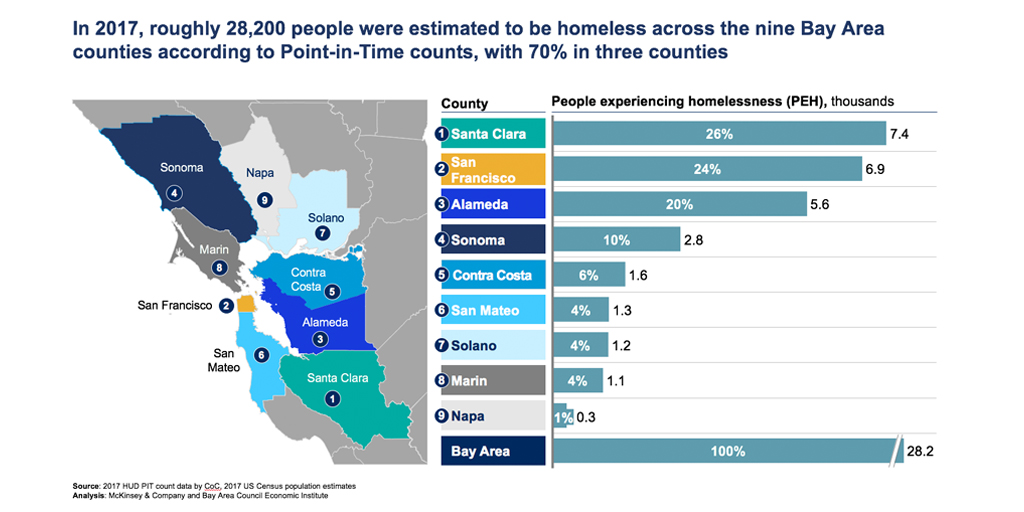
Despite these limitations, the PIT count provides the most comprehensive available data on the homeless population. For instance, the 2022 PIT count in San Francisco identified approximately 7,761 individuals experiencing homelessness, a figure that has fluctuated over the years but consistently highlights the significant scale of the issue. This number encompasses both sheltered and unsheltered individuals, offering a dual perspective on the crisis. The count also breaks down the population by demographics, including age, race, ethnicity, and veteran status, providing valuable data for targeted interventions and policy development.
Beyond the PIT Count: Other Data Sources
While the PIT count is the cornerstone of homeless data collection, other sources contribute to a more nuanced understanding. Annual reports from the San Francisco Department of Homelessness and Supportive Housing (HSH) provide ongoing analysis of service utilization, inflow and outflow of individuals into homelessness, and the effectiveness of various programs. These reports often draw upon administrative data from shelters, housing programs, and outreach services, offering a more dynamic view of the homeless population than the static PIT count.
Furthermore, studies conducted by academic institutions and non-profit organizations often delve deeper into specific aspects of homelessness, such as the experiences of youth, families, or individuals with particular health challenges. These research efforts, while not always yielding population-wide numbers, provide crucial qualitative data that informs policy and practice. For example, understanding the prevalence of mental health issues or substance use disorders among the homeless population is vital for developing appropriate support services.
Trends and Demographics of Homelessness in San Francisco
The figures for homelessness in San Francisco reveal a diverse population with varying needs and circumstances. While often depicted as a monolithic group, individuals experiencing homelessness are individuals with unique stories, challenges, and aspirations. Understanding these demographics is key to developing effective and compassionate solutions.
Sheltered vs. Unsheltered Populations
A significant distinction within the homeless population is between those who are sheltered and those who are unsheltered. The PIT count typically distinguishes between these two groups. The number of unsheltered individuals is often a primary focus of public concern and policy debate, as they are the most visible and often face the harshest living conditions.
In the 2022 PIT count, a substantial portion of the identified homeless population was unsheltered. This highlights the ongoing challenge of providing sufficient and accessible shelter options, as well as the complex factors that lead individuals to remain unsheltered, such as a lack of trust in services, concerns about personal safety in shelters, or the presence of pets. Conversely, the sheltered population includes individuals in emergency shelters, transitional housing, and safe haven programs, representing those who have accessed some form of formal support.
Key Demographic Characteristics
The demographic profile of San Francisco’s homeless population is varied:
- Age: While homelessness can affect individuals of all ages, young adults and adults between the ages of 25 and 54 often constitute a significant portion of the homeless population. Youth homelessness, typically defined as individuals under the age of 25, is also a critical concern, often linked to family conflict, abuse, or aging out of the foster care system.
- Race and Ethnicity: Data consistently shows disproportionate representation of certain racial and ethnic groups within the homeless population. Black or African American individuals, for example, are often overrepresented relative to their proportion in the general population, reflecting systemic inequities and historical disadvantages. Hispanic or Latino individuals also form a significant part of the homeless community.
- Gender: Both men and women experience homelessness, with men often making up a larger percentage of the unsheltered population. However, women experiencing homelessness may face unique risks and vulnerabilities, including higher rates of domestic violence. Transgender and gender non-conforming individuals also face significant challenges and are often overrepresented within the homeless population.
- Veteran Status: While the overall number of homeless veterans has seen a decline in many parts of the country, it remains a concern in cities like San Francisco. Programs aimed at assisting veterans transitioning out of service have had some success, but a subset of veterans still experiences homelessness, often due to mental health issues, substance use, or difficulties reintegrating into civilian life.
- Health Status: A substantial portion of individuals experiencing homelessness struggle with chronic health conditions, mental illness, and substance use disorders. These issues can be both a cause and a consequence of homelessness, creating a complex cycle that requires comprehensive, integrated support services.
Understanding these demographic breakdowns is crucial for tailoring interventions and ensuring that services are culturally competent and meet the specific needs of different sub-groups within the homeless community.
Contributing Factors to Homelessness in San Francisco
Homelessness in San Francisco is not a singular issue but a complex interplay of economic, social, and systemic factors. The city’s unique economic landscape, characterized by high housing costs and a booming tech industry, plays a significant role in exacerbating the problem.
The Housing Crisis

San Francisco has long been recognized as one of the most expensive housing markets in the United States. Skyrocketing rents and a severe shortage of affordable housing units create immense pressure on low-income individuals and families, making it difficult to secure and maintain stable housing. Even those with moderate incomes can struggle to afford rent, pushing many to the brink of homelessness.
The rapid growth of the technology sector has driven up demand for housing, leading to gentrification and displacement of long-term residents. The limited supply of housing stock, coupled with strict zoning regulations and a lengthy approval process for new developments, further intensifies the affordability crisis. For individuals experiencing job loss, medical emergencies, or other financial setbacks, the high cost of living can quickly lead to an inability to pay rent and subsequent eviction.
Economic Disparities and Poverty
Beyond the housing crisis, broader economic disparities contribute to homelessness. Income inequality in San Francisco is stark, with a significant gap between high-wage earners in the tech industry and low-wage workers in service industries, retail, and healthcare. Many individuals experiencing homelessness were employed before losing their housing, but their wages were insufficient to keep pace with the rising cost of living.
Poverty, coupled with limited access to education, job training, and career advancement opportunities for marginalized communities, perpetuates a cycle of economic instability. Systemic issues such as racial discrimination and historical disadvantages further compound these challenges, making it harder for certain groups to achieve economic security.
Social and Systemic Factors
Several social and systemic factors also contribute to homelessness:
- Mental Health and Substance Use: As mentioned previously, mental illness and substance use disorders are prevalent among those experiencing homelessness. These conditions can make it challenging to maintain employment, manage finances, and secure housing. Access to comprehensive and affordable mental healthcare and addiction treatment is crucial for addressing these underlying issues.
- Domestic Violence and Trauma: Many individuals, particularly women and children, enter homelessness as a result of fleeing domestic violence. The trauma associated with such experiences can have long-lasting effects, impacting their ability to work and maintain stable relationships.
- Systemic Failures: Gaps in social safety nets, insufficient funding for affordable housing initiatives, and challenges within the criminal justice and foster care systems can also contribute to individuals becoming homeless. For instance, individuals exiting correctional facilities or the foster care system may lack adequate support and resources to secure housing, increasing their risk of homelessness.
- Lack of Affordable Healthcare: For individuals with chronic health conditions or disabilities, the cost of healthcare can be a significant burden. Without adequate insurance or access to affordable medical services, health crises can quickly lead to job loss and housing instability.
Addressing homelessness in San Francisco requires a multi-faceted approach that tackles not only the immediate need for shelter and housing but also the root causes of poverty, economic inequality, mental health challenges, and systemic inequities.
Efforts to Combat Homelessness in San Francisco
San Francisco has implemented a wide range of initiatives and programs aimed at reducing and ultimately ending homelessness. These efforts involve collaboration between city agencies, non-profit organizations, and community stakeholders, focusing on a spectrum of interventions from emergency services to long-term housing solutions.
Housing First and Supportive Services
A cornerstone of San Francisco’s strategy is the “Housing First” model. This approach prioritizes providing permanent housing to individuals experiencing homelessness as quickly as possible, without preconditions such as sobriety or participation in treatment programs. Once housed, individuals are offered voluntary supportive services, including case management, mental health counseling, substance use treatment, and job assistance. The philosophy behind Housing First is that stable housing provides the foundation necessary for individuals to address other challenges in their lives.
San Francisco has invested in developing various forms of supportive housing, including single-room occupancy (SRO) hotels, permanent supportive housing units, and modular housing. These initiatives aim to increase the supply of affordable and accessible housing options tailored to the needs of the homeless population. The Department of Homelessness and Supportive Housing (HSH) plays a central role in coordinating these efforts, managing outreach teams, and connecting individuals with available resources.
Outreach and Emergency Response
Effective outreach is critical for engaging with unsheltered individuals and connecting them with services. San Francisco deploys multidisciplinary outreach teams composed of social workers, mental health professionals, and medical personnel who work directly with people living on the streets and in encampments. These teams build trust, assess needs, and help individuals transition into shelters, interim housing, or permanent housing solutions.
Emergency response services, such as warming centers during cold weather and safe sleeping sites, are also part of the city’s strategy to provide immediate relief and shelter to those most vulnerable. These temporary measures aim to offer a safer alternative to sleeping unsheltered while longer-term solutions are pursued.
Prevention and Diversion Programs
In addition to addressing current homelessness, San Francisco also focuses on prevention and diversion programs. Prevention efforts aim to identify individuals and families at risk of homelessness and provide them with the resources to maintain their housing, such as rental assistance, eviction defense services, and mediation with landlords. Diversion programs work to identify individuals presenting at shelters or service centers and help them find immediate, safe alternatives to entering the homeless system, such as reuniting with family or friends.
These upstream interventions are crucial for reducing the inflow into homelessness, which can be more cost-effective and impactful in the long run than addressing homelessness after it has occurred.
Collaboration and Policy Advocacy
Combating homelessness requires a coordinated effort. San Francisco actively engages in partnerships with a wide array of stakeholders, including non-profit organizations that provide direct services, healthcare providers, businesses, and community groups. Advocacy for policy changes at the local, state, and federal levels is also essential, particularly concerning increased funding for affordable housing, mental healthcare, and social services. The city continuously evaluates its programs and adapts its strategies based on data, research, and the evolving needs of its homeless population.
LifeOutOfTheBox is a participant in the Amazon Services LLC Associates Program, an affiliate advertising program designed to provide a means for sites to earn advertising fees by advertising and linking to Amazon.com. Amazon, the Amazon logo, AmazonSupply, and the AmazonSupply logo are trademarks of Amazon.com, Inc. or its affiliates. As an Amazon Associate we earn affiliate commissions from qualifying purchases.