
The iconic San Francisco cable cars are more than just a mode of transportation; they are a living piece of history and an essential part of the city’s vibrant character. Riding these rolling landmarks offers a unique perspective on the city’s famed hills, bustling streets, and picturesque bay views. For visitors and locals alike, understanding the nuances of riding a cable car can transform a simple journey into a memorable experience.
Understanding the San Francisco Cable Car System
The San Francisco Municipal Railway (Muni) operates the world’s last manually operated cable car system. It’s a designated National Historic Landmark, a testament to its enduring appeal and engineering ingenuity. Unlike modern transit systems, these cars are propelled by a continuously moving underground steel cable, powered by a complex system of grip mechanisms and machinery housed in the substreet powerhouse. This system, first introduced in the late 19th century, was revolutionary for its time, allowing San Francisco to overcome its notoriously steep topography.

The Three Historic Lines
Currently, three historic lines are in operation:
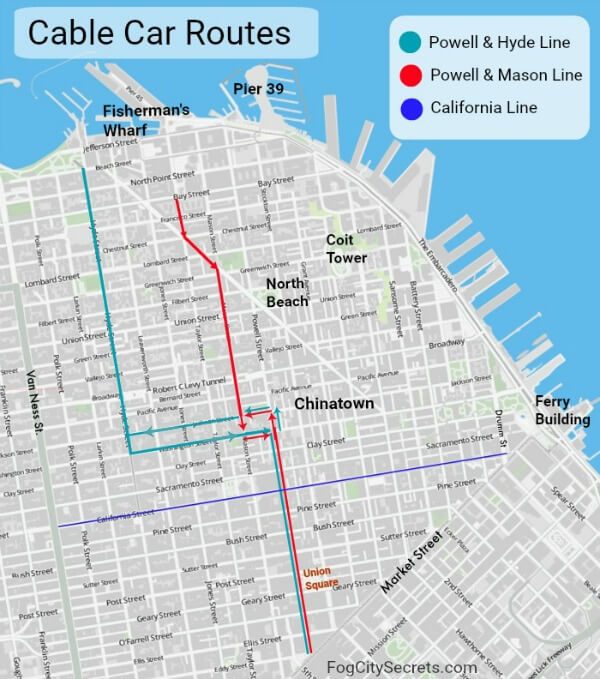
- Powell-Hyde Line: This is arguably the most scenic and popular route. It ascends from the bustling Union Square area, traverses the crest of Nob Hill, descends the dramatic curves of Lombard Street (the “most crooked street in the world”), and terminates near Fisherman’s Wharf at Ghirardelli Square. The views of Alcatraz Island and San Francisco Bay from this line are unparalleled.
- Powell-Mason Line: Also starting from Union Square, this line follows a slightly different path, heading towards North Beach and also ending at Fisherman’s Wharf, though a few blocks east of the Powell-Hyde terminus. It offers a different perspective of the city’s architecture and street life.
- California Street Line: This is the longest and steepest of the three lines. It runs east-west along California Street, connecting the Financial District with Chinatown and Nob Hill. This line is generally less crowded and offers a more local experience, showcasing the grandeur of the city’s financial heart and the vibrant energy of Chinatown.
How the System Works
The fundamental principle of the cable car is simple yet ingenious. A mechanism called a “grip” operated by the conductor, clamps onto the moving cable beneath the street. To start moving, the grip is tightened; to stop, it’s released. This requires constant attention and skill from the conductor, making each journey a live performance of historical mechanics. The cars themselves are open-air marvels, featuring wooden benches, brass fittings, and bell towers that announce their arrival and departure.
Planning Your Cable Car Ride
A successful cable car ride involves a bit of planning to maximize enjoyment and minimize potential frustrations. Given their popularity, especially during peak tourist seasons, strategic timing and understanding ticketing options are key.
Ticketing and Fares
- Fare Options: Muni offers various fare options. Single rides can be purchased directly from the conductor onboard the cable car, though this is often the most expensive option per ride. For those planning multiple rides or exploring other Muni services, purchasing a Muni Passport or using the MuniMobile app is highly recommended. These options often provide significant savings.
- MuniMobile App: The official MuniMobile app allows you to purchase fares and passes directly from your smartphone. You can activate passes for immediate use or store them for later. This is often the most convenient and cost-effective method for tourists.
- Visitor Passes: For visitors spending several days in San Francisco, a 1-Day, 3-Day, or 7-Day Visitor Passport offers unlimited rides on all Muni services, including cable cars, buses, and streetcars. These can be purchased online, at select retail locations, or through the MuniMobile app.
- Senior and Disabled Fares: San Francisco offers discounted fares for seniors and individuals with disabilities. Proof of eligibility is required.
Best Times to Ride
To avoid the longest queues, consider riding during off-peak hours. Early mornings (before 9:00 AM) and late evenings (after 7:00 PM) generally see fewer crowds. Weekdays tend to be less busy than weekends, and the shoulder seasons (spring and fall) offer pleasant weather with fewer tourists than the peak summer months. The Powell-Hyde line is particularly popular, so expect longer waits there, especially at its termini.
Boarding Locations
Cable cars can be boarded at designated stops. The main starting points for the Powell-Hyde and Powell-Mason lines are at the corner of Powell Street and Market Street, near Union Square. The California Street line also has its primary termini in the Financial District and near Chinatown. Be aware that queues can form at these popular boarding points. If you’re looking for a less crowded boarding experience, consider boarding a few blocks away from the main termini, especially on the Powell-Hyde and Powell-Mason lines. You may still be able to catch a seat or at least get on the car with a shorter wait.
The Cable Car Experience: What to Expect
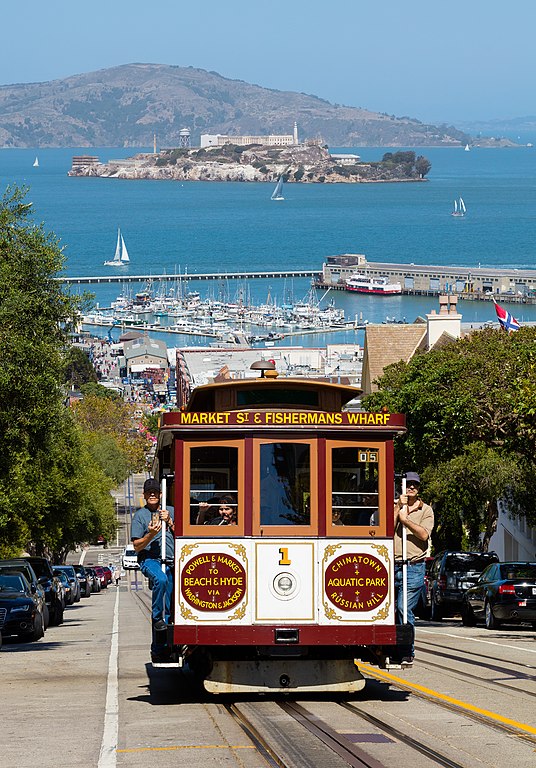
Riding a cable car is an immersive experience that engages all the senses. From the clang of the bell to the rush of wind as you ascend San Francisco‘s iconic hills, it’s an unforgettable journey.
Riding Etiquette and Practical Tips
- Hold On: The cars can lurch and sway, especially on the steep inclines and sharp turns. Always hold onto the provided poles or straps for stability. Standing passengers should be particularly mindful.
- Conductor’s Role: The conductor is responsible for operating the car, collecting fares, and ensuring passenger safety. Be respectful of their instructions. They have a challenging and skillful job.
- Standing Room: During busy periods, you may have to stand. Many locals and seasoned tourists prefer to stand on the outside running boards for the best views and experience, especially on the Powell-Hyde line as it descends towards Fisherman’s Wharf.
- Bell Usage: The conductor rings the bell to signal movement or to alert pedestrians. Do not tamper with the bell.
- Photography: The best photo opportunities often come from the outside. Be mindful of your surroundings and other passengers when taking pictures. Ensure your camera or phone is secured; a dropped item could be lost forever on the tracks or in the mechanism below.
- Weather Preparedness: San Francisco weather can be unpredictable. Even on a sunny day, the wind can be chilly, especially when moving at speed. Dress in layers and be prepared for fog, which can roll in quickly.
Maximizing Your Views
The Powell-Hyde line is renowned for its breathtaking views. As you climb out of the downtown area and head towards the coast, keep your eyes peeled for:
- Coit Tower: Visible from various points as you ascend and descend the hills.
- Alcatraz Island and San Francisco Bay: Particularly dramatic on the descent of the Powell-Hyde line as it approaches Fisherman’s Wharf.
- Golden Gate Bridge: While not directly visible from every point, glimpses of the iconic bridge can be seen from higher elevations.
- Victorian Architecture: The charming houses lining the streets, especially as you pass through neighborhoods like Nob Hill and towards the waterfront.
On the California Street line, the views shift to the urban landscape, showcasing the towering skyscrapers of the Financial District and the vibrant street life of Chinatown.
Beyond the Ride: Integrating Cable Cars into Your Itinerary
The cable cars are not just a means to an end; they can be a central part of your San Francisco exploration. Consider how to best weave them into your visit to truly experience the city.
Connecting Key Attractions
The cable car lines conveniently connect many of San Francisco‘s most famous attractions:
- Union Square: A central hub for shopping and hotels, serving as a major starting point for cable cars.
- Nob Hill: Home to historic hotels like the Fairmont San Francisco and the Mark Hopkins Hotel, offering stunning city views.
- Chinatown: The oldest Chinatown in North America, accessible via the California Street line.
- Fisherman’s Wharf: A bustling tourist area with seafood restaurants, souvenir shops, and sea lion viewing at Pier 39. The Powell-Hyde and Powell-Mason lines terminate here.
- Ghirardelli Square: Located near the terminus of the Powell-Hyde line, famous for its chocolate and shops.
- Lombard Street: The famous crooked street is best viewed from the bottom, making the Powell-Hyde line a perfect way to arrive in its vicinity.
Combining with Other Muni Services
The San Francisco Municipal Railway system is extensive. A cable car ride can be seamlessly combined with other Muni services:
- Historic Streetcars: The F Market & Wharves line runs historic streetcars along the Embarcadero and Market Street, offering a different historical transit experience and connecting with the cable car termini at Fisherman’s Wharf.
- Buses and Metro: Muni buses and Metro light rail provide comprehensive coverage throughout the city, allowing you to reach areas not served by cable cars.
By understanding the routes, fares, and best times to ride, you can transform a simple transit experience into an iconic San Francisco adventure. The cable cars are a living museum, a thrilling ride, and an indispensable part of any visitor’s journey through this magnificent city.
LifeOutOfTheBox is a participant in the Amazon Services LLC Associates Program, an affiliate advertising program designed to provide a means for sites to earn advertising fees by advertising and linking to Amazon.com. Amazon, the Amazon logo, AmazonSupply, and the AmazonSupply logo are trademarks of Amazon.com, Inc. or its affiliates. As an Amazon Associate we earn affiliate commissions from qualifying purchases.