
The vastness of airports can often be a point of discussion, especially when comparing two major international hubs like Denver Airport and San Francisco International Airport. While both serve millions of travelers annually and are gateways to popular destinations, their physical footprints tell a different story. Understanding airport size involves more than just passenger numbers; it encompasses the total land area, the number of runways, terminal square footage, and even the sprawling reach of their operational facilities. This exploration delves into the comparative scale of these two significant airports, offering a clearer picture of their infrastructural grandeur.

Unpacking Airport Size: Metrics and Definitions
Before directly comparing Denver Airport and San Francisco International Airport, it’s crucial to define what constitutes “bigger” in the context of an airport. Size can be measured in several ways, each offering a unique perspective on the airport’s scale:
Land Area
The most straightforward measure of an airport’s physical size is its total land area. This includes all runways, taxiways, terminals, hangars, maintenance facilities, parking structures, and any undeveloped land owned by the airport authority. A larger land area often suggests more room for expansion, additional runways, or the accommodation of various operational needs.
Terminal Square Footage
This metric focuses on the passenger-facing areas of the airport. It encompasses all concourses, gates, waiting areas, security checkpoints, baggage claim areas, retail spaces, and dining facilities within the terminal buildings. A larger terminal square footage typically means more amenities, greater passenger capacity, and a more comfortable, albeit sometimes overwhelming, travel experience.
Runway Configuration and Length
The number and length of runways are critical for an airport’s operational capacity. More runways allow for simultaneous takeoffs and landings, reducing delays. Longer runways are essential for accommodating larger, long-haul aircraft. The overall layout and configuration of these runways also contribute to the perceived and functional size of the airport’s operational footprint.
Airfield and Support Infrastructure
Beyond the terminals and runways, an airport’s size is also defined by its airfield and support infrastructure. This includes vast areas for aircraft parking, maintenance hangars, cargo facilities, air traffic control towers, and administrative buildings. The sheer volume of land dedicated to these operational aspects can be staggering and often goes unnoticed by the average traveler.
Denver Airport: A Sprawling Giant
Denver International Airport (DEN) is renowned for its immense size, consistently ranking among the largest airports in the world by land area. Its distinctive tent-like roof is a familiar landmark, but the scale of the airport extends far beyond its iconic architecture.
Land Area Dominance
Denver Airport covers an astonishing 53 square miles (approximately 136 square kilometers). This makes it not only one of the largest airports in the United States but also the largest in North America and the second-largest in the world by land area. This vast expanse is a deliberate design choice, allowing for significant future expansion and accommodating its unique layout. To put this into perspective, the land area of Denver Airport is larger than the city of San Francisco itself.
Terminal Design and Connectivity
While the land area is vast, the terminal complex at Denver Airport is designed to be efficient and navigable. The airport features a central Jeppesen Terminal and three midfield concourses (A, B, and C) connected by an automated underground train system.
- Jeppesen Terminal: This main terminal houses check-in, security, and a wide array of shops and restaurants.
- Concourses A, B, and C: Each concourse is dedicated to specific airlines or airline alliances, providing ample gate space. The underground train is crucial for quickly moving passengers between concourses, minimizing the impact of the airport’s extensive layout.
The total terminal building square footage, while substantial, is not the primary metric that defines Denver Airport’s size. Its sheer landholding is its most distinguishing feature.
Operational Capacity and Future Growth
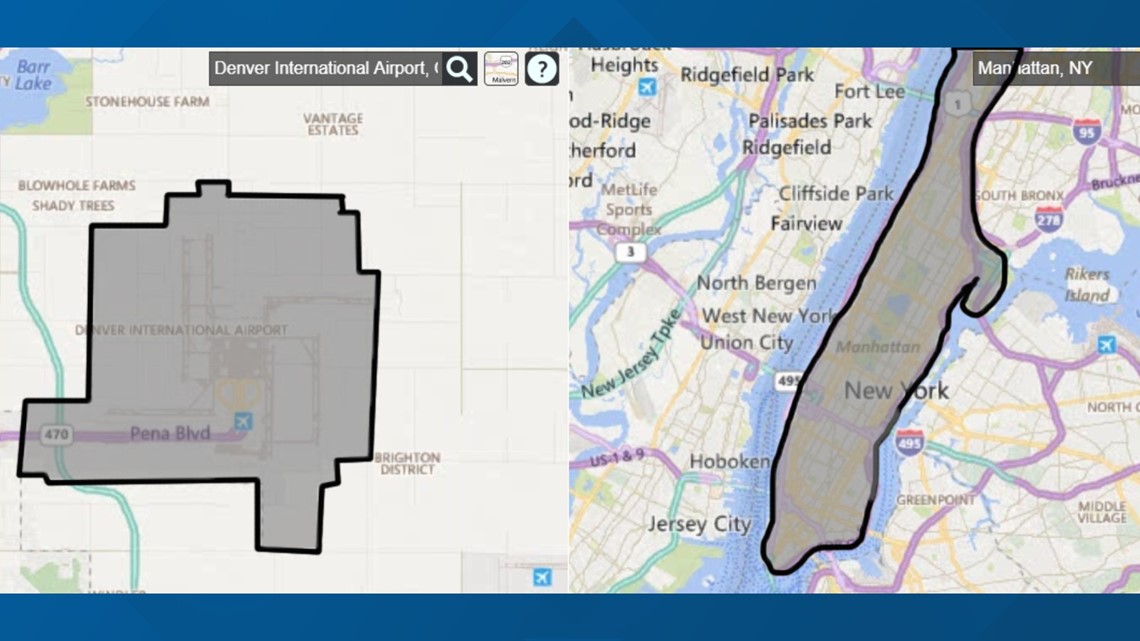
The extensive land at Denver Airport facilitates its impressive operational capacity. It boasts six parallel runways, with plans for more to accommodate increasing air traffic. This generous space also allows for the development of extensive cargo facilities, maintenance operations, and future terminal expansions without the constraints often faced by older, more landlocked airports. This foresight in land acquisition ensures Denver Airport can continue to grow and adapt to the evolving demands of air travel.
San Francisco International Airport: A Hub of Connectivity
San Francisco International Airport (SFO) is a vital gateway to the San Francisco Bay Area and a major international hub, particularly for trans-Pacific routes. While it may not possess the same vast land area as Denver Airport, it is a highly efficient and strategically located airport.
Land Area Constraints and Strategic Location
San Francisco International Airport occupies approximately 4.7 square miles (about 12 square kilometers). This land area is considerably smaller than that of Denver Airport. Its location on the San Francisco Peninsula, nestled between the San Francisco Bay and urban development, presents significant limitations on physical expansion. Despite these constraints, SFO has been meticulously developed to maximize its operational efficiency.
Terminal Infrastructure and Passenger Experience
SFO features a more consolidated terminal structure compared to Denver Airport. It comprises four main terminals (International Terminal, Terminal 1, Terminal 2, and Terminal 3) and an Airtrain system that connects them.
- International Terminal: This is one of the largest terminals in North America and serves as the primary hub for international arrivals and departures, as well as for select domestic flights.
- Domestic Terminals: Terminals 1, 2, and 3 handle a significant volume of domestic traffic, with a focus on modern passenger amenities and streamlined boarding processes.
The total terminal square footage at SFO is substantial and packed with retail, dining, and art installations, contributing to a vibrant passenger experience. The airport is also known for its commitment to sustainability and passenger comfort, with features like quiet zones and charging stations.
Operational Efficiency and Air Traffic
Despite its smaller land footprint, San Francisco International Airport handles an impressive volume of air traffic. It operates with three runways, and its strategic location near a major metropolitan area necessitates highly efficient air traffic control and routing. SFO is a critical node in the global aviation network, and its operational success is a testament to intelligent design and management rather than sheer physical scale.
Direct Comparison: Denver vs. San Francisco
When directly comparing Denver Airport and San Francisco International Airport on the metric of size, the answer to the titular question becomes clear.
Land Area: The Decisive Factor
Denver Airport is overwhelmingly larger than San Francisco International Airport in terms of land area. With 53 square miles compared to SFO’s 4.7 square miles, DEN occupies a landmass more than ten times the size of SFO. This vastness is its most defining characteristic.
Terminal Size and Functionality
While both airports have large and modern terminal facilities, the comparison shifts when considering the functional layout. Denver Airport’s terminals are spread out across its expansive grounds, connected by a transit system. San Francisco International Airport’s terminals are more concentrated, offering a different, perhaps more intimate, passenger experience. In terms of total terminal square footage, the two might be more comparable, but the land that houses them is vastly different.
Operational Reach and Future Potential
The extensive land owned by Denver Airport provides it with unparalleled potential for future growth and diversification. It can accommodate more runways, larger cargo operations, and expanded maintenance facilities with relative ease. San Francisco International Airport, on the other hand, has maximized its existing footprint through efficient design and continuous upgrades. Its operational reach is defined more by its strategic route network and technological integration than by sheer physical space.

Conclusion: Different Scales, Different Strengths
In conclusion, the answer to whether Denver Airport is bigger than San Francisco International Airport is a resounding yes, particularly when measured by land area. Denver Airport is a colossal operation, designed for massive scale and future expansion. San Francisco International Airport, while significantly smaller in land footprint, is a highly efficient, strategically located, and passenger-focused hub that punches above its weight in terms of air traffic and global connectivity. Both airports excel in their respective strengths, serving as critical gateways to their regions and playing vital roles in the global aviation landscape.
LifeOutOfTheBox is a participant in the Amazon Services LLC Associates Program, an affiliate advertising program designed to provide a means for sites to earn advertising fees by advertising and linking to Amazon.com. Amazon, the Amazon logo, AmazonSupply, and the AmazonSupply logo are trademarks of Amazon.com, Inc. or its affiliates. As an Amazon Associate we earn affiliate commissions from qualifying purchases.