
The question of whether San Francisco is “the” Bay Area is a common one, particularly for those unfamiliar with the sprawling region of Northern California. While San Francisco is undeniably a central and iconic part of the greater metropolitan area, it’s crucial to understand the nuances of this distinction. The Bay Area is a vast and diverse collection of cities, counties, and distinct communities, each with its own character, attractions, and reasons for a visit. To truly appreciate San Francisco and its surrounding environs, one must recognize it as a significant, yet not singular, component of a much larger geographic and cultural entity.

Defining the Bay Area: More Than Just a City
The Bay Area is officially recognized by the U.S. Census Bureau as the San Francisco–Oakland–Berkeley, CA Metropolitan Statistical Area. This expansive region encompasses nine counties: Alameda, Contra Costa, Marin, Napa, San Francisco, San Mateo, Santa Clara, Solano, and Sonoma. Its population exceeds 7.7 million people, making it one of the most populous metropolitan areas in the United States.
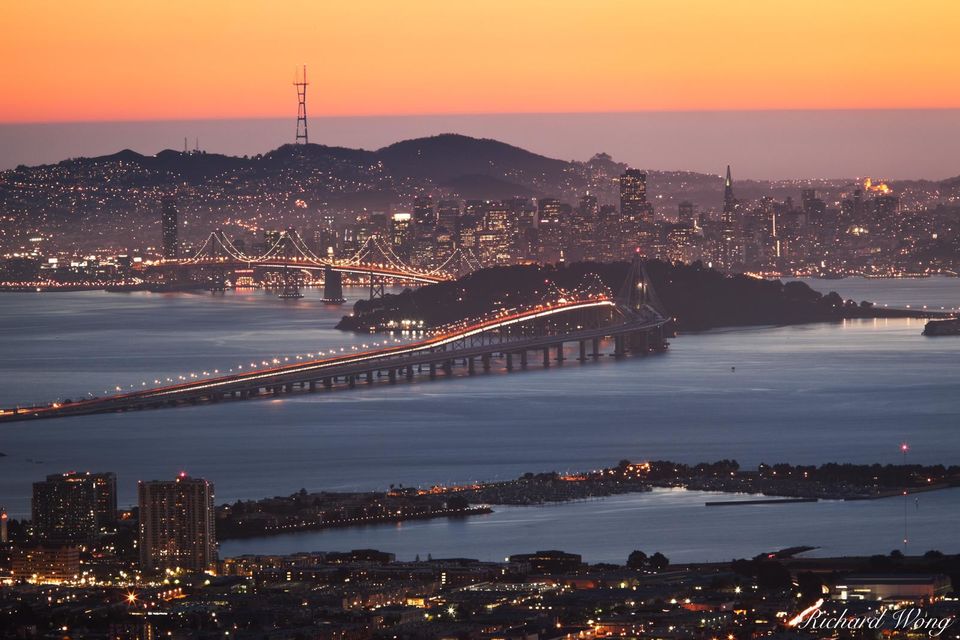
The defining geographical feature is, of course, the San Francisco Bay itself, a large estuary that is crucial to the region’s ecology, economy, and history. The cities and communities are situated around this body of water, creating a complex network of bridges, ferries, and transportation corridors that connect them.
Key Regions Within the Bay Area
While San Francisco often takes center stage, the Bay Area is comprised of several distinct sub-regions, each offering unique travel experiences.
San Francisco: The Iconic Jewel
San Francisco, a city and county by itself, is the cultural, financial, and transportation hub of the Bay Area. It is renowned for its distinctive fog, steep rolling hills, Victorian architecture, and a vibrant arts and culture scene. Tourists flock to its famous landmarks like the Golden Gate Bridge, Alcatraz Island, Fisherman’s Wharf, and the historic cable cars. The city’s diverse neighborhoods, from the trendy Haight-Ashbury to the bustling Chinatown, offer a rich tapestry of experiences. For many, a trip to the Bay Area is synonymous with visiting San Francisco, and it certainly deserves its status as a premier global destination.
The East Bay: Diversity and Innovation
Across the bay lies the East Bay, encompassing cities like Oakland, Berkeley, and Alameda. Oakland is a vibrant, multicultural city with a burgeoning food scene, a lively arts community, and significant port activity. It offers a grittier, more authentic urban experience compared to its more polished neighbor. Berkeley is globally recognized for its university, UC Berkeley, and its history of activism and progressive culture. The East Bay also boasts beautiful regional parks, such as Redwood Regional Park, offering ample opportunities for outdoor recreation.
The Peninsula: Tech Hub and Coastal Beauty
South of San Francisco lies the Peninsula, a long, narrow strip of land that includes cities like San Mateo, Palo Alto, and Redwood City. This region is a global epicenter for technology and innovation, home to Silicon Valley and the headquarters of many of the world’s leading tech companies, including Apple and Google. Beyond the tech campuses, the Peninsula offers stunning coastal drives along Highway 1, charming small towns, and beautiful beaches.
The North Bay: Wine Country and Natural Wonders
The North Bay is perhaps best known for its world-class wine regions, including the Napa Valley and Sonoma Valley. These areas attract millions of visitors annually for wine tasting, vineyard tours, and gourmet dining. Beyond the vineyards, the North Bay is home to breathtaking natural landscapes, such as the rugged coastline of Point Reyes National Seashore and the majestic Muir Woods National Monument, famous for its towering old-growth redwood trees. Marin County offers a more laid-back, affluent lifestyle with beautiful parks and scenic vistas.
The South Bay: Silicon Valley’s Core
The South Bay, dominated by Santa Clara County, is the heartland of Silicon Valley. Cities like San Jose, the largest city in the Bay Area by population, are major hubs of technological advancement. While often perceived as a business-centric region, the South Bay also offers cultural attractions, a growing culinary scene, and access to outdoor activities.
Why the Distinction Matters for Travelers
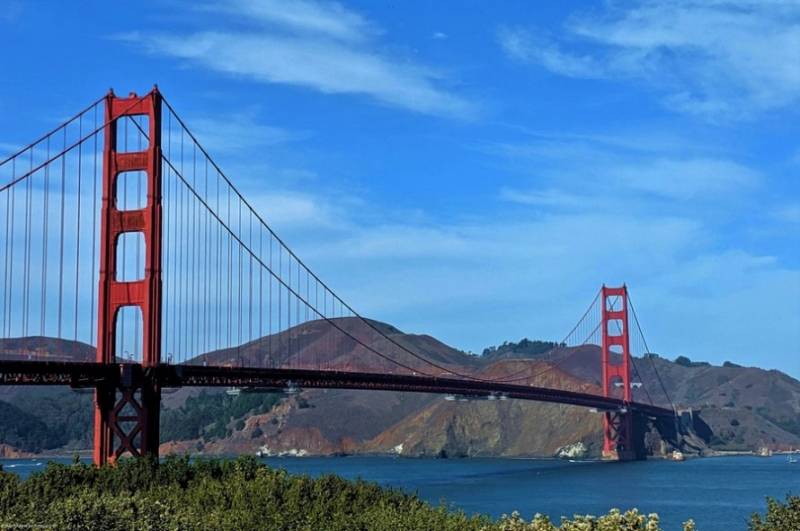
Understanding that San Francisco is part of, rather than synonymous with, the Bay Area is crucial for planning an enriching travel experience.
Expanding Your Itinerary Beyond San Francisco
If your travel plans are limited to a short trip, focusing solely on San Francisco is perfectly reasonable. However, for those with more time or a desire for diverse experiences, venturing beyond the city limits can reveal the true breadth of what the Bay Area has to offer.
A typical San Francisco itinerary might include visiting Golden Gate Park, exploring the Palace of Fine Arts, and enjoying the views from Twin Peaks. While these are incredible experiences, consider adding a day trip to the wine country for a sophisticated palate, a hike among the redwoods in Muir Woods, or exploring the vibrant street art and food trucks of Oakland.
Understanding Transportation and Logistics
The connectivity between San Francisco and the rest of the Bay Area is facilitated by a network of bridges (like the Bay Bridge and the Golden Gate Bridge), ferry services, and public transportation systems such as BART (Bay Area Rapid Transit). While BART connects many key cities, understanding that your journey from San Francisco to Napa Valley, for instance, will likely involve a combination of transit and other transport, is important for realistic travel planning. Renting a car often becomes a necessity for exploring the more spread-out regions like wine country or coastal areas.
Embracing the Diverse Cultures and Flavors
Each part of the Bay Area possesses its own unique cultural identity. San Francisco is a melting pot of global influences, evident in its diverse neighborhoods and culinary scene. The East Bay, particularly Oakland and Berkeley, offers a more bohemian and socially conscious vibe, with a strong emphasis on organic and locally sourced food. Wine Country provides a more refined, agrarian experience, while the tech-centric areas of the Peninsula and South Bay have a fast-paced, entrepreneurial spirit. Experiencing these differences is a key part of appreciating the Bay Area in its entirety.
Planning Your Bay Area Adventure
When planning a trip to the region, consider what kind of experience you are seeking.
For the Urban Explorer: Focus on San Francisco and the East Bay
If you crave the iconic sights, world-class museums, diverse dining, and vibrant nightlife, San Francisco should be your primary base. Combine this with visits to Oakland for its arts and culinary scene, and Berkeley for its intellectual and historic charm. These areas are relatively well-connected by public transit, making them accessible without a car for shorter excursions.
For the Nature Enthusiast: Embrace the North and South Bay Coasts
For those who prefer natural beauty, the Bay Area offers unparalleled options. Explore the majestic redwoods of Muir Woods National Monument and the wild coastline of Point Reyes National Seashore in the North Bay. The Peninsula and South Bay also provide coastal access with stunning views and hiking trails, such as those found in Pacifica or Half Moon Bay. A car is highly recommended for exploring these areas efficiently.
For the Connoisseur of Fine Tastes: Indulge in Wine Country
The Napa Valley and Sonoma Valley are a must for wine lovers and foodies. This region is synonymous with world-class vineyards, Michelin-starred restaurants, and charming boutique hotels. While it’s possible to visit from San Francisco on a day tour, an overnight stay allows for a more relaxed and immersive experience. Again, a car is essential for exploring the dispersed wineries.
For the Tech Enthusiast: Dive into Silicon Valley
If your interest lies in innovation and technology, the South Bay and the Peninsula are your destinations. While many attractions are corporate headquarters, you can still visit places like the Computer History Museum in Mountain View or explore the campuses of tech giants. The region offers a glimpse into the engine of the modern digital world.
In conclusion, while San Francisco is undoubtedly a world-class destination and a vital part of the Bay Area, it is not the entirety of it. Recognizing the distinct identities, attractions, and experiences offered by its neighboring counties and cities allows travelers to craft a more comprehensive and fulfilling exploration of this dynamic and diverse region. The Bay Area is a tapestry, and San Francisco is its most prominent, yet only one, of its many vibrant threads.
LifeOutOfTheBox is a participant in the Amazon Services LLC Associates Program, an affiliate advertising program designed to provide a means for sites to earn advertising fees by advertising and linking to Amazon.com. Amazon, the Amazon logo, AmazonSupply, and the AmazonSupply logo are trademarks of Amazon.com, Inc. or its affiliates. As an Amazon Associate we earn affiliate commissions from qualifying purchases.