
The Tenderloin in San Francisco is a district that often evokes a complex tapestry of perceptions. Historically and culturally significant, it is a neighborhood with a rich, albeit sometimes challenging, past and a dynamic present. Situated in the heart of San Francisco, west of the Financial District and east of Van Ness Avenue, the Tenderloin is one of the city’s most densely populated areas. Its reputation is multifaceted, encompassing vibrant nightlife, a diverse culinary scene, a hub for performing arts, and also a focal point for social issues and urban challenges. Understanding the Tenderloin requires a nuanced approach, moving beyond simplistic labels to appreciate its intricate identity.
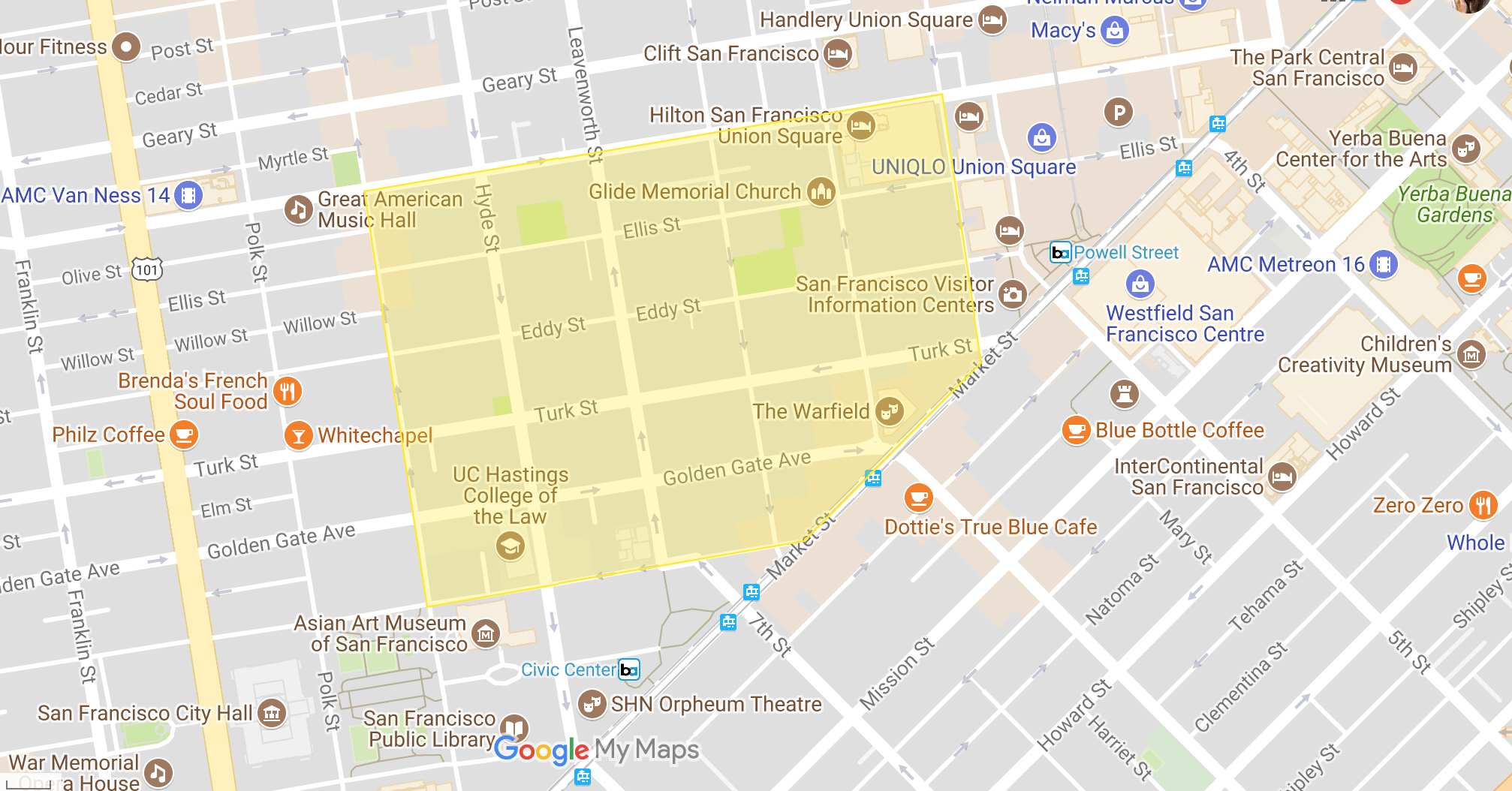
A District of Contrasts and Resilience
The Tenderloin’s narrative is one of perpetual evolution, marked by periods of boom and bust, cultural flourishing and social upheaval. Its geographical location, once considered a desirable residential area in the early 20th century, has transformed significantly over time. Today, it stands as a testament to urban resilience, a place where diverse communities have carved out spaces for living, working, and creating amidst a backdrop of ongoing societal debates and policy initiatives.
Historical Roots and Shifting Identity
The term “Tenderloin” itself has origins debated among historians, with some linking it to the perception of the area as a place where “tenderloin” steak could be purchased with the earnings from more reputable neighborhoods. Regardless of its etymology, the district’s identity has been shaped by waves of immigration, economic cycles, and evolving urban planning. From its early days as a center for theaters and entertainment to its more recent challenges and revitalization efforts, the Tenderloin’s story is deeply intertwined with the broader history of San Francisco.
Demographics and Community Fabric
The Tenderloin is characterized by its incredible diversity. It is home to a significant portion of San Francisco‘s immigrant populations, including vibrant communities from Southeast Asia, Africa, and Latin America. This rich cultural mosaic contributes to the neighborhood’s unique character, influencing its food, music, and social dynamics. Despite facing economic disparities and social challenges, a strong sense of community persists, with numerous non-profit organizations and local initiatives working to support residents and improve the quality of life.
Exploring the Tenderloin’s Vibrancy
Despite its complex reputation, the Tenderloin offers a wealth of experiences for those willing to explore its depths. It is a neighborhood that rewards curiosity with unexpected discoveries, from its historic architecture to its burgeoning arts scene and diverse culinary landscape.
The Performing Arts Hub
The Tenderloin has long been a nexus for performing arts in San Francisco. Numerous theaters, from historic vaudeville houses to contemporary performance spaces, dot the district. The Orpheum Theatre, a grand landmark, continues to host major Broadway productions, drawing audiences from across the Bay Area. Smaller, more intimate venues offer a platform for experimental theater, live music, and dance, fostering a dynamic and accessible arts ecosystem. The presence of these cultural institutions contributes significantly to the city’s artistic identity, making the Tenderloin an indispensable part of its creative fabric.

A Culinary Mosaic
The diversity of the Tenderloin’s population is vividly reflected in its culinary offerings. The neighborhood boasts an incredible array of ethnic restaurants, serving authentic dishes from around the globe. From Vietnamese pho and banh mi to Ethiopian injera, Salvadoran pupusas, and Filipino adobo, the Tenderloin offers a gastronomic journey that rivals any in San Francisco. Many of these eateries are casual, affordable, and deeply rooted in community traditions, providing an authentic taste of the cultures that call the Tenderloin home. Exploring these culinary gems is a rewarding experience for any food lover seeking genuine flavors and local experiences.
Architecture and Urban Landscape
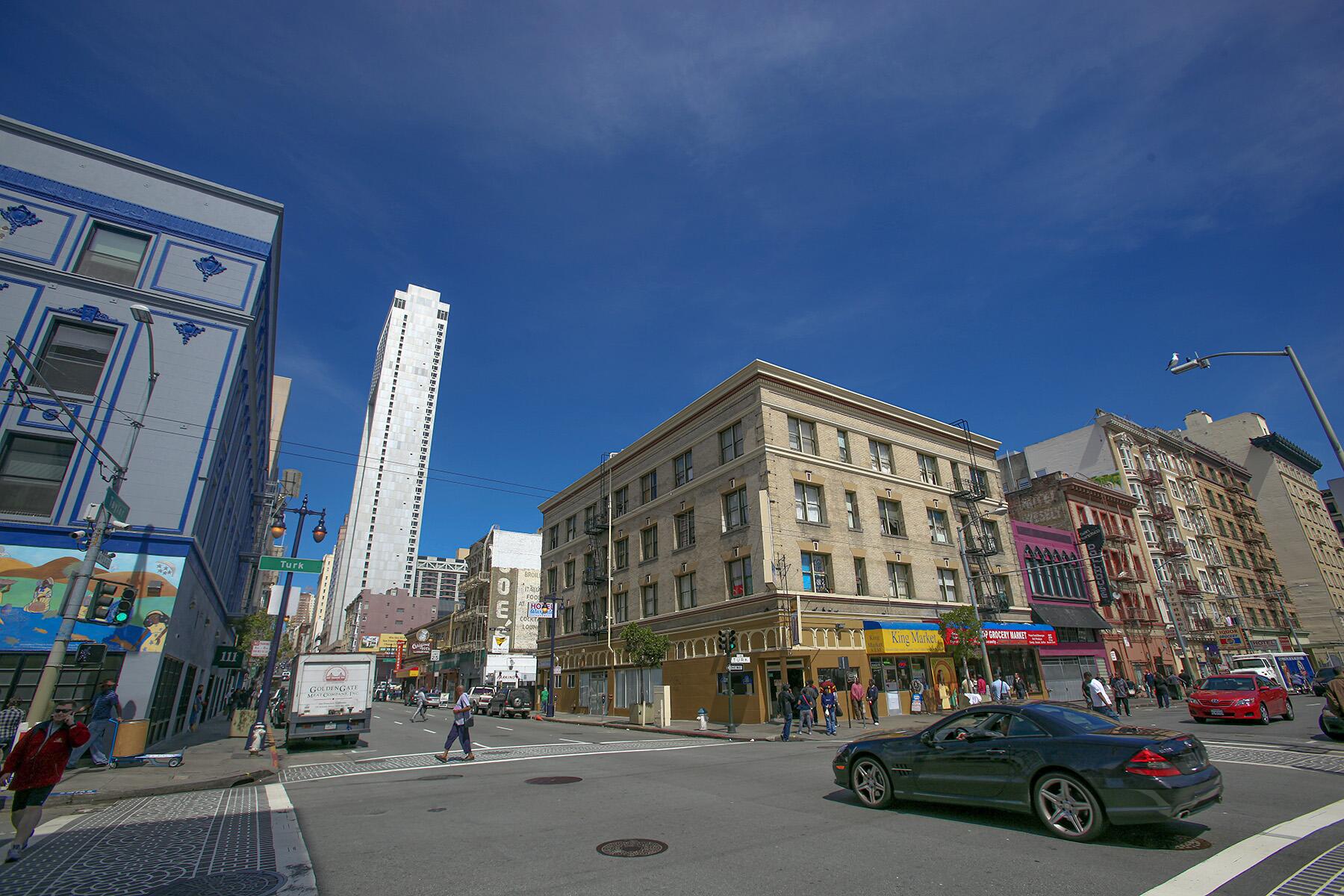
The Tenderloin‘s urban landscape is a fascinating blend of architectural styles. Grand Victorian and Edwardian buildings stand alongside mid-century apartment blocks and more modern structures. Many of the older buildings, though sometimes in need of preservation, possess a distinct charm and historical significance. The district’s density and street-level activity create a palpable urban energy. While the area faces challenges in terms of street cleanliness and public safety in some pockets, efforts are continuously underway to improve its infrastructure and aesthetic appeal, preserving its unique character while working towards a more vibrant future.
Navigating the Tenderloin: Tips for Visitors
Visiting the Tenderloin requires an informed and open-minded approach. While it is a neighborhood with its share of social issues, it is also a place of immense cultural richness and resilience. By understanding its complexities and adopting a respectful attitude, visitors can have a rewarding and insightful experience.
Embracing the Local Culture
The key to experiencing the Tenderloin is to engage with its authentic culture. This means venturing beyond the main thoroughfares, exploring the side streets, and patronizing local businesses. Strike up conversations with shopkeepers, sample the diverse cuisine, and attend a performance at one of the neighborhood’s many theaters. The people of the Tenderloin are its heart, and their stories and contributions are essential to understanding the district’s true essence.
Safety and Awareness
Like any densely populated urban area, the Tenderloin has areas where visitors should exercise caution and be aware of their surroundings. It is advisable to stick to well-lit streets, especially after dark, and to be mindful of personal belongings. While the presence of social services and a visible homeless population are part of the neighborhood’s reality, they should not deter exploration when approached with a sense of respect and understanding. Many visitors find the neighborhood to be perfectly safe when basic urban awareness is practiced.
Supporting Local Initiatives
The Tenderloin is home to a number of dedicated non-profit organizations and community groups working tirelessly to address social needs, promote arts and culture, and improve the neighborhood. Supporting local businesses, attending community events, or even learning more about the work of these organizations can be a meaningful way to engage with and contribute to the Tenderloin’s ongoing development.
In conclusion, the Tenderloin is far more than a simple address or a singular reputation. It is a vital, complex, and ever-evolving district within San Francisco that embodies the city’s spirit of diversity, resilience, and creativity. By approaching it with an open mind and a spirit of exploration, visitors can uncover its hidden gems and gain a deeper appreciation for one of San Francisco‘s most dynamic and character-filled neighborhoods.
LifeOutOfTheBox is a participant in the Amazon Services LLC Associates Program, an affiliate advertising program designed to provide a means for sites to earn advertising fees by advertising and linking to Amazon.com. Amazon, the Amazon logo, AmazonSupply, and the AmazonSupply logo are trademarks of Amazon.com, Inc. or its affiliates. As an Amazon Associate we earn affiliate commissions from qualifying purchases.