
The weather in San Francisco is famously unique, often surprising to visitors accustomed to more predictable climates. Known for its cool summers, mild winters, and persistent fog, the city’s microclimates create a diverse range of conditions even within its relatively small geographic area. Understanding the nuances of San Francisco’s weather is crucial for planning a visit, packing appropriately, and truly experiencing all that this vibrant city has to offer.
Understanding San Francisco’s Climate Patterns
San Francisco’s distinctive weather is largely a product of its geography and its proximity to the vast Pacific Ocean. The city is situated on a peninsula, bordered by the Pacific Ocean to the west and the San Francisco Bay to the east. This unique position, coupled with the cold California Current flowing offshore, significantly influences its temperature and fog patterns.

The Influence of the Pacific Ocean
The cold waters of the Pacific Ocean play a pivotal role in moderating San Francisco’s temperatures. Unlike many inland cities that experience extreme temperature fluctuations between day and night or summer and winter, San Francisco enjoys a remarkably stable climate year-round. Summers are rarely hot, and winters are seldom frigid. The ocean’s cooling effect is a constant presence, keeping the city from experiencing the sweltering heat that can afflict other Californian cities.
The Phenomenal Fog
Perhaps the most iconic aspect of San Francisco’s weather is its fog. This phenomenon, often referred to as “Karl the Fog,” is a daily occurrence during the summer months and a frequent visitor throughout the year. The fog typically forms offshore as warm, moist air from the interior of California drifts over the cold ocean waters. This cools the air to its dew point, causing condensation and the formation of a thick, often dense, fog bank.
As the day progresses, the fog is often drawn inland by the temperature difference between the cooler coast and the warmer interior valleys. It rolls into the city, particularly through the Golden Gate Strait, blanketing neighborhoods in a cool, damp embrace. This fog is not merely a visual spectacle; it significantly impacts the city’s temperature. Coastal areas can remain cool and foggy even on the warmest days inland, while neighborhoods further east, away from the direct ocean influence, can be considerably warmer.
Microclimates Within the City
The presence of hills and the interplay between the Pacific Ocean and the San Francisco Bay create distinct microclimates within the city. For example:
- Western Districts (Sunset, Richmond): These neighborhoods, facing the Pacific Ocean directly, are generally the coolest and foggier. They often experience a significant temperature difference compared to eastern districts.
- Eastern Districts (Financial District, Nob Hill): These areas, closer to the San Francisco Bay, tend to be warmer and sunnier, especially in the afternoons when the fog has burned off.
- Southern Districts (Mission District, Potrero Hill): These areas often experience a blend of conditions, with more sunshine than the western neighborhoods but still influenced by bay breezes.
This means that packing layers is not just a suggestion but a necessity for exploring different parts of San Francisco on the same day. What might be a foggy and chilly morning in Ocean Beach could transition into a pleasantly warm and sunny afternoon in the Mission District.
Seasonal Weather Patterns
While San Francisco doesn’t experience dramatic seasonal shifts like a continental climate, there are distinct patterns to observe throughout the year.
Summer (June – August)
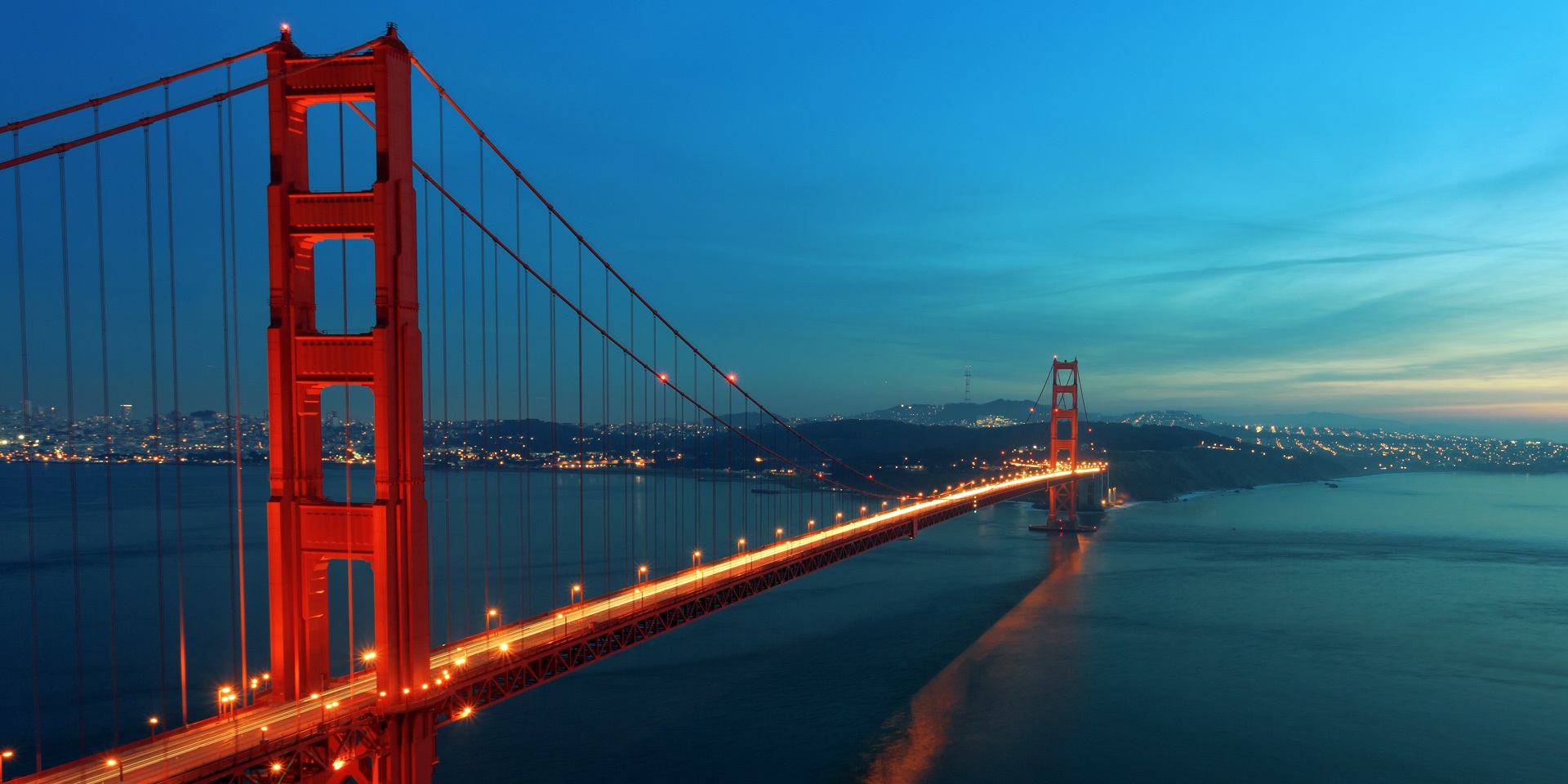
Contrary to what many might expect from a Californian city, San Francisco summers are typically cool and foggy, especially in June and July, which are often referred to as the “foggy months.” The warmest weather usually arrives in August and September, when the marine layer can sometimes recede, allowing for more sunshine and warmer temperatures. Coastal fog is a constant companion during these months, often rolling in during the late afternoon and evening and lingering into the morning. Average daytime temperatures hover in the low to mid-60s Fahrenheit (16-18°C), with nighttime temperatures dipping into the low 50s Fahrenheit (10-12°C). It’s essential to pack light jackets, sweaters, and long pants.
Autumn (September – November)
Many consider autumn to be San Francisco’s most pleasant season. The fog often begins to dissipate, and September and October frequently bring the warmest, sunniest, and driest weather of the year. This is when the city truly shines, with clear skies and comfortable temperatures. Daytime highs can reach into the 70s Fahrenheit (21-24°C) in some neighborhoods, with cooler evenings. November starts to see a slight increase in rainfall and a return of cooler, breezier conditions as winter approaches. This period is ideal for exploring outdoor attractions and enjoying the city’s many parks.
Winter (December – February)
San Francisco winters are mild and wet. Snow is virtually unheard of, and temperatures rarely drop below freezing. The primary characteristic of winter is the increased likelihood of rain. While not a constant downpour, visitors should be prepared for intermittent showers. Daytime temperatures typically range from the low to mid-50s Fahrenheit (10-13°C), with nighttime lows in the low 40s Fahrenheit (4-7°C). Despite the rain, the city remains lively, and many indoor attractions provide excellent refuge. The rain can also bring a lush greenness to the surrounding hills.
Spring (March – May)
Spring in San Francisco is a mixed bag. March can still bring winter-like rain showers, but as the months progress, the weather gradually becomes milder and drier. The fog often begins to make a comeback in May, especially along the coast, bringing cooler temperatures back to western neighborhoods. Daytime highs generally range from the mid-50s to low 60s Fahrenheit (13-17°C). The city’s gardens and parks come alive with blooms during this time, offering a beautiful contrast to the often gray skies.
Preparing for San Francisco’s Weather
Given the city’s unique climate and its microclimates, preparation is key to a comfortable and enjoyable visit.
The Art of Layering
The golden rule of San Francisco weather is layering. Temperatures can vary significantly from one neighborhood to another, and even within the same neighborhood throughout the day. Start your day with a base layer, add a sweater or fleece for warmth, and have a windproof and water-resistant outer layer, such as a jacket or coat. This allows you to adjust your clothing as conditions change, ensuring you remain comfortable whether you’re exploring the Palace of Fine Arts or walking along the breezy Embarcadero.
Essential Clothing Items
Beyond layers, consider packing:
- Comfortable Walking Shoes: You’ll likely be doing a lot of walking, so comfortable footwear is paramount.
- Long Pants/Jeans: Even in summer, shorts are often impractical due to the cool temperatures.
- Sweaters and Fleece Jackets: Essential for warding off the chill, especially in the evenings.
- Lightweight, Waterproof Jacket: A necessity for unexpected rain showers and for blocking the wind.
- Scarf (optional but recommended): Can provide extra warmth around the neck and face when the wind picks up.
- Sunglasses and Sunscreen: While it can be cool, the sun can still be strong, particularly on clear days in the eastern parts of the city.
Understanding Fog’s Impact on Activities
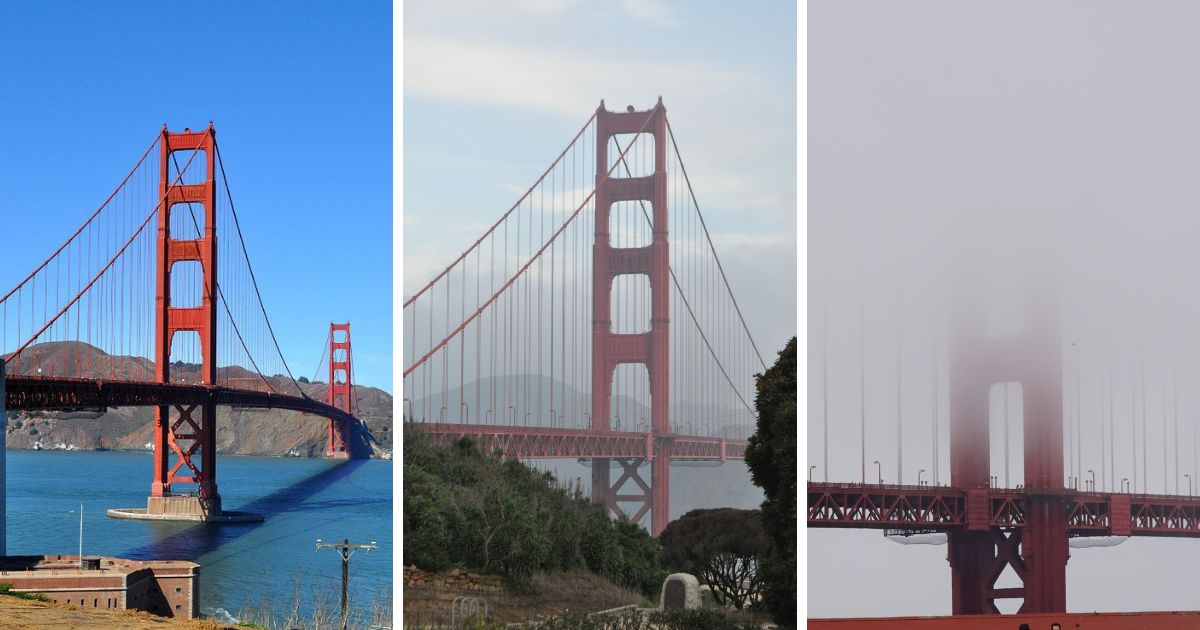
The famous fog can be both a romantic backdrop and a practical consideration. Fog can obscure views from iconic viewpoints like Twin Peaks or the Golden Gate Bridge. However, it also creates dramatic and moody landscapes that are unique to San Francisco. If you’re planning a visit to Alcatraz Island, be aware that the ferry ride and the island itself can be quite foggy and chilly, even on a sunny day elsewhere in the city. Conversely, a foggy day might be perfect for a cozy visit to a museum like the de Young Museum or exploring the charming shops of North Beach.
By understanding and respecting the subtleties of San Francisco’s weather, visitors can better prepare for their trip, embrace the city’s unique atmospheric charm, and fully enjoy their experience in this captivating destination.
LifeOutOfTheBox is a participant in the Amazon Services LLC Associates Program, an affiliate advertising program designed to provide a means for sites to earn advertising fees by advertising and linking to Amazon.com. Amazon, the Amazon logo, AmazonSupply, and the AmazonSupply logo are trademarks of Amazon.com, Inc. or its affiliates. As an Amazon Associate we earn affiliate commissions from qualifying purchases.