
New York City, a global beacon of culture, commerce, and unparalleled opportunity, holds a nickname as famous and enduring as its skyline: The Big Apple. This moniker conjures images of vibrant energy, ambitious dreams, and the sheer scale of a metropolis that never truly sleeps. For travelers flocking from every corner of the globe, the chance to visit The Big Apple represents an quintessential experience, promising everything from iconic landmarks and world-class tourism attractions to a diverse array of accommodation options and an incomparable urban lifestyle. But how did this unique and somewhat whimsical nickname come to represent one of the most powerful and influential cities on Earth? The story is a fascinating journey through journalistic wit, musical passion, and a clever tourism campaign, all contributing to the legendary allure that continues to define New York.
The Juicy Origins: Tracing the Nickname’s Roots
The tale of “The Big Apple” doesn’t begin in a grand city hall or a bustling financial district, but rather in the more unassuming realm of horse racing. Like many great stories, its inception was somewhat organic, born from the vernacular of those deeply embedded in the sport. The early 20th century, particularly the Roaring Twenties, was a period of immense growth and cultural flourishing in New York, and horse racing was a prominent pastime, drawing crowds and considerable stakes.
John J. Fitz Gerald and the Racetracks
The most widely accepted origin story credits a sports writer named John J. Fitz Gerald. Writing for the New York Morning Telegraph, Fitz Gerald covered the thriving horse racing scene in and around New York City. In a column published on February 18, 1924, he explained the origin of the term “The Big Apple.” He recalled overhearing stable hands in New Orleans, referring to the racetracks in New York as “The Big Apple.” For them, heading to New York meant competing for the biggest prizes, the most significant purses, the “big apples” of the racing world.
Fitz Gerald began using the term regularly in his columns, often heading them “Around the Big Apple.” This consistent usage in a widely read publication helped ingrain the phrase into the public consciousness, at least within the sporting circles. The allure of the “big apple” wasn’t just about the financial rewards; it represented the pinnacle of achievement, the ultimate goal for any jockey or horse owner. It embodied the dreams of success and the pursuit of excellence that New York has always symbolized for so many. This initial spark, though seemingly niche, laid the groundwork for the nickname’s broader adoption.

Jazz, Jive, and the Popularization
While Fitz Gerald introduced the term, it was the vibrant jazz scene of the 1930s that truly broadened its appeal beyond the racetracks. Jazz musicians, particularly those who hailed from other parts of the United States and flocked to New York City seeking fame and fortune, adopted “The Big Apple” as a metaphor for the city itself. For these artists, New York was the ultimate gig, the premier stage, the place where one could truly make it big. Playing in New York was like reaching for the “big apple” – the pinnacle of their profession.
Musicians would use phrases like “There are many apples on the tree, but only one Big Apple,” referring to New York City as the ultimate destination for any aspiring performer. The term seeped into popular culture through songs, conversations in jazz clubs, and the general buzz of the city’s nightlife. This association with ambition, talent, and grand aspirations resonated deeply, cementing “The Big Apple” as a descriptor not just of a prize, but of the entire urban experience, a place where dreams were chased, and sometimes, caught. The energy of Harlem jazz clubs and Broadway theaters further fueled this cultural adoption, making the nickname synonymous with the city’s dynamic artistic heart.

A City of Opportunity: The Big Apple’s Enduring Appeal
The nickname, after its initial popularization, experienced a period of less frequent use but never truly disappeared. It remained a beloved, if somewhat understated, descriptor of New York’s unique magnetism. However, it wasn’t until the 1970s that “The Big Apple” was deliberately resurrected and elevated to its current iconic status, becoming an indelible part of the city’s global brand.
Reviving the Brand: The 1970s Tourism Campaign
By the early 1970s, New York City was facing significant challenges, including a struggling economy, rising crime rates, and a somewhat tarnished public image. To combat this negative perception and revitalize the city’s tourism industry, the New York Convention and Visitors Bureau (which later evolved into NYC & Company), launched a brilliant and highly successful advertising campaign. The mastermind behind this initiative was Charles Gillett, its president at the time, who recognized the potential of “The Big Apple” to rebrand the city.
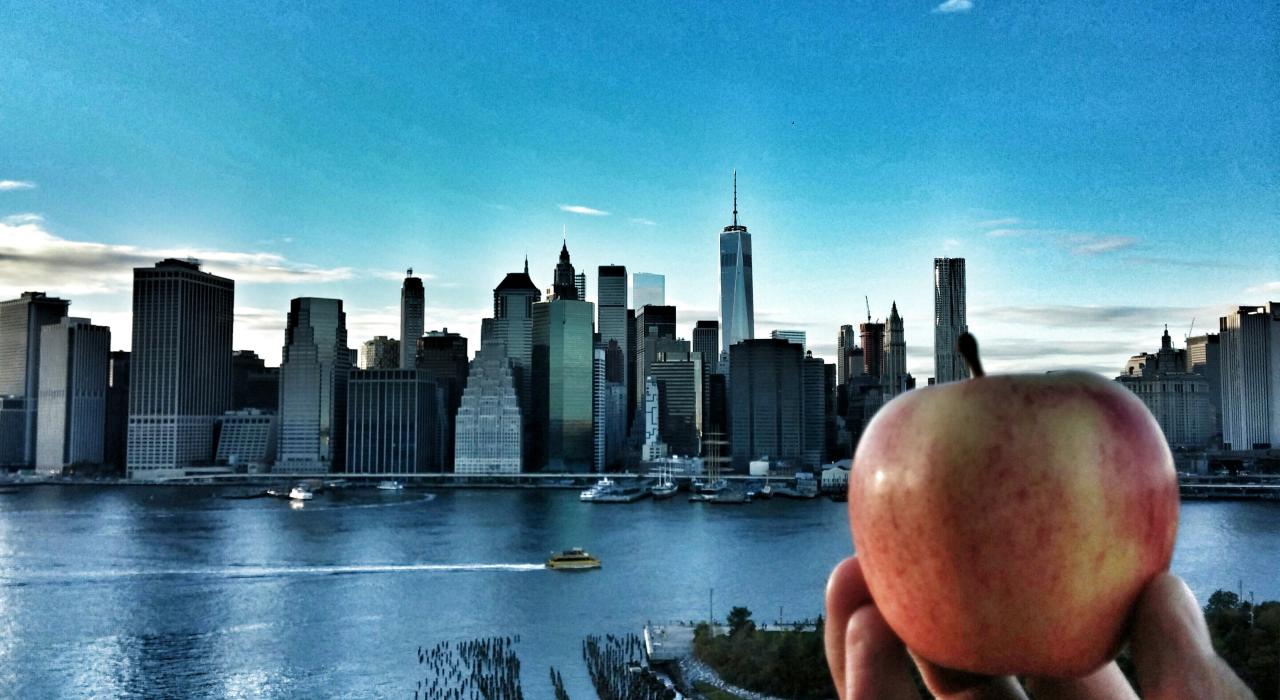
Gillett’s campaign deliberately used the nickname “The Big Apple” to project an image of a vibrant, exciting, and appealing destination. The apple, a symbol of health, wholesomeness, and temptation, was perfect for conveying the energy and abundance of experiences New York offered. Bright red apple logos adorned advertisements, pins, and souvenirs, reminding people of the city’s unique charm and the bounty of opportunities it presented. This marketing blitz was incredibly effective. It helped to shift public perception, attracting visitors back to the city and instilling a renewed sense of pride among its residents. The campaign cemented “The Big Apple” not just as a historical curiosity, but as an active, living symbol of New York’s enduring spirit and its welcoming embrace of all who sought its excitement.
The Symbolism of Success and Dreams
Today, the nickname “The Big Apple” transcends its historical origins to encapsulate the very essence of New York City itself. It symbolizes ambition, aspiration, and the boundless pursuit of dreams. Whether it’s a budding artist hoping to perform on Broadway, an entrepreneur seeking to launch the next big tech startup, or a traveler eager to explore world-famous landmarks, New York represents the ultimate prize, the “big apple” to be grasped.
This symbolism deeply resonates with the city’s ethos. From the gleaming towers of Manhattan to the artistic enclaves of Brooklyn and the diverse communities across all five boroughs—Queens, The Bronx, and Staten Island—the city pulses with an undeniable energy that draws people in. It’s a place where cultures collide, innovations thrive, and personal journeys unfold against an epic backdrop. The nickname has become a shorthand for this vibrant tapestry of experiences, making it not just a name, but a promise of opportunity and an invitation to engage with one of the world’s most dynamic urban environments.
Experiencing the Big Apple: A Traveler’s Guide
For anyone planning a trip, experiencing New York City as “The Big Apple” means diving into its rich offerings across travel, tourism, and lifestyle. The city truly delivers on the promise of its nickname, offering a feast for the senses and countless opportunities for discovery.
Iconic Landmarks and Attractions
No visit to The Big Apple is complete without encountering its celebrated landmarks and attractions. From the solemn beauty of the Statue of Liberty, a gift from France and a universal symbol of freedom and democracy, to the breathtaking views from the top of the Empire State Building or Top of the Rock at Rockefeller Center, the city offers endless visual splendor. Visitors can immerse themselves in the dazzling lights and vibrant energy of Times Square, catch a world-class show on Broadway, or find serene escape in the sprawling greenery of Central Park.
Other essential destinations include the poignant 9/11 Memorial & Museum, the architectural marvel of Grand Central Terminal, and the diverse collections housed within institutions like the Metropolitan Museum of Art and the Museum of Modern Art (MoMA). Each of these attractions tells a part of New York’s story, offering unique experiences that range from historical reflection to contemporary artistic appreciation. Exploring these sites is an integral part of understanding the city’s complex identity and its monumental impact on global culture.
Culinary Delights and Cultural Vibrancy
New York City is a melting pot of cultures, and nowhere is this more evident than in its incredible food scene. From Michelin-starred restaurants offering avant-garde cuisine to bustling street food vendors serving up everything from authentic New York-style pizza slices and bagels to gourmet food trucks, the city caters to every palate and budget. Neighborhoods like Chinatown, Little Italy, and diverse enclaves in Queens offer a culinary journey around the world without ever leaving the five boroughs. Food tours are popular, allowing visitors to savor local delicacies and discover hidden gastronomic gems.
Beyond food, the city’s cultural vibrancy is unparalleled. New York is home to an extraordinary array of theaters, music venues, galleries, and performance spaces. From the high-brow opera at the Metropolitan Opera House to intimate jazz clubs in Greenwich Village, there’s always an event or performance to experience. The local culture is a dynamic blend of tradition and innovation, where historic brownstones stand beside modern skyscrapers, and diverse communities celebrate their heritage through festivals, parades, and everyday life. Engaging with this rich tapestry is a fundamental part of any tourism experience in The Big Apple.
Navigating Accommodation in the City That Never Sleeps
Given its status as a global hub, New York City offers an incredibly diverse range of accommodation options to suit every traveler’s needs and preferences. Whether you’re seeking ultimate luxury, a boutique experience, or budget-friendly lodgings, The Big Apple has it all.
For those desiring a lavish lifestyle, options like the iconic Plaza Hotel overlooking Central Park, the sophisticated St. Regis New York, or a contemporary Four Seasons Hotel in Midtown offer exquisite suites, unparalleled service, and opulent amenities. These high-end hotels often feature world-class dining, spas, and prime locations near major attractions, making them ideal for a luxury travel experience.
Mid-range hotels like various Marriott or Hilton properties provide comfortable stays with excellent facilities, often catering to both leisure and business stays. These offer a great balance of quality and value, allowing travelers to enjoy the city without overspending. For budget travel and longer visits, options include independent boutique hotels in neighborhoods like the Lower East Side, trendy hostels, or serviced apartments that provide kitchenettes and more space, perfect for long-term stays or family trips. Websites for booking and comparison are invaluable tools for finding the perfect place, often featuring reviews to help make informed decisions about location, price, and specific amenities.
Lifestyle and Luxury in the Metropolitan Hub
The lifestyle in The Big Apple is as varied as its population. For those seeking luxury travel, the city provides an unmatched playground. High-end shopping on Fifth Avenue, exclusive dining experiences, private art gallery viewings, and VIP access to events are all part of the elite New York experience. From designer boutiques to bespoke tailor shops, the city caters to the most discerning tastes.
Beyond overt luxury, New York also offers a sophisticated urban lifestyle that many aspire to. This includes access to world-class health clubs, tranquil yoga studios, and vibrant farmers’ markets. The ability to seamlessly transition from a morning run in Central Park to a power lunch in Midtown and then to an evening at the Lincoln Center for a ballet performance exemplifies the dynamic pace of life here. Even for those on a budget travel plan, the city offers an abundance of free or low-cost activities, such as strolling across the Brooklyn Bridge, enjoying outdoor concerts, or simply people-watching in its diverse neighborhoods. The city accommodates every kind of lifestyle, making it an inclusive and exciting destination for all.
Beyond the Name: What Makes New York Truly Special?
Ultimately, “Why is New York called The Big Apple?” is a question that leads to a deeper understanding of the city’s identity. It’s a nickname born from aspiration, popularized by creativity, and revitalized by ingenuity. While its origins are rooted in horse racing and jazz, its enduring appeal lies in its symbolic power—a symbol of the pinnacle of success, the vibrant energy of ambition, and the endless pursuit of dreams.
For any traveler, New York City offers more than just landmarks or attractions; it offers a profound experience. It’s a place where every corner holds a story, every street pulses with life, and every visit leaves an indelible mark. From seeking a quiet respite in a boutique hotel to embarking on a whirlwind tour of its most famous sights, The Big Apple continues to live up to its name, promising a grand and unforgettable adventure for all who dare to take a bite. The city remains a testament to human potential, a beacon for those who seek to achieve greatness, and a truly global capital that consistently reinvents itself while honoring its rich and colorful past.
LifeOutOfTheBox is a participant in the Amazon Services LLC Associates Program, an affiliate advertising program designed to provide a means for sites to earn advertising fees by advertising and linking to Amazon.com. Amazon, the Amazon logo, AmazonSupply, and the AmazonSupply logo are trademarks of Amazon.com, Inc. or its affiliates. As an Amazon Associate we earn affiliate commissions from qualifying purchases.