
Understanding San Francisco’s Time Zone and Its Impact on Travel
For any traveler planning a trip to the vibrant city of San Francisco, understanding its precise local time is not merely a matter of convenience; it’s a crucial element that shapes arrival logistics, activity planning, and overall itinerary management. Situated on the West Coast of the United States, San Francisco observes the Pacific Time Zone (PT), which is a significant consideration for international visitors and those traveling from different domestic time zones. This zone observes Pacific Standard Time (PST) during the winter months and Pacific Daylight Time (PDT) during the spring and summer.

The Pacific Time Zone Explained
The Pacific Time Zone encompasses a vast swathe of North America, including much of western Canada, Mexico, and the westernmost contiguous United States. Specifically, San Francisco operates within this zone, which is UTC-8 during standard time and UTC-7 during daylight saving time. This means that San Francisco is three hours behind Eastern Standard Time (EST) and Eastern Daylight Time (EDT) observed in cities like New York and Miami, and two hours behind Central Time (CT). For travelers coming from Europe, the time difference can range from eight to eleven hours, necessitating careful adjustment to avoid jet lag and ensure smooth transitions.
Daylight Saving Time in San Francisco
Like most of the United States, San Francisco observes Daylight Saving Time (DST). DST typically begins on the second Sunday in March and ends on the first Sunday in November. During these periods, clocks are advanced by one hour, shifting the time zone to PDT (UTC-7). This shift is essential to note when booking flights, confirming tour times, or making reservations. For instance, a 9 AM meeting scheduled in San Francisco during PDT will be 12 PM EDT in New York. Conversely, a 7 PM flight departing from London will land in San Francisco at a considerably earlier local time than one might initially expect if not accounting for the time difference.
Practical Implications for Travelers
The temporal positioning of San Francisco has several practical implications for travelers, influencing everything from packing to acclimatization.
Arrival and Departure Coordination
Upon arrival at San Francisco International Airport (SFO) or Oakland International Airport (OAK), understanding the local time is paramount for arranging ground transportation, checking into accommodations, and making onward connections. For instance, if a flight lands at 8 PM Pacific Time, it corresponds to 11 PM EDT in New York. This awareness helps prevent confusion and ensures that any pre-booked services, such as airport transfers or dinner reservations, are accurately timed. Similarly, when departing, calculating the travel time to the airport and the check-in procedures requires a firm grasp of the local clock.
Optimizing Itinerary Planning
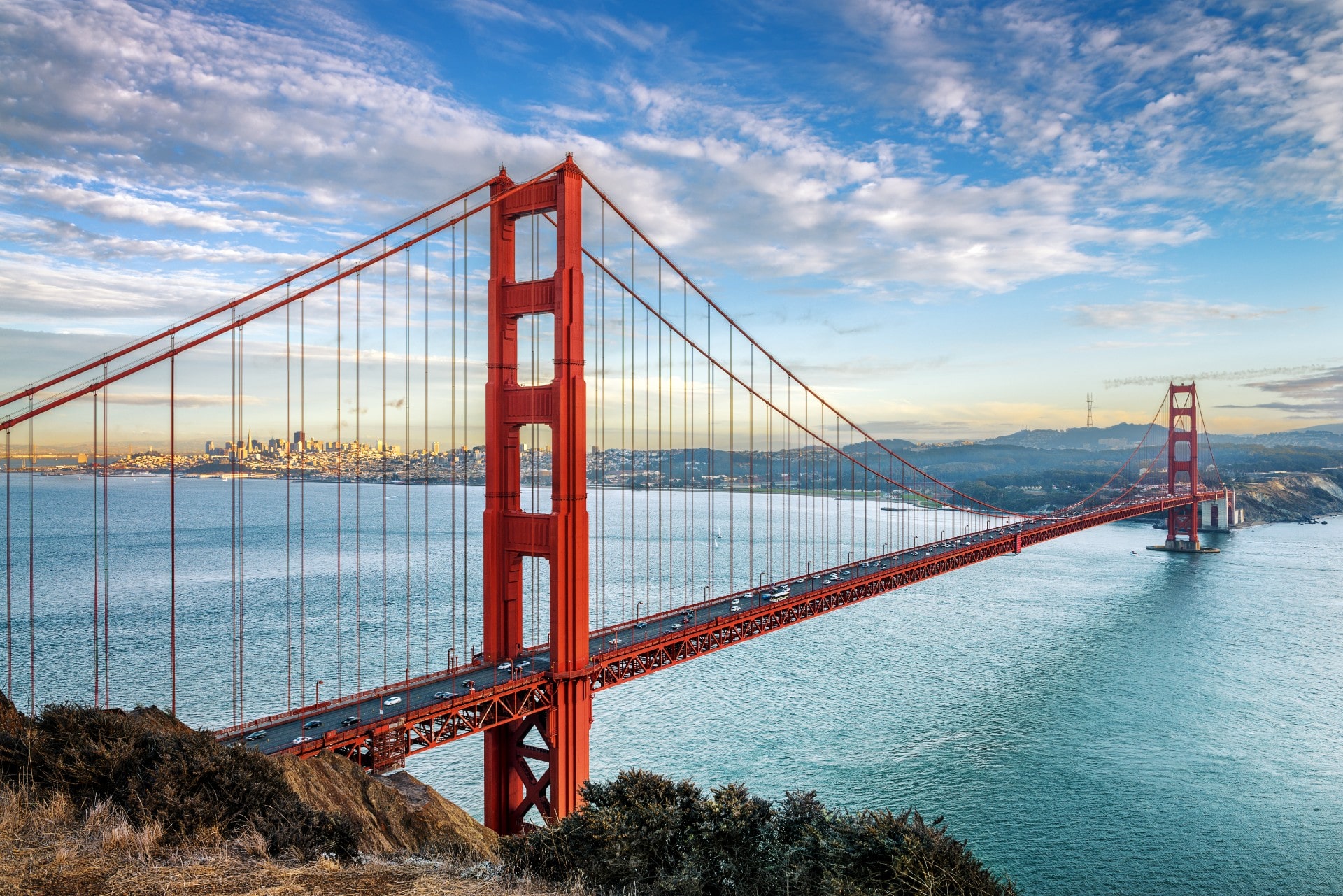
San Francisco’s attractions, from the iconic Golden Gate Bridge to the historic streets of North Beach, have specific operating hours. Many museums and popular attractions, such as Alcatraz Cruises, often have limited entry times and sell out well in advance. Planning the daily itinerary requires factoring in the local time to maximize daylight hours for outdoor activities and ensure entry into desired venues. For example, a sunset viewing from Twin Peaks will occur earlier during winter months and later during summer, a detail that influences the timing of other evening activities.
Communication and Connectivity
For business travelers and those relying on remote communication, understanding the time difference is critical for scheduling meetings and calls with colleagues or clients in other time zones. A quick glance at a world clock or a reliable time conversion tool can prevent missed calls and miscommunications. For instance, a business person in San Francisco might need to schedule a call with their counterparts in Tokyo for what would be considered late afternoon in San Francisco, but the early morning of the next day in Japan.
Embracing the San Francisco Pace
Beyond the practicalities, understanding the local time in San Francisco allows travelers to better immerse themselves in the city’s unique rhythm and culture. The pace of life, while undeniably energetic, often reflects the beauty of its surroundings and the opportunities for leisure and exploration.
Sunrise and Sunset as Natural Clocks
The timing of sunrise and sunset in San Francisco is a gentle reminder of the planet’s rotation and the passage of time. Early morning runs along the Embarcadero, enjoying the sunrise over the Bay Bridge, or late evening strolls through Chinatown as the city lights begin to twinkle, are experiences intrinsically linked to the local time. The extended daylight hours during summer offer more opportunities for outdoor adventures, such as exploring Golden Gate Park or taking a ferry to Sausalito. Conversely, the shorter days of winter encourage cozy evenings enjoying San Francisco’s renowned culinary scene or attending a performance at the San Francisco Symphony.
Cultural Events and Festivals
San Francisco is a city that thrives on its vibrant cultural calendar. From the iconic Chinese New Year Festival to the world-renowned Outside Lands Music Festival, these events often have specific start and end times that need to be synchronized with the local clock. Knowing the precise time allows for efficient navigation of these large-scale gatherings, ensuring you don’t miss key performances or activities. The timing of these events is also influenced by seasonal changes, further underscoring the importance of accurate timekeeping.
Staying Updated with San Francisco Time
In an increasingly interconnected world, access to real-time information is readily available. However, for travelers, it is prudent to have a reliable method for checking the current time in San Francisco.
Digital Tools and Resources
Most smartphones and digital devices automatically update to the local time zone upon connecting to a network or GPS. However, for proactive planning, using online world clock converters or checking reputable travel websites can provide instantaneous updates. These tools are invaluable when booking last-minute excursions or confirming the timing of an event. Many official city tourism websites also offer detailed information on local time and weather, aiding in comprehensive trip preparation.

Navigating Time Zone Shifts
When traveling across multiple time zones, especially to a destination as distant as San Francisco, understanding the mechanism of time zone shifts is key to mitigating jet lag. Gradually adjusting your sleep schedule a few days before departure can significantly ease the transition. Upon arrival, embracing the local time immediately—by eating and sleeping according to the San Francisco clock—is a widely recommended strategy. This helps to recalibrate your body’s internal clock more swiftly, allowing you to enjoy your visit to the fullest from the moment you arrive. The consistent observance of San Francisco’s time will undoubtedly enhance your travel experience, ensuring you are present and engaged with the city’s many wonders.
LifeOutOfTheBox is a participant in the Amazon Services LLC Associates Program, an affiliate advertising program designed to provide a means for sites to earn advertising fees by advertising and linking to Amazon.com. Amazon, the Amazon logo, AmazonSupply, and the AmazonSupply logo are trademarks of Amazon.com, Inc. or its affiliates. As an Amazon Associate we earn affiliate commissions from qualifying purchases.