
Understanding the current time in San Francisco is a fundamental piece of information for any traveler, business professional, or even a curious individual planning a trip or simply trying to connect with someone in this iconic West Coast city. Beyond the simple clock reading, grasping San Francisco’s time zone and its implications for daily life, business operations, and global communication offers a deeper insight into its place in the world. This exploration delves into the specifics of San Francisco’s temporal location, its interaction with daylight saving time, and how these factors influence a visitor’s experience.
Navigating San Francisco’s Time Zone: Pacific Standard Time
San Francisco observes the Pacific Time Zone, which is officially designated as Pacific Standard Time (PST) during the fall and winter months and Pacific Daylight Time (PDT) during the spring and summer. PST is UTC-8, meaning it is eight hours behind Coordinated Universal Time (UTC). PDT, observed from the second Sunday in March to the first Sunday in November, shifts the time forward by one hour, making it UTC-7. This is a critical distinction for travelers arriving from different continents or even different regions within North America.
The Mechanics of Daylight Saving Time
The biannual shift to and from daylight saving time is a practice observed across many parts of the United States and other countries. In San Francisco, this means that clocks spring forward one hour in early spring and fall back one hour in late autumn. While the exact dates can vary slightly year to year, the general pattern ensures that daylight hours are better utilized during the warmer, longer days of spring and summer, and more darkness is available during the shorter days of autumn and winter. For a visitor, this means that the effective time difference with your home location can change throughout the year, necessitating careful planning for calls, meetings, and itinerary adjustments.
Understanding the Time Difference
The time difference between San Francisco and other major global cities is a significant factor for travel and communication:
- East Coast United States (e.g., New York City): San Francisco is three hours behind the Eastern Time Zone (ET). When it is noon in New York City, it is 9:00 AM in San Francisco.
- United Kingdom (e.g., London): During PST, San Francisco is eight hours behind Greenwich Mean Time (GMT). When PDT is in effect, the difference is nine hours. For example, when it is 6:00 PM in London during PST, it is 10:00 AM in San Francisco.
- Europe (e.g., Paris): San Francisco is nine hours behind Central European Time (CET) during PST and ten hours behind during PDT. When it is 9:00 PM in Paris during PST, it is 12:00 PM (noon) in San Francisco.
- Asia (e.g., Tokyo): San Francisco is sixteen hours behind Japan Standard Time (JST) during PST and seventeen hours behind during PDT. This significant difference means that a day in San Francisco often corresponds to the next day in Tokyo.
Temporal Considerations for Travelers
For visitors arriving in San Francisco, understanding the local time is crucial for a seamless experience. This goes beyond simply knowing what time it is upon arrival; it encompasses managing jet lag and planning daily activities effectively.
Adapting to Jet Lag
The time difference between your departure point and San Francisco will inevitably lead to jet lag. The symptoms can include fatigue, insomnia, and difficulty concentrating. To mitigate these effects, travelers are often advised to:

- Adjust Sleep Schedule Before Departure: Gradually shift your sleep and wake times to align with San Francisco’s time zone in the days leading up to your trip.
- Embrace Local Time Upon Arrival: As soon as you land, set your watch to San Francisco time and try to adhere to the local schedule for meals and sleep, even if you feel tired.
- Seek Sunlight: Exposure to natural light during the day can help reset your body’s internal clock.
- Stay Hydrated: Dehydration can exacerbate the symptoms of jet lag.
- Limit Caffeine and Alcohol: These substances can disrupt sleep patterns.
Planning Your Itinerary
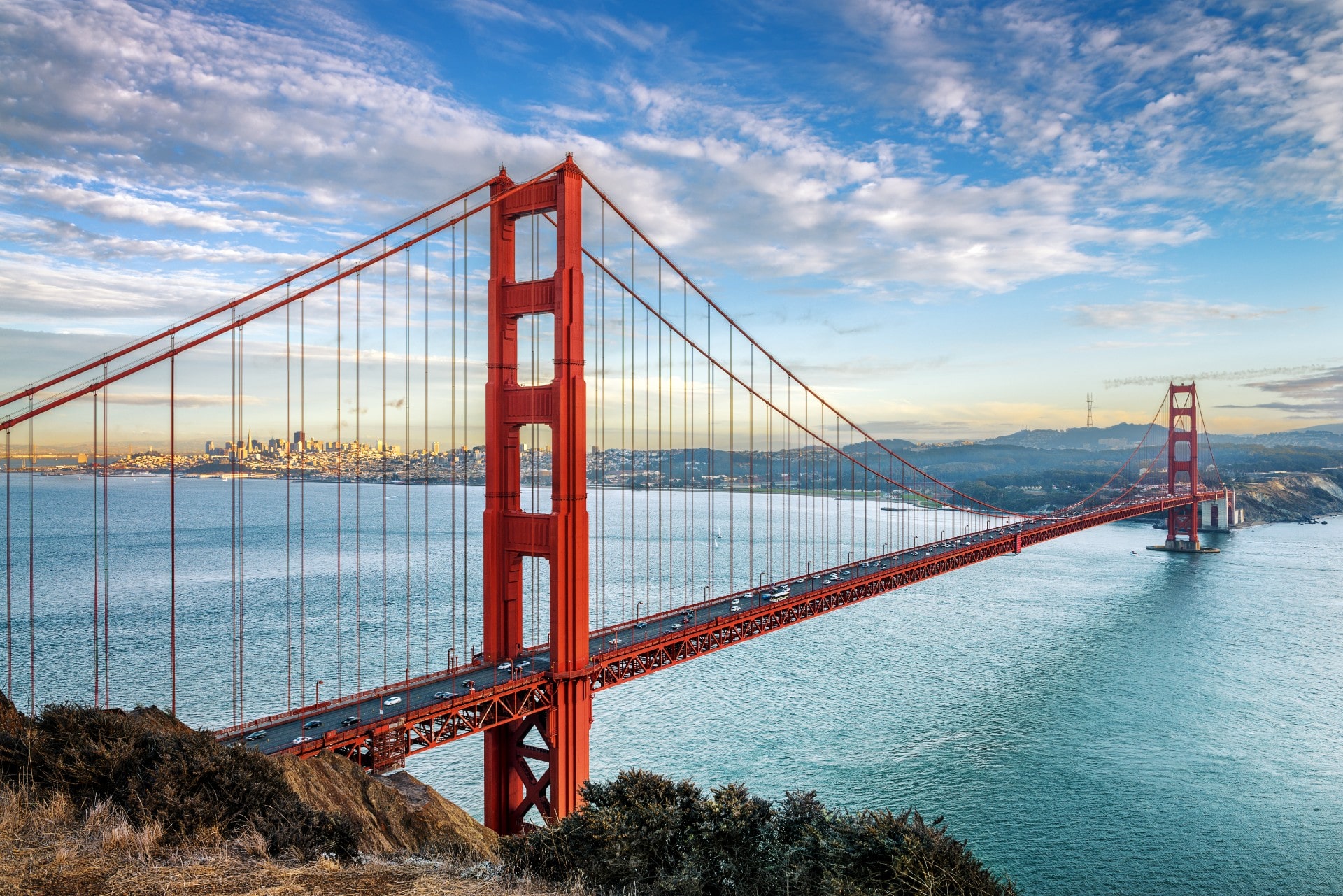
Knowing the current time in San Francisco is essential for booking tours, making restaurant reservations, and scheduling visits to attractions. For instance, if you are planning to visit the Golden Gate Bridge for sunrise or enjoy a sunset cruise on San Francisco Bay, understanding the local timing of these events is paramount. Many attractions, such as museums like the de Young Museum or the California Academy of Sciences, have specific opening and closing hours that are dictated by local time.
Moreover, if you are attending a conference or have business meetings scheduled, precise timekeeping is non-negotiable. Confirming meeting times in the local San Francisco time zone, especially when dealing with international colleagues, prevents misunderstandings and ensures punctuality.
Impact on Daily Life and Culture
The temporal rhythm of San Francisco influences its cultural landscape and the daily routines of its residents and businesses.
Business and Technology Hub
As a global epicenter for technology and innovation, San Francisco operates within a fast-paced environment where time is a critical commodity. Businesses in the Silicon Valley region, which is closely linked to San Francisco culturally and economically, often engage in international collaborations. This necessitates a keen awareness of time zone differences for seamless communication and project management across continents. Early morning calls for San Francisco teams might be late afternoon or evening for counterparts in Europe, and vice versa.
Daily Rhythms and Activities
The timing of daily activities in San Francisco is shaped by its Pacific Time Zone location.
- Morning Commute: The morning rush hour typically begins around 7:00 AM PST/PDT and extends to 9:00 AM, with residents heading to work in the city and surrounding areas like Oakland and San Jose.
- Lunchtime: Midday often sees busy restaurants and cafes as people take a break around 12:00 PM to 1:00 PM PST/PDT.
- Evening Activities: As the workday concludes, San Francisco comes alive with a variety of evening pursuits. Many people enjoy dinner between 6:00 PM and 8:00 PM PST/PDT. Cultural events, theater performances, and live music often commence between 7:00 PM and 9:00 PM PST/PDT.
- Nightlife: The city’s vibrant nightlife, particularly in neighborhoods like North Beach and The Mission District, typically picks up after 9:00 PM PST/PDT and continues into the early morning hours.
Connecting with Local Culture
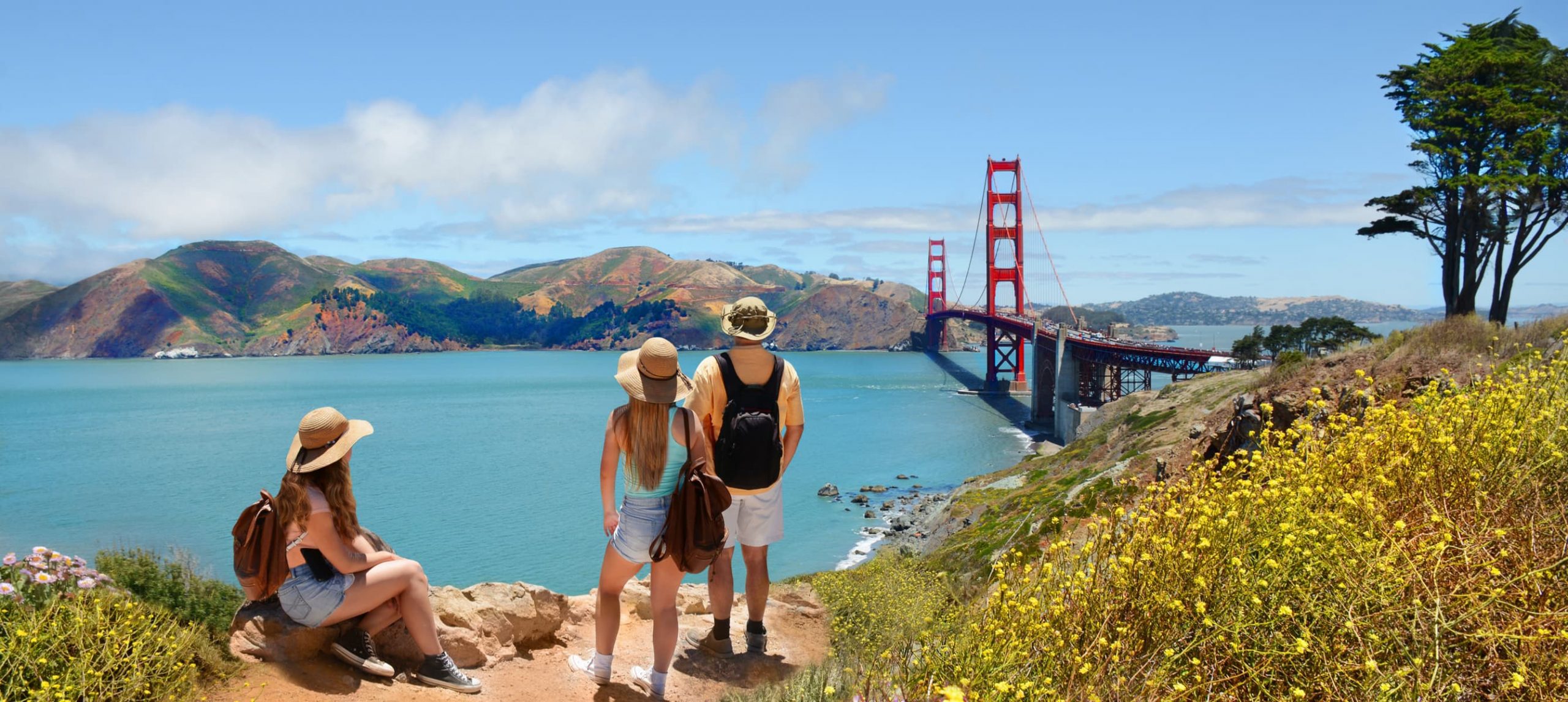
Understanding the local time helps visitors immerse themselves more deeply in San Francisco’s culture. Attending a farmers market, like the Ferry Building Farmers Market, often requires an early start. Similarly, catching a performance at the historic Orpheum Theatre or enjoying a Giants baseball game at Oracle Park requires adherence to scheduled start times. The rhythm of the city, from the morning fog lifting to the evening lights of the Transamerica Pyramid, is intrinsically linked to its temporal setting.
In conclusion, knowing “What time is San Francisco right now?” is more than just a trivial question for travelers; it’s a gateway to understanding the city’s connectivity, its daily ebb and flow, and the practicalities of experiencing its unique charm and vibrancy. By respecting and accounting for its time zone and the nuances of daylight saving, visitors can navigate their journeys with greater ease and a richer appreciation for the temporal landscape of this captivating city.
LifeOutOfTheBox is a participant in the Amazon Services LLC Associates Program, an affiliate advertising program designed to provide a means for sites to earn advertising fees by advertising and linking to Amazon.com. Amazon, the Amazon logo, AmazonSupply, and the AmazonSupply logo are trademarks of Amazon.com, Inc. or its affiliates. As an Amazon Associate we earn affiliate commissions from qualifying purchases.