
The Tenderloin District in San Francisco, often misunderstood and sometimes maligned, occupies a significant and complex position within the city’s urban fabric. Situated in the heart of downtown, its boundaries and character are distinct, offering a unique lens through which to understand San Francisco’s evolving social landscape and historical development. For travelers and urban explorers seeking a deeper understanding of the city beyond its iconic landmarks, the Tenderloin presents a compelling, albeit challenging, destination. This guide aims to clarify its geographical location and provide context for its place in the city’s narrative.
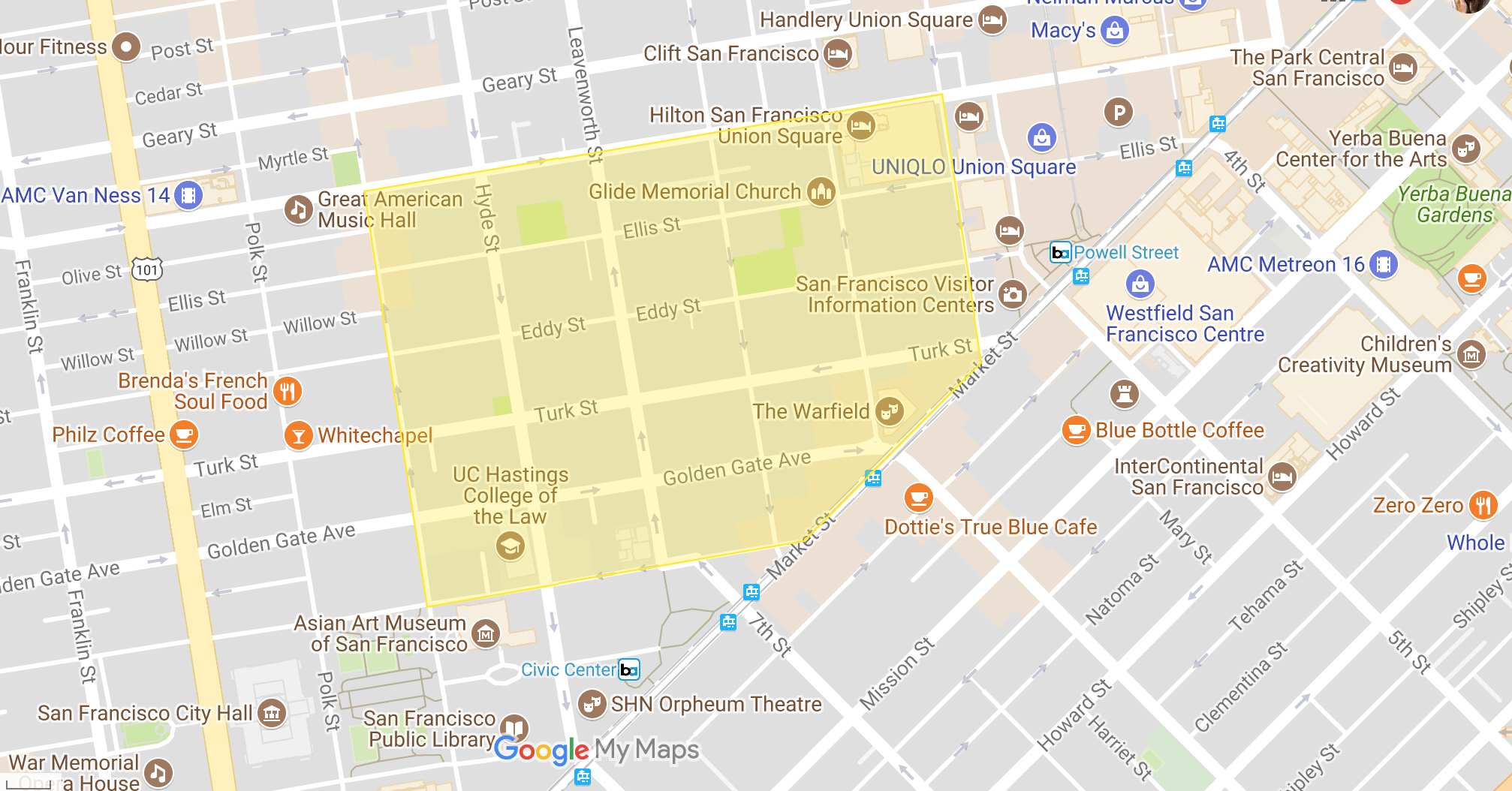
Navigating the Geographic Heart of San Francisco
To pinpoint the Tenderloin, one must first orient themselves within the broader grid of San Francisco. Geographically, the district is nestled in the central part of the city, east of the Western Addition and south of the Nob Hill and Russian Hill neighborhoods. Its eastern edge borders the Civic Center, a prominent hub for government buildings and cultural institutions, including City Hall and the War Memorial Opera House. To the south, it extends towards Market Street, a major artery that serves as a bustling commercial and transportation corridor.
Defining the Boundaries: A Matter of Perception and Planning
The precise definition of the Tenderloin can be somewhat fluid, often a subject of local interpretation and urban planning discussions. However, a commonly accepted geographical delineation places its boundaries as follows:
- North: Extending up to Geary Street and in some definitions, slightly north of it, touching the southern slopes of Nob Hill.
- South: Running along the northern side of Market Street, a significant commercial thoroughfare.
- East: Bordered by Jones Street and in some contexts, extending slightly further east to encompass areas closer to Union Square.
- West: Generally defined by Van Ness Avenue, a major north-south street.
This central positioning makes the Tenderloin highly accessible by public transportation, with numerous Muni bus lines and BART (Bay Area Rapid Transit) stations nearby, particularly around the Civic Center and Market Street areas. This accessibility, while a boon for connectivity, also contributes to the district’s diverse and often challenging character.
Proximity to Key San Francisco Landmarks
The Tenderloin’s location is noteworthy for its proximity to several of San Francisco’s most significant landmarks and districts. To its immediate east lies the Financial District, the city’s bustling economic engine. A short distance to the west, one can find the Hayes Valley neighborhood, known for its boutiques and dining. Northward, the elegant streets of Nob Hill offer panoramic views and historic hotels, while south of Market Street lies the vibrant SoMa (South of Market) district, a hub for technology companies and nightlife. This central placement means that attractions like the War Memorial Opera House, the San Francisco Museum of Modern Art (SFMOMA), and the shopping mecca of Union Square are all within easy reach, making the Tenderloin a practical, if not always conventional, base for exploring the city.
Understanding the Tenderloin’s Identity and Evolution
The geographical placement of the Tenderloin is inextricably linked to its historical development and the social dynamics that have shaped its identity. Once a more affluent residential area, the district underwent significant transformations, particularly in the mid-20th century, as the city’s economic and social geography shifted.
A History of Transformation
In its early days, the Tenderloin was characterized by grand Victorian homes and a burgeoning cultural scene. However, a series of events, including the 1906 San Francisco earthquake and fire, led to population shifts and redevelopment. Over time, particularly as downtown commercial and financial activities expanded, the district evolved. It became known for its vibrant nightlife, theaters, and a concentration of social services, drawing a diverse population, including artists, musicians, and those seeking affordable housing.
The Social Landscape: Challenges and Resilience
Today, the Tenderloin is recognized as one of the most densely populated urban neighborhoods in California. It grapples with significant social challenges, including poverty, homelessness, and drug-related issues. These challenges have often overshadowed the district’s rich cultural history and its ongoing efforts at revitalization. Despite these difficulties, the Tenderloin remains a place of immense resilience, characterized by a strong sense of community and a vibrant, if sometimes gritty, street life.

The Name’s Origin: A Culinary Connection or Social Commentary?
The origin of the name “Tenderloin” is a subject of some debate, adding another layer to the district’s enigmatic persona. One popular theory suggests that the name arose from the district’s association with nightlife and perhaps a perceived “softer” or more indulgent side of the city, implying a place where one could enjoy richer fare, metaphorically akin to a tenderloin steak. Another theory posits that the name was a cynical reference to the wages earned by police officers working the district, who were said to be able to afford a “tenderloin” meal only if they accepted bribes. Regardless of its precise etymology, the name itself evokes a sense of intrigue and has become synonymous with the district’s unique character.
Exploring the Tenderloin: An Urban Adventure
For the intrepid traveler, the Tenderloin offers an unfiltered glimpse into a vital, albeit complex, part of San Francisco. While it may not feature the polished veneer of some of the city’s more tourist-centric areas, it provides opportunities for authentic cultural immersion.
Architectural Gems and Historic Venues
Despite its reputation, the Tenderloin boasts an impressive array of historic architecture, particularly from the early 20th century. Many of the buildings showcase ornate detailing, classic Art Deco and Beaux-Arts styles. The district was once a major theater hub, and while many of these venues have closed or changed their function, some, like the Orpheum Theatre and the Golden Gate Theatre, still stand, hosting performances and serving as reminders of its glamorous past. Exploring the streets can reveal hidden courtyards and unique building facades that speak to a different era of San Francisco.
A Mosaic of Cultures and Communities
The Tenderloin is a true melting pot of cultures and communities. Its low-cost housing has attracted a diverse population, including significant immigrant communities, artists, and members of the LGBTQ+ community, particularly through its historical association with the Castro district to the south. This diversity is reflected in the local businesses, from small ethnic grocery stores and community centers to the vibrant street art that often adorns the neighborhood. Engaging with the local community requires an open mind and a willingness to look beyond superficial appearances, revealing the rich tapestry of life within the district.
Experiencing the Tenderloin: Tips for Visitors
Visiting the Tenderloin requires a thoughtful approach. It is advisable for visitors to stick to the main thoroughfares, especially during daylight hours, and to be aware of their surroundings. Public transportation is the most convenient way to navigate the area. While it may not offer the typical tourist amenities, the Tenderloin provides an opportunity for those seeking a more authentic and unfiltered urban experience. Visitors interested in the district’s history might find guided walking tours that focus on its architectural heritage or its role in San Francisco’s cultural evolution to be particularly insightful. The area also has a growing number of independent coffee shops and eateries that offer a taste of the neighborhood’s evolving culinary scene.
The Tenderloin’s Place in the San Francisco Narrative
The Tenderloin district, despite its complexities, is an integral part of San Francisco’s identity. Its location at the nexus of downtown and its historical evolution mirror broader trends of urban change and social stratification.
Urban Planning and Redevelopment Efforts
Like many urban districts, the Tenderloin has been the subject of numerous urban planning initiatives and redevelopment efforts over the decades. These have ranged from attempts at gentrification to more community-focused projects aimed at improving safety and providing social services. Understanding these ongoing efforts provides context for the district’s current state and its potential future. The presence of organizations dedicated to community improvement and the arts highlights a continued desire for positive change within the neighborhood.
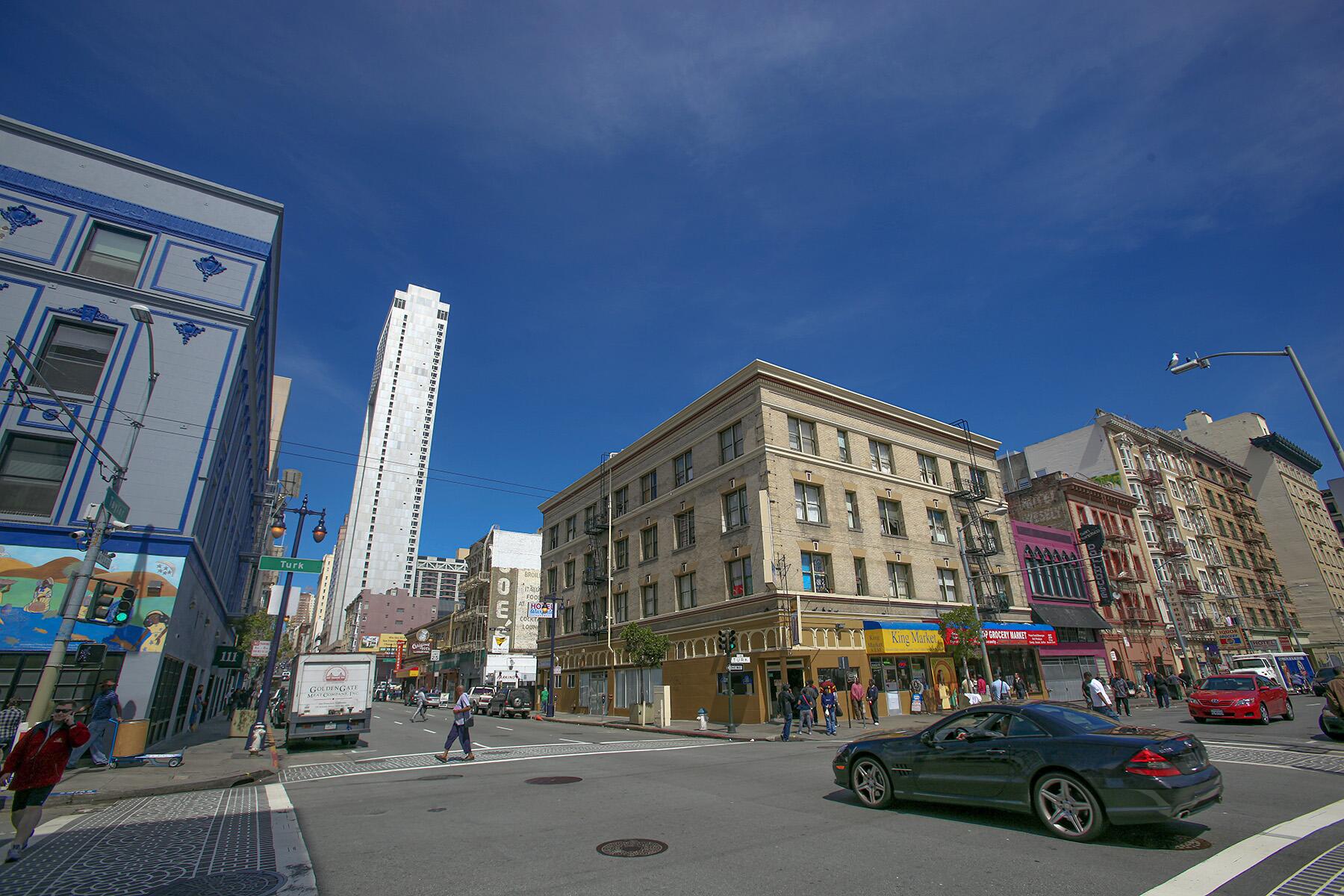
A Snapshot of Urban Diversity and Resilience
The Tenderloin serves as a microcosm of the urban experience, showcasing both the challenges and the enduring spirit of city living. Its central location means it is constantly interacting with the more affluent surrounding neighborhoods, creating a unique dynamic of contrast and co-dependence. For those who venture into its streets with an open mind, the Tenderloin offers a compelling narrative of resilience, cultural richness, and the ongoing human endeavor to build community in the heart of a major metropolis. It is a district that demands observation, understanding, and perhaps a deeper appreciation for the multifaceted nature of urban life in San Francisco.
LifeOutOfTheBox is a participant in the Amazon Services LLC Associates Program, an affiliate advertising program designed to provide a means for sites to earn advertising fees by advertising and linking to Amazon.com. Amazon, the Amazon logo, AmazonSupply, and the AmazonSupply logo are trademarks of Amazon.com, Inc. or its affiliates. As an Amazon Associate we earn affiliate commissions from qualifying purchases.