
Seattle, a city renowned for its vibrant culture, stunning natural beauty, and thriving tech scene, often conjures images of perpetual rain. While precipitation is certainly a characteristic of the Emerald City, the question of “how cold does Seattle get?” is more nuanced. Understanding Seattle’s winter climate is crucial for any traveler or new resident looking to pack appropriately and plan their activities. This guide delves into the typical winter temperatures, historical extremes, and the unique microclimates that influence Seattle’s chill, focusing on the practicalities for Travel and Tourism.
Understanding Seattle’s Winter Climate
Seattle’s climate is largely influenced by its maritime location on the Pacific coast and its proximity to the Cascade and Olympic mountain ranges. This geography moderates temperatures, preventing the extreme highs and lows often seen in continental climates.
Average Winter Temperatures
The core of winter in Seattle typically spans from December through February. During these months, average daily temperatures hover in the low to mid-40s Fahrenheit (around 4-7 degrees Celsius). Daytime highs often reach the mid-40s, while overnight lows can dip into the high 30s. Frost is not uncommon, particularly on clear nights, but prolonged periods of freezing temperatures are rare.
- December: Expect average high temperatures around 47°F (8°C) and average lows around 39°F (4°C).
- January: Typically the coldest month, with average highs around 45°F (7°C) and average lows around 37°F (3°C).
- February: A slight warming trend begins, with average highs around 48°F (9°C) and average lows around 38°F (3°C).
It’s important to note that these are averages. Actual temperatures can fluctuate, and “cold” in Seattle is often accompanied by dampness and wind, which can make it feel colder than the thermometer indicates. The persistent cloud cover common in winter also contributes to a feeling of coolness.
The Role of Precipitation
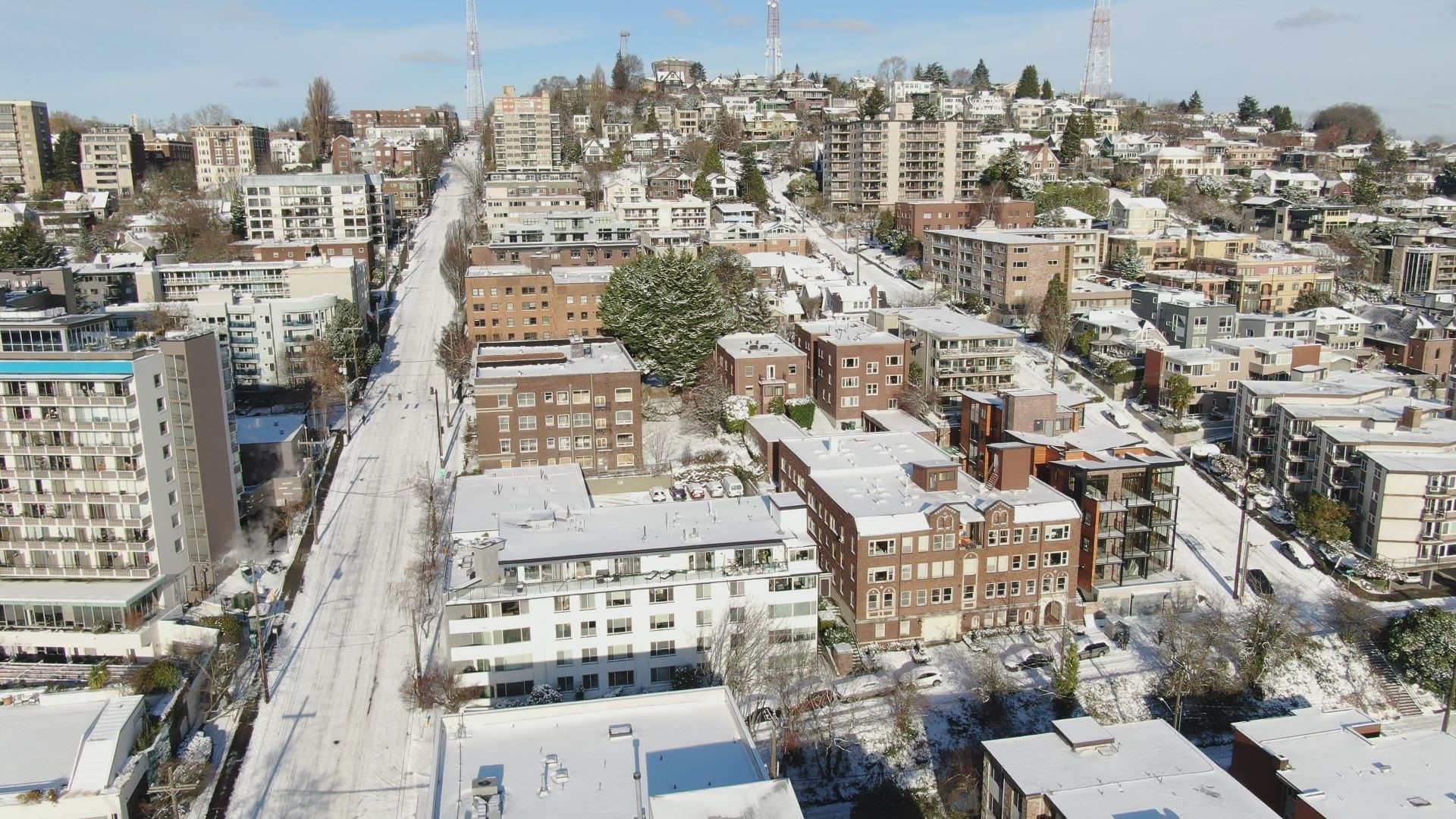
While not directly a measure of “cold,” precipitation significantly impacts the perception of Seattle’s winter weather. The city receives a considerable amount of rainfall during these months, which contributes to its lush greenery but can also make outdoor activities feel less appealing if not properly prepared. Snowfall is infrequent and typically does not accumulate for extended periods. When it does snow, it often melts within a day or two due to the moderating influence of Puget Sound. This rarity makes a significant snowfall a noteworthy event in Seattle.
Wind Chill Factors
Seattle is not generally known for strong, biting winds like those found in some other major cities. However, coastal breezes can add a chill factor, especially when combined with rain. Dressing in layers, including a windproof and waterproof outer layer, is key to staying comfortable even when the air temperature seems mild.
Historical Temperature Extremes
While Seattle enjoys relatively mild winters compared to much of the United States, it’s valuable to understand the extremes that have occurred historically. These records provide context for the city’s climate variability.
Record Low Temperatures
The coldest temperature ever recorded in Seattle was -3°F (-19°C) on January 30, 1950. This is a significant outlier, and temperatures rarely, if ever, approach this level in modern times. More common, though still infrequent, are occurrences of temperatures dipping into the low 20s Fahrenheit (-4 to -6 degrees Celsius) during cold snaps. These periods of exceptionally cold weather, often accompanied by snow, typically last only a few days before milder Pacific air returns.
Record High Temperatures in Winter

Conversely, winter days in Seattle can occasionally be surprisingly mild. Record high temperatures in the 60s Fahrenheit (15-18 degrees Celsius) have been observed during winter months, particularly in late autumn or early spring. These warm spells, often driven by Santa Ana-like winds from the east, offer a pleasant respite from the usual cloudiness and drizzle.
Microclimates and Their Impact on Perceived Cold
Seattle is not a monolithic climate zone. Various microclimates exist within the city and its surrounding areas, influenced by elevation, proximity to water, and topographical features. This can lead to noticeable differences in temperature and weather.
The Effect of Elevation and Inland Locations
Areas situated at higher elevations or further inland from Puget Sound, such as those in parts of Bellevue or Redmond, can experience slightly colder temperatures and a higher chance of frost or light snow compared to the downtown core or areas closer to the water. The water acts as a temperature buffer, absorbing heat during the day and releasing it at night, thus moderating coastal temperatures.
The “Rain Shadow” Effect
While Seattle is famously rainy, the Olympic Peninsula to the west experiences significantly more precipitation due to its position in the Pacific storm track. Conversely, the Cascade Mountains to the east can sometimes create a “rain shadow” effect, leading to drier and occasionally colder conditions on the eastern side of the state. However, within the greater Seattle metropolitan area, the proximity to water and the complex topography are the primary drivers of microclimatic variation.
Preparing for Seattle’s Winter Weather for Travel and Tourism
Understanding Seattle’s winter climate is essential for making the most of your visit. The key is to embrace the season and pack accordingly.
Essential Packing List for a Seattle Winter
- Waterproof and Windproof Outerwear: A good quality jacket is non-negotiable. Look for something that can withstand moderate rain and wind.
- Layering Clothing: Pack a mix of short-sleeved shirts, long-sleeved tops, and sweaters. Layers allow you to adjust to changing temperatures throughout the day.
- Waterproof Footwear: Comfortable, waterproof shoes or boots are crucial for navigating wet streets and enjoying outdoor attractions.
- Umbrella: While many locals opt out, a compact umbrella can be useful for lighter showers.
- Warm Accessories: A hat, scarf, and gloves can make a significant difference on colder days, especially if you plan on exploring the many parks or taking a ferry ride.
- Quick-Drying Fabrics: Consider packing clothing made from materials that dry quickly, as dampness is a common companion to Seattle’s winter.
Activities to Enjoy Despite the Cold and Rain
Don’t let the thought of “cold” deter you from visiting Seattle in the winter. The city offers a wealth of indoor and outdoor activities that are perfect for the season.
- Museums and Galleries: Explore the Museum of Pop Culture (MoPOP), the Seattle Art Museum, or the Pacific Science Center for a dose of culture and knowledge.
- Food Scene: Seattle boasts an incredible culinary landscape. Spend your days warming up in cozy cafes, exploring the diverse restaurants in neighborhoods like Ballard or Capitol Hill, or indulging in fresh seafood at Pike Place Market.
- Indoor Markets: Beyond Pike Place Market, consider visiting indoor markets or shopping areas for a chance to browse unique shops and enjoy local crafts.
- Coffee Culture: Embrace Seattle’s world-famous coffee scene. Numerous independent coffee shops offer a warm respite and delicious brews.
- Ferry Rides: Even on a chilly day, a ferry ride across Puget Sound to Bainbridge Island offers breathtaking views of the city skyline and the surrounding mountains, with comfortable indoor seating available.
- Theaters and Live Music: Catch a show at the historic Paramount Theatre or explore the vibrant live music venues scattered throughout the city.
- Winter Hikes: For the adventurous, short, well-maintained trails in local parks like Discovery Park can still be enjoyable with the right gear. The mist and diffused light can lend a unique, moody beauty to the landscape.

Travel Tips for Winter Visitors
- Book Accommodations in Advance: While not as busy as summer, popular hotels, especially those downtown or near attractions, can fill up. Consider hotels like the Four Seasons Hotel Seattle for comfortable, warm lodging.
- Check Local Event Calendars: Winter in Seattle often features holiday markets, festivals, and special events.
- Utilize Public Transportation: Seattle has a robust public transportation system, including buses and the Link light rail, which can be a convenient way to get around, especially in inclement weather.
- Be Flexible with Plans: While preparation is key, sometimes the best Seattle experiences come from embracing the weather and adapting your plans accordingly. A rainy afternoon might be the perfect time to discover a hidden bookstore or enjoy a leisurely meal.
In conclusion, while Seattle does experience cooler temperatures and significant rainfall during its winter months, it rarely gets truly “cold” in the sense of prolonged deep freezes or extreme snow. The average temperatures are mild, and the city offers a wealth of indoor and outdoor attractions that are enjoyable year-round. By understanding Seattle’s climate and packing appropriately, visitors can embrace the unique charm of the Emerald City during its cooler season and create lasting travel memories.
LifeOutOfTheBox is a participant in the Amazon Services LLC Associates Program, an affiliate advertising program designed to provide a means for sites to earn advertising fees by advertising and linking to Amazon.com. Amazon, the Amazon logo, AmazonSupply, and the AmazonSupply logo are trademarks of Amazon.com, Inc. or its affiliates. As an Amazon Associate we earn affiliate commissions from qualifying purchases.