
The question of safety in any urban center is a complex one, and for visitors planning a trip to the vibrant metropolis of Seattle, understanding the realities of its downtown core is essential for a comfortable and enjoyable experience. Seattle Downtown, a hub of commerce, culture, and iconic landmarks, offers a dynamic urban environment. Like most major cities across the globe, it presents a nuanced picture regarding safety, influenced by a multitude of factors including time of day, specific neighborhoods, and individual awareness. This guide aims to provide an insightful overview to help travelers navigate the city with confidence.

Understanding Urban Safety in Seattle Downtown
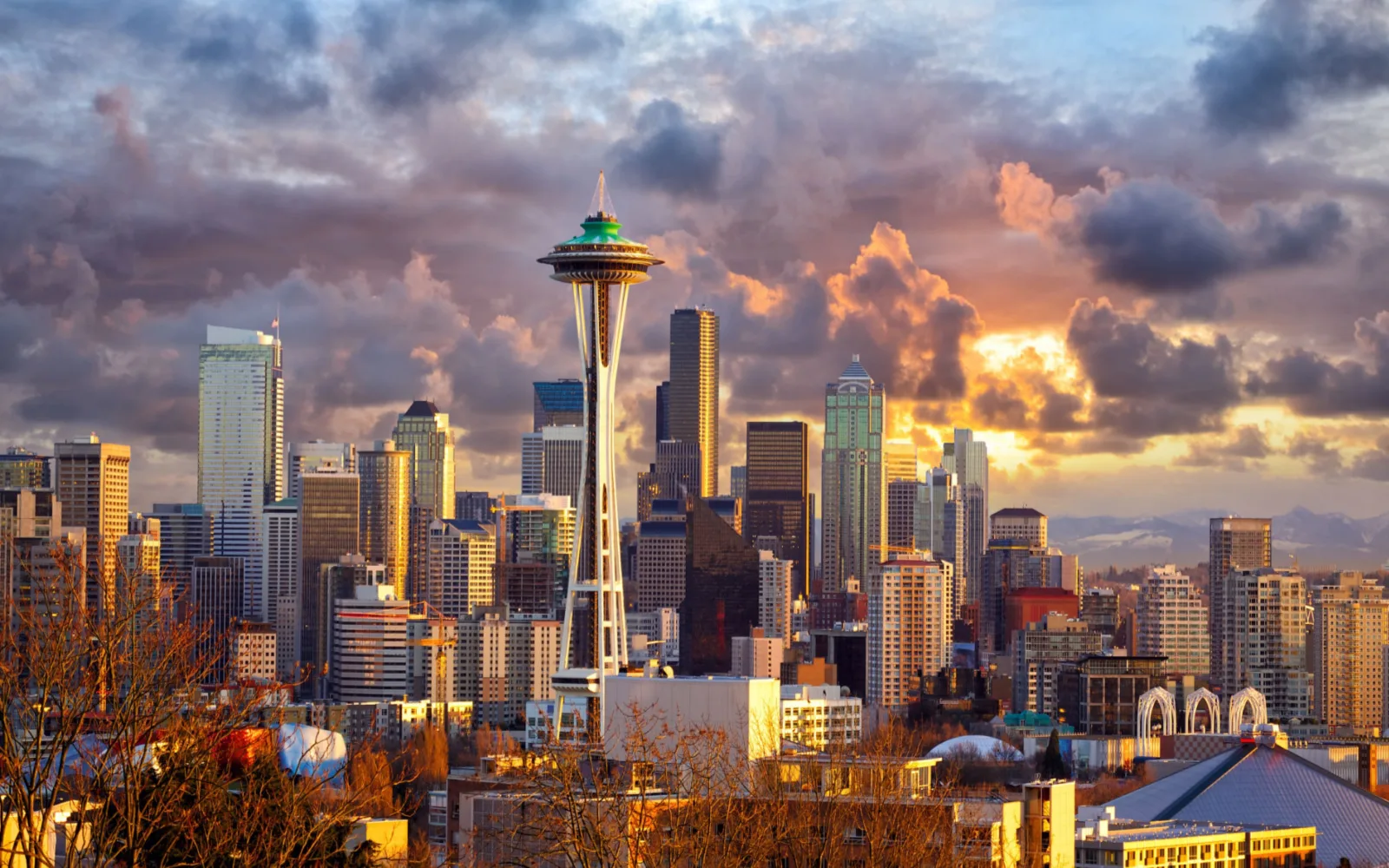
When discussing urban safety, it’s crucial to approach it with a balanced perspective. Seattle is a thriving city that attracts millions of visitors annually to its attractions like the Pike Place Market and the Space Needle. The vast majority of these visits are trouble-free. However, like any densely populated area, downtown Seattle experiences incidents of crime, which can range from petty theft to more serious offenses.
Crime Statistics and Perceptions
Official crime statistics are a valuable tool for understanding trends, but they don’t always capture the full picture of a visitor’s experience. Public perception of safety can be influenced by media reports, personal anecdotes, and the general atmosphere of an area. While Seattle has seen fluctuations in crime rates over the years, particularly concerning property crime and, in some periods, an increase in homelessness which can contribute to visible social issues, the overall safety for tourists remains high when general precautions are taken.
It’s important to distinguish between different types of crime. Property crimes, such as pickpocketing or car break-ins, are more common in tourist-heavy areas and parking lots. Violent crimes are statistically rarer and often concentrated in specific areas or occur during specific times. For visitors, being aware of your surroundings and taking sensible precautions can significantly mitigate risks.
The Role of Urban Environment and City Initiatives
The urban environment itself plays a role in perceived safety. Busy streets, well-lit areas, and the presence of law enforcement or visible security can contribute to a feeling of security. Seattle has ongoing initiatives aimed at improving public spaces and addressing issues that can impact safety, including efforts to support its homeless population and enhance public transit safety. These efforts are part of a broader strategy to maintain Seattle as a welcoming destination.
Navigating Seattle Downtown: Practical Safety Tips for Travelers
Responsible tourism involves understanding and adapting to the local environment. For those visiting Seattle Downtown, a few practical tips can enhance your sense of security and allow you to focus on enjoying the city’s many offerings.
Awareness and Vigilance
The most fundamental aspect of urban safety is to remain aware of your surroundings. This means paying attention to who is around you, especially in crowded places like Pike Place Market or during public events. Avoid displaying excessive amounts of cash or expensive electronics openly. Keep personal belongings secure and within sight.
Protecting Valuables
Petty theft is a concern in any busy tourist destination. When visiting attractions, using public transportation, or dining in restaurants, be mindful of your bags and pockets. Consider using anti-theft bags or keeping valuables in front pockets. If you are renting a car, never leave any items of value visible in your vehicle, especially overnight, as car break-ins have been a reported issue in some areas. Utilize secure parking garages when possible.
Understanding Neighborhoods and Times
Seattle Downtown is comprised of various districts, each with its own character and, at times, varying levels of activity. Areas like the retail core and the waterfront are generally very busy and well-patrolled during the day. As evening approaches, some areas may become less populated, and it’s wise to be more cautious. Stick to well-lit and populated streets, especially when walking at night. If you are unsure about an area, it’s always better to err on the side of caution or take a taxi or rideshare service.
Utilizing Public Transportation and Rideshares
Seattle has a public transportation system, including buses and the Link light rail, which can be convenient for getting around. Be aware of your surroundings when using public transport, particularly late at night. Rideshare services like Uber and Lyft are widely available and can provide a safe and direct way to get to your destination, especially if you’re traveling after dark or feel uncomfortable walking.
Specific Areas and Considerations
While the general advice applies across the board, some specific areas within or adjacent to Seattle Downtown warrant a mention for visitors.
Pioneer Square
Pioneer Square is Seattle’s historic heart, known for its beautiful Victorian architecture, art galleries, and vibrant nightlife. During the day, it’s a popular spot for tourists exploring its underground tours and unique shops. In the evenings, it transitions into a hub for restaurants and bars. While generally safe, like many historic downtown areas, it can sometimes attract individuals experiencing homelessness, and visitors should exercise the same precautions as in other busy urban areas, particularly after dark.
The International District/Chinatown
The International District, also known as Chinatown, is a culturally rich area offering diverse culinary experiences and unique shopping opportunities. It is a bustling neighborhood with a strong sense of community. As with any urban neighborhood, maintaining awareness of your surroundings is advisable.
The Waterfront
Seattle’s waterfront offers stunning views of Puget Sound and a variety of attractions, including the Seattle Aquarium and the Great Wheel. It is a very popular tourist area and generally feels safe due to the constant flow of people and the presence of attractions. However, being mindful of personal belongings in crowded areas remains important.
Addressing Concerns About Homelessness and Social Issues
A visible aspect of many American cities, including Seattle, is the presence of homelessness and related social issues. This can manifest in encampments or individuals experiencing visible distress in public spaces. It’s important to acknowledge this reality without letting it overshadow the positive experiences Seattle has to offer.
Maintaining Personal Safety Amidst Social Challenges
For visitors, encountering individuals experiencing homelessness is a possibility, particularly in certain downtown areas. The key is to remain calm and avoid direct confrontation. Do not engage with individuals who appear agitated or aggressive. Keep a safe distance, continue walking, and if you feel threatened, seek out a public place with more people or contact law enforcement if necessary.
City officials and various non-profit organizations are actively working on solutions to address homelessness, but these are complex societal issues that take time to resolve. For the average tourist, understanding that the presence of individuals in distress does not automatically equate to immediate danger for them is crucial. The overwhelming majority of interactions will be neutral or non-existent.
Conclusion: A Safe and Rewarding Destination
Seattle Downtown is a dynamic and rewarding destination for travelers. By understanding the nuances of urban safety, remaining vigilant, and employing common-sense precautions, visitors can explore its attractions, enjoy its culinary scene, and immerse themselves in its unique culture with confidence. The city’s commitment to improving public spaces and addressing its challenges, combined with the responsible travel habits of its visitors, ensures that Seattle remains a safe and captivating place to experience. Enjoy your visit to the Emerald City!
LifeOutOfTheBox is a participant in the Amazon Services LLC Associates Program, an affiliate advertising program designed to provide a means for sites to earn advertising fees by advertising and linking to Amazon.com. Amazon, the Amazon logo, AmazonSupply, and the AmazonSupply logo are trademarks of Amazon.com, Inc. or its affiliates. As an Amazon Associate we earn affiliate commissions from qualifying purchases.