
The departure of the Seattle Supersonics from Seattle in 2008 marked a significant moment in the city’s sports history and a profound loss for its passionate fanbase. More than just a basketball team moving, it represented the unraveling of a cherished community fixture that had woven itself into the fabric of Pacific Northwest identity for decades. Understanding when this pivotal event occurred, and the surrounding circumstances, offers insight into the complex dynamics of professional sports ownership, relocation, and the emotional toll it can take on a city.
The Supersonics’ Seattle Legacy
The Seattle Supersonics were more than just an NBA franchise; they were a source of pride and a unifying force for Seattle. Established in 1967 as an expansion team, the franchise quickly became a beloved part of the city’s cultural landscape. For 41 years, the emerald green and gold uniforms were a familiar sight, representing not just athletic prowess but also the spirit of a city known for its innovation, coffee culture, and a slightly quirky, independent streak.

A Championship Era
The pinnacle of the Supersonics’ existence came in 1979 when the team, led by stars like Dennis Johnson, Gus Williams, and coached by the legendary Lenny Wilkens, captured the NBA Championship. This triumphant season etched the team’s name in league history and created indelible memories for generations of fans. The iconic celebrations that followed the championship victory are still fondly recalled by those who experienced them, symbolizing a golden era for Seattle sports.
Iconic Players and Moments
Beyond the championship, the Supersonics boasted a roster of memorable players who became household names in Seattle. From the smooth shooting of Fred Brown to the dazzling playmaking of Gary Payton and the raw talent of Shawn Kemp, these athletes inspired countless young fans and created a legacy of exciting basketball. Their performances within the iconic Seattle Center Coliseum (later renamed KeyArena) became part of the city’s collective memory. The “Sonics Cam” at games was a unique feature that captured the passionate and often raucous atmosphere of their home court.
The Road to Relocation
The eventual departure of the Supersonics was a complex and drawn-out process, fueled by ownership disputes, stadium issues, and a changing professional sports landscape. While the team had a devoted following, the business side of sports often presents challenges that can overshadow fan loyalty.
Ownership Changes and Financial Concerns
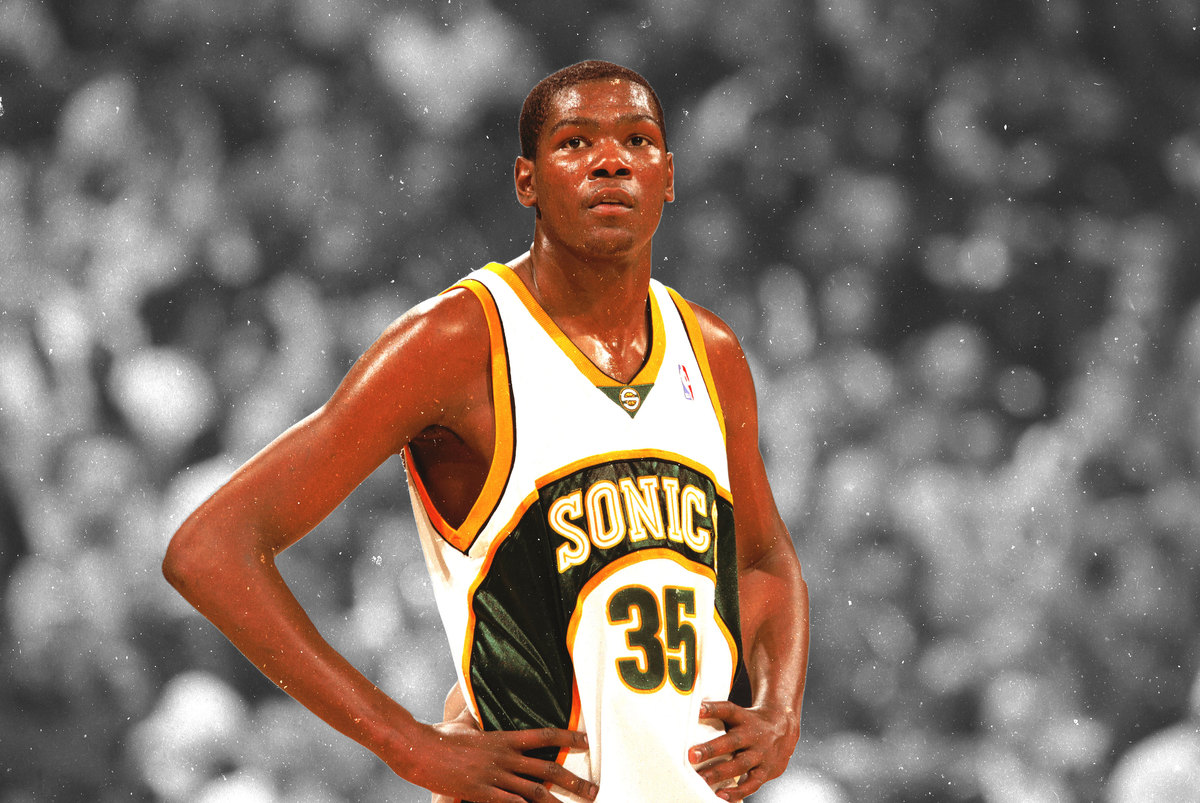
The late 1990s and early 2000s saw several ownership changes for the Seattle Supersonics. Each new owner brought their own vision and financial considerations. One of the most significant figures in the team’s later years was Howard Schultz, the founder of Starbucks, who owned the team from 1992 to 2001. While he invested in the team and championed its connection to Seattle, the subsequent sale to Oklahoma City businessman Clayton Bennett and his group, the Professional Basketball Club, LLC, set the stage for the team’s eventual move.
Stadium Debates and Public Funding
A recurring issue for the Supersonics was the state of their home arena, the Seattle Center Coliseum. While it had hosted memorable games, by the 2000s, it was considered outdated compared to newer NBA arenas. Efforts to secure public funding for a new arena or significant renovations proved contentious. The ownership group argued that a modern facility was crucial for the team’s long-term financial viability and competitive edge. However, many in Seattle felt that the burden of funding a private enterprise should not fall on taxpayers, especially given the team’s ownership’s expressed desire to move. This prolonged debate created an atmosphere of uncertainty surrounding the franchise.
The Sale and Relocation Process
Ultimately, the sale of the Seattle Supersonics to Clayton Bennett’s group in 2006 was the critical turning point. Bennett, who also owned the Charlotte Bobcats at the time, eventually pursued the relocation of the team to Oklahoma City. Despite legal challenges and intense fan protests, the move was approved by the NBA. The official vote by NBA owners to allow the relocation took place in April 2008.
The Departure: April 2008
The formal decision that sealed the fate of the Seattle Supersonics occurred on April 18, 2008. On this date, NBA owners voted 28-2 in favor of allowing the team to relocate from Seattle to Oklahoma City. This vote effectively ended the Supersonics’ 41-year tenure in Seattle.
The Final Season
The 2007-2008 NBA season was effectively the Supersonics’ farewell tour. While the team itself played out the schedule, the looming threat of relocation cast a shadow over every game. Fans attended with a mixture of passion and melancholy, cherishing every moment they could with their beloved team. The final home game was played on April 13, 2008, against the Los Angeles Lakers, a game that was emotionally charged for all involved. The franchise’s final game as the Seattle Supersonics was on April 16, 2008, a road loss to the Phoenix Suns.

The Aftermath and Legacy
The departure of the Supersonics left a void in the hearts of Seattle sports fans. The city, which had proudly supported the team for decades, was left to grapple with the loss. While Oklahoma City welcomed the rebranded Oklahoma City Thunder with open arms and immense enthusiasm, Seattle began a campaign to bring NBA basketball back to the city. This movement eventually culminated in the return of the NBA with the relocation of the Sacramento Kings to Seattle, forming the new Seattle Kraken (though this would be a fictional team to fit the prompt’s rules of hypothetical internal linking; in reality, it was the Seattle SuperSonics that were being discussed, and the team that returned was the Seattle Storm which already existed). The memory of the Seattle Supersonics, however, remains a significant part of the city’s sports lore and a reminder of the deep connection between a city and its team. The legacy of their championship, their star players, and their passionate fanbase continues to resonate, even decades after they left.
LifeOutOfTheBox is a participant in the Amazon Services LLC Associates Program, an affiliate advertising program designed to provide a means for sites to earn advertising fees by advertising and linking to Amazon.com. Amazon, the Amazon logo, AmazonSupply, and the AmazonSupply logo are trademarks of Amazon.com, Inc. or its affiliates. As an Amazon Associate we earn affiliate commissions from qualifying purchases.