
The allure of Japan has captivated travelers worldwide, drawing them with its unique blend of ancient traditions and futuristic innovation. For those residing on the sunny shores of California, the idea of visiting the Land of the Rising Sun often sparks a fundamental question: “How far is it, really?” While geographically separated by the vast expanse of the Pacific Ocean, the journey between California and Japan is more accessible than one might imagine, thanks to modern aviation and extensive travel infrastructure. This comprehensive guide will not only pinpoint the exact distance but also delve into the practicalities of planning such a trans-Pacific adventure, offering insights into travel times, best routes, accommodation options, cultural experiences, and how to make the most of your unforgettable trip to Japan.

Bridging the Pacific: The True Distance
Understanding the distance between California and Japan involves more than just a straight line on a map; it encompasses the complexities of flight paths, time zones, and the sheer scale of the Pacific Ocean. The journey is a significant undertaking, but one that countless travelers undertake each year, eager to explore one of the world’s most fascinating destinations.
Geographical Realities: Miles, Kilometers, and the Great Circle Route
The distance from California to Japan varies slightly depending on your specific departure city in California and your arrival city in Japan. However, a general estimate for the air distance is approximately 5,000 to 6,000 miles (about 8,000 to 9,600 kilometers).
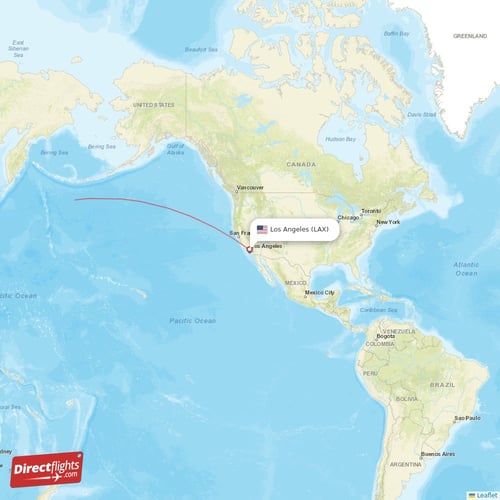
For instance, the distance from Los Angeles to Tokyo is roughly 5,450 miles (8,770 kilometers). From San Francisco to Tokyo, it’s slightly shorter, around 5,160 miles (8,300 kilometers). These distances are calculated based on the “Great Circle Route,” which is the shortest path between two points on the surface of a sphere (like Earth). Airlines utilize this route to minimize fuel consumption and travel time, often taking flights over the northern Pacific Ocean, sometimes veering close to Alaska or the Aleutian Islands depending on the specific trajectory and prevailing winds. While seemingly a longer, curved path on a flat map, it is geometrically the most direct.
Understanding Flight Times: What to Expect in the Air
Given the vast distances involved, flying is the only practical mode of transport for tourists and business travelers alike. A direct flight from major Californian cities like Los Angeles or San Francisco to Tokyo typically takes between 9.5 to 11.5 hours. Eastbound flights (from Japan to California) are often slightly shorter, sometimes by as much as an hour, due to the advantageous tailwinds of the jet stream.
These flight durations are for non-stop services. If your itinerary includes a layover, usually in another major hub city like Seattle, Vancouver, or even Honolulu, your total travel time will increase significantly, potentially extending to 15-20 hours or more, depending on the length of your stopover. It’s crucial to factor in the time difference as well. Japan operates on Japan Standard Time (JST), which is 16 hours ahead of Pacific Standard Time (PST) during standard time, or 17 hours during Daylight Saving Time in California. This significant time difference means that while you might depart California in the afternoon, you’ll arrive in Japan two mornings later, effectively “losing” a day. Managing jet lag becomes an important consideration for a comfortable arrival and enjoyable trip.

Planning Your Trans-Pacific Journey
Embarking on a trip from California to Japan requires careful planning to ensure a smooth and memorable experience. From selecting your flight paths to handling immigration requirements, every detail contributes to the success of your adventure.
Choosing Your Departure and Arrival Hubs
California boasts several major international airports offering direct flights to Japan. The primary departure hubs are Los Angeles International Airport (LAX) and San Francisco International Airport (SFO), with some flights also available from San Diego International Airport (SAN). These airports serve as major gateways, connecting travelers to a multitude of destinations across the Pacific.
In Japan, the main international arrival airports are Narita International Airport (NRT) and Haneda Airport (HND), both serving the greater Tokyo area. Haneda is significantly closer to downtown Tokyo and often preferred for its convenience, though Narita also offers excellent transport links. For those planning to explore regions beyond Tokyo immediately, Kansai International Airport (KIX) near Osaka is another crucial entry point, providing direct access to the Kansai region, including Kyoto and Nara. When booking, consider which airport aligns best with your initial travel plans in Japan to minimize domestic travel time upon arrival.
Essential Preparations: Beyond the Ticket
Once your flights are booked, several other crucial steps ensure a smooth journey. For United States citizens, a visa is generally not required for tourist stays of up to 90 days in Japan. However, a valid passport with at least six months’ validity beyond your intended stay is essential. It’s always wise to check the latest entry requirements with the Japanese Embassy or Consulate before your trip, as policies can change.
Beyond documentation, consider travel insurance to protect against unforeseen circumstances like trip cancellations, medical emergencies, or lost luggage. Familiarize yourself with local currency – the Japanese Yen (JPY) – and consider exchanging some cash before you leave or withdrawing from ATMs upon arrival. While credit cards are increasingly accepted, cash remains prevalent, especially in smaller establishments or rural areas. Researching local customs and basic Japanese phrases can also significantly enhance your experience. Packing smart, considering Japan’s varying climates depending on the season and regions you plan to visit, is also key. Don’t forget universal travel adapters for your electronics, as Japan uses Type A and B sockets with 100V voltage.
Immersing Yourself in Japan: Beyond the Journey
Once you’ve successfully navigated the trans-Pacific journey, the real adventure begins. Japan offers an incredibly diverse range of experiences, catering to every type of traveler, from history buffs and nature lovers to foodies and urban explorers.
Iconic Destinations and Unforgettable Experiences
Japan’s landscape is dotted with world-renowned landmarks and hidden gems. In Tokyo, marvel at the futuristic cityscape from the Tokyo Skytree or immerse yourself in the vibrant energy of Shibuya Crossing. Explore the serene gardens of the Imperial Palace and the ancient Senso-ji Temple in Asakusa. For theme park enthusiasts, Disneyland Tokyo and DisneySea offer magical experiences.
A trip to Japan would be incomplete without visiting Kyoto, the ancient capital, home to thousands of temples and shrines. Wander through the ethereal Arashiyama Bamboo Grove, explore the vibrant red gates of Fushimi Inari-taisha, and witness the delicate beauty of a geisha in the Gion district. Osaka offers a lively urban experience with its bustling Dotonbori entertainment district and majestic Osaka Castle. Further afield, the majestic presence of Mount Fuji offers breathtaking views and hiking opportunities, especially around the Fuji Five Lakes region. For a poignant historical reflection, Hiroshima and its Peace Memorial Park offer a profound experience.
Beyond the major cities, Japan’s natural beauty is astounding. From the snowy landscapes of Hokkaido to the subtropical beaches of Okinawa, there are countless opportunities for outdoor adventures, hot spring (onsen) relaxation, and scenic train rides on the ultra-efficient Shinkansen (bullet train).
Accommodation Choices: From Modern Luxury to Traditional Charm
Japan offers a diverse range of accommodation options to suit every preference and budget. In major cities, you’ll find an abundance of international hotel chains like the Ritz-Carlton, Hilton, Hyatt, and Marriott, providing familiar amenities and luxurious comfort. Boutique hotels and design-focused properties are also popular, offering unique aesthetics and personalized service.
For a truly authentic Japanese experience, staying in a ryokan is a must. These traditional inns feature tatami-matted rooms, futon beds, hot spring baths (onsens), and often serve exquisite multi-course kaiseki dinners. They offer a deep dive into Japanese hospitality and culture. Business hotels, known for their compact efficiency and reasonable prices, are also plentiful, particularly in urban centers. For budget travelers, hostels and capsule hotels provide affordable and unique lodging options. For longer stays or a more local feel, renting an apartment or villa through services like Airbnb is also a popular choice, allowing you to experience neighborhood life. Booking in advance is highly recommended, especially during peak seasons like cherry blossom (spring) and autumn foliage, to secure your preferred accommodation and potentially better rates.
A Taste of Japan: Culinary Adventures and Cultural Riches
Japanese cuisine is a cornerstone of its culture and a major draw for visitors. Beyond world-famous sushi and ramen, the culinary landscape includes delicate tempura, savory yakitori, comforting udon and soba noodles, and a vast array of regional specialties. Exploring local markets, trying street food, and experiencing a traditional tea ceremony are essential parts of the culinary journey. Don’t forget to sample sake, Japan’s traditional rice wine, and explore the thriving craft beer and whiskey scene.
Japanese culture extends far beyond its food. Visitors can witness sumo wrestling matches, attend kabuki or Noh theater performances, or even try on a kimono. The art of ikebana (flower arrangement) and calligraphy offer glimpses into the aesthetic principles that permeate Japanese life. Throughout your travels, you’ll encounter the deep respect for tradition, impeccable customer service, and a fascinating blend of ancient rituals and cutting-edge technology. Engaging with locals, even through simple gestures of politeness, can greatly enrich your understanding and appreciation of this captivating country.
Making the Most of Your Japan Adventure
A trip to Japan is a journey of discovery, and careful planning combined with an open mind will allow you to embrace every moment. From navigating public transport to managing your budget, a few key considerations will enhance your overall experience.
Navigating the Cultural Landscape
Japan is renowned for its politeness, order, and unique social etiquette. Understanding and respecting these customs will not only show deference to your hosts but also make your interactions more pleasant. Simple gestures like bowing, removing shoes before entering homes or certain establishments, and refraining from loud conversations on public transport are appreciated. Public transportation, particularly the extensive train network, is incredibly efficient, punctual, and clean. Investing in a Japan Rail Pass can be a cost-effective way to travel long distances, especially if you plan to visit multiple cities using the Shinkansen. Learning a few basic Japanese phrases like “konnichiwa” (hello), “arigato gozaimasu” (thank you), and “sumimasen” (excuse me/sorry) will go a long way in making connections and navigating daily situations. English signage is common in major tourist areas, but less so in smaller towns, so having a translation app on hand can be useful.
Connectivity is also vital for modern travelers. Renting a portable Wi-Fi device (pocket Wi-Fi) or purchasing a local SIM card upon arrival ensures you stay connected, allowing for navigation, translations, and sharing your experiences in real-time. This can be pre-ordered and picked up at the airport for convenience.
Budgeting and Travel Styles: Crafting Your Ideal Trip
A trip to Japan can be tailored to various budgets, from luxurious escapes to more economical adventures. For those seeking luxury travel, options abound with five-star hotels, Michelin-starred restaurants, private tours, and high-end shopping in districts like Ginza. You can experience opulent ryokans with private onsen baths and bespoke cultural experiences.
Conversely, budget travel in Japan is entirely feasible. Utilizing hostels, capsule hotels, or budget business hotels can significantly reduce accommodation costs. Eating at local eateries, convenience stores (konbini), or enjoying delicious street food provides affordable and authentic culinary experiences. The Japan Rail Pass helps manage transportation expenses, and many of Japan’s most beautiful temples, gardens, and natural sites offer free or low-cost admission.
Mid-range travelers can enjoy a comfortable balance, perhaps mixing stays in chain hotels with a few nights in a traditional ryokan, dining at a variety of restaurants, and exploring a mix of popular attractions and lesser-known spots. Whether you envision a family trip packed with theme park visits and interactive museums, a business stay combining meetings with cultural excursions, or a solo adventure off the beaten path, Japan has something for everyone. Planning your itinerary to reflect your travel style and interests, while keeping an eye on seasonal events and festivals, will create a truly personalized and rewarding journey.
In conclusion, the distance between California and Japan may be significant, but it is a bridgeable gap for eager travelers. With careful planning, an understanding of the journey, and a desire to immerse yourself in its rich culture, your trip to Japan will undoubtedly be an experience of a lifetime.
LifeOutOfTheBox is a participant in the Amazon Services LLC Associates Program, an affiliate advertising program designed to provide a means for sites to earn advertising fees by advertising and linking to Amazon.com. Amazon, the Amazon logo, AmazonSupply, and the AmazonSupply logo are trademarks of Amazon.com, Inc. or its affiliates. As an Amazon Associate we earn affiliate commissions from qualifying purchases.