
Embarking on a journey across the diverse landscapes of California is an adventure in itself, whether you’re chasing the sun-drenched beaches of the south or the iconic cityscape of the north. One of the most common questions for travelers planning an extensive trip through the Golden State is the distance and travel time between its two major metropolitan hubs: San Diego and San Francisco. These vibrant cities, each with its unique charm and array of attractions, are not just endpoints but gateways to unforgettable experiences. Understanding the logistics of getting from one to the other is the first step in crafting your perfect Californian itinerary.
At its core, the distance between San Diego and San Francisco spans roughly 500 miles (approximately 805 kilometers), depending on the exact starting and ending points within each city and the specific route taken. This significant stretch makes for an exciting road trip, a quick flight, or a scenic train or bus journey, each offering distinct advantages for different types of travelers. This comprehensive guide will delve into the various modes of transport, estimated travel times, and essential considerations to help you plan your journey seamlessly, ensuring you make the most of your travel, accommodation, and tourism experiences along the way.
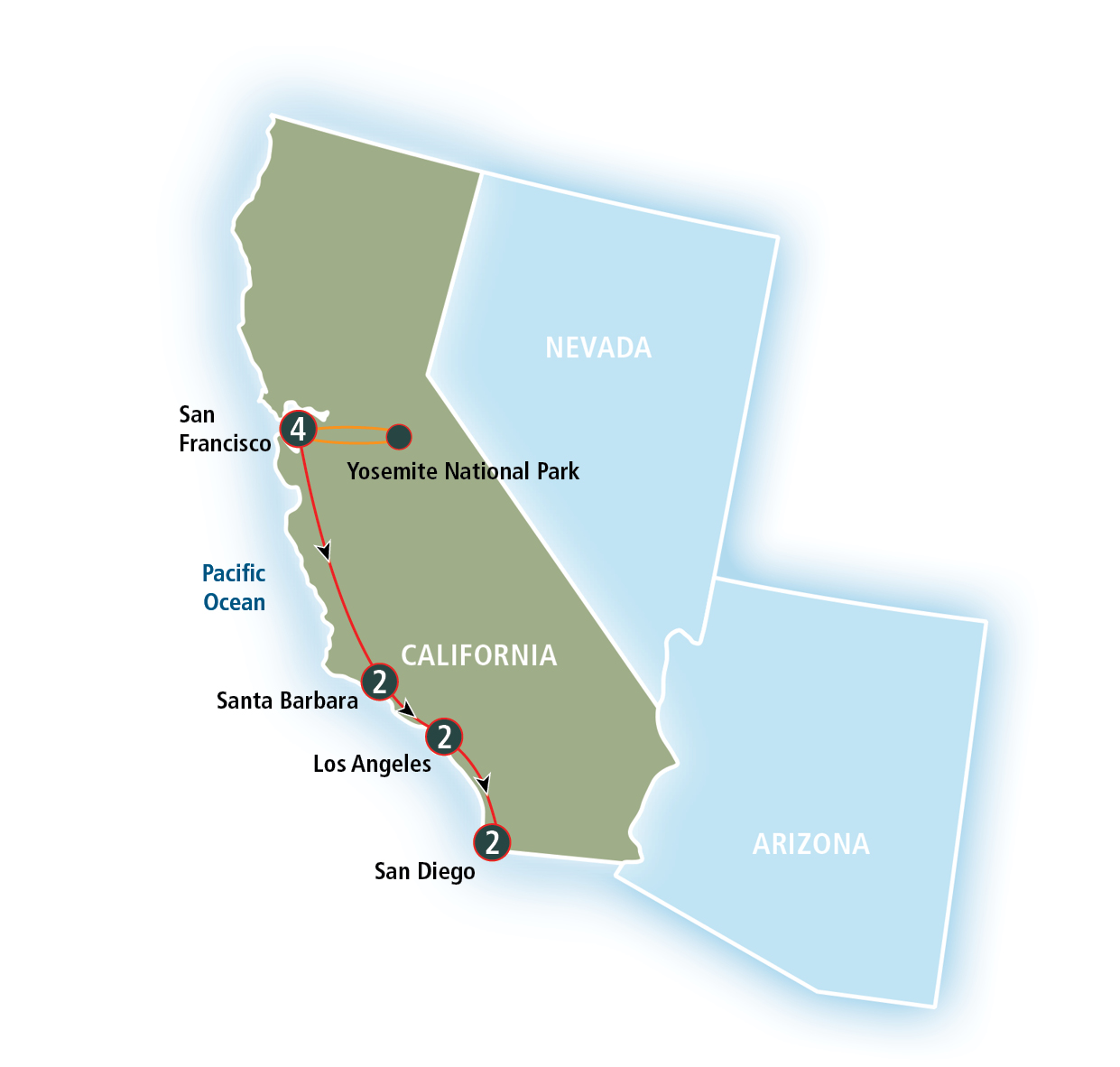
Navigating the Golden State: Distance and Driving Routes
For many, the quintessential Californian experience involves a road trip, and the drive between San Diego and San Francisco certainly delivers. While the straight-line distance is considerable, the driving routes offer a blend of efficiency and scenic beauty.
The Fastest Path: Interstate 5 (I-5)
The most direct and commonly used route is via Interstate 5 (I-5). This freeway stretches through the heart of California, linking north and south.
- Distance: Approximately 500 miles (805 km).
- Driving Time: Without significant stops, the drive typically takes 7 to 9 hours. This estimate can fluctuate greatly depending on traffic conditions, especially when passing through major metropolitan areas like Los Angeles and the Bay Area.
- Experience: The I-5 route is largely inland, characterized by vast agricultural landscapes and relatively flat terrain. While it’s the fastest option, it offers fewer scenic stops compared to coastal alternatives. For travelers prioritizing speed and efficiency, this is the ideal choice.
- Fuel and Food: There are ample opportunities for fuel, food, and rest stops along the way, making it a practical option for a long drive. Towns like Santa Clarita and areas around Bakersfield offer convenient breaks.
The Scenic Detour: US Route 101 and Pacific Coast Highway (Highway 1)
For those who view the journey as part of the destination, a more leisurely and picturesque route awaits along US Route 101 and portions of the Pacific Coast Highway (Highway 1). This option transforms a simple drive into an unforgettable road trip adventure.
- Distance: This route can range from 550 to over 600 miles (885 to 965 km) depending on how much you hug the coast.
- Driving Time: Expect a minimum of 10-12 hours of driving time, not including stops. However, to truly appreciate the beauty of this route, it’s highly recommended to break the journey into a 2-3 day trip with overnight stays.
- Experience: The coastal route offers breathtaking views of the Pacific Ocean, charming beach towns, and iconic landmarks. You’ll traverse diverse landscapes, from the rolling hills of Santa Barbara to the dramatic cliffs of Big Sur. This is a prime example of luxury travel blended with natural beauty, catering to those who appreciate the journey as much as the destination.
- Recommended Stops and Overnights:
- Laguna Beach: Known for its art galleries and beautiful coves.
- Santa Barbara: The “American Riviera,” offering Spanish colonial architecture and exquisite dining. Consider staying at the Hotel Californian for a luxurious experience.
- Pismo Beach: A classic California beach town with opportunities for dune buggy rides.
- San Luis Obispo: A vibrant college town with a charming downtown and mission.
- Hearst Castle: A historic estate offering tours of opulent living.
- Big Sur: Famous for its dramatic coastal views, winding roads, and redwood forests. Plan for photo opportunities at Bixby Bridge.
- Carmel-by-the-Sea / Monterey: Quaint towns with rich history, famous golf courses, and the renowned Monterey Bay Aquarium. Accommodation options range from cozy bed and breakfasts to upscale resorts like The Lodge at Pebble Beach.
Choosing the driving route depends entirely on your travel style and how much time you have. If you’re on a tight schedule, I-5 is your best bet. If you seek an immersive experience with stunning landscapes and charming towns, the coastal route is unparalleled for a memorable United States adventure.
Beyond the Car: Alternative Modes of Transport
While driving offers flexibility, it’s not the only way to travel between San Diego and San Francisco. Other options cater to different preferences, budgets, and time constraints.
Taking to the Skies: Flying
Flying is by far the quickest method, ideal for business stays or those with limited vacation time.
- Airports:
- San Diego: San Diego International Airport (SAN)
- San Francisco Area: San Francisco International Airport (SFO), Oakland International Airport (OAK), Mineta San Jose International Airport (SJC).
- Flight Duration: The actual flight time is typically around 1 hour and 30 minutes.
- Total Travel Time: Including airport transfers, check-in, security, and potential delays, the total door-to-door travel time can be 4-6 hours.
- Airlines: Major airlines such as Southwest, United, American, and Delta operate frequent flights between these cities.
- Pros: Fastest option, often provides competitive pricing if booked in advance, especially to Oakland or San Jose.
- Cons: Less scenic, involves airport hassle, potential for additional costs for baggage and ground transportation from the airport to your final accommodation. When considering flights, travelers often compare hotel amenities and airport proximity to their chosen suites or resorts.
A Relaxing Ride: Train Travel with Amtrak
For a more relaxed journey that offers scenic views without the stress of driving, Amtrak provides a compelling alternative.
- Routes:
- The primary connection involves the Pacific Surfliner from San Diego north to Los Angeles, where you would transfer to a Thruway Bus connection that continues to the Bay Area.
- Alternatively, you can take the Pacific Surfliner to a station like Santa Barbara or San Luis Obispo and then switch to the long-distance Coast Starlight train. However, the Coast Starlight route does not directly enter San Francisco but stops in Emeryville (across the bay), requiring a short bus or ferry transfer.
- Travel Time: The total journey, including transfers, can take 11-15 hours, making it significantly longer than driving or flying.
- Pros: Enjoy stunning coastal views (especially on the Pacific Surfliner leg), comfortable seating, ability to walk around, access to dining cars. It’s a sustainable and relaxing mode of travel, perfect for those who enjoy the journey.
- Cons: Long travel time, requires transfers, can be more expensive than buses. However, the experience of traversing the coastline by train is a unique tourism activity in itself.
Budget-Friendly Travel: Bus Services
For budget-conscious travelers, bus services offer the most economical way to travel between San Diego and San Francisco.
- Providers: Major operators include Greyhound and FlixBus.
- Travel Time: Bus journeys typically range from 10-14 hours, including stops and transfers, similar to train travel in duration but generally less comfortable.
- Pros: Most affordable option, convenient for those without a car.
- Cons: Longest travel time, less comfortable than train or plane, multiple stops.
Exploring the Destinations: San Diego vs. San Francisco
Both San Diego and San Francisco are world-class destinations, each offering a distinct flavor of Californian culture and lifestyle. Planning your visit requires understanding their unique attractions and accommodation offerings.
San Diego: “America’s Finest City”
Known for its idyllic weather, pristine beaches, and laid-back vibe, San Diego is a haven for outdoor enthusiasts and those seeking a relaxed yet vibrant atmosphere.
- Landmarks & Attractions:
- Balboa Park: A sprawling urban cultural park housing museums, gardens, and the famous San Diego Zoo. It’s a must-visit for families and culture buffs.
- Gaslamp Quarter: The historic heart of downtown San Diego, known for its Victorian architecture, vibrant nightlife, diverse restaurants, and entertainment.
- Coronado Island: Home to the iconic Hotel del Coronado, a National Historic Landmark, and beautiful sandy beaches.
- USS Midway Museum: An impressive naval aircraft carrier museum offering a fascinating look into naval aviation history.
- Beaches: La Jolla Cove, Pacific Beach, and Mission Beach offer surfing, sunbathing, and oceanfront boardwalks.
- Tourism & Lifestyle: San Diego boasts a thriving craft beer scene, delicious Mexican food, and a strong emphasis on outdoor activities. It’s perfect for family trips and those seeking a blend of urban amenities with beach town tranquility.
- Accommodation: From luxury resorts like the Manchester Grand Hyatt San Diego to charming boutique hotels and convenient vacation rentals, San Diego offers a wide range of choices to suit every budget and style of stay.
San Francisco: The Iconic City by the Bay
San Francisco, with its rolling hills, fog, and iconic landmarks, presents a distinctly different experience. It’s a hub of innovation, culture, and breathtaking scenery.
- Landmarks & Attractions:
- Golden Gate Bridge: The architectural marvel and a global symbol of San Francisco. Walking or biking across it is a quintessential experience.
- Alcatraz Island: A former federal prison offering intriguing tours and stunning views of the city skyline. Booking tickets in advance is crucial.
- Fisherman’s Wharf: Famous for its seafood, street performers, and the sea lions at Pier 39.
- Lombard Street: Known as the “most crooked street in the world,” a fun drive or walk.
- Golden Gate Park: An expansive urban oasis featuring museums, gardens (like the Japanese Tea Garden), and attractions like the California Academy of Sciences.
- Chinatown: The oldest Chinatown in North America, offering a vibrant cultural experience with authentic food, shops, and temples.
- Cable Cars: An essential San Francisco experience, offering unique transportation and fantastic city views.
- Tourism & Lifestyle: San Francisco is known for its diverse culinary scene, vibrant arts and culture, tech innovation, and a progressive, dynamic atmosphere. It’s ideal for cultural explorers, foodies, and those seeking an energetic urban environment.
- Accommodation: From opulent luxury hotels like The Ritz-Carlton, San Francisco to trendy boutique options such as Hotel Zeppelin San Francisco and a wide array of serviced apartments and budget-friendly hotels, the city caters to every traveler’s preference.
Planning Your Journey: Tips for a Smooth Trip
Regardless of your chosen mode of transport, a few key tips can enhance your experience and ensure a smooth journey between these two Californian gems.
- Book in Advance: Especially for flights, popular train routes, and accommodation in both cities, booking well in advance can secure better prices and availability. This is particularly true for peak travel seasons.
- Consider Off-Peak Travel: Traveling during the shoulder seasons (spring or fall) can mean fewer crowds, milder weather, and potentially lower prices for flights and hotels, enhancing your overall travel budget and experience.
- Factor in Traffic: If driving, use real-time navigation apps (like Google Maps or Waze) to monitor traffic, especially around Los Angeles and the Bay Area, as delays can significantly impact your travel time. Early morning or late evening departures can help avoid the worst of rush hour.
- Accommodation Research: When choosing hotels, resorts, or apartments, consider their proximity to attractions, public transport, and the amenities they offer. Websites like ours provide comprehensive reviews and comparisons to help you make informed decisions for your stay, whether you seek luxury travel, budget travel, or family-friendly options.
- Pack Smart: California’s weather can vary. San Diego is generally warmer, while San Francisco can be surprisingly cool and foggy, even in summer. Layering is key, especially for San Francisco.
- Embrace Local Culture: Both cities offer incredible culinary scenes. Seek out local eateries, craft breweries in San Diego, or diverse ethnic cuisine in San Francisco’s neighborhoods for an authentic tourism experience.
In conclusion, the journey from San Diego to San Francisco, California, is more than just covering a distance of approximately 500 miles. It’s an opportunity to explore the diverse beauty, culture, and lifestyle that define this magnificent state. Whether you opt for the efficiency of a flight, the adventure of a scenic road trip, the relaxation of a train, or the economy of a bus, each choice opens up a unique perspective on California. By carefully planning your travel, considering your accommodation, and embracing the myriad of tourism opportunities, your journey between these two iconic cities will undoubtedly be a highlight of your travel experiences.
LifeOutOfTheBox is a participant in the Amazon Services LLC Associates Program, an affiliate advertising program designed to provide a means for sites to earn advertising fees by advertising and linking to Amazon.com. Amazon, the Amazon logo, AmazonSupply, and the AmazonSupply logo are trademarks of Amazon.com, Inc. or its affiliates. As an Amazon Associate we earn affiliate commissions from qualifying purchases.