
The allure of exploring the vast, rugged landscapes of Texas on two wheels is undeniable. For adventure enthusiasts and off-road aficionados, a dirt bike offers an unparalleled sense of freedom and direct connection with the environment. However, this freedom is often tethered by a crucial question: can these powerful machines transition from dusty trails to public roads? The answer, particularly within the Lone Star State, is nuanced and depends heavily on understanding specific regulations and modifications. This article delves into the intricacies of dirt bike legality on Texas roadways, offering a comprehensive guide for riders seeking to navigate both the trails and the streets.

Understanding the Core Distinction: Off-Road vs. Street-Legal Vehicles
At its heart, the distinction between a dirt bike and a street-legal motorcycle lies in their intended purpose and the equipment mandated for operation on public roads. Dirt bikes, by design, are optimized for off-road performance. Their suspension systems are typically longer and more robust, their tires are knobby for maximum traction on loose surfaces, and they often lack the safety features required for highway use. This specialization means that a stock dirt bike, straight from the manufacturer’s off-road line, is generally not street legal.
Conversely, a street-legal motorcycle is equipped with a specific set of components designed for safety and compliance with motor vehicle laws. These include:
- Headlights: A functioning headlight that illuminates the road ahead is paramount.
- Taillights and Brake Lights: A rear red light is essential, and a brighter brake light that activates when the brakes are applied is a critical safety feature.
- Turn Signals: Both front and rear turn signals are required to indicate directional changes.
- Mirrors: Properly positioned mirrors are necessary for the rider to see traffic behind them.
- Horn: A functional horn serves as an audible warning to other road users.
- DOT-Approved Tires: Tires must meet specific Department of Transportation (DOT) standards for road use.
- License Plate Bracket and Light: A designated area to mount a license plate, along with a light to illuminate it, is mandatory.
- Exhaust System: The exhaust must meet noise and emissions standards for public roads.
Without these essential features, a motorcycle is fundamentally an off-road vehicle and operating it on public streets in Texas would constitute a violation of traffic laws.
The Texas Framework: Navigating State Laws and Regulations
Texas has specific legislation governing the operation of motorcycles, including those that may have originated as dirt bikes. The primary governing body is the Texas Department of Public Safety (DPS). Their regulations, along with those of the Texas Legislature, dictate what constitutes a legal vehicle on public roadways.
The “Dual-Sport” Compromise
The concept of a “dual-sport” motorcycle is where the lines between off-road and street legality begin to blur. A dual-sport bike is essentially a dirt bike that has been factory-equipped, or subsequently modified, with the necessary components to make it street legal. These bikes retain much of the off-road capability of their pure dirt bike counterparts but are also compliant with highway safety standards.
For an individual to legally operate a dirt bike on public roads in Texas, it must be converted into a street-legal motorcycle. This isn’t a simple matter of attaching a few lights. The process requires careful attention to the specific requirements outlined by the Texas DPS.
Key Legal Requirements for Street Legality in Texas
The Texas Transportation Code is the definitive source for vehicle regulations. To make a dirt bike street legal, the following conditions must generally be met:
- Motorcycle Title and Registration: The vehicle must have a valid motorcycle title and be registered with the Texas DMV. This process often involves a vehicle identification number (VIN) inspection. If a dirt bike doesn’t have a VIN, or if it’s an off-road-only model, obtaining a street-legal title can be a complex and sometimes impossible endeavor. Many used dirt bikes purchased without prior street registration may not be eligible for title conversion.
- Inspection Certificate: A valid state vehicle inspection certificate is required. This inspection ensures that the vehicle meets all safety standards, including the presence and functionality of all required street-legal equipment.
- Proof of Insurance: Liability insurance is mandatory for all registered vehicles operating on Texas roadways.
- Equipment Mandates: As previously detailed, the motorcycle must be equipped with functioning headlights, taillights, brake lights, turn signals, mirrors, a horn, DOT-approved tires, and a properly illuminated license plate.
- Exhaust System Compliance: The exhaust must be sufficiently quiet and meet any applicable emissions standards. Loud, unmodified dirt bike exhausts are typically a significant hurdle to street legality.
The “Kit” Approach: Modifying a Dirt Bike for the Road
For enthusiasts who own a dirt bike and wish to make it street legal, there are conversion kits available. These kits typically include the necessary lights, mirrors, turn signals, and sometimes even a new exhaust system. However, simply installing a kit does not automatically grant street legality. The installation must be done correctly, and all components must function as required by Texas law.
The challenge often lies in the VIN and title. If the original dirt bike was manufactured as an off-road-only vehicle, it may not have a VIN that the Texas DMV can register for street use. In such cases, a special “kit bike” title might be obtainable, but this is a rigorous process that often involves proving the origin of all components and demonstrating that the completed vehicle meets all safety and legal standards. It’s crucial to consult with the local Texas Department of Motor Vehicles (DMV) or a reputable dealership that specializes in motorcycle conversions for accurate guidance on the titling and registration process for modified vehicles.

When and Where Can You Ride? Navigating the Nuances
Even if a dirt bike has been successfully converted to be street legal, understanding where and when you can ride remains important.
Public Roadways
Once properly registered, inspected, and insured, a street-legal dirt bike can be ridden on public roads in Texas, just like any other motorcycle. This includes state highways, county roads, and city streets. However, riders should always exercise caution and be aware of their surroundings, as dirt bikes, even when street legal, can have different handling characteristics than traditional street motorcycles. Their suspension, tire grip, and braking systems are often optimized for off-road conditions, which may require adjustments in riding technique on pavement.
Limitations and Considerations
- Speed Limits: While a dirt bike may be capable of higher speeds, riders are bound by posted speed limits on public roads.
- Lane Splitting: In Texas, lane splitting (riding between lanes of traffic) is generally illegal for all vehicles, including motorcycles.
- Off-Road Parks and Trails: Texas boasts numerous off-road parks and designated trails where dirt bikes can be ridden legally without the need for street-legal modifications. Locations like Hidden Falls Adventure Park in Hays County or parts of the Big Bend National Park (though specific regulations apply within national parks) offer fantastic opportunities for dedicated off-road riding.
- Private Property: Riding on private property is permissible with the owner’s explicit consent.
The Importance of Responsible Riding
Regardless of where you ride, responsible riding is paramount. This includes:
- Wearing Appropriate Safety Gear: Helmets are mandatory for all motorcycle riders in Texas. Full protective gear, including riding jackets, pants, gloves, and boots, is highly recommended to mitigate injuries in case of an accident.
- Adhering to Traffic Laws: Obeying all traffic signals, signs, and rules of the road is essential for the safety of yourself and others.
- Maintaining Your Vehicle: Ensuring that all components of your street-legal dirt bike are in good working order, especially brakes, tires, and lights, is critical.
Alternatives to Street-Legal Conversions
For riders who primarily seek the thrill of off-road riding and do not have a strong desire to navigate public roads, the focus remains on dedicated dirt bikes and their legal operation in designated areas.
Dedicated Dirt Bikes
Many manufacturers offer a wide range of pure dirt bikes designed for motocross, trail riding, or enduro. These machines are built for performance on unpaved surfaces and are not intended for street use. Purchasing one of these bikes means accepting that it will be confined to private property, motocross tracks, or approved off-road parks.
The Rise of Electric Dirt Bikes
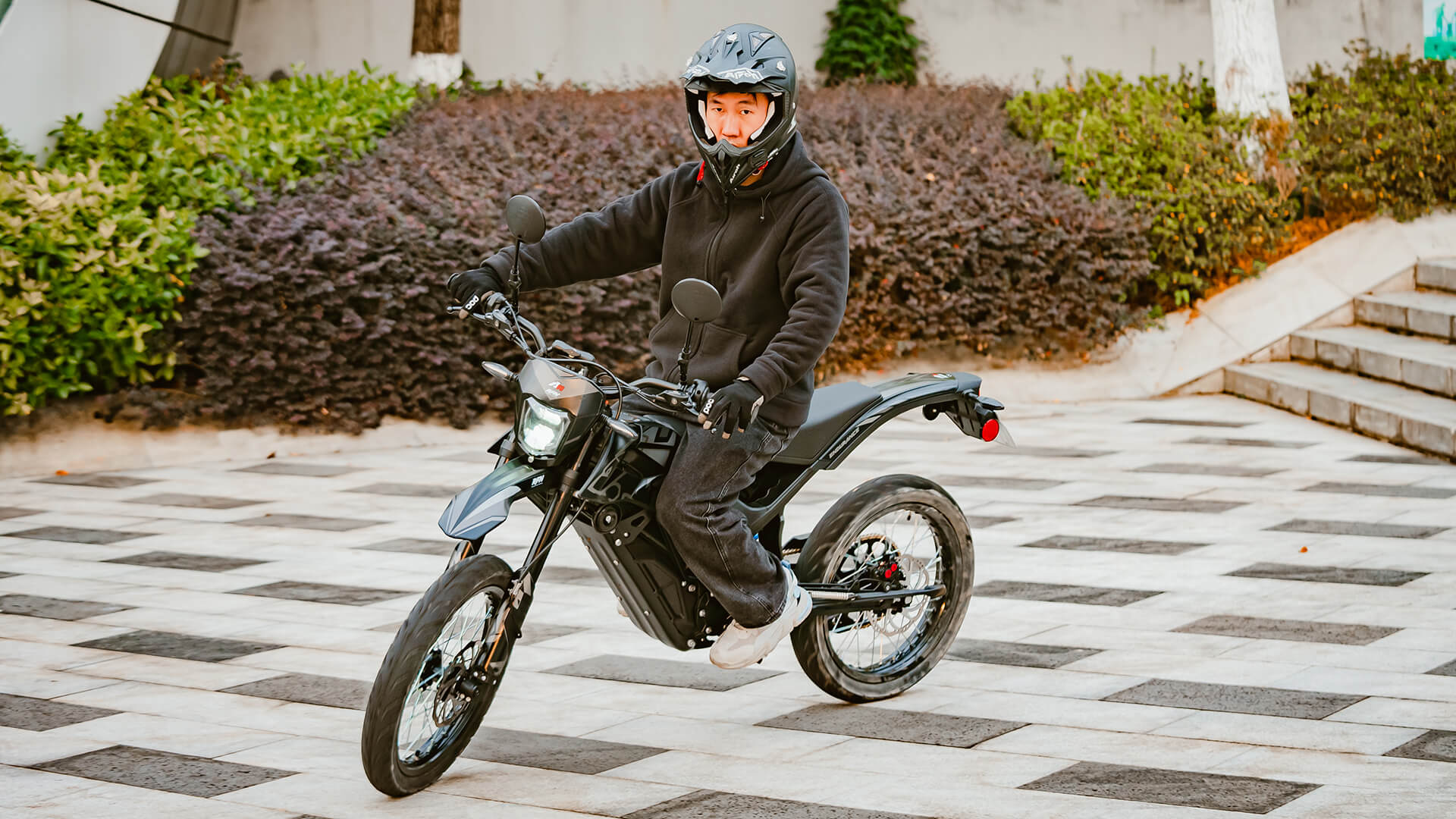
The landscape of powersports is evolving, and electric dirt bikes are emerging as a compelling alternative. While many electric dirt bikes are also designed for off-road use, their quieter operation and different power delivery characteristics offer a unique riding experience. As technology advances, the potential for some electric dirt bike models to be adapted for street legality might increase, though current regulations primarily focus on internal combustion engine vehicles.
Understanding Local Ordinances
It’s also important to note that beyond state laws, some cities or counties within Texas may have specific ordinances that further restrict or govern the operation of any type of motorcycle, including dirt bikes, even if they are street legal. Always familiarize yourself with local regulations to avoid any unexpected penalties.
In conclusion, while the idea of tackling the open roads of Texas on a dirt bike is appealing, the reality requires strict adherence to legal frameworks. A dirt bike is not inherently street legal. It must undergo a rigorous conversion process, meet all mandated safety equipment requirements, and obtain proper titling, registration, and insurance. For those who embark on this path, the reward is the expanded freedom to explore the diverse terrains Texas has to offer, whether on dusty trails or paved highways. For others, the dedicated off-road experience in designated areas remains the most straightforward and enjoyable way to enjoy the capabilities of their dirt bikes.
LifeOutOfTheBox is a participant in the Amazon Services LLC Associates Program, an affiliate advertising program designed to provide a means for sites to earn advertising fees by advertising and linking to Amazon.com. Amazon, the Amazon logo, AmazonSupply, and the AmazonSupply logo are trademarks of Amazon.com, Inc. or its affiliates. As an Amazon Associate we earn affiliate commissions from qualifying purchases.