
Navigating the Lone Star State with your vehicle involves understanding a variety of regulations, and one of the most common questions for both residents and visitors revolves around the necessity of front license plates. For many, the visual appeal of a vehicle is a significant consideration, and the presence or absence of a front plate can alter a car’s aesthetic. This inquiry is particularly pertinent for those planning a road trip through Texas or considering a move to the state. Understanding this requirement is crucial for avoiding potential citations and ensuring a smooth driving experience.

The Texas Two-Plate Policy: Understanding the Law
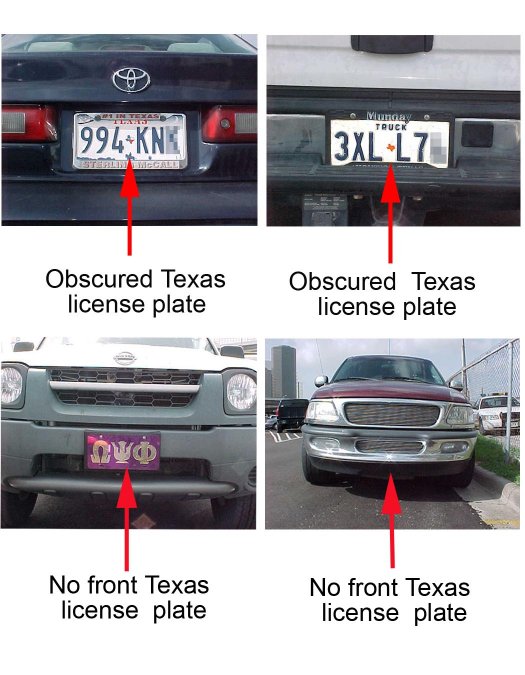
Texas, like many other states in the United States, has specific laws governing the display of license plates. The core of this regulation lies in the requirement for vehicles to display two plates: one at the front of the vehicle and one at the rear. This is not a mere suggestion but a codified legal mandate designed for identification and law enforcement purposes. The rationale behind this policy is to enhance visibility for law enforcement agencies, making it easier to identify vehicles involved in criminal activity, traffic violations, or Amber Alerts. The dual-plate system provides an additional point of reference, especially when a front-facing view of the vehicle is more readily available, such as in parking lots or during pursuits.
Historical Context and Legislative Intent
The requirement for front license plates in Texas has a history rooted in public safety initiatives. While the specific year of implementation can be traced back, the underlying principle has remained consistent: to facilitate the identification and tracking of vehicles. Lawmakers have historically viewed the front plate as a valuable tool for law enforcement, contributing to overall road safety. The intent is to ensure that every registered vehicle is easily identifiable from multiple angles, thereby deterring crime and aiding in investigations. Over the years, there have been discussions and legislative attempts to remove the front plate requirement, often citing aesthetic preferences or the perceived redundancy in modern identification technologies. However, these efforts have not resulted in a change to the law, and the two-plate system remains in effect.
Enforcement and Penalties
Failure to comply with the Texas front license plate law can result in penalties. While enforcement can vary across different jurisdictions within Texas, drivers should be aware that receiving a citation for a missing front plate is a possibility. The typical penalty for such an infraction is a fine. In some cases, law enforcement officers might issue a warning or a “fix-it ticket,” giving the driver a grace period to procure and install the required plate before a court appearance. However, relying on this courtesy is not advisable, and proactive compliance is the best approach. It’s important to note that the specific fine amounts can differ depending on the municipality or county where the citation is issued.
Factors Influencing License Plate Requirements
While the general rule in Texas mandates front license plates, there are nuances and exceptions that drivers should be aware of. These can range from specific vehicle types to temporary situations. Understanding these exceptions can prevent confusion and ensure that drivers are meeting all legal obligations.
Exceptions to the Rule
The Texas Transportation Code outlines specific exemptions to the front license plate requirement. These are typically few and far between, designed for vehicles where the standard mounting might be impractical or for specialized uses.
Motorcycles and Trailers
One of the most common exemptions applies to motorcycles. Due to their design and limited available mounting surfaces, motorcycles are generally only required to display a rear license plate. Similarly, trailers, especially smaller utility or recreational trailers, may also be exempt from displaying a front plate. However, it is always advisable to check the specific regulations for trailers, as larger or commercially used trailers might have different requirements.
Antique and Custom Vehicles
Certain antique vehicles, often defined by their age and historical significance, might have exemptions. These vehicles are typically driven on a limited basis and are often subject to specific registration classifications. Additionally, some highly customized vehicles, particularly those with significant structural modifications that make front plate installation problematic, may be eligible for exemptions. These often require special permits or classifications.
Dealer and In-Transit Plates
Vehicles being transported or sold by licensed dealers often utilize temporary tags or “dealer plates.” These are designed for situations where a vehicle is not yet permanently registered by an owner and is being moved between dealerships, to a customer’s location, or to a repair shop. The regulations surrounding these temporary plates dictate their use and display requirements, which differ from standard owner-issued plates.
The Role of Specialty and Aftermarket Modifications
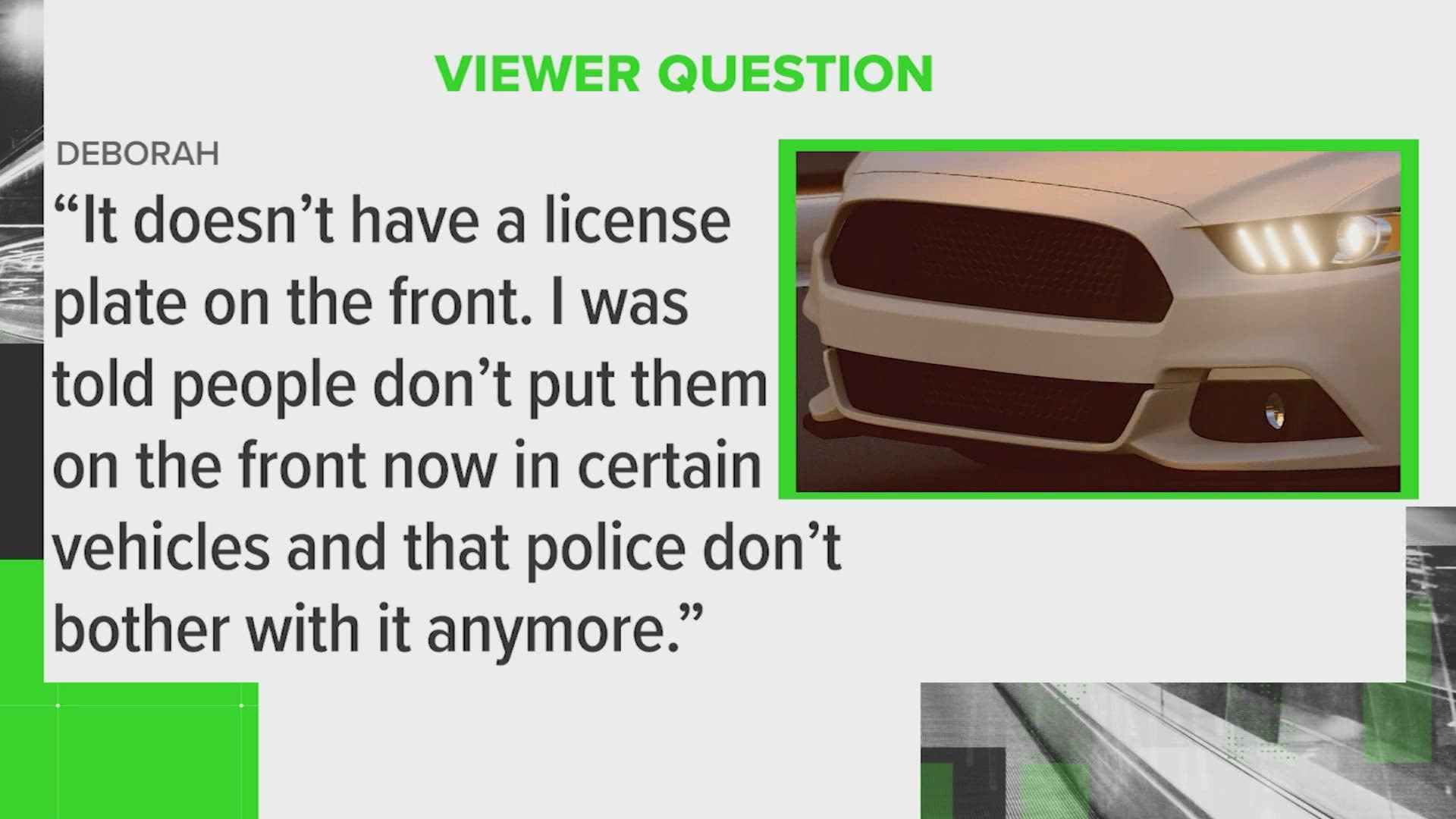
For drivers who opt for aftermarket modifications or custom body kits, the question of front license plate placement becomes particularly relevant. Many sleek, modern vehicle designs, especially sports cars and luxury sedans, feature prominent grilles or sculpted front bumpers where a traditional license plate mount can disrupt the intended aesthetic. This has led to the popularity of various aftermarket solutions, including:
- Bumper-Mounted Brackets: These are designed to attach to the vehicle’s front bumper, either centrally or off to one side, and provide a secure location for the license plate.
- Grille-Mounted Brackets: Some brackets are designed to attach to the vehicle’s grille, offering a less obtrusive mounting point.
- Concealed or Retractable Systems: For those prioritizing a clean look when parked, some advanced systems allow the license plate to be hidden or retracted when the vehicle is in motion or stationary.
- “No-Drill” Options: Many manufacturers offer “no-drill” brackets that utilize existing mounting points on the vehicle, avoiding permanent modifications to the bumper or bodywork.
While these accessories offer solutions for maintaining a vehicle’s visual appeal, they do not negate the legal requirement. The plate must be displayed clearly and securely, even if mounted using an aftermarket bracket. The key is compliance with the law while seeking aesthetically pleasing options.
Best Practices for Displaying Your Texas Plates
Ensuring your license plates are displayed correctly in Texas involves more than just having them attached to your vehicle. Several factors contribute to proper display, including the condition of the plates themselves and the legality of any coverings or frames.
Plate Condition and Visibility
Texas license plates are issued by the Texas Department of Motor Vehicles and are designed to be durable. However, over time, they can become damaged, faded, or obstructed by dirt and debris, diminishing their visibility. It is the owner’s responsibility to maintain the plates in a legible condition.
- Legibility: The characters on the plate must be clearly readable from a distance. This means ensuring the plate is not bent, cracked, or obscured by rust or fading.
- Cleanliness: Regularly cleaning your license plates is a simple yet effective way to ensure they are visible. Mud, snow, or road salt can accumulate, making them difficult to read.
- Mounting: Plates must be securely attached to the designated locations on the front and rear of the vehicle. Loose plates can fall off or become difficult to see.
Legal Considerations for Frames and Coverings
While license plate frames and covers are popular accessories, Texas law imposes restrictions on their use. The primary concern is that these accessories do not obstruct the view of the license plate’s characters or any validation stickers.
- Transparent Covers: While transparent covers might seem harmless, some jurisdictions interpret them as potentially obscuring the plate, especially if they distort the light or have any tinting. It is generally safer to avoid transparent covers altogether or to ensure they are completely clear and do not alter the appearance of the plate.
- Frames: Frames that extend beyond the edge of the plate and cover any part of the numbered or lettered area are illegal. The frame should only surround the perimeter of the plate without obscuring any identifying information.
- “Vanity” Plates: Texas offers specialty plates that allow for custom wording or graphics. While these can add a personal touch, they must still adhere to the same display and legibility requirements as standard plates. The specialty graphics should not interfere with the readability of the core identification characters.
Alternative Identification and Future Possibilities
The ongoing dialogue about front license plates in Texas is part of a larger national conversation about vehicle identification and the evolving landscape of technology. As states grapple with balancing public safety requirements with aesthetic considerations, alternative identification methods are frequently discussed.
The Role of Technology in Vehicle Identification
Modern technology offers various ways to identify vehicles beyond traditional plates. Options like radio-frequency identification (RFID) tags embedded in windshields, advanced license plate recognition (LPR) systems used by law enforcement, and even vehicle-specific digital identification systems are being explored. These technologies have the potential to offer more robust and secure identification methods, potentially rendering physical license plates, or at least the dual-plate requirement, less critical in the future.
However, the widespread adoption of such technologies faces significant hurdles, including cost, standardization, privacy concerns, and the need for comprehensive legislative changes. The current system, while potentially imperfect, is well-established and understood by law enforcement agencies across the country.
The Ongoing Debate and Potential for Change
The debate over front license plates in Texas, and indeed in other states that still require them, is likely to continue. Proponents of removing the front plate requirement often cite the aesthetic benefits, the cost savings for vehicle owners who don’t need to purchase and maintain a second plate, and the argument that modern technology already provides sufficient identification capabilities. They may point to states like Florida, where front plates are not required, as examples of successful implementation without compromising public safety.
Conversely, law enforcement agencies and safety advocates often maintain that the front plate serves a vital role in crime prevention and investigation. They argue that the immediate visual identification provided by a front plate can be invaluable in dynamic situations, such as pursuits or immediate response scenarios.
Until legislative changes are enacted, the law in Texas remains clear: two plates are required for most passenger vehicles. Drivers operating a vehicle in Texas should ensure they are compliant with the current regulations to avoid any potential issues. Whether this requirement will change in the future remains a subject of ongoing discussion and policy evaluation.
LifeOutOfTheBox is a participant in the Amazon Services LLC Associates Program, an affiliate advertising program designed to provide a means for sites to earn advertising fees by advertising and linking to Amazon.com. Amazon, the Amazon logo, AmazonSupply, and the AmazonSupply logo are trademarks of Amazon.com, Inc. or its affiliates. As an Amazon Associate we earn affiliate commissions from qualifying purchases.