
Texas, a state renowned for its vast landscapes, rich history, and distinctive culture, often conjures images of cowboys, oil fields, and sprawling ranches. However, the Lone Star State also holds a significant and often overlooked chapter in its story: the presence and legacy of Native American tribes. While Texas does not host any federally recognized Indian reservations in the same manner as some other western states, this distinction masks a complex history of tribal presence, land dispossession, and continued cultural vitality. Understanding the nuances of Native American history in Texas requires looking beyond formal reservation status to appreciate the enduring connection of tribes to this land.
The Complex History of Native American Land in Texas
The absence of federally recognized reservations in Texas is not a reflection of a lack of indigenous peoples. Rather, it is a consequence of historical circumstances, particularly Texas’s unique path to statehood and its subsequent policies towards Native Americans.
Pre-Colonial Texas: A Tapestry of Nations
Before the arrival of European explorers, the territory now known as Texas was home to a diverse array of indigenous nations. These tribes, each with their own distinct languages, customs, and social structures, thrived across the varied ecosystems of the region. Prominent among them were the Caddo confederacies in the east, known for their complex agricultural societies and mound-building traditions; the Karankawa along the coast, skilled in fishing and maritime life; the Coahuiltecan peoples in the south, adapted to arid environments; and the Tonkawa in the central plains, who were nomadic hunters and gatherers. Further west, the Jumano engaged in trade and agriculture, while nomadic groups like the Comanche and Apache ranged across the vast plains, influencing the region for centuries.
The Era of European Colonization and Conflict
The arrival of Spanish missionaries and later Anglo-American settlers marked a period of profound disruption for these indigenous populations. The Spanish established missions, intending to convert and assimilate Native peoples, while simultaneously seeking to control territory and resources. This period was characterized by intermittent conflict, disease, and the gradual erosion of tribal lands and autonomy.
The Republic of Texas, and later the State of Texas, pursued aggressive policies aimed at removing Native American tribes from the land. This was driven by a desire to open up territory for settlement, agriculture, and ranching. Treaties were often broken, and military campaigns were waged to displace and subjugate tribes. Unlike many western territories, Texas did not enter the Union with large tracts of land set aside for Native American tribes in the form of reservations. Instead, tribes were often forced onto smaller, less desirable parcels of land within Mexico or pushed out of the state altogether.
The “Reservation” Concept in Texas: A Different Model
While the formal definition of a federally recognized reservation is absent in Texas, the concept of concentrated indigenous communities and lands has existed, albeit in a different form.
Rancherias and Colony Lands
In the mid-19th century, the Texas legislature did make attempts to establish lands for tribes. The Texas Legislature passed acts in the 1850s that led to the creation of two reservations on the Clear Fork of the Brazos River, where the Comanche, Waco, and Caddo were settled. These were intended as a means of pacification and assimilation. However, these efforts were short-lived. Growing animosity from settlers, coupled with the tribes’ resistance to the harsh conditions and limited resources, led to the abandonment of these reservations by 1859. The indigenous people were forcibly relocated to Indian Territory in present-day Oklahoma.
Following this, Texas did not pursue further reservation policies. Instead, any remaining indigenous populations often lived in dispersed communities, sometimes on small, privately owned parcels of land, or integrated into the general population, struggling to maintain their cultural identity.
Contemporary Native American Presence in Texas
Despite the historical challenges and the absence of large, federally recognized reservations, Native American tribes and their descendants have maintained a significant presence in Texas. Their contributions to the state’s heritage are undeniable, and their efforts to preserve and revitalize their cultures continue.
Federally Recognized Tribes with Texas Ties

While no reservations exist within the state’s borders, several federally recognized tribes have historical or current ties to Texas and operate administrative offices or cultural centers within the state. These include:
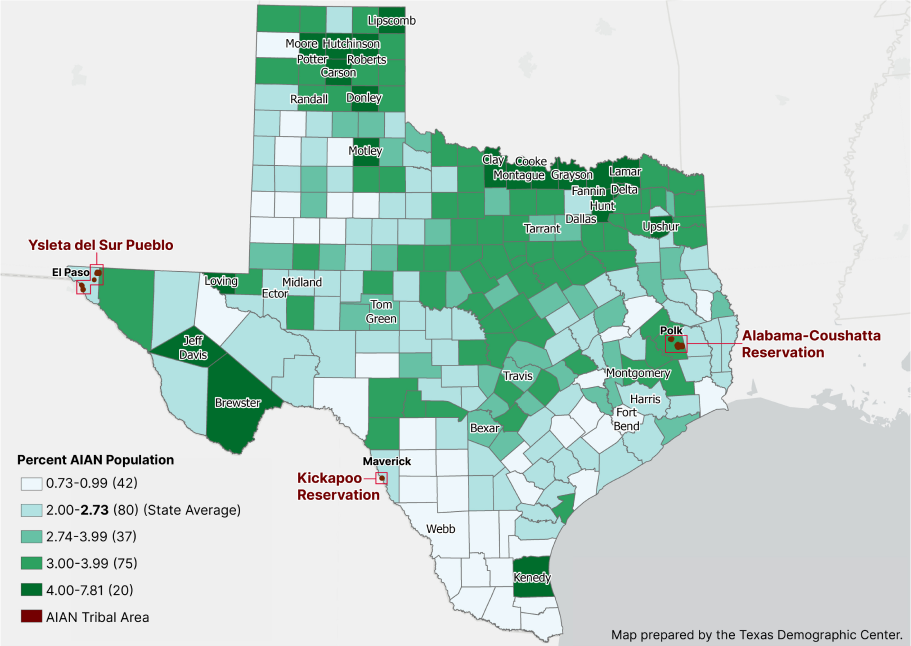
- The Alabama-Coushatta Tribe of Texas: This tribe is unique as it is the only federally recognized tribe with its primary land base located entirely within Texas. Their reservation, the Alabama-Coushatta Indian Reservation, is located in Polk County, near Livingston. This designation was officially reaffirmed by the federal government in 1987, allowing them to operate a casino and engage in economic development.
- The Kickapoo Traditional Tribe of Texas: This federally recognized tribe’s reservation is located in Eagle Pass, Texas. They also have ancestral ties to the state and maintain a sovereign territory where they conduct tribal governance and economic activities.
- The Ysleta del Sur Pueblo: Located in El Paso, Texas, the Ysleta del Sur Pueblo is another federally recognized tribe. Their history in the region dates back centuries, and they are considered one of the oldest continuously inhabited communities in the United States. They also operate a tribal casino and engage in various cultural and economic initiatives.
- Tribes in Oklahoma with Texas Roots: Many tribes that were forcibly removed from Texas, such as the Cherokee Nation, Choctaw Nation, and Chicksaw Nation, are now federally recognized and based in Oklahoma. However, many of their members maintain strong connections to their ancestral lands in Texas, visiting, participating in cultural events, and preserving historical sites.
Cultural Centers and Organizations
Beyond the federally recognized tribes, numerous other Native American organizations and cultural centers operate throughout Texas. These entities play a crucial role in preserving tribal languages, traditions, arts, and history for future generations. They often serve as gathering places, educational hubs, and advocates for Native American rights and cultural recognition.
Examples of Initiatives and Cultural Expression:
- Educational Programs: Many organizations offer workshops and educational programs that teach Native American history, art, and languages to both tribal members and the wider public.
- Cultural Festivals: Annual powwows and cultural festivals are held across Texas, providing vibrant displays of traditional dance, music, and crafts, often open to the public for an immersive cultural experience.
- Historical Preservation Efforts: Groups work to identify, protect, and interpret historical sites and artifacts related to the indigenous peoples of Texas, ensuring that their stories are accurately told and remembered.
- Language Revitalization: Efforts are underway to revive and teach indigenous languages that were once endangered, recognizing language as a cornerstone of cultural identity.
Experiencing Native American Heritage in Texas
While the landscape of formal reservations is different in Texas compared to other states, opportunities abound to engage with and appreciate the rich heritage of Native American peoples. Travelers and residents can explore this history through various avenues.
Visiting Tribal Lands and Cultural Centers
The Alabama-Coushatta Indian Reservation near Livingston, the Kickapoo Traditional Tribe of Texas in Eagle Pass, and the Ysleta del Sur Pueblo in El Paso offer glimpses into the lives and governance of these sovereign nations. Visitors can often explore tribal museums, cultural centers, and sometimes participate in public events or patronize tribal businesses, including casinos and retail outlets. It is always advisable to check the specific visiting policies and any event schedules in advance.
Exploring Historical Sites and Museums
Texas is dotted with historical markers and museums that document the presence and impact of Native American tribes.
Key Locations of Interest:
- Texas State Historical Sites: Many Texas State Parks and historical sites feature exhibits or interpretive programs related to indigenous history. For instance, sites related to early Texas settlements often include information about interactions with local tribes.
- Museums with Native American Collections: Major museums across Texas, such as the Witte Museum in San Antonio or the Perot Museum of Nature and Science in Dallas, often have significant collections and exhibits dedicated to the archaeology and history of Native American peoples in the region.
- El Paso History: The El Paso Mission Trail and the El Paso Museum of History provide context for the ancient presence of indigenous groups in the far west, including the ancestors of the Ysleta del Sur Pueblo.
Engaging with Cultural Events
Attending Native American festivals and powwows is a powerful way to experience living traditions. These events showcase intricate regalia, rhythmic drumming, and captivating dances, offering a profound connection to the enduring spirit of tribal cultures. Dates and locations for these events can often be found through tribal websites or state tourism resources.

Understanding the Nuance: Beyond the Reservation
The question of “Are there Indian reservations in Texas?” is best answered with a nuanced understanding. While the traditional reservation model, as seen in other states, is largely absent, Texas is undeniably home to sovereign tribal nations and a vibrant Native American populace with deep historical roots and a continuing presence. Their story is an integral thread in the complex tapestry of Texas history and culture, deserving of recognition, respect, and exploration. Engaging with this history provides a richer, more complete picture of the Lone Star State.
LifeOutOfTheBox is a participant in the Amazon Services LLC Associates Program, an affiliate advertising program designed to provide a means for sites to earn advertising fees by advertising and linking to Amazon.com. Amazon, the Amazon logo, AmazonSupply, and the AmazonSupply logo are trademarks of Amazon.com, Inc. or its affiliates. As an Amazon Associate we earn affiliate commissions from qualifying purchases.